
REVIEW · ARCHITECTURE WALKING TOURS
Chicago Loop: Art, Skyscrapers, Millennium Park & “The Bean”
Chicago’s Loop reads fast, and it’s fun. In two hours, you’ll see skyline drama plus public art, and I really like the stop at Millennium Park and the way indoor lobbies keep the tour comfortable. One heads-up: even with weather-friendly reroutes, you’ll still walk outdoors for stretches, so winter days can feel chilly.
This is a tight downtown loop that moves from classic Chicago department-store glamour (now Macy’s on State Street) to Daley Plaza sculpture, then into Millennium Park for the interactive stuff—ending at Cloud Gate, also known as The Bean.
In This Review
- Key things to know before you go
- Stepping into the Loop: why the elevated tracks matter
- Meeting at Chicago Theatre and easing into State Street history
- Marshall Field’s (now Macy’s on State): architecture you can step inside
- Daley Plaza and The Picasso: public art with real attitude
- Millennium Park: Crown Fountain and the playful side of the city
- Great Fire 1871 landmarks: resilience you can see
- The L and the Loop feel: transit as city design
- Tiffany-glass art and other small moments that add up
- Route 66 starts here: an unexpected connection to road trips
- Art Institute stop: why world-class art fits a short route
- Ending at Cloud Gate: The Bean reflections and photo strategy
- Price and value: $49 for a 2-hour guided Loop route
- Who this tour fits best (and who might want a different plan)
- Should you book this Chicago Loop Art, Skyscrapers, and Millennium Park tour?
- FAQ
- How long is the Chicago Loop tour?
- Where do I meet the guide?
- What is the price per person?
- Does the tour adjust for weather?
- What major sights are included?
- Is a guide provided and in what language?
- Do I need to pay a tip separately?
Key things to know before you go
- Millennium Park art time changes with the season: more outdoor park time in warmer weather, more indoor stops when it’s cold or rainy.
- Daley Plaza’s Picasso sculpture adds a modern-art stop right in the civic core.
- Crown Fountain mixes video projections and water, so it’s more than just something to look at.
- The L and the Loop connection get explained in a way that makes the city’s transit feel personal.
- Route 66 starts downtown here, then you move right into art and architecture.
Stepping into the Loop: why the elevated tracks matter
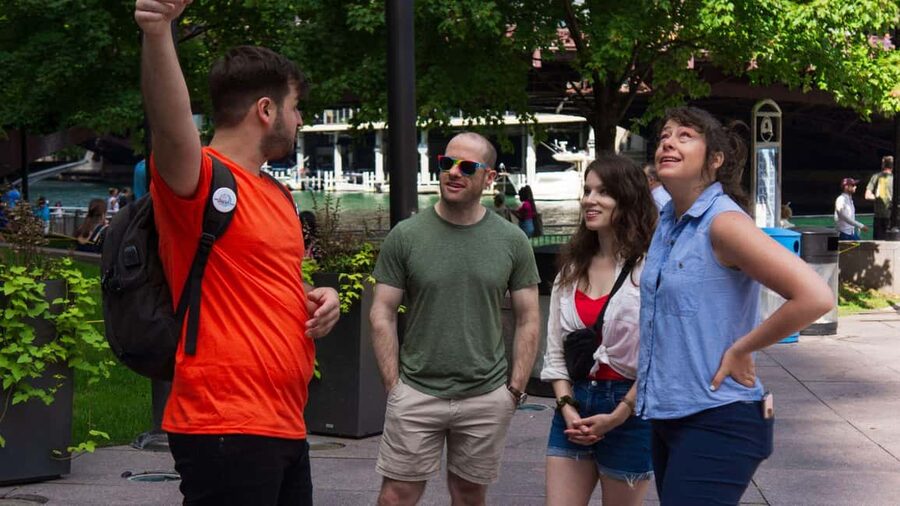
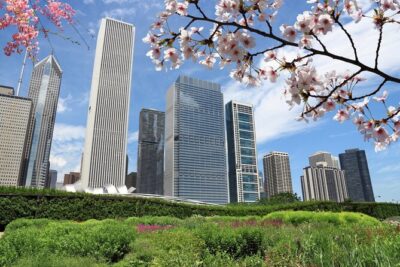
The Loop isn’t just a place—it’s a skyline-shaped experience. The tour ties the name Loop to the elevated train system, so when you spot the tracks and stations later, you’ll understand why Chicago built its city life around rail lines instead of waiting for everyone to drive.
You also get a useful rhythm lesson right away: downtown Chicago can feel like it’s all streets and glass, but there’s structure. Your walk follows key intersections and famous civic areas, which makes the city easier to decode on a first visit. If you like “I finally get it” moments—this route gives you a bunch without dragging on for half a day.
Around the Bean and Millennium Park again


Meeting at Chicago Theatre and easing into State Street history
You start at the Chicago Theatre, right at 175 N. State St at the corner of State and Lake. That’s a smart launch point because you’re immediately in the thick of downtown—easy to orient, easy to connect later with other attractions.
From here, the tour heads toward a landmark that still shapes how people picture Chicago shopping and grand interiors: Marshall Field’s, now Macy’s on State Street. This matters because it’s not just an exterior photo stop. You’re set up to see the kind of public-facing building that used to anchor street life—and still does, even after the brand changed.
Marshall Field’s (now Macy’s on State): architecture you can step inside
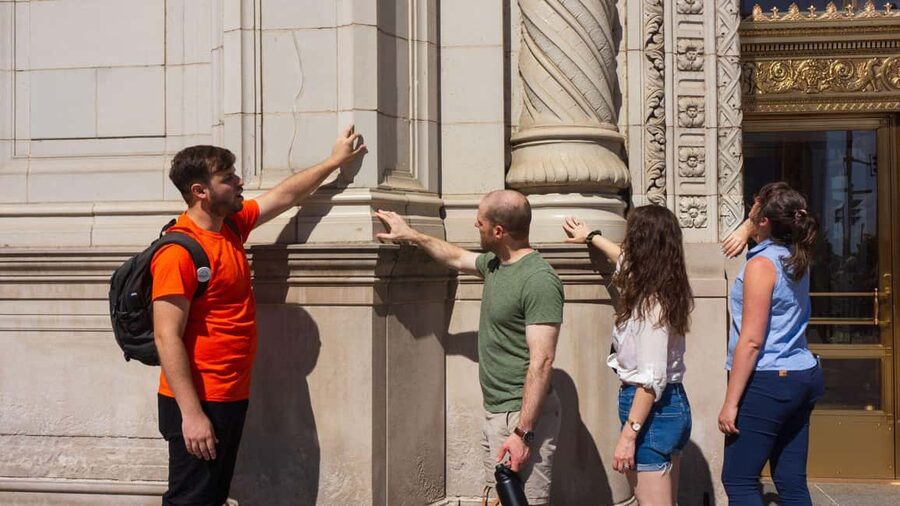
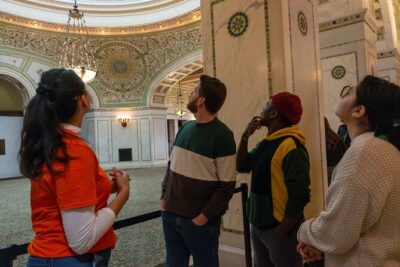
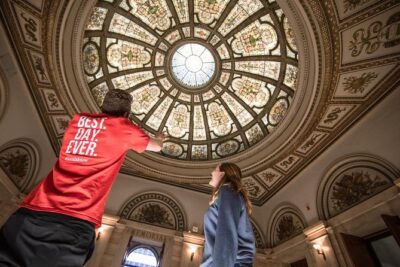
The big win here is being able to go inside one of Chicago’s famous retail monuments. The tour focuses on architectural details, so you’re not just walking past a big building—you’re learning why the place feels like a civic hall as much as a store.
Here’s what to watch for: grand indoor spaces and design cues that signal “Chicago made this,” including how the building functioned as a major public destination when department stores were major cultural centers. The tour’s framing helps you connect a shopping building to the wider story of downtown redevelopment and identity.
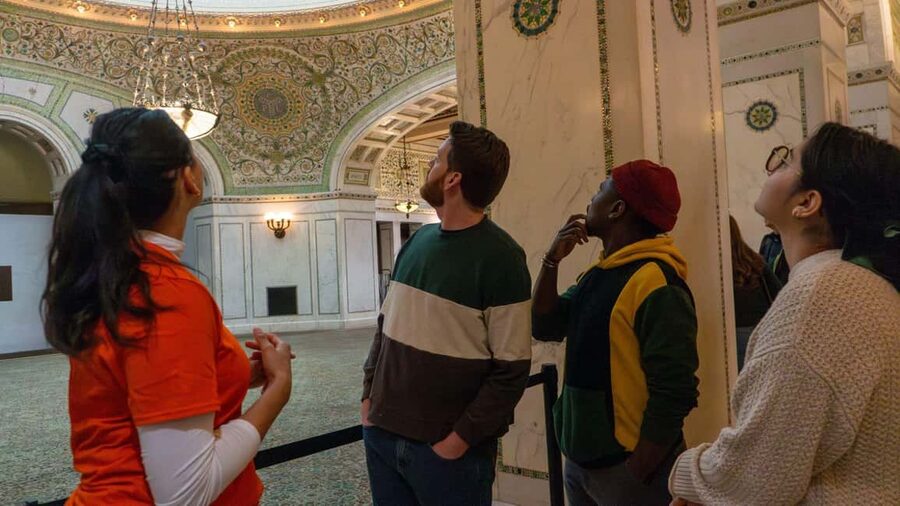
And if you’re visiting in cooler months, this stop plays a practical role. You get a warm reset inside a historic interior while still moving forward on the route.
The Loop above ground and below it
- Chicago Loop District Food Tour with Deep Dish & Beef Sandwich
★ 5.0 · 870 reviews - Chicago Architecture Tour: Underground Pedway and the Loop
★ 5.0 · 388 reviews - Chicago: Underground Pedway & Downtown Secrets Walking Tour
★ 4.7 · 268 reviews
Daley Plaza and The Picasso: public art with real attitude
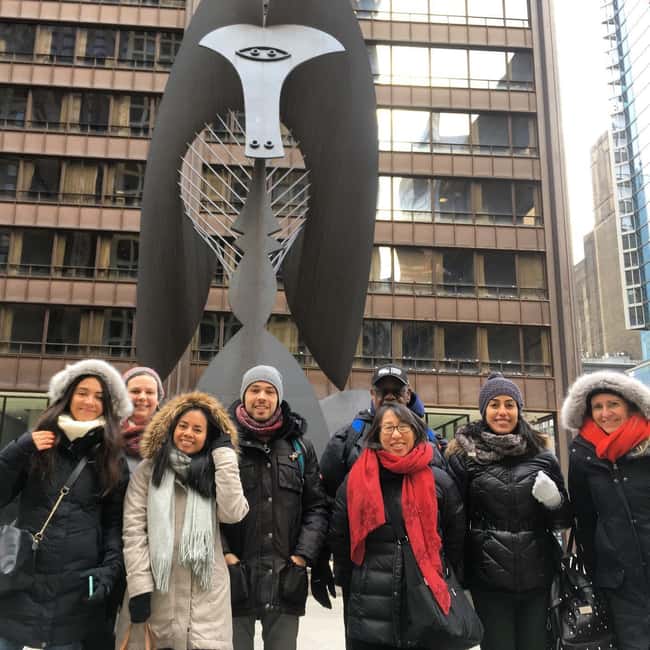
Next you head to Daley Plaza for The Picasso, a striking steel sculpture gifted to Chicago by Pablo Picasso himself. This is one of those stops where the art works even if you don’t know art history. It’s big, modern, and placed where people naturally pause, which makes it easy to feel the city’s habit of treating public space like a gallery.
Why I like this as part of the Loop: the tour doesn’t treat public art as an extra. It uses art to mark transitions—your walk shifts from commercial grandeur into civic space, and this sculpture gives you a clear visual boundary between eras and moods.
Millennium Park: Crown Fountain and the playful side of the city
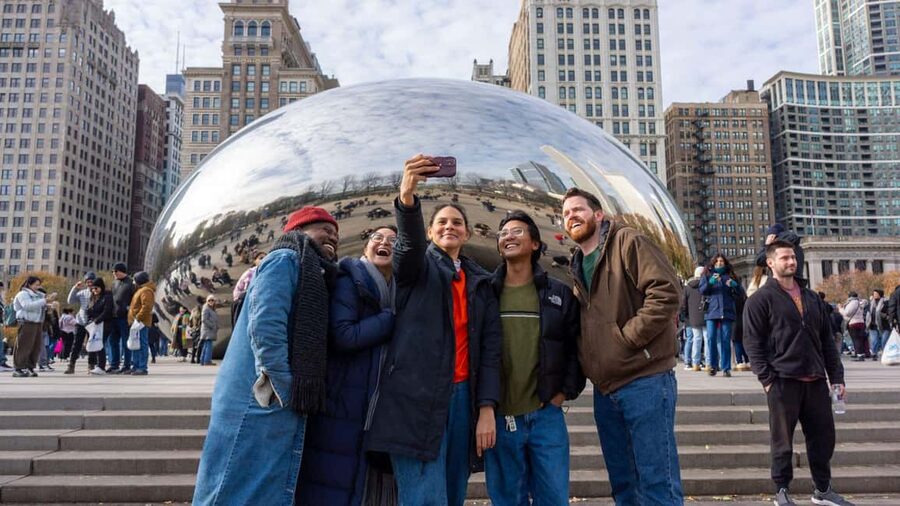
Millennium Park is the heart stop in the best way. In warmer weather, you spend more time here. In winter or rain, you split your time so you can still enjoy the park’s highlights without freezing through the whole visit.
Inside Millennium Park, the featured “do it with your senses” stop is Crown Fountain. The tour explains the idea behind it, but the real point is interaction: video projections of Chicagoans’ faces cascade with water. It’s whimsical, a little weird in a good way, and it instantly makes the park feel like it belongs to real people, not just tourists.
Practical tip for your photo brain: plan to linger briefly around the fountain even if you’ve already seen pictures. The water movement changes everything, and that means your photos won’t look like the same shot from everyone else.
Great Fire 1871 landmarks: resilience you can see
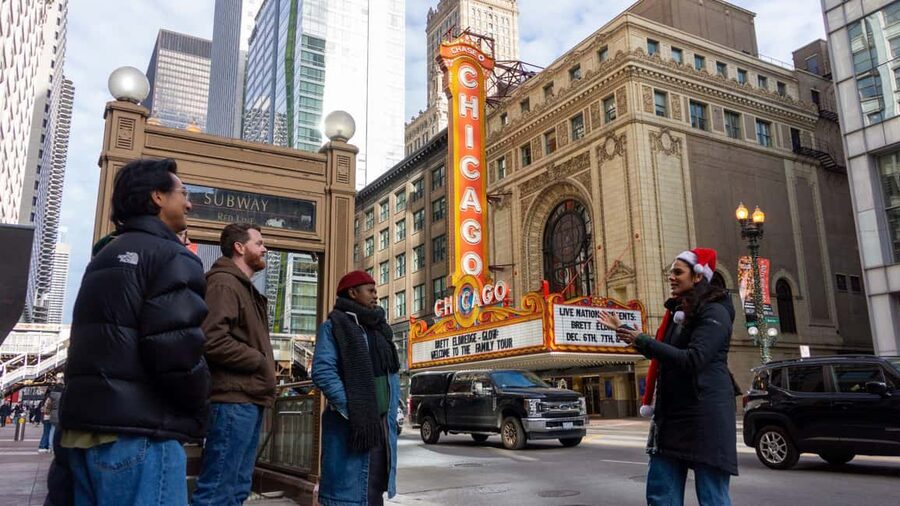
As you move through downtown and approach Millennium Park, you pass landmarks tied to the Great Fire of 1871. The tour connects these buildings to Chicago’s rebuilding and innovation—basically, how a city that was forced to start over ended up changing the future of construction.
This is useful because it turns a scary historic event into something you can actually read in the built environment. Instead of a date you forget, you get a pattern: Chicago rebuilt with ambition, and that ambition shows up in how the city looks today.
The L and the Loop feel: transit as city design
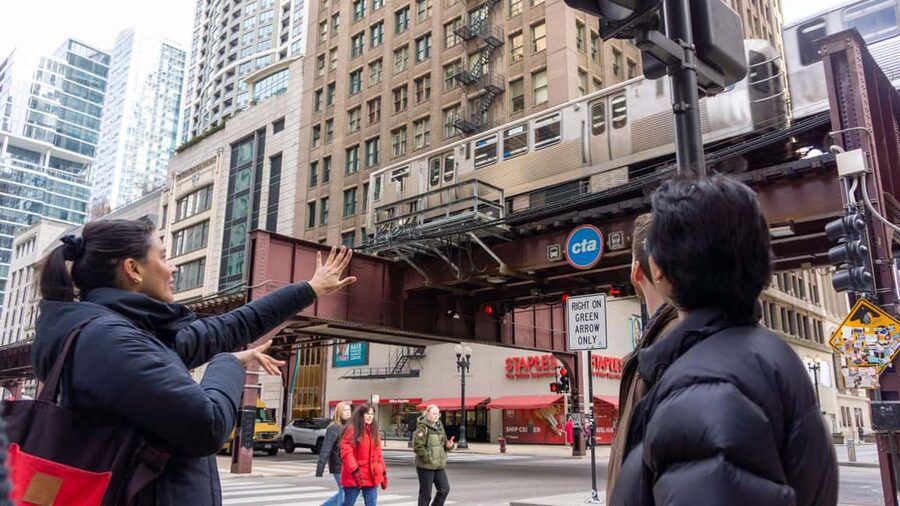
No Loop tour feels complete without a look at The L. The elevated trains aren’t just transportation here; they’re part of how Chicago communicates its pace and identity.
The tour’s explanation helps you notice what’s usually invisible. Once you understand how the Loop earned its name, you’ll start seeing the trains as a planning tool, not just a background feature. It’s a small lesson that makes the city easier to navigate later, especially if you plan to use transit during your stay.
Tiffany-glass art and other small moments that add up
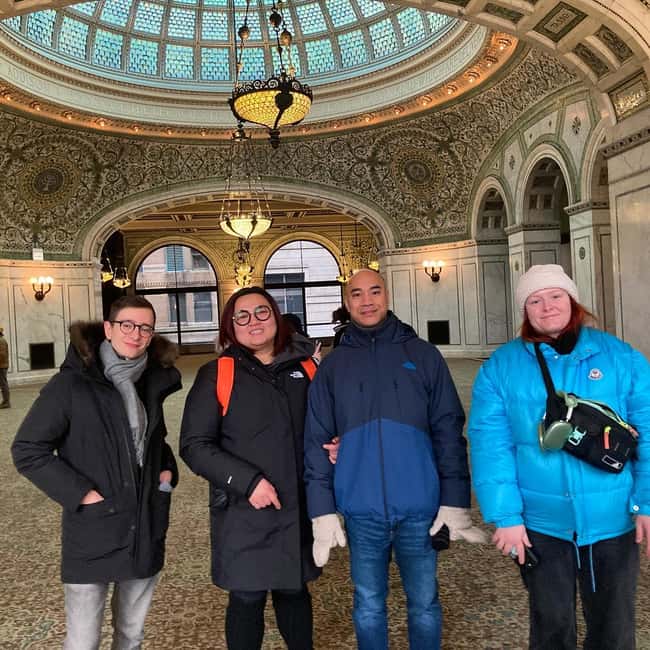
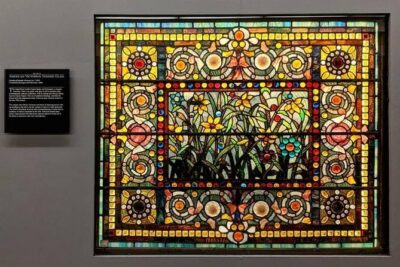
One of the highlights is seeing works made from Tiffany glass—those delicate, colorful pieces that catch light and pull your eyes off the skyline for a second.
Even when you don’t stop for long, this kind of art detail matters on a walking tour. It gives you texture. A skyscraper can wow you, but a small, light-catching piece can make you slow down, notice, and remember the tour in a more personal way.
If you’re the type who wants more than big-ticket photos, these “in between” art moments do a lot of the work.
Route 66 starts here: an unexpected connection to road trips
Next comes a fun detour that still fits the downtown story: the start of Route 66, marked with a sign downtown. It’s a quick stop, but it changes your mental map. Chicago isn’t only about rails and skyscrapers—it’s also tied to the American road-trip imagination.
This also helps the pacing. After Millennium Park and Great Fire context, Route 66 gives you a new angle and a lighter moment before the tour transitions back into art and iconic architecture.
Art Institute stop: why world-class art fits a short route
The tour includes a visit to the Art Institute of Chicago, one of the world-renowned art museums. This is a strong addition because it lets you jump from outdoor public art (sculpture, fountains, skyline) into indoor art collections without changing the theme of the day.
You don’t need to be an art encyclopedia person to enjoy this stop. The point is that the Loop tour isn’t only about the city looking good from the sidewalk. It’s also about learning to value art as part of daily Chicago life—and then seeing major works in a place built for serious viewing.
Ending at Cloud Gate: The Bean reflections and photo strategy
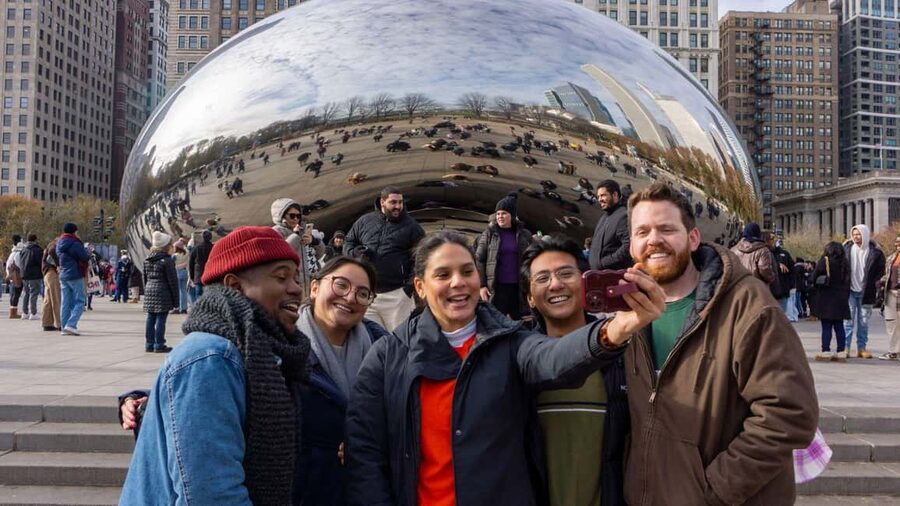
You finish at Cloud Gate, the stainless-steel sculpture affectionately known as The Bean. The biggest reason this ending works: it’s a visual payoff that feels modern and unmistakably Chicago.
And because the sculpture is reflective, it rewards your timing. If you’re there when crowds surge, your view might feel crowded too. Either way, the tour ending gives you a final focus point, and that helps you land the whole downtown loop with one unforgettable object.
Here’s how to make the most of it: give yourself a minute to look around from different angles. The reflections shift with where you stand, and the sculpture’s surface can turn the surrounding skyline into something almost magical.
Price and value: $49 for a 2-hour guided Loop route
At $49 per person for a two-hour walking tour, the value comes from three things that matter on a first visit.
First, you get a structured route that hits multiple signature areas: State Street, Daley Plaza, Millennium Park, and the Art Institute, before landing at Cloud Gate. Second, you’re not stuck outside the whole time when weather is bad. The tour is customizable, with indoor stops to help you keep going. Third, you get a live local guide, which is where most of the real payoff usually lives on city walks.
Also remember gratuity isn’t included, so if this is your main guided activity, it’s worth factoring in a tip. Even with that, two hours with a guide who keeps the pacing tight is often a better deal than trying to figure out the same highlights solo—especially when you want context, not just photos.
Who this tour fits best (and who might want a different plan)
This is a great choice if you want a concentrated downtown day without spending hours plotting. It works especially well for:
- First-time visitors who want the Loop basics plus modern art stops
- People who like architecture and want it explained in plain language
- Anyone visiting in winter or on a rainy day, since you’ll shift time indoors
If you’re the type who prefers very long museum time, you might find the Art Institute stop brief for your taste. In that case, treat this as the “Loop highlights with context” route, then add a separate museum visit later when you can slow down.
Should you book this Chicago Loop Art, Skyscrapers, and Millennium Park tour?
If you want a guided walk that ties together skyline views, public art, and a few indoor moments—this is a strong yes. The tour’s biggest strength is the way it balances big visual targets with story-driven stops, so you come away feeling like you understood what you saw, not just that you passed it.
I’d book it if:
- you want an easy-to-follow downtown route in just 2 hours
- you’re visiting in cold or rainy weather and still want art and architecture
- you like guides who tell real Chicago stories with energy and a sense of humor
Skip it if:
- you’re chasing deep museum time or a long, no-stops wandering day
- you prefer completely self-guided exploring with zero explanation
FAQ
How long is the Chicago Loop tour?
The tour lasts 2 hours.
Where do I meet the guide?
Meet your guide in front of the Chicago Theatre at 175 N. State St., at the corner of State and Lake.
What is the price per person?
The price is $49 per person.
Does the tour adjust for weather?
Yes. The tour is customizable to Chicago weather, and when it’s cold or rainy you’ll go to some indoor stops.
What major sights are included?
You’ll see stops that include Marshall Field’s (now Macy’s on State Street), The Picasso in Daley Plaza, Millennium Park (including Crown Fountain), The L, the Route 66 start sign, the Art Institute of Chicago, and Cloud Gate (The Bean).
Is a guide provided and in what language?
Yes. You get a professional tour guide with live commentary from a Chicago local, and the tour is in English.
Do I need to pay a tip separately?
Gratuity is not included.
Chicago, Read from the Sidewalk
- Chicago in a Day: Food, History & Architecture Walking Tour★ 5.0 · 1,153 reviews
- Chicago’s Secret Interiors Architectural Walking Tour★ 5.0 · 635 reviews
- Chicago: Secret Interiors Architecture Walking Tour★ 4.9 · 498 reviews
- Chicago Architecture Tour: Underground Pedway and the Loop★ 5.0 · 388 reviews
- Chicago Walking Tour: Art Deco Skyscrapers Loop★ 5.0 · 138 reviews
Looping the Loop
- Chicago Loop District Food Tour with Deep Dish & Beef Sandwich★ 5.0 · 870 reviews
- Chicago Architecture Tour: Underground Pedway and the Loop★ 5.0 · 388 reviews
- Chicago: Underground Pedway & Downtown Secrets Walking Tour★ 4.7 · 268 reviews
- Chicago Walking Tour: Art Deco Skyscrapers Loop★ 5.0 · 138 reviews
- Chicago Loop Walking Tour★ 5.0 · 54 reviews
Meet You at the Bean
- Chicago Photo Walk to Bean and Landmarks★ 5.0 · 31 reviews
- Candle Making Experience Near Museums & Millennium Park★ 5.0 · 7 reviews
- Chicago: Downtown Loop & Millennium Park 2 Hour Walking Tour★ 5.0 · 5 reviews
- Chicago Millennium Park Self-Guided Walking Tour★ 4.5 · 5 reviews
- Chicago Foods Tour with The Loop, Skyline, Millennium Park★ 5.0 · 4 reviews
The Ink Is Still Wet on These Chicago Reviews




Architecture Walking Tours, compared.
 ★ 5.0Chicago in a Day: Food, History & Architecture Walking TourFrom $1001,153 reviews
 ★ 5.0Chicago’s Secret Interiors Architectural Walking TourFrom $35635 reviews
 ★ 4.9Secret Interiors Architecture Walking TourFrom $35498 reviews
 ★ 5.0Chicago Architecture Tour: Underground Pedway and the LoopFrom $35388 reviews
 ★ 5.0Chicago Walking Tour: Art Deco Skyscrapers LoopFrom $35138 reviews
 ★ 4.0Frank Lloyd Wright Robie House Admission130 reviews
 ★ 5.0Chicago Architecture Walking Tour: Incredible Art Deco InteriorsFrom $3585 reviews
 ★ 5.0Chicago Walking Tour: Historic SkyscrapersFrom $3567 reviews
Browse the lists this tour appears in