
REVIEW · ARCHITECTURE WALKING TOURS
Chicago Architecture Tour: Underground Pedway and the Loop
Chicago has a secret underground world. This tour strings together some of downtown’s most surprising architecture through the Pedway and the Loop—mostly on foot, mostly indoors, and timed for a smooth 2-hour hit of design and local know-how.
Two things I really liked: the small group size keeps things personal, so you’re not stuck in the back listening from afar. And the best part is the way you get an insider view of downtown movement and building details—guides like Heath and Adam bring serious energy to the stories. One thing to consider: this is not a sit-down tour. There are tunnels and stairs, so plan for moderate walking and a bit of climbing even when you’re staying underground.
In This Review
- Key Highlights You’ll Care About
- Chicago’s Underground Pedway: Why This Tour Feels Different
- Price and Timing: Getting the Best Value From $35
- Meeting at LaSalle and Ending Near Millennium Park
- Pedway Stop 1: City Hall Connections and the Real Chicago Layout
- Picasso and the Way the Tour Uses Art as a Route Marker
- Macy’s on State Street: What Changes on Weekdays vs Weekends
- Chicago Cultural Center on Weekends: A Classic Exterior, Accessible Interior
- Block 37: Big Commercial Complex Energy, Pedway Convenience
- The Surprise Finish North of Millennium Park
- Who This Tour Suits Best (and Who Might Want Something Else)
- Quick Tips for a Smooth Underground Walk
- Should You Book the Pedway and Loop Architecture Tour?
- FAQ
- What is the duration of the Chicago Architecture Tour: Underground Pedway and the Loop?
- How much does it cost?
- What’s included in the price?
- How many people are in the group?
- Is the tour offered in English?
- Does the tour run in bad weather?
- Is the tour mostly indoors?
- Where do I meet, and where does the tour end?
- Can I get a refund if I cancel?
Key Highlights You’ll Care About
- Small-group feel (max 15): more questions, more attention, easier pacing.
- Mostly indoors, all weather: a great plan when Chicago turns into an icebox.
- Architecture + city navigation: you learn routes you can actually use later.
- Real stops tied to downtown landmarks: City Hall areas, Picasso, Macy’s/Marshall Field’s zones, and Block 37.
- Guide energy matters: names like Kaylee, Hillary, and Jessica show up in the kind of tours people love.
- Weekday vs weekend interiors: some building access changes depending on the day.
Chicago’s Underground Pedway: Why This Tour Feels Different
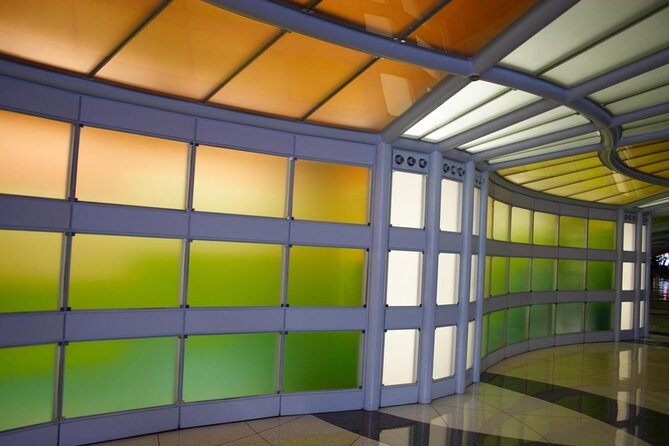
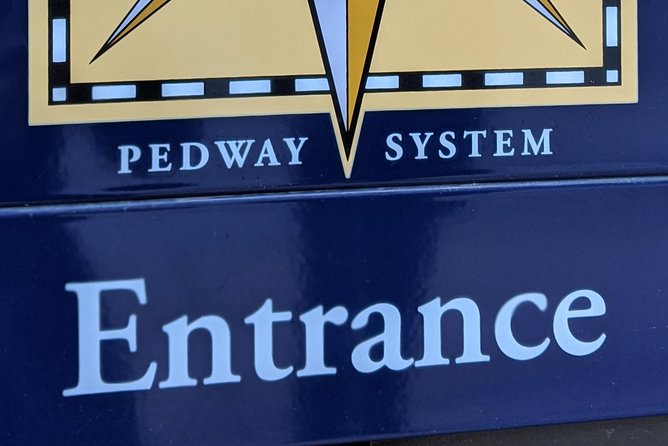
The Pedway is the kind of Chicago feature that sounds niche until you actually see how it connects parts of the Loop. What makes this tour fun is that it treats the underground network as part of the city’s design language, not just a weather shelter. You’re walking through real building connections—tunnels, stairs, and access points—that explain how downtown works when the sidewalks are packed or the weather is rough.
I like that the tone isn’t stuffy. You get architecture context, but you also get practical city sense—like how signage and pathways help you find your way. On cold days, that matters. One reason people book this for winter trips is simple: you can keep moving without freezing your way block to block.
The tour also leans into Chicago’s personality. The guides bring stories and energy, and some of the most memorable names you’ll hear include Heath (the Pedway Czar), Kaylee, Adam, Hillary, Henry, Colleen, Jessica, and Jess. If you want a city tour where the guide clearly cares about Chicago, you’ll likely click with the vibe.
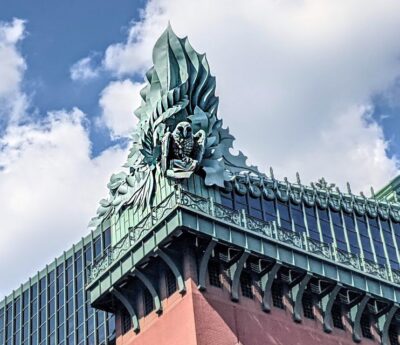
The Loop above ground and below it


Price and Timing: Getting the Best Value From $35
At $35 per person for about 2 hours, this lands in that sweet spot between “worth it” and “not too long.” The main value isn’t just the sights—it’s the way the Pedway knowledge helps you move through downtown later. Several people love the feeling of learning shortcuts and practical routes they didn’t know existed, which turns the tour into something you can reuse.
You’ll also appreciate what’s included on key stops. Admission is included for the Chicago Pedway portion and for Block 37. Other parts of the route—like the Picasso and the areas tied to Macy’s on State Street—are listed as ticket-free. So your money goes to the guiding and access where it’s most useful.
Small-group also helps the value. With a maximum of 15 travelers, it’s easier for your guide to stop, point things out, and keep everyone together. And since the tour is often booked around 12 days in advance, I’d plan to reserve early, especially if you’re traveling during peak winter weekends or event-heavy times.
Meeting at LaSalle and Ending Near Millennium Park

You start at 120 N LaSalle St, right in the downtown grid where the Pedway starts making sense. The end point is Aqua, 225 N Columbus Dr, and the tour finishes just north of Millennium Park. That matters because you’re not just walking in circles—you get dropped near a major landmark where it’s easy to continue exploring on your own.
The tour uses a mobile ticket, so you’ll want to keep your phone charged and your confirmation handy. It also runs in all weather conditions. That sounds obvious, but it changes how you pack: you still dress for being outside around the entrances and stair access, but the bulk of the walking is underground.
For transit, the meeting spot is marked as near public transportation. That’s useful if you’re combining this with other Loop plans, like museums, food stops, or architecture walks above ground.
Neck craned in the Loop, more building walks
- Chicago in a Day: Food, History & Architecture Walking Tour
★ 5.0 · 1,153 reviews - Chicago’s Secret Interiors Architectural Walking Tour
★ 5.0 · 635 reviews - Chicago: Secret Interiors Architecture Walking Tour
★ 4.9 · 498 reviews
Pedway Stop 1: City Hall Connections and the Real Chicago Layout
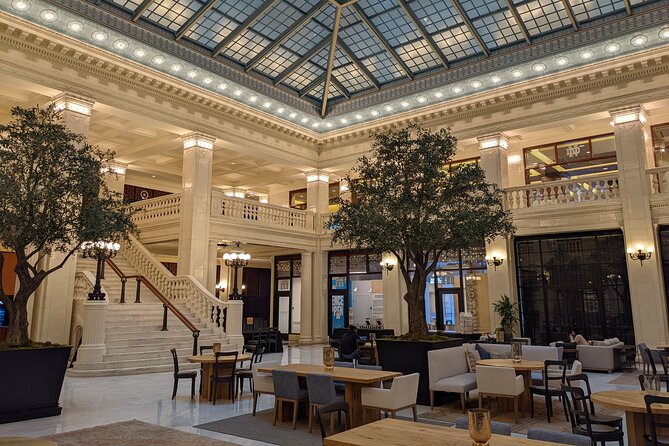
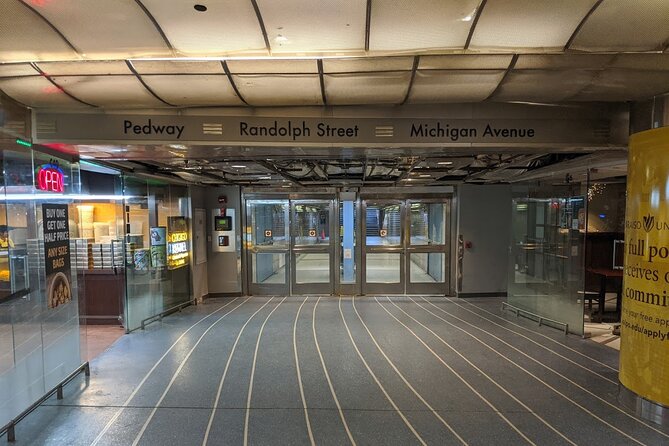
The tour’s first major segment is the Chicago Pedway itself. This is where you learn the core idea: the Pedway isn’t one hallway. It’s a network of tunnels and stairs that link buildings across downtown. The route brings you toward notable downtown spots, including City Hall areas with interior details you might never notice from the street.
What I like about starting here is that it sets your mental map. Once you’ve walked a chunk of the network early on, the later stops make more sense. You start to recognize the rhythm of entrances, the way corridors connect, and how different buildings interact through underground space.
One practical detail: this is where you should be ready for the most walking and stair climbing. Even if you’re comfortable with city pace, underground stairs can feel different than street stairs because you’re moving in enclosed corridors. If your physical comfort level is moderate, plan accordingly and take your time when your guide pauses the group.
Picasso and the Way the Tour Uses Art as a Route Marker
After the initial Pedway walk, you get a close-up view of The Picasso public art piece given to the city of Chicago by Picasso as a gift. This stop is short, but it does a good job of breaking up the underground movement with a visual landmark.
I also like that this art stop is used like a navigation waypoint. Your guide points out context and connection before you head back into the Pedway network. It keeps the tour from feeling like you’re only touring architecture and infrastructure in the abstract—you’re also seeing how art shows up in the downtown experience.
Because the stop is brief, it’s easy to fit into your overall day. You won’t walk away tired. You’ll walk away with a new point of reference for where to find that art when you’re above ground later.
Macy’s on State Street: What Changes on Weekdays vs Weekends
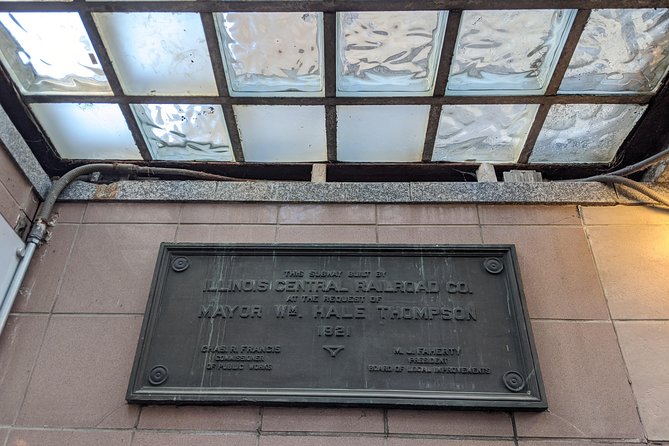
Next is Macy’s on State Street, walking through part of the Pedway under the former Marshall Field’s (now Macy’s). This is one of the stops that shows why timing matters.
these reviews covers Architecture Walking from the Chicago side.
On weekends, you may see additional interior areas. On weekdays, the tour skips that particular interior and chooses a different one. That means your experience can vary depending on what day you’re booking.
From a practical standpoint, this is a win. If you’re in town for a weekday, you still get access to an indoor Pedway route and you still get architectural commentary. If you’re visiting on a weekend, you might get extra interior viewing—so your photos and observations could be richer. Either way, you’re seeing how major retail buildings interact with the Pedway system, which helps you understand downtown as a connected whole rather than separate attractions.
Chicago Cultural Center on Weekends: A Classic Exterior, Accessible Interior
The Chicago Cultural Center comes in as a weekend-focused interior stop. It’s near Millennium Park, and the tour listing specifies that on weekend offerings you’ll see the interior of this beautiful 19th-century building.
Even if you’ve walked past it before, interior access is the difference between seeing a postcard facade and seeing a place designed for public experience. If you’re booking a weekend tour, this is one reason it may be more appealing—you get that bonus interior time without needing extra tickets.
If you’re booking a weekday tour, you may not see the Cultural Center interior on this route. The schedule is structured to swap what you do see, so you’ll still get Pedway movement and architecture focus—but you should think of the Cultural Center interior as a weekend perk.
Block 37: Big Commercial Complex Energy, Pedway Convenience
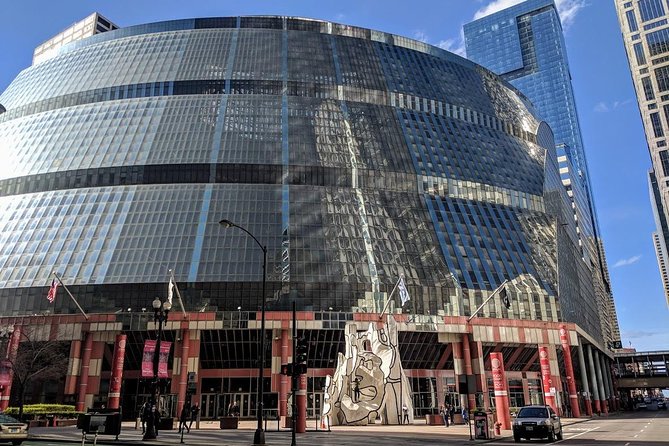
Block 37 is the tour’s final ticket-included segment, and it’s a good one to end on if you want a sense of downtown scale. You’ll access it via the Pedway and check out a few favorite spots inside the complex.
What makes this stop valuable is how it shows the Pedway at work in a major commercial environment. It’s easy to imagine the underground network only as a shortcut during bad weather, but Block 37 helps you see it as part of the daily rhythm of shopping, meetings, and downtown life.
Like the earlier stops, this is short on the schedule. But because it’s inside a major complex, it tends to leave you with a stronger sense of how downtown spaces are layered—streets above, corridors below, and connections in between.
The Surprise Finish North of Millennium Park
The tour keeps the rest of the route a secret. That’s not just marketing—an unknown segment can actually keep the experience lively because you’re not mentally ticking off a fixed list of stops. You stay in the moment and let the guide’s pacing carry you.
Since the tour ends just north of Millennium Park, you can plan your next steps easily. After underground walking, it feels good to step back into daylight and re-orient. If you’re pairing this with an above-ground architecture walk, this tour works as a pregame: you’ll understand where things are, and you’ll be less likely to feel lost in the Loop’s grid.
Who This Tour Suits Best (and Who Might Want Something Else)
This tour is a great match for architecture lovers who like practical city context. If you care about how buildings connect, and you want to see the downtown layout without suffering through bad weather, this is the kind of experience that makes Chicago feel more navigable.
It also suits families and visitors who want an indoor-friendly plan. People mention young teens enjoying the guide’s explanations and the fact that the tour isn’t overly strenuous, though there are lots of stairs—so the biggest limiting factor is comfort with walking and stair use, not difficulty of interpretation.
Where it may not fit is if you dislike enclosed spaces, or if stairs are a hard stop for you. The tour lists moderate physical fitness as the baseline, which is your cue to bring the right expectations. You’ll be moving through tunnels and stair access points as part of the Pedway network.
Quick Tips for a Smooth Underground Walk
A few things can make this tour go from good to easy.
Wear shoes you trust on stairs and indoor floors. Even if the pace stays friendly, you’ll be walking longer underground than you might expect.
Dress for weather, but also for layers. You’ll likely be outside briefly and then moving indoors for much of the route.
Bring curiosity. The guides are a big part of the experience—some guides are famous for the way they bring facts to life with fun stories, and names like Kaylee, Heath, and Adam show up often in the kind of energy people love.
And don’t be shy about asking questions. With a maximum of 15, you’re not fighting for attention. Ask about what you’re seeing, and you’ll get more out of each stop.
Should You Book the Pedway and Loop Architecture Tour?
I’d book it if you want a smart, weather-friendly Chicago plan that gives you both architecture context and real navigation value. The combo of small group pacing, mostly indoor route, and stops tied to downtown landmarks makes it a strong first-timer experience, and it can even feel fresh if you’ve been to Chicago before.
Skip it or consider another option if stairs are a dealbreaker for you, or if you prefer to spend your time entirely above ground. Otherwise, this is exactly the kind of tour that makes Chicago feel like a city you can actually learn—not just see.
FAQ
What is the duration of the Chicago Architecture Tour: Underground Pedway and the Loop?
The tour runs about 2 hours.
How much does it cost?
It costs $35.00 per person.
What’s included in the price?
You’ll get a local guide. Admission is included for the Chicago Pedway stop and for Block 37, while other listed stops are marked as free.
How many people are in the group?
The tour has a maximum of 15 travelers.
Is the tour offered in English?
Yes, the tour is offered in English.
Does the tour run in bad weather?
Yes, it operates in all weather conditions. You should dress appropriately.
Is the tour mostly indoors?
It focuses on the Underground Pedway network in downtown, and the route includes opportunities to see interior spaces depending on whether you’re on a weekend or weekday.
Where do I meet, and where does the tour end?
Meet at 120 N LaSalle St, Chicago, IL 60602, and the tour ends at Aqua, 225 N Columbus Dr, Chicago, IL 60601, just north of Millennium Park.
Can I get a refund if I cancel?
Yes. Free cancellation is available up to 24 hours in advance for a full refund. If you cancel less than 24 hours before the start time, the amount paid is not refunded.
The Wider Chicago Shortlist
- Chicago Architecture River Cruise★ 5.0 · 15,756 reviews
- Chicago River 90-Minute Architecture Tour★ 4.5 · 9,629 reviews
- Chicago River: 1.5-Hour Guided Architecture Cruise★ 4.8 · 8,046 reviews
- Chicago: Gangsters and Ghosts Walking Tour★ 5.0 · 7,155 reviews
- Chicago Architecture Center River Cruise aboard First Lady★ 5.0 · 5,536 reviews
Chicago, Read from the Sidewalk
- Chicago in a Day: Food, History & Architecture Walking Tour★ 5.0 · 1,153 reviews
- Chicago’s Secret Interiors Architectural Walking Tour★ 5.0 · 635 reviews
- Chicago: Secret Interiors Architecture Walking Tour★ 4.9 · 498 reviews
- Chicago Walking Tour: Art Deco Skyscrapers Loop★ 5.0 · 138 reviews
- Frank Lloyd Wright Robie House Admission★ 4.0 · 130 reviews
Looping the Loop
- Chicago Loop District Food Tour with Deep Dish & Beef Sandwich★ 5.0 · 870 reviews
- Chicago: Underground Pedway & Downtown Secrets Walking Tour★ 4.7 · 268 reviews
- Chicago Walking Tour: Art Deco Skyscrapers Loop★ 5.0 · 138 reviews
- Chicago Loop Walking Tour★ 5.0 · 54 reviews
- Holiday Walking Tour: Underground Chicago via the Pedway★ 5.0 · 27 reviews
The Ink Is Still Wet on These Chicago Reviews




Architecture Walking Tours, compared.
 ★ 5.0Chicago in a Day: Food, History & Architecture Walking TourFrom $1001,153 reviews
 ★ 5.0Chicago’s Secret Interiors Architectural Walking TourFrom $35635 reviews
 ★ 4.9Secret Interiors Architecture Walking TourFrom $35498 reviews
 ★ 5.0Chicago Walking Tour: Art Deco Skyscrapers LoopFrom $35138 reviews
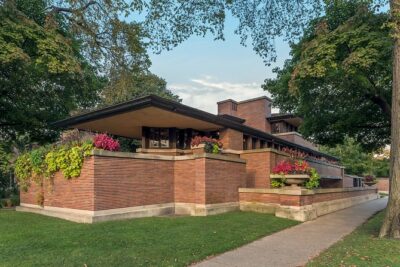 ★ 4.0Frank Lloyd Wright Robie House Admission130 reviews
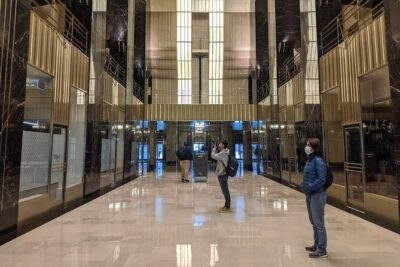 ★ 5.0Chicago Architecture Walking Tour: Incredible Art Deco InteriorsFrom $3585 reviews
 ★ 5.0Chicago Walking Tour: Historic SkyscrapersFrom $3567 reviews
 ★ 5.0Chicago City Tour: Elevated Architecture Tour with Train Ticket IncludedFrom $4165 reviews
Browse the lists this tour appears in