
REVIEW · ARCHITECTURE WALKING TOURS
Chicago: Secret Interiors Architecture Walking Tour
Chicago’s Loop has secrets in plain sight. This walking tour guides you into the kind of interiors most people never notice. I like how the route mixes iconic landmarks with less-obvious design clues, and I really like the focus on how lighting and structural choices shaped what you see.
One thing to plan for: much of the time is spent outdoors, and several stops involve entering buildings with stairs. Bundle up for cold weather and watch your footing.
In This Review
- Key moments that make this tour worth your time
- Union Station Start: Great Hall rendezvous under Clinton Street
- How the tour tells Chicago’s architecture story in 2 hours
- South La Salle Street: the photo stop that sets up what you’ll notice next
- Rookery Building interiors: classic design with a Sunday backup
- Field Building and Marquette Building: big-business architecture up close
- Palmer House to Chicago Cultural Center: where luxury and public art meet
- Marshall Field and Company Building: finishing with a statement
- Pace, weather, and walking stamina: the real planning checklist
- Price and value at $35: what you’re really paying for
- Who should book this secret interiors Loop tour
- Should you book? My decision guide
- FAQ
- Where does the tour meet?
- How long is the tour?
- How much does it cost?
- Is the tour wheelchair accessible?
- What should I bring?
- Is the Rookery Building included on Sundays?
- Can I get a refund if my plans change?
Key moments that make this tour worth your time
- Union Station start in the Great Hall, under the Clinton Street sign, so you get your bearings fast
- Secret-interior focus on domes, mosaics, and craftsmanship inside famous downtown buildings
- Design-by-engineering stories, especially how daylighting and structure were solved on big-city timelines
- A tight Loop route with photo stops plus short visits inside multiple major buildings
- Guide energy matters, and names like Grant, Talia, Angel, Annie, and Matthew show up repeatedly in the high ratings
- Sunday note for the Rookery, where the tour includes an alternative interior stop
Union Station Start: Great Hall rendezvous under Clinton Street
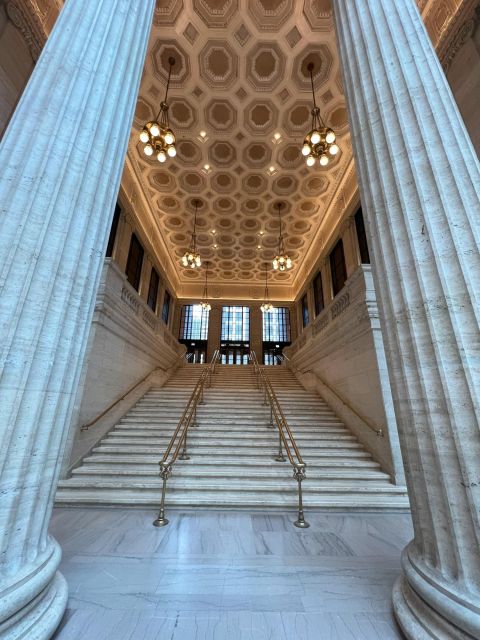
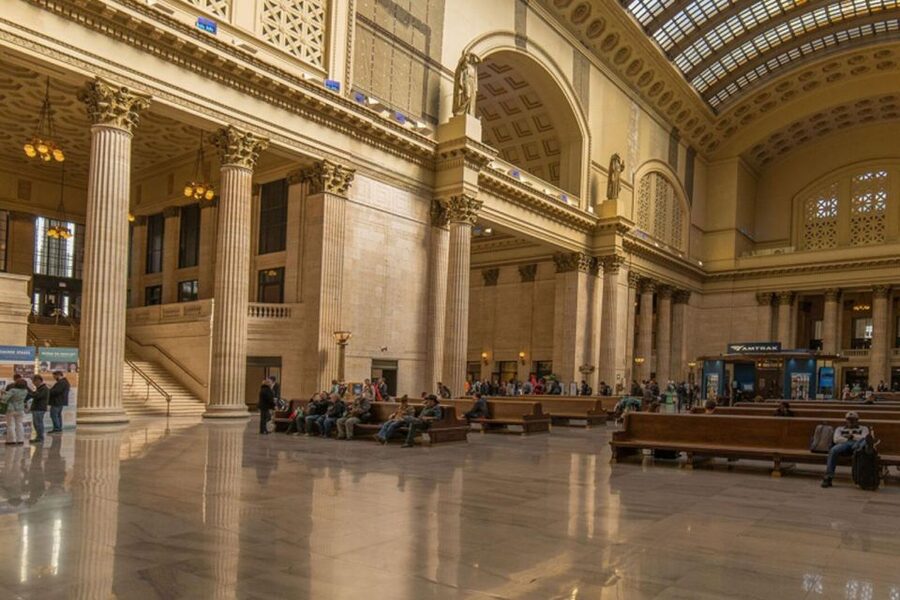
I love an architecture tour that begins somewhere you can find without stress, and this one does that. You meet in Union Station’s Great Hall, right under the Clinton Street sign. It’s a smart launch point because Union Station feels like a landmark of its own, and it puts you in the thick of the downtown core quickly.
From there, you’re in walking mode for the Chicago Loop, with a guided flow that keeps the story moving. You’ll get orientation for what to look for as the buildings come closer—things like how entrances are composed, how lobbies guide you, and how materials are treated so they look intentional, not accidental.
If you’re using public transit, this is an easy way to start. If you’re driving, it’s still workable, but you’ll want to plan your parking like a local—once you commit to a walk-heavy route, time adds up fast.
Neck craned in the Loop, more building walks
How the tour tells Chicago’s architecture story in 2 hours
This isn’t a sit-and-stare lecture. It’s built around quick reveals: you see an exterior, then you move into an interior moment where the details make sense. The tour’s theme is clear—Chicago became the architectural icon it is today because of the mix of ambition and real technical problem-solving.
What I like is the balance between art and engineering. You’re not only pointed toward decorative features. You’re also shown how architects and engineers dealt with illumination and structural integrity—the kind of behind-the-scenes thinking that explains why a building feels the way it does. That matters because you start recognizing patterns: how natural light is shaped, how open space is organized, and how structural decisions affect the visual rhythm of a lobby or hall.
You also get human context. The tour places Chicago’s building boom into the eras people associate with big money and big personalities—the Gilded Age and Roaring Twenties—including industrial magnates, infamous figures, and celebrated personalities who moved through these corridors. Even if you’re not a hardcore history person, that framing makes the architecture feel like it had a purpose beyond looking impressive on postcards.
South La Salle Street: the photo stop that sets up what you’ll notice next
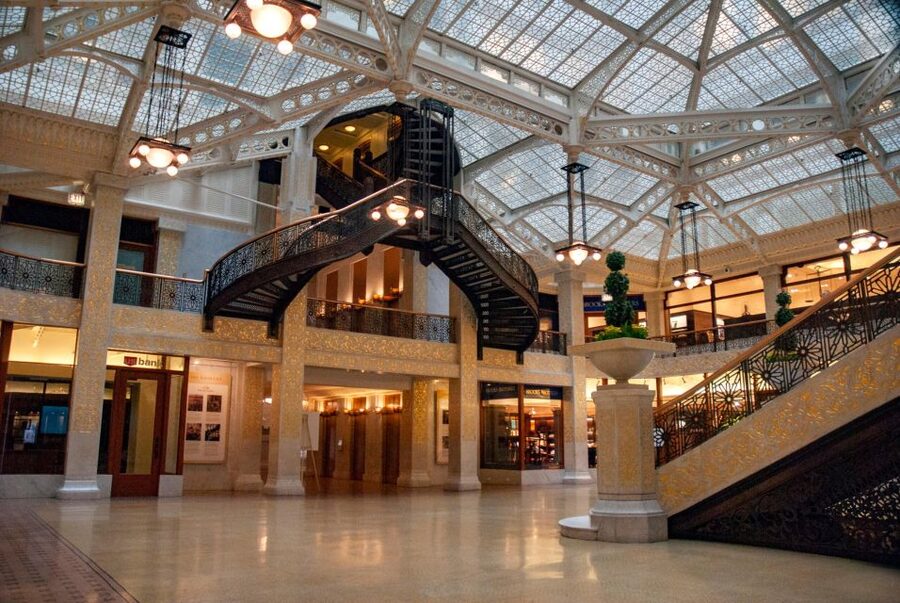
The walk takes you to South La Salle Street for a photo stop and a short guided orientation. This is a useful moment because it teaches your eyes how to read what you’re about to see. Instead of rushing straight to the first interior, you get a chance to line up views and spot design cues from street level—proportions, repetition, and the way façades advertise status.
The itinerary includes time for sightseeing here, plus a guided explanation. That’s helpful because street views are where you can see building clusters and how downtown turns architecture into a daily visual experience. If you’re the type who likes to understand how a city is put together, this stop helps you connect the dots.
Tip for you: take a few steps back and then forward before you start shooting photos. A lot of the “secret” comes from small shifts in perspective—what looks like a decorative pattern from one angle becomes layout and purpose from another.
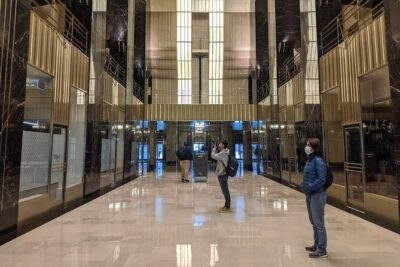
More marble lobbies and brass elevator doors
- Original Chicago Architecture Interiors Tour: Dazzling Interiors
★ 5.0 · 1,489 reviews - Chicago: Treasures of the Golden Age Walking Tour
★ 4.8 · 206 reviews - Chicago Architecture Walking Tour: Incredible Art Deco Interiors
★ 5.0 · 85 reviews
Rookery Building interiors: classic design with a Sunday backup
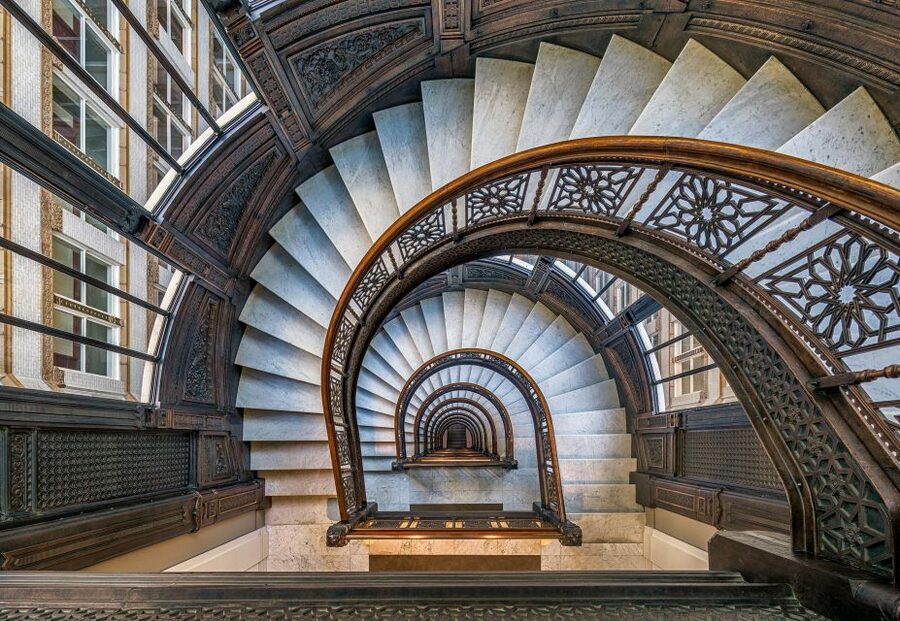
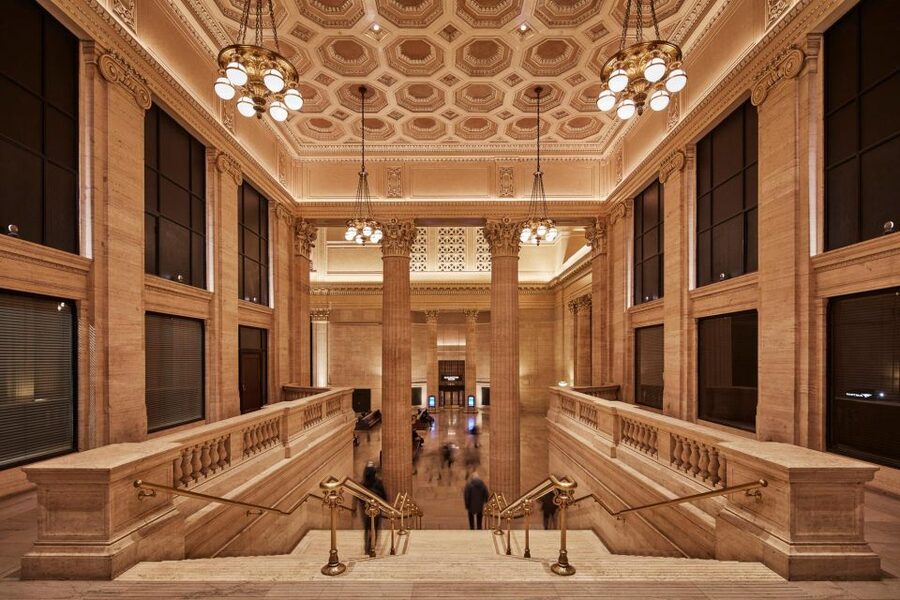
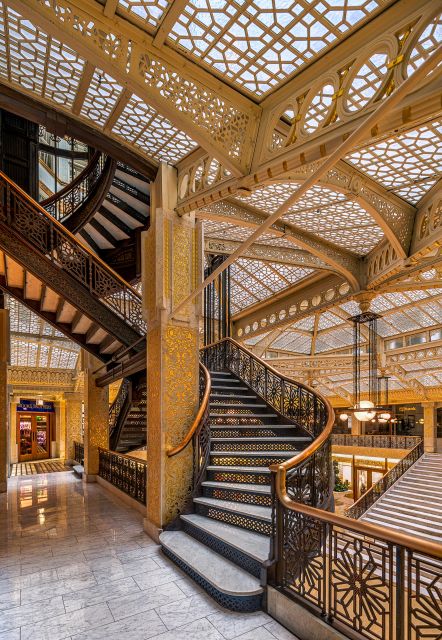
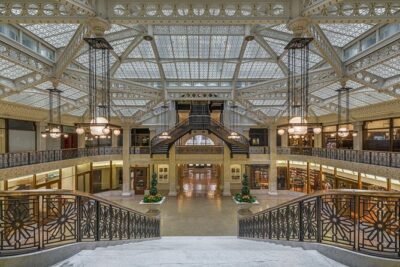
Next is the Rookery Building, with time for a photo stop and an interior visit. This is one of the tour’s centerpiece moments because the emphasis is on interior artistry—things like domes, shimmering mosaic-like effects, and elaborate craftsmanship that you’d miss if you only walked by from the sidewalk.
The tour also uses this stop to connect the dots between what you see and how it’s engineered. When you hear the explanation for lighting and structure here, the details start making sense as choices, not ornament.
Practical note that affects your planning: the Rookery is closed on Sundays, so the tour includes an alternative stop instead. If you’re booking for a Sunday, don’t assume the exact same interior will be available—just know the operator plans a substitute visit so the architecture focus stays intact.
Also, if you’re walking in winter, treat the Rookery time as a morale boost. Interior stops are warmer, and the contrasts between outdoor brightness and interior light make the discussion on illumination more real.
Field Building and Marquette Building: big-business architecture up close
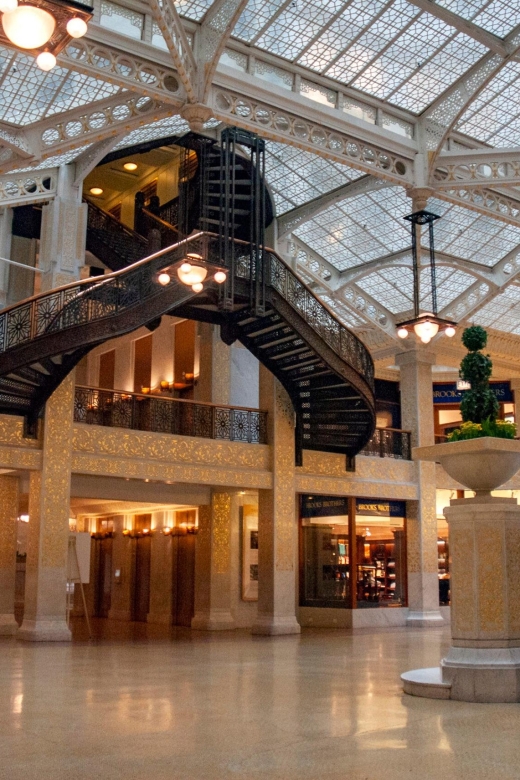
After the Rookery, you’ll hit two more major interiors: the Field Building and the Marquette Building. Each includes photo stops and guided visits.
This is where the tour starts to feel like a guided version of wandering with purpose. You’re not just looking at “cool buildings.” You’re learning why these buildings matter in Chicago’s evolution—especially the shift toward pioneering skyscrapers and the styles that followed as Chicago kept changing.
Because you move building to building in a short window, you can compare quickly. That comparison is one of the best values here. You’ll notice things like:
- how different designers handle entry transitions
- how interiors balance openness and structure
- how decorative elements reinforce the building’s identity
A mild caution: one of the guide factors you’ll feel is pace. A fast pace is common on city walks, and several indoor transitions may involve stairs. If stairs are an issue for you, wear shoes with good grip and plan to take short pauses when the group stops.
Palmer House to Chicago Cultural Center: where luxury and public art meet
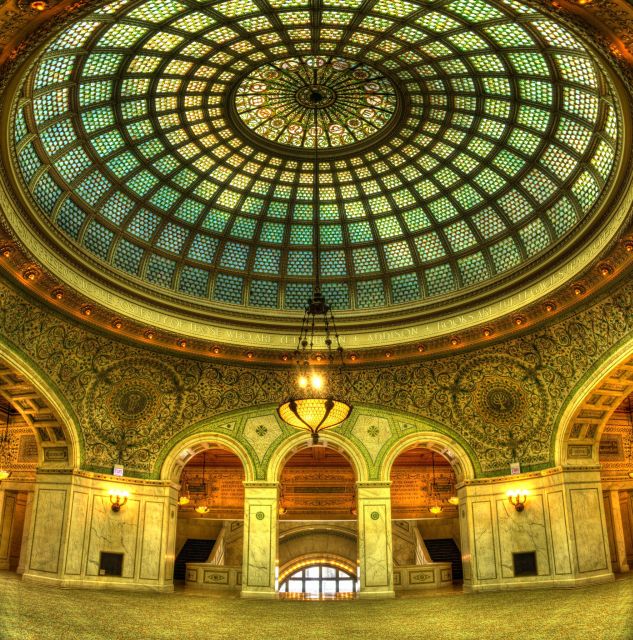
The tour moves to the Palmer House a Hilton Hotel next. Expect another photo stop and a guided interior visit. Hotels like this aren’t just places to stay; they’re designed to impress, and the architecture often shows up in ceilingwork, entrances, and the way spaces flow for visitors.
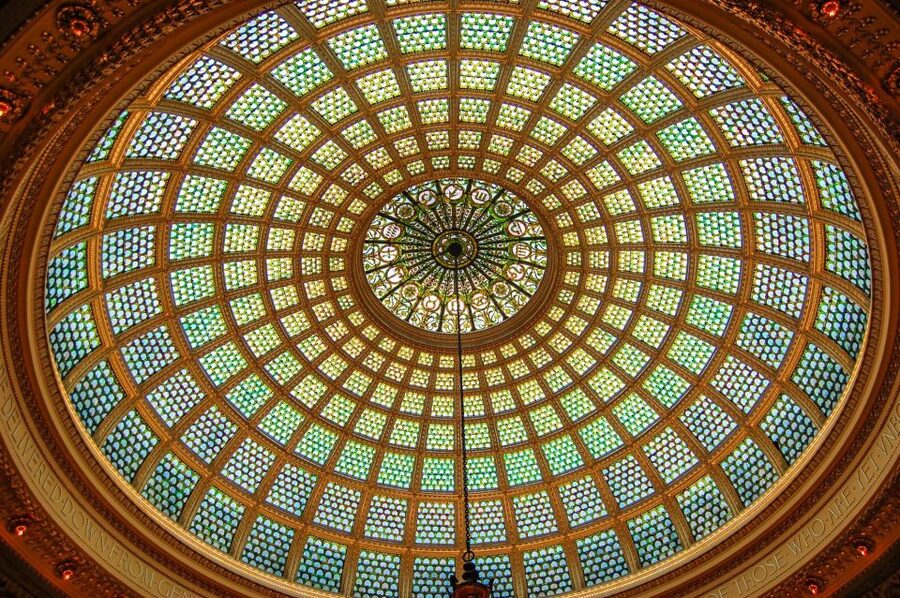
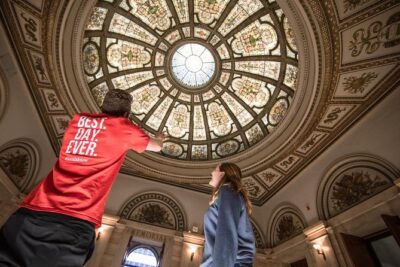
Then you head to the Chicago Cultural Center, another interior-focused stop with sightseeing and guided commentary. This is a nice pivot point because it shifts the vibe from private-luxury to public-facing grandeur. If you like the idea of architecture shaping how people gather and move, Cultural Center energy is a strong match.
What I like about including both of these stops is contrast. You see how similar craftsmanship can serve different functions—one built for travelers and business, the other for civic culture. That difference is one of the easiest ways to understand why Chicago’s buildings influenced global trends: form follows public need as much as it follows style.
Marshall Field and Company Building: finishing with a statement
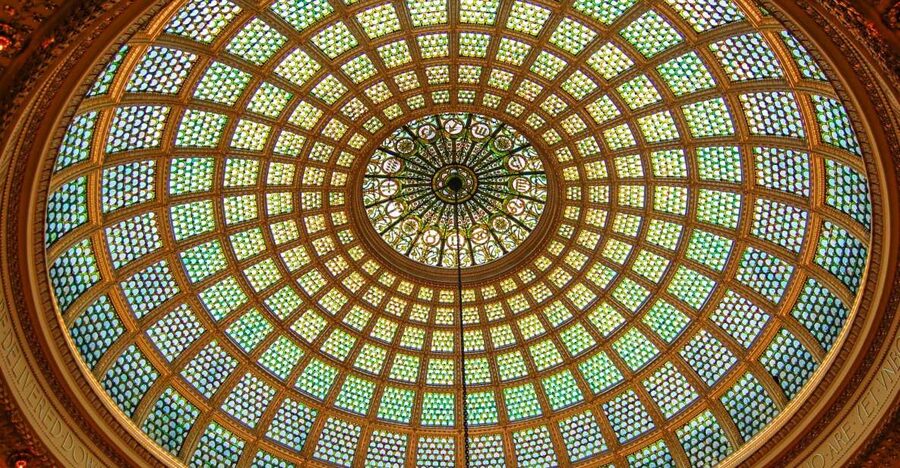
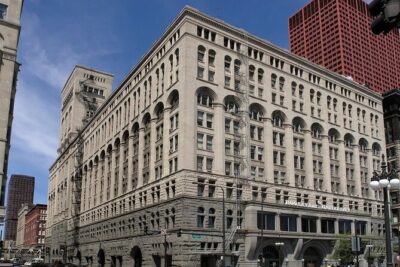
The tour ends at the Marshall Field and Company Building, with a photo stop and guided visit before you finish there.
Ending at a major department store landmark makes sense. You get a strong “why it mattered” finale because retail and public-facing architecture often showcase the grandest interior showmanship. The tour’s storytelling themes—ambition, intrigue, and fame—fit naturally here. It’s not just a building; it’s a symbol of how downtown life presented itself to the world.
If you want a final takeaway to carry with you, this is it: Chicago’s architecture isn’t only about height or skyline shots. It’s also about how interiors welcome people, how materials are used to project confidence, and how engineering choices support the look.
Pace, weather, and walking stamina: the real planning checklist
This is a 2-hour walk, and the structure keeps moving. That’s great if you like action. One review detail stands out for cold-weather planning: about 90% of the tour can be outdoors in winter conditions. So even if the interior moments are frequent, you still need to dress for the sidewalk.
Also, there can be stairs during indoor visits. If you know you’re sensitive to stairs, pack lighter, wear grippy soles, and consider going slowly during transitions.
One more pro tip from the way the tour runs: the schedule is tight enough that your guide’s storytelling timing becomes part of the experience. If you tend to wander on your own, stay close to the group so you don’t miss the interpretive bits that turn a lobby into a lesson.
Price and value at $35: what you’re really paying for
At $35 per person for 2 hours, the value comes from access and context. You’re not only looking at exteriors; you’re getting guided commentary and interior visits in a concentrated Loop route.
This matters in Chicago. Downtown is full of buildings you can see from the street, but the “secret interiors” idea is the reason the tour costs more than a simple walk with a map. Interiors are where craftsmanship becomes tangible—especially when the guide points out features and explains why they’re there.
The tour is also run by Empire Tours & Productions, linked with their Chicago River Boat Architecture Tours. That connection matters because it signals the company’s focus: architecture with a narrative, not architecture as trivia.
If you’re choosing between a boat tour and this walking option, I’d treat it like a pairing decision. A river cruise gives you big-picture angles; this walking tour gives you close-up interior storytelling. Together, they cover different kinds of “wow.”
Who should book this secret interiors Loop tour
Book this if you:
- want architecture explanations that connect design details to why engineers solved real problems
- like seeing multiple famous buildings in a short time without feeling rushed into a museum pace
- enjoy learning how Chicago’s style evolved, from the era of skyscraper breakthroughs to later modernist masterpieces
- want a route that includes both photo stops and short interior visits, so your day has variety
You might skip it if you:
- want a fully indoor tour with minimal walking
- avoid stairs or cold-weather sidewalk time
Should you book? My decision guide
Yes—if you’re excited by the idea of stepping into downtown buildings to see the “why” behind the beauty. For $35 and two hours, you’re buying an efficient Loop route plus guided interior access and engineering-minded storytelling.
If you’re planning around weather or mobility, go in prepared: comfortable shoes, warm layers, and a realistic view that most of the experience takes place outdoors. If you do that, you’ll get a focused, memorable architecture walk that feels like Chicago’s design brain turned on for you.
FAQ
Where does the tour meet?
Meet your guide inside Union Station within the Great Hall, under the Clinton Street sign.
How long is the tour?
The tour lasts 2 hours.
How much does it cost?
It costs $35 per person.
Is the tour wheelchair accessible?
Yes, the tour is listed as wheelchair accessible.
What should I bring?
Bring comfortable shoes.
Is the Rookery Building included on Sundays?
No. The Rookery is closed on Sundays, and the tour includes an alternative stop instead.
Can I get a refund if my plans change?
Yes. You can cancel up to 24 hours in advance for a full refund.
The Wider Chicago Shortlist
- Chicago Architecture River Cruise★ 5.0 · 15,756 reviews
- Chicago River 90-Minute Architecture Tour★ 4.5 · 9,629 reviews
- Chicago River: 1.5-Hour Guided Architecture Cruise★ 4.8 · 8,046 reviews
- Chicago: Gangsters and Ghosts Walking Tour★ 5.0 · 7,155 reviews
- Chicago Architecture Center River Cruise aboard First Lady★ 5.0 · 5,536 reviews
Behind the Revolving Doors
- Original Chicago Architecture Interiors Tour: Dazzling Interiors★ 5.0 · 1,489 reviews
- Chicago’s Secret Interiors Architectural Walking Tour★ 5.0 · 635 reviews
- Chicago: Treasures of the Golden Age Walking Tour★ 4.8 · 206 reviews
- Chicago Walking Tour: Art Deco Skyscrapers Loop★ 5.0 · 138 reviews
- Chicago Architecture Walking Tour: Incredible Art Deco Interiors★ 5.0 · 85 reviews
Chicago, Read from the Sidewalk
- Chicago in a Day: Food, History & Architecture Walking Tour★ 5.0 · 1,153 reviews
- Chicago’s Secret Interiors Architectural Walking Tour★ 5.0 · 635 reviews
- Chicago Architecture Tour: Underground Pedway and the Loop★ 5.0 · 388 reviews
- Chicago Walking Tour: Art Deco Skyscrapers Loop★ 5.0 · 138 reviews
- Frank Lloyd Wright Robie House Admission★ 4.0 · 130 reviews
The Ink Is Still Wet on These Chicago Reviews




Architecture Walking Tours, compared.
 ★ 5.0Chicago in a Day: Food, History & Architecture Walking TourFrom $1001,153 reviews
 ★ 5.0Chicago’s Secret Interiors Architectural Walking TourFrom $35635 reviews
 ★ 5.0Chicago Architecture Tour: Underground Pedway and the LoopFrom $35388 reviews
 ★ 5.0Chicago Walking Tour: Art Deco Skyscrapers LoopFrom $35138 reviews
 ★ 4.0Frank Lloyd Wright Robie House Admission130 reviews
 ★ 5.0Chicago Architecture Walking Tour: Incredible Art Deco InteriorsFrom $3585 reviews
 ★ 5.0Chicago Walking Tour: Historic SkyscrapersFrom $3567 reviews
 ★ 5.0Chicago City Tour: Elevated Architecture Tour with Train Ticket IncludedFrom $4165 reviews
Browse the lists this tour appears in