
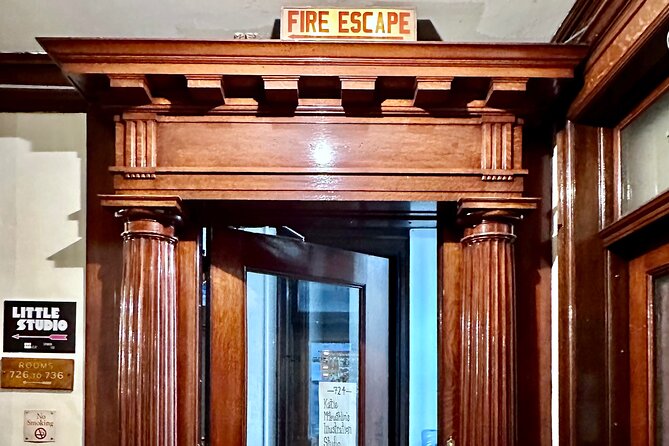
REVIEW · ART DECO & INTERIORS WALKS
Inside Tour of Chicago’s Fine Arts Building
A building like this makes Chicago feel new. The Fine Arts Building is a 125-year-old interior you can walk through like a time capsule, tied to famed architect Solon Spencer Beman and his Pullman connections. You’ll see how artists and other creative trades built their working lives inside one remarkably preserved space.
What I like most is the combo of unchanged hallways since 1898 and the way the tour connects architecture to real people who worked there. I also love the tour’s small group feel (max 10) and the guide’s storytelling, like the chance to ride a manual-operated elevator and pop into special areas such as the Studebaker Theatre.
One thing to plan for: you’ll go up and down in a multi-floor building. If you don’t do stairs well, this tour may feel tiring, and keeping a small group together can be a challenge if someone arrives late.
In This Review
- Key highlights you’ll feel during the tour
- Entering the Fine Arts Building: a Chicago interior that still looks 1890s
- Where the building’s story starts: from a showroom, not a blank canvas
- Solon Spencer Beman and the Pullman design link you’ll actually spot
- What the tour looks like on the inside: 10 floors, studios, and surprise craft stops
- The hallways are the star
- A manual-operated elevator moment
- Maker culture stop: string instruments
- Views you might catch from inside
- Photos on your phone to connect past and present
- Ronnie Frey’s storytelling style: why the tour feels like characters, not facts
- A common pacing note: stairs and keeping the group together
- Price and value at $45: what you’re really paying for
- Who this price works best for
- Timing, meeting point, and getting there without stress
- What to bring so you can enjoy the building comfortably
- Who should book this tour, and who should think twice
- Should you book the Fine Arts Building inside tour?
- FAQ
- How long is the Fine Arts Building inside tour?
- Where does the tour start?
- Is a mobile ticket used?
- What’s the group size limit?
- Is tipping included in the price?
- What fitness level do I need?
- Who operates the tour?
- What if it gets canceled due to weather or too few travelers?
- Can I get a refund if I cancel?
Key highlights you’ll feel during the tour
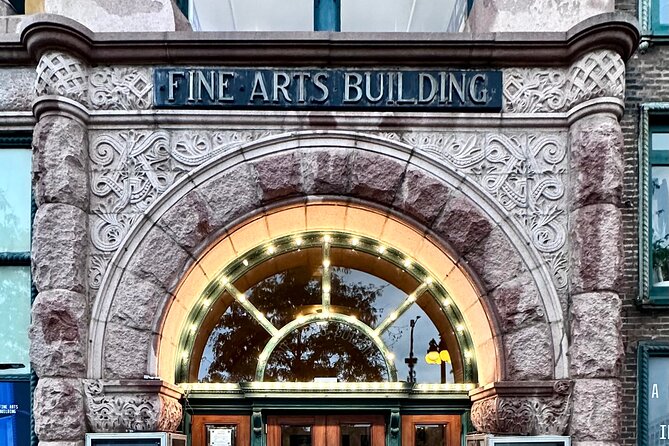
- 1898-era corridors: you’re walking through hallways that have stayed essentially the same for generations.
- Solon Spencer Beman connections: the building’s design ties back to Pullman and the Pullman Palace Car Company.
- Artist studios mixed with other trades: you’ll hear about painters, photographers, music instructors, architects, lawyers, and more.
- Craft surprises: expect specific stops tied to the building’s maker culture, including a stringed instrument workshop.
- Small group access (max 10): you get a more conversational experience instead of a fast museum-style shuffle.
- Hand-on details and photography help: the guide shares extra images via phone links so you can match what you see to the past.
Entering the Fine Arts Building: a Chicago interior that still looks 1890s
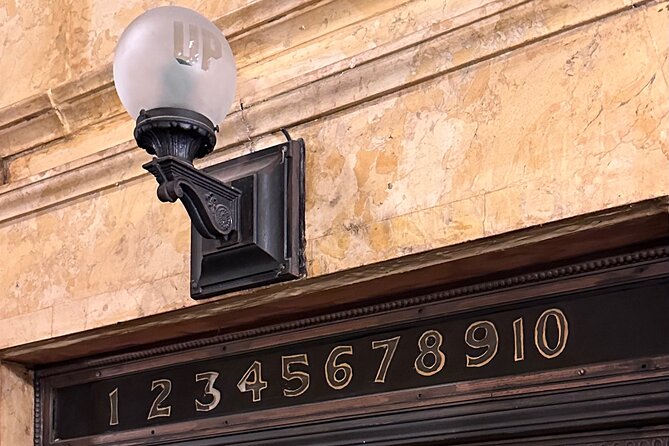
If you only chase Chicago’s famous exteriors, you’re missing half the city’s story. The Fine Arts Building gives you the interior version: a working space that feels preserved, not staged.
This is a 125-year-old architectural setting designed by Solon Spencer Beman (the same architect linked with the town of Pullman and the Pullman Palace Car Company). What makes the building special for a first-time visitor is that you’re not just looking at “old stuff.” You’re moving through floors and hallways that are part of a living layout, with creative tenants historically mixed into one place.
The tour is timed for people who like momentum. It lasts about 1 hour to 1.5 hours, and in that window you’ll get a clear narrative: how the building came to life, who used the spaces, and why Beman’s design still matters today.
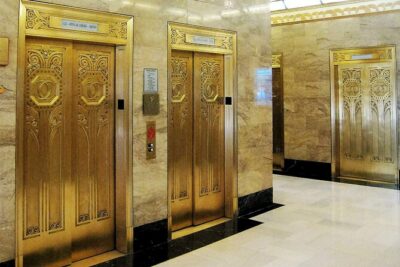
More marble lobbies and brass elevator doors
Where the building’s story starts: from a showroom, not a blank canvas
One of the most interesting threads is how the building’s purpose evolved. The space is tied to the former Studebaker Brothers Carriage Company Showroom, which relocated in 1896. That detail matters because it explains why the interior has a “maker” feel: the building wasn’t built only for art lovers. It grew from real commercial production and then became a home for creative work.
As you walk, you’ll start to notice how the layout supports studios and workrooms, not just display. That’s the big difference between a building you tour and a building you understand.
Solon Spencer Beman and the Pullman design link you’ll actually spot
Beman can sound like a name from a textbook. The tour does a better job than most at connecting him to what you see with your own eyes.
You’ll hear about Beman’s role in shaping Pullman, Illinois, and the Pullman Palace Car Company. Then the guide ties those design ideas back to the Fine Arts Building—so it feels like one chapter of the same architectural world rather than random Chicago trivia.
The practical takeaway for you: this is not just “architecture facts.” It’s a way to train your eye. Once the guide frames the style and planning choices, you’ll likely find yourself looking more carefully at the building’s structure and flow.
And because the tour is inside, you don’t need perfect weather to enjoy it. On days when you’d otherwise be stuck bouncing between indoor museums, this becomes a different kind of shelter: a real working historic interior.
- Chicago Architecture River Cruise
★ 5.0 · 15,756 reviews - Chicago River 90-Minute Architecture Tour
★ 4.5 · 9,629 reviews - Chicago River: 1.5-Hour Guided Architecture Cruise
★ 4.8 · 8,046 reviews
What the tour looks like on the inside: 10 floors, studios, and surprise craft stops
The heart of this experience is the walk through a 10-floor building filled with creative studio history. Expect a mix of spaces and stories rather than one long corridor photo-op.
As you move through hallways and work areas, the tour centers on people and professions that fit the building’s identity: painters, photographers, music instructors, architects, lawyers, stringed instrument makers, and booksellers. That list isn’t just decorative. It explains how the building functioned as a hub where different kinds of creative and professional work could coexist.
The hallways are the star
The building’s continuity is a big part of the appeal. You’ll be walking through hallways that have been remarkably unchanged since 1898. That’s rare in big cities, where interiors usually get renovated into something new.
When hallways look like that, the whole building feels like it has a memory. It changes how you perceive doors, rooms, and the rhythm of stair landings. Even if you’re not an architecture nerd, it’s easy to feel why people fall for the place.
A manual-operated elevator moment
One of the most memorable practical details is the chance to use a manual-operated elevator. It’s the kind of moment that turns “historic building” into a physical experience. You’re not just hearing about a past technology—you’re interacting with it.
If you’re short on time in Chicago and want one moment that feels genuinely different from standard sightseeing, this is one of the best ways to get it.
Maker culture stop: string instruments
The tour also leans into the building’s craft side. In addition to the broader studio history, there’s an unexpected stop connected to a stringed instrument maker. If you like the hands-on side of art and design, this is the segment that often gets people talking after the tour ends.
You also get small glimpses into the building’s “behind the scenes” functioning, not just its public face. That’s one reason the experience feels personal and not like a generic architecture lecture.
Views you might catch from inside
Some of the most fun moments are the in-between ones: the sightlines from inside spaces. There’s at least one viewpoint highlighted during the tour that looks out toward landmarks like the Board of Trade and Willis Tower. It’s a good reminder that even inside a historic building, Chicago’s skyline still follows you around.
Photos on your phone to connect past and present
A clever touch: the guide provides a link to photos you can view on your phone. That helps you match what you’re standing in front of to older images—like what the exterior looked like in earlier days and photos of people connected to the building. It’s a simple tool, but it makes the storytelling easier to keep straight.
Ronnie Frey’s storytelling style: why the tour feels like characters, not facts
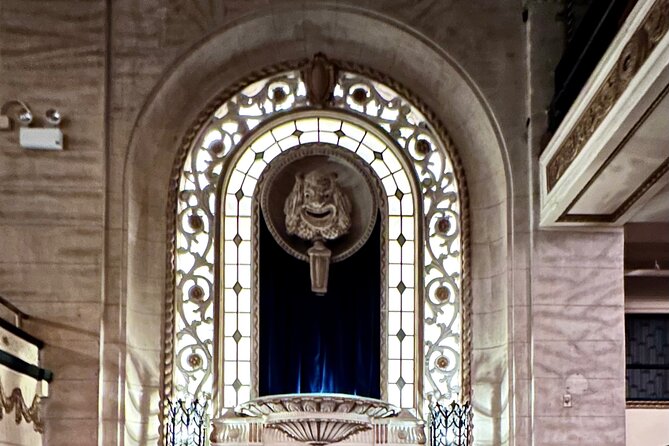
The biggest reason this tour earns repeat praise is the way the guide brings the building’s people to life. Ronnie Frey is repeatedly mentioned for his enthusiasm and engaging narration, and that energy changes the pacing.
Here’s what you can expect from a guide like this:
- clear explanations of why certain spaces matter
- specific stories about former and ongoing tenants
- practical stops that feel earned, not random
It’s also where the building stops being only about “architecture.” You start hearing about real creative life: who worked where, what kinds of work were done, and how the building’s layout supported that culture.
You may also hear names tied to major creative figures—connections that can range from architects to artists who are famous in American cultural history. Even when those connections are only part of a broader story, they help you see the building as part of a larger creative network rather than a local oddity.
A common pacing note: stairs and keeping the group together
The building’s structure means you should expect stairs. Many people find the stair rhythm manageable, but it’s still something to factor in, especially if you’re visiting from a long day of walking.
Also, because the tour group is small, it can get a little fussy if people arrive late and have to be integrated mid-flow. If you want the smoothest experience, show up on time so the group can stay together without delays.
Price and value at $45: what you’re really paying for
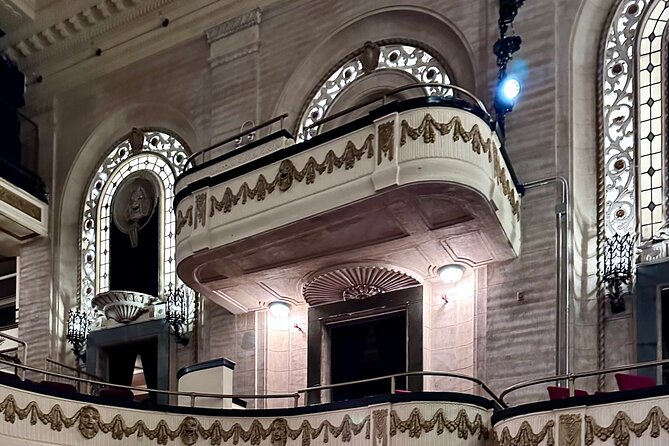
At $45 per person, this is a reasonable price point for an interior architecture-and-arts experience, especially because:
- the group size tops out at 10 travelers
- you’re inside a preserved historic interior rather than seeing it from the street
- the guide focuses on building-specific history tied to Solon Spencer Beman
It’s not a long, full-day tour, so the value is in density. You’ll leave knowing what you looked at and why it matters. If you’re the kind of visitor who hates wandering without context, this style of tour is built for you.
A small budgeting heads-up: tips aren’t included, so plan for that.
Who this price works best for
This is a strong buy if you like:
- architecture history that links to real spaces
- studio life and creative trades
- “I didn’t know Chicago had this” kind of discoveries
It’s less ideal if you mainly want a quick photo tour where you do minimal walking and only see the most famous highlights.
Timing, meeting point, and getting there without stress
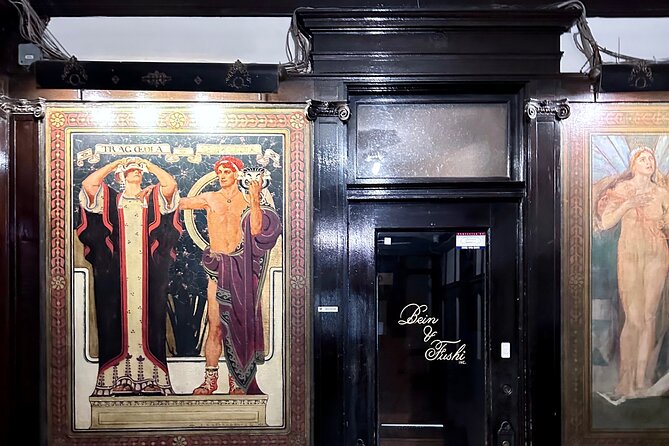
The tour starts at 10:00 am and meets at 410 Michigan Ave, Chicago, IL 60611. It’s described as near public transportation, which is a big deal in downtown Chicago.
Plan for about 1 to 1.5 hours in your schedule. If you’re stacking museum stops, try to buffer your day slightly. This tour can be satisfying, but you’ll want a little breathing room afterward for photos, snacks, and wandering.
One more practical note: the experience is described as requiring good weather. Even though it’s indoors, that usually means the overall operation can be affected by conditions on the way there. If Chicago is doing its unpredictable thing, check closer to departure.
What to bring so you can enjoy the building comfortably
You’re walking through a multi-floor historic interior. Bring practical items, not just a camera.
- Wear comfortable shoes for stairs and indoor walking.
- Bring your phone charged for the photo links the guide may share.
- If you’re sensitive to crowds or pace, decide in advance whether you prefer a steady group rhythm. Small groups can still move briskly in a building like this.
And if you’re traveling with anyone who has mobility limitations, it’s smart to judge your comfort level with stairs. The tour notes a moderate physical fitness level requirement, so don’t assume “indoor” automatically means “easy.”
Who should book this tour, and who should think twice
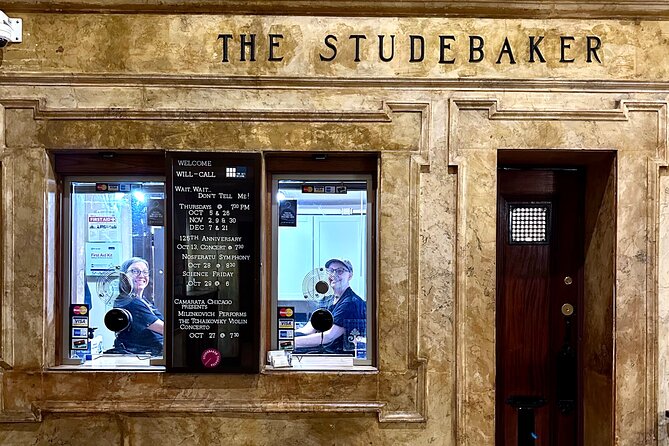
This tour is best for people who enjoy the quiet Chicago stuff: real interiors, old work spaces, and the connections between famous names and the places they actually used.
Book it if you:
- love architecture and want a building with a story that fits in your head
- like arts and crafts, including the maker side of creative work
- want a small-group experience at a downtown address you can reach easily
- enjoy guided storytelling that focuses on people, not just design elements
Think twice if you:
- have limited mobility and know stairs are a challenge
- prefer outdoor skyline views as the main event
- want a tour that’s mostly flat, minimal walking, and slow
Should you book the Fine Arts Building inside tour?
Yes, I think you should—if your idea of a good Chicago day includes stepping into a preserved working interior and leaving with a clearer sense of how art and architecture intertwined here. The combination of Beman context, 1898-era hallways, small group size, and specific craft stops makes it feel like more than “just another tour.”
If you’re fit for stairs and you like guided stories that connect design to real people, this is one of the more distinctive indoor experiences in downtown.
FAQ
How long is the Fine Arts Building inside tour?
It runs about 1 hour to 1 hour 30 minutes.
Where does the tour start?
The meeting point is 410 Michigan Ave, Chicago, IL 60611, USA.
Is a mobile ticket used?
Yes, the tour uses a mobile ticket.
What’s the group size limit?
The tour has a maximum of 10 travelers.
Is tipping included in the price?
No, tipping and gratuities are not included.
What fitness level do I need?
The tour notes a moderate physical fitness level, and you should expect stairs.
Who operates the tour?
It’s operated by Doorways Of Chicago.
What if it gets canceled due to weather or too few travelers?
If it’s canceled due to poor weather, you’ll be offered a different date or a full refund. If the minimum number of travelers isn’t met, you’ll be offered a different date/experience or a full refund.
Can I get a refund if I cancel?
This experience is non-refundable and cannot be changed for any reason.
The Wider Chicago Shortlist
- Chicago Architecture River Cruise★ 5.0 · 15,756 reviews
- Chicago River 90-Minute Architecture Tour★ 4.5 · 9,629 reviews
- Chicago River: 1.5-Hour Guided Architecture Cruise★ 4.8 · 8,046 reviews
- Chicago: Gangsters and Ghosts Walking Tour★ 5.0 · 7,155 reviews
- Chicago Architecture Center River Cruise aboard First Lady★ 5.0 · 5,536 reviews
Behind the Revolving Doors
- Original Chicago Architecture Interiors Tour: Dazzling Interiors★ 5.0 · 1,489 reviews
- Chicago’s Secret Interiors Architectural Walking Tour★ 5.0 · 635 reviews
- Chicago: Secret Interiors Architecture Walking Tour★ 4.9 · 498 reviews
- Chicago: Treasures of the Golden Age Walking Tour★ 4.8 · 206 reviews
- Chicago Walking Tour: Art Deco Skyscrapers Loop★ 5.0 · 138 reviews
The Ink Is Still Wet on These Chicago Reviews




Art Deco & Interiors Walks, compared.
 ★ 5.0Original Chicago Architecture Interiors Tour: Dazzling InteriorsFrom $351,489 reviews
 ★ 5.0Chicago’s Secret Interiors Architectural Walking TourFrom $35635 reviews
 ★ 4.9Secret Interiors Architecture Walking TourFrom $35498 reviews
 ★ 4.8Treasures of the Golden Age Walking TourFrom $35206 reviews
 ★ 5.0Chicago Walking Tour: Art Deco Skyscrapers LoopFrom $35138 reviews
 ★ 5.0Chicago Architecture Walking Tour: Incredible Art Deco InteriorsFrom $3585 reviews
 ★ 5.0Chicago Walking Tour: Art Deco Skyscrapers RiverfrontFrom $3553 reviews
 ★ 4.5Chicago Walking Tour: Tiffany TreasuresFrom $3544 reviews
Browse the lists this tour appears in