
REVIEW · CHICAGO HISTORY TOURS
Black Heritage Tour
Chicago has a second address: memory.
This Black Heritage Tour follows the Great Migration path into Chicago’s South Side, connecting you to Bronzeville and the people, places, and stories that shaped one of America’s biggest Black neighborhoods.
I love the first-hand storytelling Steve brings to the ride, including connections to Operation PUSH and Jessie Jackson, plus vivid, true details like Barack Obama’s mother’s car jump-start story. I also love that the tour isn’t just a drive-by; it builds in photo opportunities and clear explanations as you go.
One thing to consider: this is primarily a bus tour with stops for viewing and discussion, so if you’re hoping for long museum-style inside visits or tons of walking, you may want to set expectations.
In This Review
- Quick take on the Black Heritage Tour
- The Great Migration, mapped street by street in Chicago
- Bronzeville and the neighborhoods you see from the bus
- Pilgrim Baptist Church and the gospel music thread
- Celebrity home sightings and major names you’ll learn to place
- Meet Steve: why the stories land fast
- Duration, group size, and the bus setup you’ll want to know
- Price of $125: what you’re really paying for
- Custom deviations and optional add-ons
- Who this tour fits best
- Should you book the Black Heritage Tour?
- FAQ
- What is the duration of the Black Heritage Tour?
- How much does the tour cost?
- Where does the tour pick up?
- Where does the tour return to?
- What sites and themes does the tour cover?
- Does the tour include a church visit?
- Is this tour suitable for children?
- Is there any group size requirement?
Quick take on the Black Heritage Tour
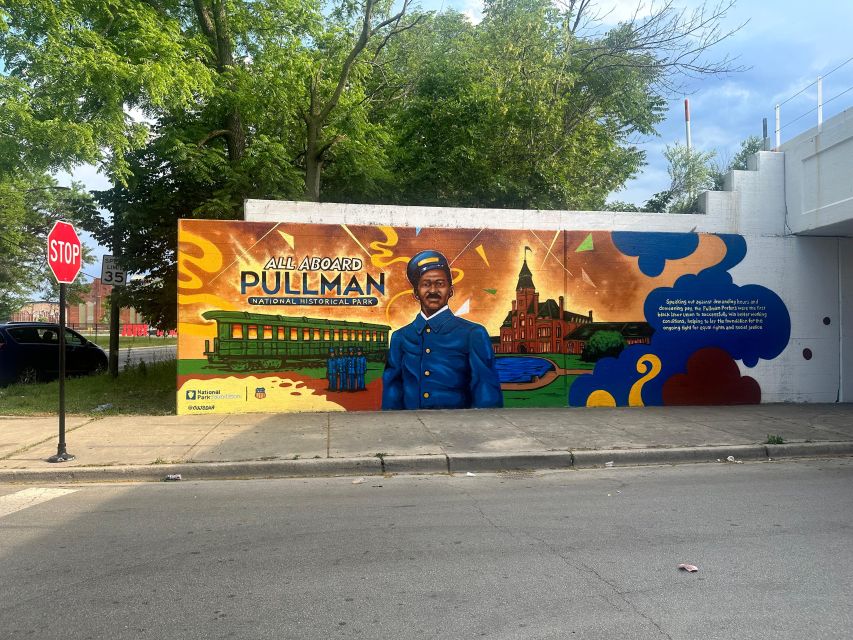
- Great Migration route to Bronzeville: you’re shown the path many families took to reach Chicago.
- Steve’s direct, lived-in perspective: Operation PUSH, Jessie Jackson meetings, and neighborhood connections.
- Pilgrim Baptist Church focus: where modern-day gospel music is discussed in context.
- Celebrity homes and major names: Nat King Cole, Louis Armstrong, Muddy Waters, Jennifer Hudson, and more.
- Stop-and-explain moments: multiple chances to take photos while the guide frames what you’re seeing.
- Custom deviations are optional: you can ask for slight route tailoring.
The Great Migration, mapped street by street in Chicago
What makes this tour feel different is the way it treats Chicago like a destination with a trail. Instead of starting at a landmark and working backward, you follow the Great Migration route into the Black neighborhoods that became home for thousands arriving from the South.
You’ll hear why train stations mattered, and the scale of movement that fed Chicago’s growth into the early and mid-1900s. The guide connects dots for you while you’re seated on the bus—so the story lands as geography, not just names. It’s a great format for first-timers because you can see a lot of Chicago’s South Side in a few hours without spending the day figuring out routes and transit.
And because the tour includes explanation and some analysis, you’re not just looking at streets. You’re learning how and why those streets became part of a larger journey—what changed, what endured, and what people built once they arrived.
From the fire of 1871 forward, more history
Bronzeville and the neighborhoods you see from the bus
Bronzeville is the anchor point, and the tour frames it as more than a nickname. You’ll be taken through the area described as the largest, most populated Black neighborhood in America during the early and mid-1900s.
From the bus, you’ll get the sense of daily life and neighborhood identity, with the route designed around the streets your ancestors would have walked or traveled. That framing matters because it turns a place you might otherwise pass through into something personal and understandable.
The tour also doesn’t lock you into one viewpoint. It follows the migration route to other areas and explains how Chicago’s Black middle-class geography took shape over time. You’ll get a clearer sense of where power, culture, and community clustered—and why.
You should expect plenty of guidance about what to look for as you ride. The guide builds in photo-friendly moments, so you’re not constantly asking when the “real” stops happen.
Pilgrim Baptist Church and the gospel music thread
Gospel music shows up here as a Chicago story with roots you can hear in context. The tour includes Pilgrim Baptist Church, presented as a key place tied to the birth of modern-day gospel music.
As you go through that area, you’ll discuss major figures connected to gospel and its evolution, including Thomas, Dorsey, and Mahalia Jackson. The point isn’t to overwhelm you with a timeline; it’s to show how the music links to community life, faith, and public voice.
If gospel music is a soft spot for you, this segment is one of the most emotionally satisfying parts of the day. You’ll leave with names you can connect back to something you saw, not just something you read.
Even if you’re not a gospel superfan, the church stop still works because it ties culture to place. In a city where music is everywhere, this helps you understand how it got there.
More Black Chicago history, South Side and beyond
- Small-Group Tour of Chicago Neighborhoods: North and South Side
★ 4.5 · 50 reviews - Chicago Tour – South Side
★ 4.5 · 38 reviews - Chicago Black History Highlights Walking Tour
★ 4.0 · 5 reviews
Celebrity home sightings and major names you’ll learn to place
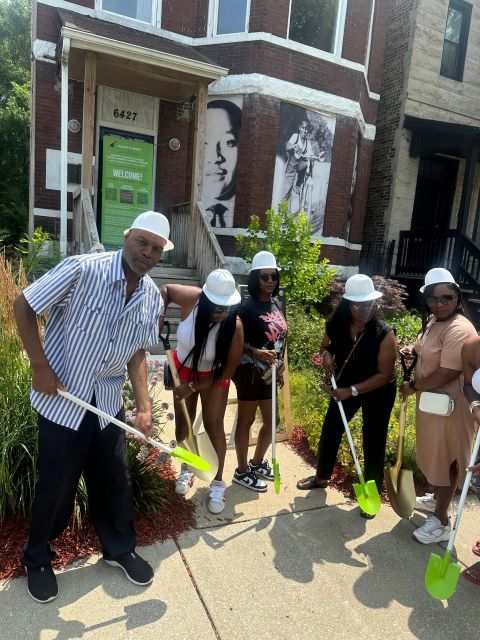
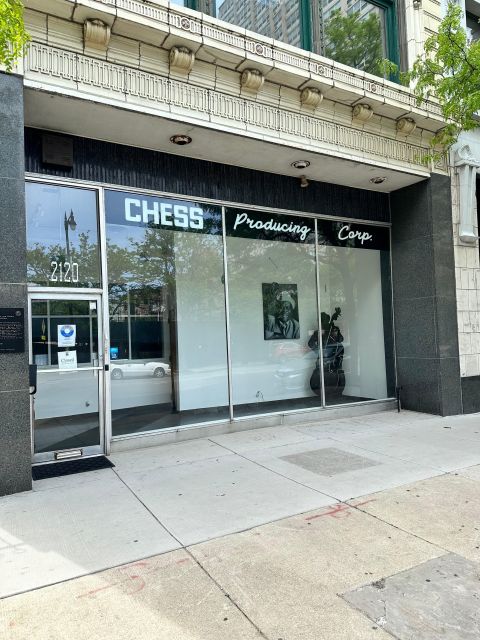
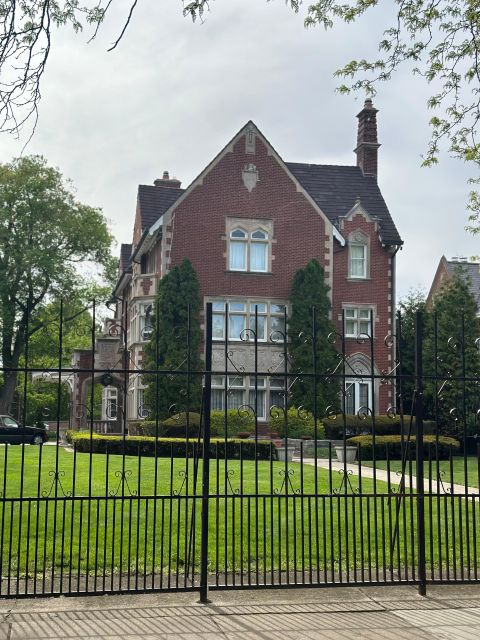
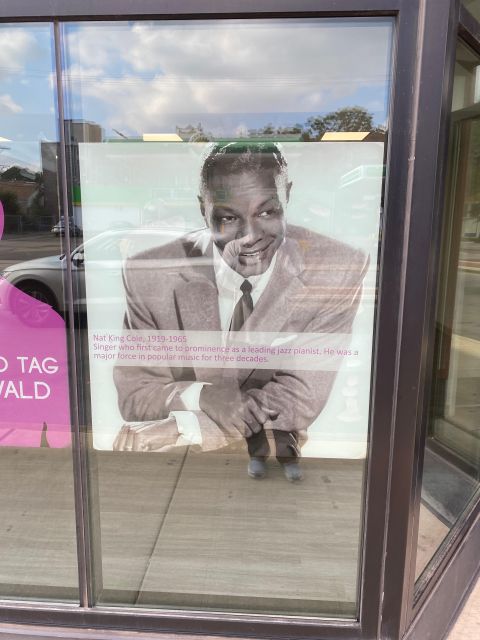
This tour moves through the city with an eye for the people who lived there and what their presence meant in Chicago. You’ll pass homes of Black celebrities associated with Chicago, including Nat King Cole, Louis Armstrong, Muddy Waters, and Jennifer Hudson.
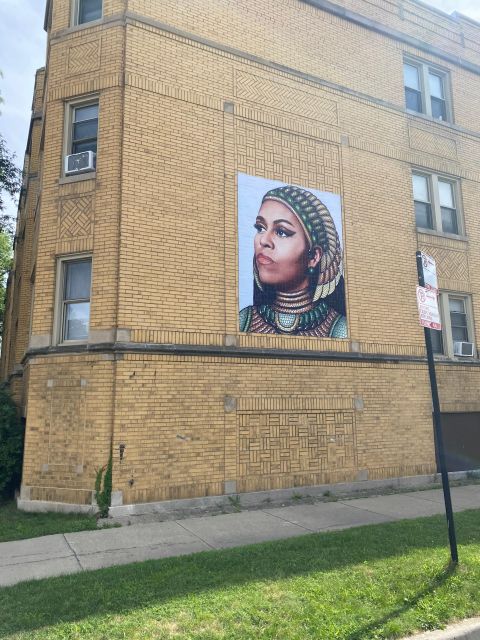
You’ll also hear about the connection between the neighborhood and national leadership, including the 44th President of the United States of America, Barack Obama. One of the best-known stories shared on the tour is a true moment where Obama gave his mother’s car a jump start. The guide ties that moment to the broader Great Migration experience, describing how Obama’s family stepped off the train into Chicago.
Another big stop in the story is tied to the Nation of Islam’s founder, Elijah Muhammad. You’ll be shown his home as part of the tour’s larger look at community leadership and movement-building.
A note on expectations: since this is built around a drive-and-view format, the experience is about context and storytelling while you pass by. You won’t be doing a “see everything” checklist like you would in a museum crawl.
Still, the payoff is in learning to place each name to a street, a neighborhood, and a moment in time.
Meet Steve: why the stories land fast
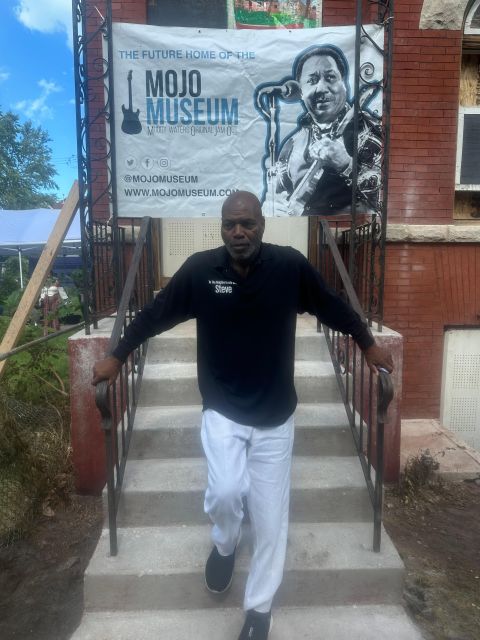
The tour stands or falls on the guide, and here that’s Steve. The reviews praise his flexibility and ability to answer questions, and that matches what makes his delivery work: you can ask, push back, or request clarification without feeling rushed.
Steve doesn’t just repeat facts. He brings a background connected to Operation PUSH, meetings with Jessie Jackson, and time living across the street from leaders tied to the Black Muslim movement. That lived connection gives the narration a different texture than a standard “here’s what happened” lecture.
What you get is first-hand perspective in the form of storytelling: reasons behind events, context for why the neighborhood shaped culture, and a sense of how different community networks overlapped. The guide’s approach also helps you avoid the common problem of history tours that turn into a blur of dates.
Instead, you’ll feel like you’re being shown Chicago by someone who cares about accuracy and meaning. And because the tour includes analysis, you’ll understand not only what happened, but how the pieces connect.
Duration, group size, and the bus setup you’ll want to know
This is a 4-hour tour, and starting times vary based on availability. It’s designed to work well even if you’re not a “big tour group” person, because the structure aims for conversation rather than silence.
You’ll ride a bus, but the setup is intentionally smaller in most cases—around 90% of the tours are described as seating 11 people or less. That matters for your experience: with fewer people onboard, you’re more likely to hear the guide clearly and get your questions answered without waiting for long gaps.
Pickup is included in the downtown area, with the tour starting in front of the Chicago Theater at 175 N State, and it uses the 60611 area as the pickup and return point. If you’re staying outside downtown, pickup may involve standard ride share fare for surrounding suburb locations.
If you’re traveling with a bigger group, plan ahead: 12 or more travelers require 7 days notice. That’s a helpful detail for families, reunion groups, or church/community outings.
Also keep this in mind: the tour is not suitable for children under 18. If that affects your dates, you’ll want to arrange an adult-only schedule.
Price of $125: what you’re really paying for
At $125 per person for about four hours, this is not a budget “quick city bus ride.” But it also isn’t priced like a private car tour. So the value question is simple: are you getting more than transportation?
You are, because the day is built around storytelling and context tied to major Chicago names and major community shifts. The guide’s background—Operation PUSH, Jessie Jackson meetings, and direct neighborhood connections—adds weight that you won’t get from a generic narrated route.
The other part of value is pacing. You’re not trying to cover everything in a single walk. You get a bus view for orientation, photo-friendly windows, and explanation that helps you connect what you see with what it meant.
If you’re the type of traveler who likes tours that help you understand a city quickly—then this price is easier to justify. If you only want stops with major-ticket museum interiors, you may feel like you paid more than you expected. But if you want a guided, meaning-focused Chicago route, the $125 figure starts to make sense.
Custom deviations and optional add-ons
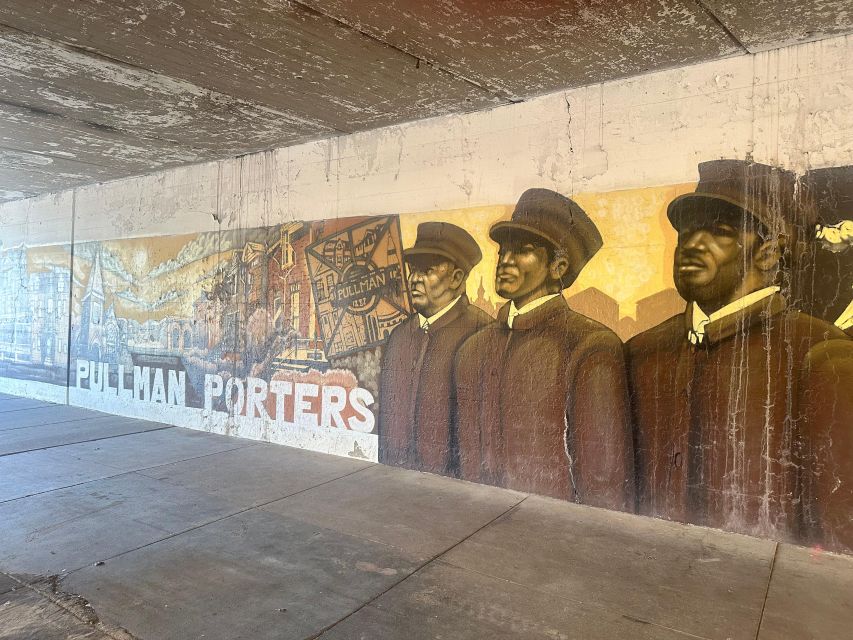
One neat perk is that custom deviation is optional. If you have a specific reason for adjusting your route—within what the tour can support—you can ask to tailor the focus.
The provider also lists additional services beyond this core tour. Depending on what you need, you may be able to add transportation to concerts, restaurants, relatives, homes, shopping areas, churches, and other special destinations.
That flexibility is useful if you’re doing a trip where the tour is the “anchor,” and then you build the rest of your Chicago days around it. For example, you can use the tour to learn where things are and then plan follow-up time with better context.
Who this tour fits best
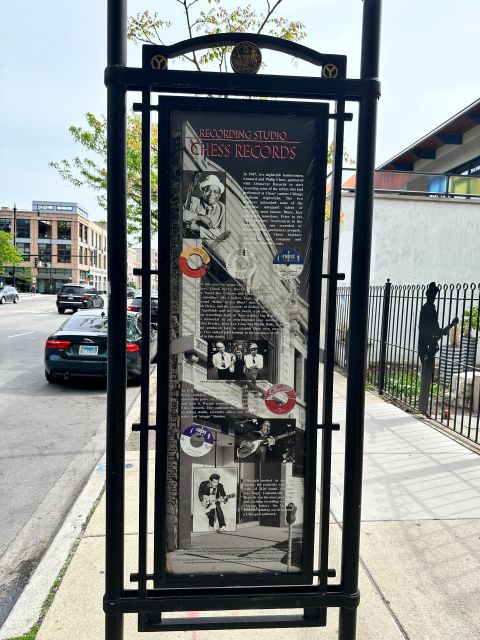
I think this tour is a strong match if you want Chicago to feel personal fast. It’s especially good if you care about the Great Migration, Chicago’s South Side neighborhood development, and the way culture grew out of those community networks.
It also fits well if you’re traveling with a small group or a partner and want conversation. The small seating pattern most of the time helps the guide work with the group instead of reading to it.
If your ideal day is mostly inside stops with lots of waiting in lines, you might find the bus-and-view format less appealing. But if you’re open to learning as you ride and you want real names placed into real neighborhoods, you’ll likely enjoy the experience.
Should you book the Black Heritage Tour?
I’d book this tour if you want more than facts—you want context you can remember. Steve’s background and the way he connects the Great Migration route to Bronzeville, gospel culture at Pilgrim Baptist Church, and major names from Chicago’s story make it feel like a guided narrative, not a checklist.
I’d think twice if you’re traveling with someone under 18, or if you need lots of walking and indoor sites to feel satisfied. For everyone else, especially first-time Chicago visitors who want the city explained with meaning, this is a good use of time.
If you go, arrive ready with questions. The tour is built for Q&A and the guide’s answers are part of the payoff.
FAQ
What is the duration of the Black Heritage Tour?
The tour runs for 4 hours.
How much does the tour cost?
The price is $125 per person.
Where does the tour pick up?
Pickup is included in front of the Chicago Theater at 175 N State, Chicago, in the 60611 area.
Where does the tour return to?
The tour returns to 60611.
What sites and themes does the tour cover?
You follow the Great Migration path into Chicago, see Bronzeville, visit Pilgrim Baptist Church for gospel music origins, and pass homes connected to major Black figures, including Elijah Muhammad and celebrities associated with Chicago.
Does the tour include a church visit?
Yes. It includes Pilgrim Baptist Church.
Is this tour suitable for children?
No. It is not suitable for children under 18.
Is there any group size requirement?
Yes. For groups of 12 or more travelers, you need to provide 7 days notice.
The Wider Chicago Shortlist
- Chicago Architecture River Cruise★ 5.0 · 15,756 reviews
- Chicago River 90-Minute Architecture Tour★ 4.5 · 9,629 reviews
- Chicago River: 1.5-Hour Guided Architecture Cruise★ 4.8 · 8,046 reviews
- Chicago: Gangsters and Ghosts Walking Tour★ 5.0 · 7,155 reviews
- Chicago Architecture Center River Cruise aboard First Lady★ 5.0 · 5,536 reviews
Black Chicago, Told in Full
- African American Heritage Tour of Chicago★ 4.5 · 127 reviews
- Small-Group Tour of Chicago Neighborhoods: North and South Side★ 4.5 · 50 reviews
- Chicago Tour – South Side★ 4.5 · 38 reviews
- Chicago Black History Highlights Walking Tour★ 4.0 · 5 reviews
- Explore Black History on the Southside of Chicago★ 4.0 · 4 reviews
Since the Fire: Chicago History
- Chicago in a Day: Food, History & Architecture Walking Tour★ 5.0 · 1,153 reviews
- Chicago: Field Museum of Natural History Ticket or VIP Tour★ 4.7 · 717 reviews
- Field Museum of Natural History Admission Tickets★ 4.5 · 489 reviews
- Chicago Walking Tour: Historic Treasures of Chicago★ 5.0 · 362 reviews
- Historical and Architectural Chicago Fireboat River & Lake Cruise★ 5.0 · 246 reviews
The Ink Is Still Wet on These Chicago Reviews




Chicago History Tours, compared.
 ★ 5.0Chicago in a Day: Food, History & Architecture Walking TourFrom $1001,153 reviews
 ★ 4.7Field Museum of Natural History Ticket or VIP TourFrom $29717 reviews
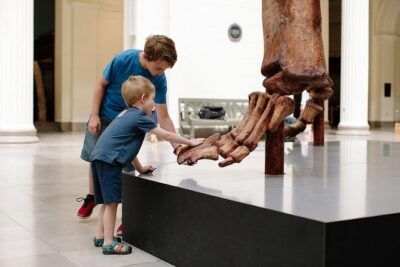 ★ 4.5Field Museum of Natural History Admission TicketsFrom $29489 reviews
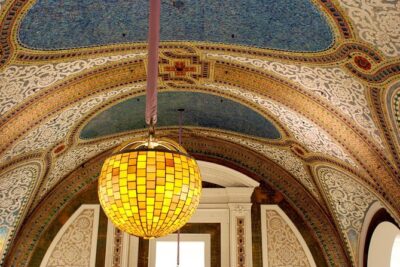 ★ 5.0Chicago Walking Tour: Historic Treasures of ChicagoFrom $35362 reviews
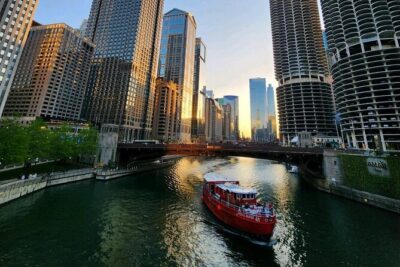 ★ 5.0Historical and Architectural Chicago Fireboat River & Lake CruiseFrom $47246 reviews
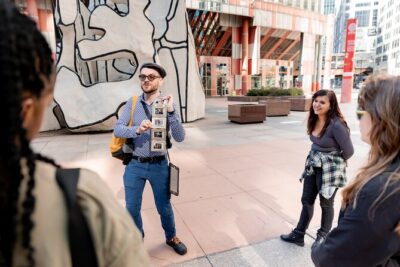 ★ 5.0Walkin’ with Colin: Chicago History-Mystery-Comedy-Tragedy TourFrom $44218 reviews
 ★ 5.0Chicago Walking Tour: A Walk Through TimeFrom $35181 reviews
 ★ 4.5Field Museum of Natural History All-Access PassFrom $41135 reviews
Browse the lists this tour appears in