
REVIEW · CHICAGO HISTORY TOURS
Walkin’ with Colin: Chicago History-Mystery-Comedy-Tragedy Tour
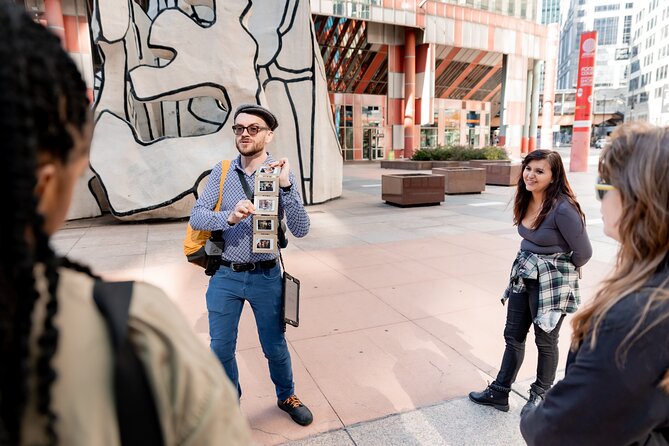
Chicago stories hit different when buildings talk back. This 2-mile, mostly downtown walk mixes art, architecture, and show-business drama, with Colin turning street corners into a comedy-meets-history moment. I like the tight stop order—you see a lot without getting worn out—and I especially love the picture-and-footage style that makes the details easier to remember. One thing to consider: it’s an indoor/outdoor, upstairs/downstairs route, and Chicago weather can swing fast.
You’ll get serious visual payoffs too. Calder’s Flamingo, Picasso’s monumental Untitled (the 50-foot sculpture), and Chagall’s Four Seasons mosaic mural all land on the same walk, so you’re not just reading about art—you’re standing in front of it. I also really like how the tour pairs the big landmarks with the smaller clues that explain how Chicago became Chicago.
The main drawback is simple logistics: you’ll be outside enough that you should dress for wind and rain, and one review notes the guide crossed streets before everyone was fully gathered—so if you stop for photos, keep an eye on the regroup point.
In This Review
- Key Things to Know Before You Go
- A 2-Mile, Art-Filled Walk From Dearborn to the Chicago Cultural Center
- Chagall’s Four Seasons Mosaic: Chicago Through Color and Story
- Marquette Building: A Skyscraper That Still Feels Alive
- Calder’s Flamingo + Mies van der Rohe: Modern Art in Plain Sight
- The Rookery Building: Why Lobbies Matter in Chicago
- Picasso’s 50-Foot Untitled: Public Art at Human Scale
- Chicago Theatre: Iconic Facade, Show-Biz Origins, and a Ticket Note
- Macy’s on State Street and the Marshall Fields Department Store Story
- Chicago Cultural Center: People’s Palace as the Tour’s Finish
- Price and Value: Is $44 Worth It?
- Who This Walk Works Best For (and Who Might Want a Different Tour)
- Booking Odds and Ends You’ll Actually Care About
- Should You Book This Tour?
- FAQ
- FAQ
- How long is the Walkin’ with Colin Chicago History-Mystery-Comedy-Tragedy Tour?
- What does the $44 price include?
- Are there multiple times of day to choose from?
- Where does the tour start and end?
- How many people are in a group?
- What if the weather is bad?
Key Things to Know Before You Go
- A small group (max 10) keeps the pace friendly and questions actually fit into the walk.
- Mobile ticket means less fuss once you’re there.
- Art + architecture, side by side: Chagall, Calder, Picasso, and multiple skyscraper classics.
- A department-store story you can see in person at Macy’s on State Street.
- Mostly easy walking, but not flat: stairs, escalators, and short indoor segments.
- Chicago Theatre stop has ticket not included, so plan for that if you want to go in.
A 2-Mile, Art-Filled Walk From Dearborn to the Chicago Cultural Center
This is a downtown Chicago walking tour built for people who want more than a quick photo loop. The route runs about 2 hours and roughly 2 miles, with a mix of outdoor streets and short indoor visits, including upstairs/downstairs moments and elevator/escalator stops. That matters because you’ll get a calmer pace than a long “power walk,” but you still need to be ready for a bit of moving around.
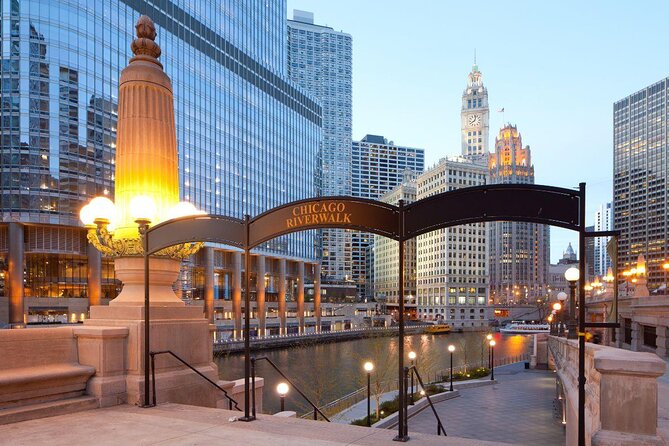
It starts at 1 N Dearborn St and ends at the Chicago Cultural Center at 78 E Washington St—often called the People’s Palace. I like that the ending feels like a finish line, not a random drop-off. It also makes it easier to keep exploring afterward, since you’re already in the thick of downtown.
The group size is capped at 10, and that helps in a real way: Colin can slow down when someone has a question, and the tour feels interactive instead of one-way. The vibe is also described as part history, part comedy, plus a little mystery and tragedy—so even when the topic gets darker, it doesn’t feel like homework.
From the fire of 1871 forward, more history
Chagall’s Four Seasons Mosaic: Chicago Through Color and Story

The tour opens with Chagall’s Four Seasons, and it’s the kind of start that resets your brain quickly. You get about 15 minutes here, with the big focus on the mosaic mural by Marc Chagall. Even if you’re not a longtime art person, mosaics are visual storytelling in slow motion—you can spot details, patterns, and symbolism the longer you look.
Practical tip: if you’re photographing, give yourself time to zoom in rather than rushing the wide shot. The mural is the sort of artwork where the first glance is good, and the second glance is better.
One smart thing about starting with art is that it trains you to see the rest of the buildings as more than backdrops. After Chagall, you’ll be more likely to notice what other artists and architects were trying to communicate.
Marquette Building: A Skyscraper That Still Feels Alive
Next comes the Marquette Building, with roughly 10 minutes focused on both exterior and interior. This is where the tour starts connecting art and architecture to Chicago’s big growth era.
You’ll be looking at how old-school skyscraper design creates atmosphere. The interior visit matters because Chicago isn’t only about skyline views—some of the real drama sits inside lobbies and passageways. If you’ve ever walked by famous buildings and wondered what’s behind the doors, this is the stop that starts answering that question.
For comfort, plan for a bit of standing and walking through indoor spaces. It’s short, but it’s not a sit-and-watch moment.
- Chicago Architecture River Cruise
★ 5.0 · 15,756 reviews - Chicago River 90-Minute Architecture Tour
★ 4.5 · 9,629 reviews - Chicago River: 1.5-Hour Guided Architecture Cruise
★ 4.8 · 8,046 reviews
Calder’s Flamingo + Mies van der Rohe: Modern Art in Plain Sight
Then you hit Calder’s Flamingo and the modern architecture connection. The tour gives you about 10 minutes here, and the pairing is the point: Alexander Calder’s Flamingo meets the modern design language associated with Mies van der Rohe.
This is a great stop for anyone who thinks modern art needs a lecture. In this setting, you can compare what you see—metalwork, lines, structure—with how the architecture frames it. It’s not just an art stop, and it’s not just an architecture stop either. The tour nudges you to see how both styles shape your eye.
If you’re a “show me, don’t tell me” type, this is one of the best parts of the route. You’ll be able to point at specific elements and follow along as Colin explains the connection.
The Rookery Building: Why Lobbies Matter in Chicago

The Rookery Building is next, and it gets around 15 minutes. The big draw is simple: it’s one of Chicago’s oldest skyscrapers, and it’s also known for interior beauty. This is the stop where you feel the city’s age without getting stuck in a museum-only format.
What I like here is that you’re not just looking at an exterior landmark. You’re seeing why people once traveled through these places like they were civic spaces. The Rookery stop is a reminder that architecture often works like theater—there’s a stage (the street), then a “scene change” (the lobby), and suddenly you understand the building’s mood.
If stairs and escalators aren’t your favorite thing, this is still manageable because time at each stop is limited. Just wear shoes you trust for indoor floors and short outdoor transitions.
Picasso’s 50-Foot Untitled: Public Art at Human Scale
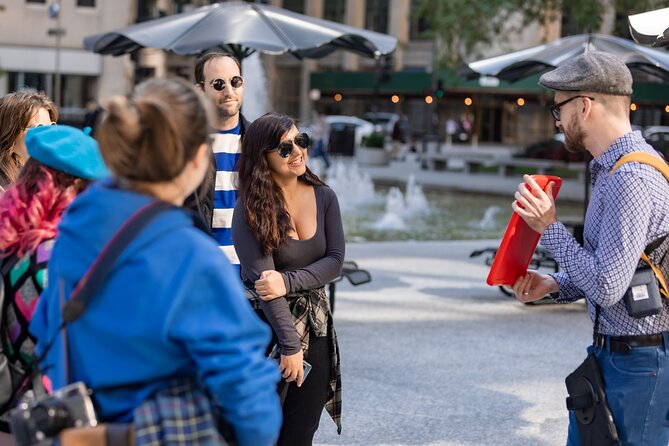
Then comes The Picasso, with about 10 minutes at the monumental 50-foot sculpture, Untitled. This is the kind of artwork that feels impossible at first—until you realize you can walk up close and see it as a real object, not a distant postcard.
A 10-minute time box might sound short, but for a large piece like this, you usually need a focused block: look from a distance, then move in and check proportions, then step aside and view it again from a different angle. Colin’s style helps here because you’re not trying to figure everything out alone.
I like that this stop breaks up the skyscraper rhythm. After a couple architecture-focused buildings, the Picasso gives you a different texture: sculpture and form rather than only building surfaces.
Chicago Theatre: Iconic Facade, Show-Biz Origins, and a Ticket Note
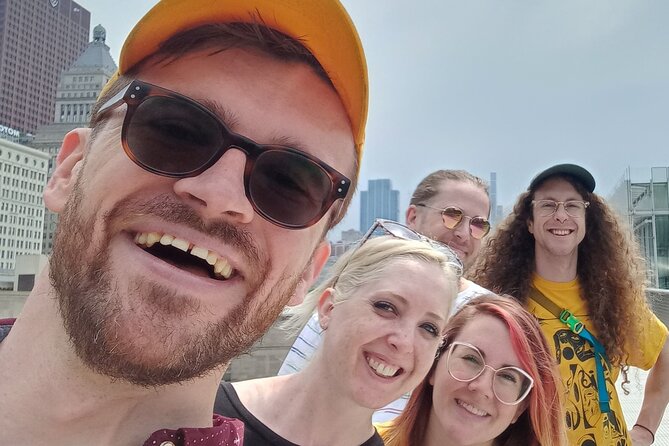
The Chicago Theatre gets about 15 minutes, and it’s one of the more classic “Chicago postcard” stops. This is also where the tour leans into entertainers and inspirations—how Chicago helped shape modern entertainment culture.
I’d treat this as a must-look even if you’re not planning to buy a ticket for an interior visit. The tour notes that Chicago Theatre admission is not included, so you’ll want to decide ahead of time whether you’re only viewing the exterior or also paying to go in.
Practical thinking: if you want the most value from this stop, plan your time so you can handle any extra steps. A separate admission requirement is the only major place where the tour stops can differ from the rest of the route.
Macy’s on State Street and the Marshall Fields Department Store Story
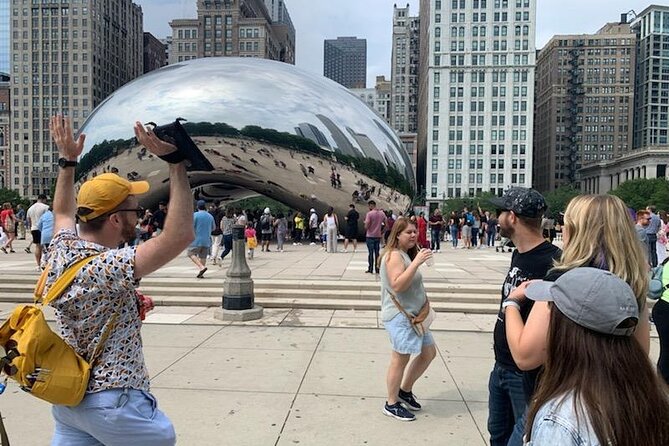
Now for the retail twist, and it’s a good one. The tour spends about 10 minutes at Macy’s on State Street, focusing on the original, revolutionary Marshall Fields Department Store. If you think department stores are just shopping, this stop reframes them as city-making institutions.
There’s a specific detail worth knowing: you can spot the Tiffany glass domes at Macy’s, and that kind of design isn’t decoration for decoration’s sake. It signals the era when shopping spaces were built to feel like public destinations, not just places to buy items.
This is one of the stops where the tour’s narrative payoff hits. The point isn’t only that the store is famous. It’s that Chicago helped shape the department store model that became common later in other cities.
Chicago Cultural Center: People’s Palace as the Tour’s Finish
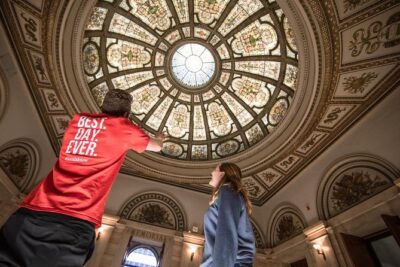
The route ends at the Chicago Cultural Center, with about 15 minutes. You’ll be stepping into a building with a legacy, and the focus is on the Cultural Center’s library-style character. The name People’s Palace fits because it feels like a civic interior—beautiful, open, and made for people to gather.
This final stop is smart because you finish somewhere you can keep exploring at your own pace. If you want a place to rest your legs for a bit, this is the one. If you’re still in “keep looking” mode, it also gives you something to do right after the tour without needing to taxi or hunt for a new destination.
The tour’s structure also helps: you end after the big-ticket wow moments (Picasso, theatre) with a calmer, elegant setting where you can slow down.
Price and Value: Is $44 Worth It?
At $44 per person, this tour sits in a middle range for a downtown guided experience. The value comes from the lineup: multiple major art and architecture stops, several interior moments, and a guide who ties them together with storytelling rather than just reading from plaques.
Here’s why it feels like good value for your time:
- Multiple famous works in one route (Chagall, Calder, Picasso) so you’re not paying for separate art experiences.
- Short visit windows at each stop keep the pacing efficient over the full 2 hours.
- Small group size helps you actually hear and ask questions.
- Most stops have admission free, so the core cost stays predictable. The main exception is the Chicago Theatre stop, where admission is not included.
If you hate paying for multiple attractions during one day, this price structure is a plus. You’ll still want to budget for any theatre admission you choose, but most of the route is built to stay accessible.
Who This Walk Works Best For (and Who Might Want a Different Tour)
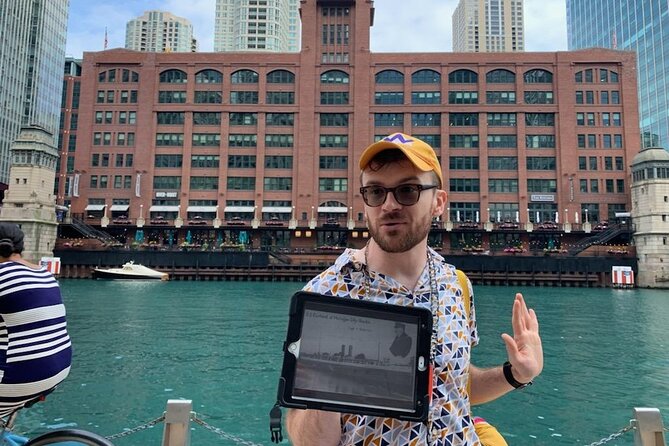
This is a strong fit if you want a Chicago 101-style route that mixes art, architecture, and culture in a way that doesn’t feel stiff. It also suits people who like humor and story-driven history, since Colin’s approach is described as fun and vivid, with lots of supporting images and footage.
You’ll also appreciate it if you’re curious about both famous landmarks and the connections between them—like how department stores became major cultural players, or how modern art and modern building design influence how you experience a street.
A couple considerations:
- The tour is rated for moderate physical fitness and includes indoor/outdoor segments plus stairs/upstairs-downstairs and elevator/escalator transitions.
- Weather matters. If it’s raining or too unpleasant, the tour may shift to more sheltered paths, so bring a rain layer when Chicago decides to be Chicago.
Booking Odds and Ends You’ll Actually Care About
A few practical details help you plan your day:
- The tour offers morning and afternoon options, so you can pick a time that matches your energy and weather.
- It’s in English.
- You’ll get a mobile ticket.
- Service animals are allowed, and the start/end points are both easy to reach via public transportation.
And if you like flexible planning, the experience is designed with good weather in mind and can be adjusted if conditions are poor.
Should You Book This Tour?
If your goal is to see major Chicago art and architecture without spending your whole day hopping between far-apart stops, I’d book it. The mix of Chagall, Calder, Picasso, landmark skyscrapers, and the Marshall Fields story at Macy’s gives you a lot of emotional variety in just 2 hours, and the small group size keeps the experience from feeling rushed.
One reason to think twice: if you’re not into walking or you hate stairs and short indoor transitions, you might find the route a bit more active than you want. Also, if you care about the Chicago Theatre interior specifically, remember admission there is not included, so decide whether you want to pay for that add-on.
FAQ
FAQ
How long is the Walkin’ with Colin Chicago History-Mystery-Comedy-Tragedy Tour?
It runs about 2 hours and covers roughly 2 miles, with an indoor/outdoor mix and some upstairs/downstairs movement.
What does the $44 price include?
The tour includes the guided experience with mobile ticketing. Most stops are listed as free admission, but the Chicago Theatre admission is not included.
Are there multiple times of day to choose from?
Yes. You can pick a morning or afternoon tour time.
Where does the tour start and end?
It starts at 1 N Dearborn St, Chicago, IL 60602 and ends at the Chicago Cultural Center, 78 E Washington St, Chicago, IL 60602.
How many people are in a group?
The tour has a maximum of 10 travelers.
What if the weather is bad?
The tour requires good weather. If it’s canceled due to poor weather, you’ll be offered a different date or a full refund.
The Wider Chicago Shortlist
- Chicago Architecture River Cruise★ 5.0 · 15,756 reviews
- Chicago River 90-Minute Architecture Tour★ 4.5 · 9,629 reviews
- Chicago River: 1.5-Hour Guided Architecture Cruise★ 4.8 · 8,046 reviews
- Chicago: Gangsters and Ghosts Walking Tour★ 5.0 · 7,155 reviews
- Chicago Architecture Center River Cruise aboard First Lady★ 5.0 · 5,536 reviews
Since the Fire: Chicago History
- Chicago in a Day: Food, History & Architecture Walking Tour★ 5.0 · 1,153 reviews
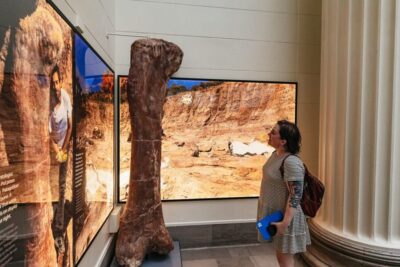
- Chicago: Field Museum of Natural History Ticket or VIP Tour★ 4.7 · 717 reviews
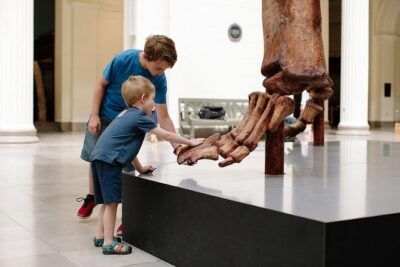
- Field Museum of Natural History Admission Tickets★ 4.5 · 489 reviews
- Chicago Walking Tour: Historic Treasures of Chicago★ 5.0 · 362 reviews
- Historical and Architectural Chicago Fireboat River & Lake Cruise★ 5.0 · 246 reviews
The Ink Is Still Wet on These Chicago Reviews




Chicago History Tours, compared.
 ★ 5.0Chicago in a Day: Food, History & Architecture Walking TourFrom $1001,153 reviews
 ★ 4.7Field Museum of Natural History Ticket or VIP TourFrom $29717 reviews
 ★ 4.5Field Museum of Natural History Admission TicketsFrom $29489 reviews
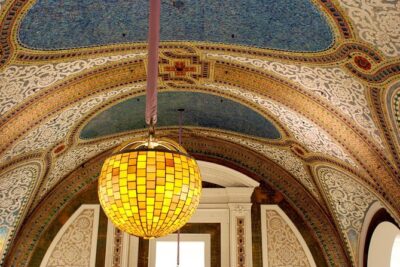 ★ 5.0Chicago Walking Tour: Historic Treasures of ChicagoFrom $35362 reviews
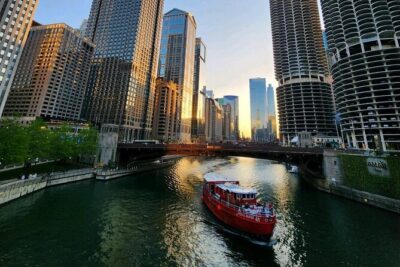 ★ 5.0Historical and Architectural Chicago Fireboat River & Lake CruiseFrom $47246 reviews
 ★ 5.0Chicago Walking Tour: A Walk Through TimeFrom $35181 reviews
 ★ 4.5Field Museum of Natural History All-Access PassFrom $41135 reviews
 ★ 4.5African American Heritage Tour of Chicago127 reviews
Browse the lists this tour appears in