
REVIEW · BLACK HERITAGE & SOUTH SIDE TOURS
Chicago Tour – South Side
South Side Chicago is a whole different city. I like this South Side route because you get a real slice of the neighborhoods, not just skyline photos, and the storytelling around places tied to history and daily life feels human and grounded. I also love the practical touch: the tour includes access to an iPhone port, so your battery stays alive while you’re shooting pictures and pulling out maps.
The main thing to think about is pace and comfort. The trip covers a lot of ground in about four hours, and if you’re dealing with mobility limits or you’re hoping to hop out at more sites, you may find the drive-and-point approach less satisfying than you want.
In This Review
- Key points before you go
- The real Chicago feel: getting beyond the downtown loop
- Starting at Chicago Theatre and setting the tone
- Stop One: Ford Factory, mills, and the blue-collar spine of Chicago
- Bronzeville and Hyde Park: why these neighborhoods changed the city
- The Obama connection: seeing where he lived as a senator
- South Lake Drive and the lakefront thread
- Crossing the Indiana line: how Chicago’s border dynamics show up
- Beverly Hills, Chinatown, and Little Village: a fast lesson in immigration and community identity
- Pilsen and the Pilsen-to-jail joke: why the guide’s humor matters
- Little Italy and Greektown: the “don’t forget the other Chicago” moment
- Bridgeport and the lime quarry: a stop for camera-ready weirdness
- Vehicle comfort, time management, and why the drive style divides people
- How to get the most out of the 4-hour South Side sweep
- Who this tour suits best (and who might want a different day)
- Should you book the Chicago Tour – South Side?
- FAQ
- How long is the Chicago South Side tour?
- What language is the tour offered in?
- Is there a mobile ticket?
- Where does the tour start, and when?
- How many people are on the tour?
- Where does the tour end?
- Does the tour require good weather?
- Can I cancel for a full refund?
Key points before you go
- Steve Johnson’s neighborhood-first storytelling ties culture, politics, and everyday Chicago together.
- Obama-area landmarks show up in the route, including where he lived as a senator.
- A tight 4-hour circuit packs Bronzeville, Hyde Park/UChicago, Chinatown, Pilsen, and more.
- Battery-friendly setup includes an iPhone port so your day doesn’t die at 12%.
- Photo opportunities across changing neighborhoods mean you’ll see contrast fast, not in slow increments.
- Not a “look-only downtown” tour, so plan for streets, communities, and context.
The real Chicago feel: getting beyond the downtown loop
This is the kind of tour that helps you get your bearings fast—not just geographically, but culturally. Chicago’s South Side isn’t one single story. It’s a checkerboard of communities, each with its own rhythm, landmarks, and reasons people connect to the place.
What makes this tour work is that it treats neighborhoods like living chapters. You’re not stuck in one “attraction zone.” Instead, you’re moving through a broad sweep: industrial history, major universities, and multiple cultural corridors that shape how Chicago looks today.
And because it’s private, you’re not fighting for attention or time. Your guide can answer questions on the fly, and the route is built around context—why these blocks matter, who shaped them, and how the city’s story keeps changing neighborhood by neighborhood.
More Black Chicago history, South Side and beyond

Starting at Chicago Theatre and setting the tone
The tour begins at the Chicago Theatre, 175 N State St, at 10:00 am. It ends back at the same meeting point, so you’re not left trying to solve transit logistics afterward.
Right away, the setup signals the style of the day. You’re in a vehicle with a guide who talks the route in a way that feels like street-level history. The best use of your energy here is simple: be ready to listen, and also be ready to ask questions if something grabs you.
One practical note from the way the day is described: the route is structured around many areas, so your time outdoors may be mostly for quick photo stops or short moments rather than long sightseeing breaks.
Stop One: Ford Factory, mills, and the blue-collar spine of Chicago
The first big theme is work and industry. The tour route points you toward the Ford Factory, framed as a home for steel mills and the broader blue-collar side of the city’s growth. This matters because the South Side’s history isn’t just cultural—it’s also economic.
If you’ve only seen Chicago through architecture tours or lakefront landmarks, this shift can be a wake-up moment. You start to understand how factory jobs, union culture, and manufacturing shaped migration patterns and neighborhood development.
This is also where the guide’s style can steer your experience. Some people love high-energy, fast storytelling and lots of prompts during the drive. If you prefer a calmer pace, you might want to set expectations with yourself: this is an active route, not a quiet ride with long silent views.
- Chicago Architecture River Cruise
★ 5.0 · 15,756 reviews - Chicago River 90-Minute Architecture Tour
★ 4.5 · 9,629 reviews - Chicago River: 1.5-Hour Guided Architecture Cruise
★ 4.8 · 8,046 reviews
Bronzeville and Hyde Park: why these neighborhoods changed the city
Next up, the tour leans into Bronzeville, a historical African American neighborhood and early business district. This is one of those names people know, but often only as a headline. The value here is the way context gets built: what kinds of opportunities existed, what community life looked like, and why the area became a symbol of broader change.
From there, you head toward Hyde Park and the University of Chicago area. The tour includes pointing out the spot where the atomic bomb was born—a bold, memorable claim tied to the university’s role in major 20th-century research. Even if you’re not a science history person, you’ll likely remember the stop because the guide explains the importance in plain language.
Then there’s the emotional pull of Chicago’s “sits on layers” feeling. Hyde Park isn’t just campus buildings. It’s also the South Side’s intersection with politics, culture, and global impact.
The Obama connection: seeing where he lived as a senator
A major highlight is that you’ll see where Barack Obama lived as a senator. For many visitors, this turns the tour from “cool neighborhoods” into “I understand this city’s modern history too.”
What’s useful about including this isn’t just recognition. It’s that the stop anchors a bigger theme: how Chicago’s local leadership connects to national stories. It also helps you place the South Side in a timeline, not as an isolated geography.
If you care about political history, this part of the route is one of the reasons people rate the experience highly. If politics isn’t your main interest, you’ll still benefit because the guide uses it to explain neighborhood context rather than treating it like a photo-only celebrity stop.
South Lake Drive and the lakefront thread
After the interior neighborhood stories, the tour turns toward life along the lake, including South Lake Drive. This is the “wait, Chicago is also beautiful here” moment.
It’s easy to think lakefront Chicago means downtown only. But the South Side has its own lake views and its own street-level relationship with water, weather, and city life. The guide’s narration helps you connect the lake to the neighborhoods instead of treating it as scenery.
For photographers, this is where you can usually slow down mentally even if the drive continues. Look for contrast: big sky, changing architecture, and streets that feel far from standard tourist routes.
Crossing the Indiana line: how Chicago’s border dynamics show up
The tour also includes how Chicago’s border with Indiana creates a special dynamic. That’s not something you usually get from a classic sightseeing route.
This portion is valuable because it reminds you that cities aren’t sealed bubbles. Economic ties, commuting patterns, and regional identity shape what you see on the street. The guide uses this angle to make the city feel connected to its region instead of like it’s just one central point.
Even if you don’t remember every detail, you’ll likely remember the point: when you travel, you’re moving through systems, not just blocks.
Beverly Hills, Chinatown, and Little Village: a fast lesson in immigration and community identity
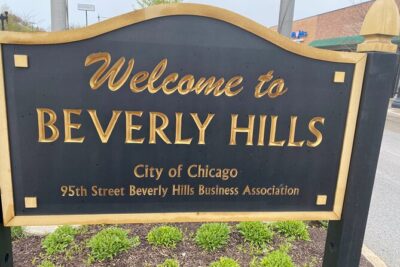
Then comes a big stretch of cultural corridors: Beverly Hills, Chinatown, and Little Village, including mention of the large and highly populated Puerto Rican neighborhood.
This is where the tour earns its “South Side is bigger than you think” reputation. You get to see how distinct communities can share a larger geographic area while still feeling separate in language, food culture, and local life.
A smart way to enjoy this part is to notice what’s different at street level. Signs, store types, and the feeling of the crowd tell you more than buildings do. The guide’s job is to translate what you see into context.
If you love variety, this segment is a highlight. If you prefer one neighborhood at a time, it can feel like a lot in a short window.
Pilsen and the Pilsen-to-jail joke: why the guide’s humor matters
The tour passes through Pilsen, described as a proud Mexican community. There’s also a line in the tour style that’s clearly meant as humor: the guide jokes about dropping people off at Cook County jail as they pass by it.
Whether that line lands for you depends on your sense of humor and your patience for on-the-go jokes. But the deeper value is that the guide uses humor to keep the day moving while still tagging key cultural moments.
For me, the best use of a guide’s humor is as a pacing tool. It keeps the story from becoming a lecture, and it helps you stay engaged while the vehicle carries you between neighborhoods.
Little Italy and Greektown: the “don’t forget the other Chicago” moment
Before ending, the route heads back east through Little Italy Greektown. That matters because it broadens the South Side story into a wider Chicago idea: different ethnic communities, same city, different identities.
Even though this isn’t the “South Side only” formula, it fits the way Chicago actually feels. Neighborhoods overlap in culture and history, and visitors often appreciate when a tour admits that the city is interconnected.
This part also helps you end the day feeling like you understood more than one single topic. You’re leaving with a map in your head, not just facts in a notebook.
Bridgeport and the lime quarry: a stop for camera-ready weirdness
One of the more unusual details is a visit to a lime quarry in the Bridgeport neighborhood. This is the kind of stop that makes the tour feel less like a standard drive-by history reel and more like a tailored route designed to show unusual Chicago.
If you like photos, this is where you likely remember the texture of the place. It’s also a nice contrast to the more narrative-heavy stops like Bronzeville or UChicago.
Not every tour includes industrial oddities or working-history landmarks. So even if you’re not sure you care, you may find it makes the day feel more real.
Vehicle comfort, time management, and why the drive style divides people
This tour is built for visibility, not deep site exploration. That means you’ll spend a lot of your time in the vehicle and absorb the story while moving through the city.
That style is exactly what many people love. They say they learned tons, got individualized attention, and felt the day was better than the typical big bus experience. They also highlight how Steve Johnson answers questions and helps with photo moments, which is huge when you’re trying to capture a neighborhood with a guide’s timing.
But the same style can be a drawback for others. A few comments mention that the guide can be loud or fast-paced, and that the day can include repeated prompts (like answering housing-related questions). Others wanted more stops where you get out and walk.
There’s also a practical comfort angle. One note mentions windows open with AC on, and another points out that if you have bad knees you may not like the way the day feels physically. If mobility is a concern, think about bringing what you need (comfort footwear, a cap for sun, and a water bottle).
My advice: decide what you want most. If you want a tight, neighborhood-focused route with lots of explanation, this fits. If you want a slow, museum-style experience with lots of time outside, you’ll need to manage expectations.
How to get the most out of the 4-hour South Side sweep
You’ll get the best value if you do two things before you show up. First, pick what you care about most: history, politics, culture, or food-area vibes. The guide can steer conversation, but you’ll steer better if you know your priorities.
Second, bring a charged phone even though there’s an iPhone port. Use it for photos and maps, but keep a small power plan anyway. The South Side route can be phone-hungry, especially when you see a neighborhood and want to compare street-level detail to what you already know.
During the ride, don’t be afraid to ask for a quick clarification. The tour’s strength is turning what you see into understanding. If something doesn’t click, you’re in the right seat to ask.
And if you’re the type who doesn’t like being pulled into group questions, that’s okay. You can still ask your own questions. Just don’t expect everything to be quiet observation.
Who this tour suits best (and who might want a different day)
This tour is a strong match if you want to understand Chicago beyond downtown. It’s ideal if you love neighborhood variety and you like learning how communities connect through history and change.
You’ll also enjoy it if you’re interested in real Chicago figures and real Chicago places—like the Obama-area stop tied to his time as a senator. Even if you’re not a political history person, that anchor helps you map the city’s modern story.
Where it might not be your best fit is if you want lots of walking, lots of long stops, or a calmer, less talk-driven experience. The route is dense. You’ll see more neighborhoods, but you may not linger as long as you would on foot-based tours.
Should you book the Chicago Tour – South Side?
Book it if you want a half-day, neighborhood-focused orientation to the South Side that connects culture, history, and modern Chicago in a single route. It’s a good choice when your goal is understanding how different communities shaped the city, and when you’re okay with a drive-and-explain format.
Skip it—or at least compare alternatives—if you’re looking for lots of timed museum-style stops or you need very gentle pacing. Also consider that the guide’s style leans energetic, and some people prefer more quiet.
If you’re flexible, curious, and ready to see Chicago like locals do, this tour can give you that rare feeling: the city makes sense faster than you expected.
FAQ
How long is the Chicago South Side tour?
It’s about 4 hours.
What language is the tour offered in?
The tour is offered in English.
Is there a mobile ticket?
Yes, it includes a mobile ticket.
Where does the tour start, and when?
It starts at the Chicago Theatre, 175 N State St, Chicago, IL 60601, at 10:00 am.
How many people are on the tour?
The tour has a maximum of 11 travelers.
Where does the tour end?
The experience ends back at the meeting point.
Does the tour require good weather?
Yes. It requires good weather; if it’s canceled due to poor weather, you’ll be offered a different date or a full refund.
Can I cancel for a full refund?
You can cancel up to 24 hours in advance for a full refund. If you cancel less than 24 hours before the start time, the amount you paid will not be refunded.
The Wider Chicago Shortlist
- Chicago Architecture River Cruise★ 5.0 · 15,756 reviews
- Chicago River 90-Minute Architecture Tour★ 4.5 · 9,629 reviews
- Chicago River: 1.5-Hour Guided Architecture Cruise★ 4.8 · 8,046 reviews
- Chicago: Gangsters and Ghosts Walking Tour★ 5.0 · 7,155 reviews
- Chicago Architecture Center River Cruise aboard First Lady★ 5.0 · 5,536 reviews
Black Chicago, Told in Full
- African American Heritage Tour of Chicago★ 4.5 · 127 reviews
- Small-Group Tour of Chicago Neighborhoods: North and South Side★ 4.5 · 50 reviews
- Chicago Black History Highlights Walking Tour★ 4.0 · 5 reviews
- Explore Black History on the Southside of Chicago★ 4.0 · 4 reviews
- 2 Hour Private Chicago Soul House Tour★ 4.0 · 4 reviews
The Ink Is Still Wet on These Chicago Reviews




Black Heritage & South Side Tours, compared.
 ★ 4.5African American Heritage Tour of Chicago127 reviews
 ★ 4.5Small-Group Tour of Chicago Neighborhoods: North and South Side50 reviews
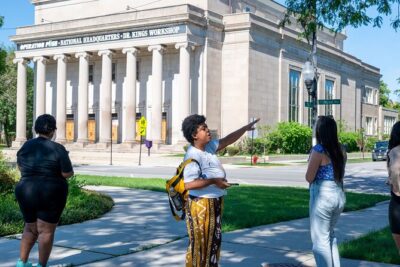 ★ 4.0Chicago Black History Highlights Walking TourFrom $55 reviews
 ★ 4.02 Hour Private Chicago Soul House Tour4 reviews
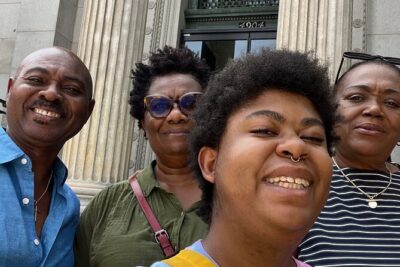 ★ 4.0Explore Black History on the Southside of ChicagoFrom $54 reviews
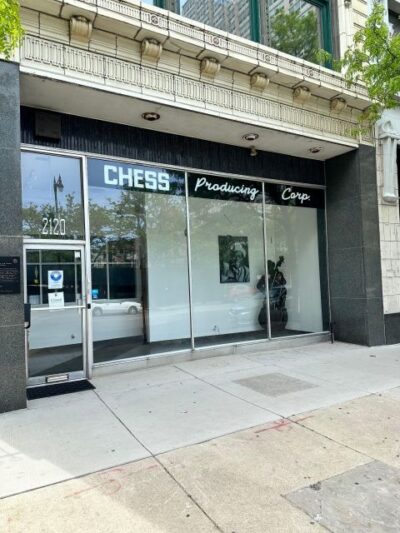 ★ 5.0Black Heritage TourFrom $1253 reviews
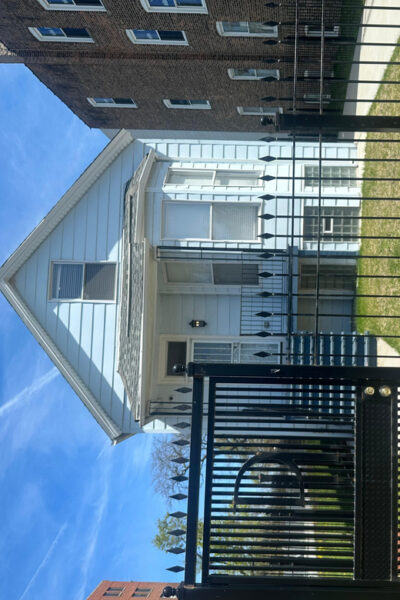 ★ 3.7Soul House TourFrom $653 reviews
Browse the lists this tour appears in