
REVIEW · CHICAGO HISTORY TOURS
Chicago Walking Tour: A Walk Through Time
Chicago’s architecture tells time as you walk. This small-group Chicago Architecture Center walking tour moves at a smart pace, taking you through famous landmarks in chronological order—so you can follow the story without map stress. I like that it starts at the Chicago Architecture Center, where you get quick context before heading outside.
What makes it truly worthwhile is the professional, certified guide who stays engaged and answers questions without turning the walk into a lecture. You get in-depth commentary, plus frequent moments for photos, which matters when you have limited time.
One consideration: the tour is built for speed, so most stops are best experienced from the sidewalk. Expect short view-and-photo moments rather than a slow, inside-the-building deep stop at every location.
In This Review
- Key highlights before you go
- Why this Chicago architecture walk beats DIY
- The Chicago Architecture Center: your smart starting point (Stop 1)
- 177 N State St and the cast-iron lesson (Stop 2)
- Virgin Hotels Chicago: a quick look at what came after (Stop 3)
- Hampton Inn and the renovated Chicago Motor Club (Stop 4)
- Aqua Tower and Lakeshore East: modern Chicago by the lake (Stop 5)
- NBC Tower: Art Deco attitude with a Post-Modern twist (Stop 6)
- Carbide and Carbon Building exterior: a classic Chicago finale (Stop 7)
- The price: $35 for a short walk, galleries included
- What it’s like on the ground: timing, group size, and photo sanity
- Who should book this tour (and who might want something else)
- Should you book this Chicago Architecture Center walking tour?
- FAQ
- How long is the Chicago walking tour?
- What does the tour cost?
- Where do I meet, and where does the tour end?
- Is admission to the Chicago Architecture Center included?
- Do I get tickets for the other buildings?
- How big are the groups?
- Do I need hotel pickup or drop-off?
- Is there storage for luggage or strollers, or coat check?
- Are pets allowed?
- What is the cancellation policy?
Key highlights before you go

- Chronological route: Buildings are covered in order, so the architectural changes make sense as you move forward in time.
- Small group feel (max 15): You can actually hear the guide and ask questions.
- Chicago Architecture Center galleries included: Your ticket price doesn’t just get you on a walk—it adds real value.
- Frequent photo stops: You’re not stuck sprinting past everything; you get little pauses.
- Built for time-pressed visitors: At about 1 hour 30 minutes, it’s a strong first-day activity.
Why this Chicago architecture walk beats DIY
If you’ve ever tried to “wing it” through the Loop, you know the problem: Chicago’s buildings are everywhere, but the connections between them are easy to miss. This tour solves that with a set route and a clear theme—Chicago architecture through time—so you’re not just looking at pretty facades.
The pacing is also practical. At roughly 90 minutes total, it fits into a busy schedule without feeling rushed in the way some whirlwind tours do. The guide leads the way, so you avoid the usual friction of stopping to check your phone or trying to figure out where you’re supposed to be looking next.
And there’s a bonus built into the format: you’re not left with a list of names after you finish. You leave with a sense of why Chicago’s styles changed when they did, and how the city’s growth shaped the architecture you see today. That’s where the value shows up for me—information that sticks.
From the fire of 1871 forward, more history
The Chicago Architecture Center: your smart starting point (Stop 1)
You begin and end at the Chicago Architecture Center at 111 E Wacker Dr. Before the sidewalks start flying by, you get to settle in with the galleries admission that’s included in the tour price.
That first step matters more than it sounds. If you start outside with no context, you tend to focus only on what looks impressive. Starting at the center helps you notice details you might otherwise overlook—materials, design choices, and the big “why” behind the look of the buildings.
Plan to arrive a few minutes early so you’re not rushing through the gallery portion. Once you’re outside, your guide’s commentary will make more sense because you’ve already been primed for what you’ll see next.
177 N State St and the cast-iron lesson (Stop 2)
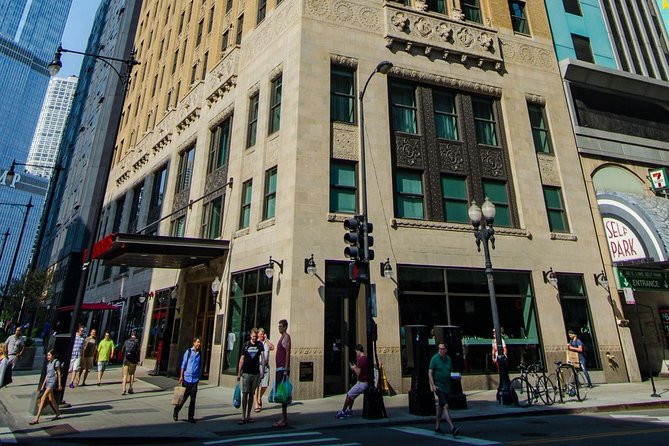
Next up is 177 N State St, built in the late 1800s, with a distinctive cast-iron front. This is one of those Chicago stops where the exterior tells a story fast: the building’s surface is doing the talking.
The practical benefit here is that you’re learning architecture in layers. Modern visitors often focus on height or glass, but older Chicago style often lives in texture and facade design. Seeing a cast-iron front up close from the sidewalk gives you a concrete reference point for what comes later in the tour.
Drawback to keep in mind: this is a view-from-outside moment. If you were hoping for a long interior visit at each stop, this tour’s format won’t fully match that style.
Chicago at sidewalk speed, more routes
- Chicago: Gangsters and Ghosts Walking Tour
★ 5.0 · 7,155 reviews - Chicago Favorites Ultimate Food and Walking Tour
★ 5.0 · 1,962 reviews - Chicago: Gangsters and Ghosts Guided Walking Tour
★ 4.7 · 1,697 reviews
Virgin Hotels Chicago: a quick look at what came after (Stop 3)
At Virgin Hotels Chicago, you get a short exterior viewing stop. This part of the walk works as a bridge: you’ve just seen late-1800s architecture cues, and now you’re moving toward later eras and changing tastes.
Because the stop is brief, it’s less about details you can memorize and more about perspective. You’re training your eye to spot how Chicago’s buildings evolve—how designers respond to what came before and to what the city needed at the time.
If you enjoy spotting style shifts—like how massing, ornament, and window rhythms change across decades—this kind of quick stop is actually a feature. It keeps the story moving.
Hampton Inn and the renovated Chicago Motor Club (Stop 4)
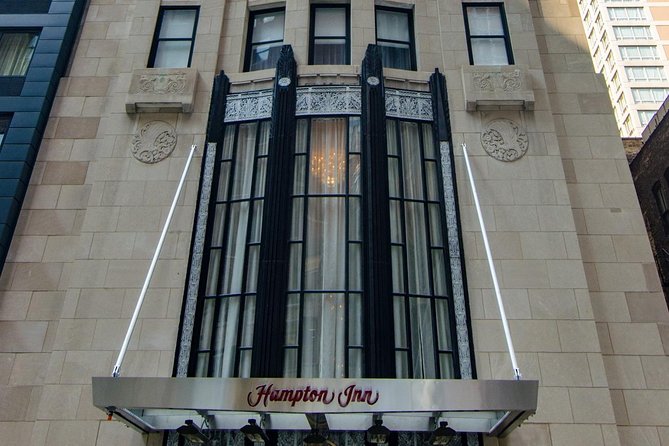
The tour then heads to Hampton Inn Chicago Downtown/N Loop/Michigan Ave, where you can view the renovated Chicago Motor Club. This is a helpful stop for understanding that architecture isn’t frozen in time. Buildings get reused, updated, and given new purposes.
I like this moment for practical reasons: it nudges you to look beyond first impressions. Even when a building is historic or recognizable, it may be operating in a modern context. That’s a key part of “architecture through time” that many sightseeing plans skip.
Again, it’s not an all-day interior visit. You’ll likely spend only a few minutes here, so keep your phone camera ready but don’t expect a long photo session or a guided walk inside.
Aqua Tower and Lakeshore East: modern Chicago by the lake (Stop 5)
One of the most visually satisfying stretches comes when you view Aqua Tower and the entire Lakeshore East development. This stop shifts the feel of the tour toward the modern skyline—glass, height, and large-scale planning that reshaped the waterfront area.
For first-time visitors, this is a strong “now you’re seeing the later chapter” moment. The architecture you’ve been learning about up to this point makes the modern design choices easier to interpret. You’re not just seeing something new—you’re seeing how Chicago’s building mindset changed as the city grew and priorities shifted.
Potential drawback: if your main goal is skyline photography, the time at the stop can feel short. You’ll get your chances, but it’s still a walking tour with steady forward motion.
NBC Tower: Art Deco attitude with a Post-Modern twist (Stop 6)
Next comes NBC Tower, home to NBC’s Chicago offices. The guide points out how it’s a Post-Modern interpretation of Art Deco style, which is a big deal for your brain.
This is where the tour earns its keep. Instead of treating architectural eras like separate trivia chunks, you learn how designers can reference older styles while still making a modern statement. The result is a richer way to look at the skyline—more pattern recognition, less random staring.
It’s also a good stop if you like media and design crossing paths. You get both: a major broadcast landmark and a design story about style evolution.
Like most stops on this tour, you’re viewing from outside, so focus on the facade and overall proportions rather than expecting access.
Carbide and Carbon Building exterior: a classic Chicago finale (Stop 7)
The walk ends with the Carbide and Carbon Building exterior. This stop works well as a closing image because it feels distinctly Chicago—an older icon that has enough character to hold your attention even without extra access inside.
Finishing here helps you reflect on what you’ve learned over the whole route. You started with late-1800s details, moved through later architectural shifts, and ended on a building that reinforces Chicago’s identity: bold design choices that weren’t afraid to be noticed.
By the time you’re at the last exterior, the tour’s chronological theme should feel clear. You’re not leaving with only pictures—you’re leaving with a story arc.
The price: $35 for a short walk, galleries included
At $35 per person, this can feel like a “just walking” purchase—until you look at what’s included. The tour price includes admission to the Galleries of the Chicago Architecture Center, which matters because it turns the $35 into something more than a sidewalk lecture.
You also get a professional, certified guide, which is the real difference between a self-guided walk and an explanatory one. A guide helps you notice the right things: why cast iron showed up, how style references evolve, and how the city’s growth shaped what got built.
Is it a budget option? For what you get in 90 minutes, it’s often a strong value—especially if you planned to visit the architecture center anyway. The “small group, max 15” format also helps you feel like you’re getting personal attention.
What it’s like on the ground: timing, group size, and photo sanity
With an approximate 1 hour 30 minutes duration and a max 15 travelers group size, the tour stays nimble. The guide keeps everyone moving, but the stops are designed to give you short, manageable breaks for photos.
The best way to make this work for you: set expectations. This isn’t a slow museum crawl. It’s a fast, guided architecture sampler that gives you the language to appreciate what you’ll keep seeing later in the city.
If you’re traveling with kids, this tour can be hit-or-miss depending on their patience for talking and standing outdoors. For adults, it’s a great way to get your bearings fast, especially if you’re visiting for a short time and want the big names covered in a logical order.
Who should book this tour (and who might want something else)
This tour is a top match if you’re:
- Doing your first trip to Chicago and want a guided architecture overview
- Short on time but still want context, not just photos
- Interested in how styles change across eras—especially the link between older Chicago and later design references
You might want a different style of tour if you:
- Want lots of inside access at multiple buildings (this is mostly exterior viewing)
- Prefer a long, quiet experience where you linger without being moved along
Should you book this Chicago Architecture Center walking tour?
If you like architecture that comes with an explanation, this is an easy yes. The included access to the Chicago Architecture Center galleries, the chronological route, and a guide who stays personable and answers questions make it feel like a smart use of limited time.
Book it when you want a clear architectural story in about 90 minutes. Skip it if your main goal is maximum interior access and lots of unhurried time at each site.
FAQ
How long is the Chicago walking tour?
It runs about 1 hour 30 minutes.
What does the tour cost?
The price is $35.00 per person.
Where do I meet, and where does the tour end?
You meet at the Chicago Architecture Center, 111 E Wacker Dr, Chicago, IL 60601, and the tour ends back at the same meeting point.
Is admission to the Chicago Architecture Center included?
Yes. Your tour price includes admission to the Galleries of the Chicago Architecture Center.
Do I get tickets for the other buildings?
The tour information notes that some stops list admission tickets as free or not included, but the tour includes the Chicago Architecture Center galleries specifically. Expect mainly exterior viewing at the building stops.
How big are the groups?
The tour has a maximum of 15 travelers.
Do I need hotel pickup or drop-off?
No. Hotel pickup and drop-off are not included.
Is there storage for luggage or strollers, or coat check?
No luggage storage and no coat check are included.
Are pets allowed?
No, pets are not allowed. Service animals are allowed.
What is the cancellation policy?
You can cancel for a full refund up to 24 hours in advance of the experience start time. If you cancel less than 24 hours before, the amount paid is not refunded.
Chicago on Foot, Block After Block
- Chicago: Gangsters and Ghosts Walking Tour★ 5.0 · 7,155 reviews
- Chicago Favorites Ultimate Food and Walking Tour★ 5.0 · 1,962 reviews
- Chicago: Gangsters and Ghosts Guided Walking Tour★ 4.7 · 1,697 reviews
- Chicago in a Day: Food, History & Architecture Walking Tour★ 5.0 · 1,153 reviews
- Chicago’s Secret Interiors Architectural Walking Tour★ 5.0 · 635 reviews
The Wider Chicago Shortlist
- Chicago Architecture River Cruise★ 5.0 · 15,756 reviews
- Chicago River 90-Minute Architecture Tour★ 4.5 · 9,629 reviews
- Chicago River: 1.5-Hour Guided Architecture Cruise★ 4.8 · 8,046 reviews
- Chicago: Gangsters and Ghosts Walking Tour★ 5.0 · 7,155 reviews
- Chicago Architecture Center River Cruise aboard First Lady★ 5.0 · 5,536 reviews
Since the Fire: Chicago History
- Chicago in a Day: Food, History & Architecture Walking Tour★ 5.0 · 1,153 reviews
- Chicago: Field Museum of Natural History Ticket or VIP Tour★ 4.7 · 717 reviews
- Field Museum of Natural History Admission Tickets★ 4.5 · 489 reviews
- Chicago Walking Tour: Historic Treasures of Chicago★ 5.0 · 362 reviews
- Historical and Architectural Chicago Fireboat River & Lake Cruise★ 5.0 · 246 reviews
The Ink Is Still Wet on These Chicago Reviews




Chicago History Tours, compared.
 ★ 5.0Chicago in a Day: Food, History & Architecture Walking TourFrom $1001,153 reviews
 ★ 4.7Field Museum of Natural History Ticket or VIP TourFrom $29717 reviews
 ★ 4.5Field Museum of Natural History Admission TicketsFrom $29489 reviews
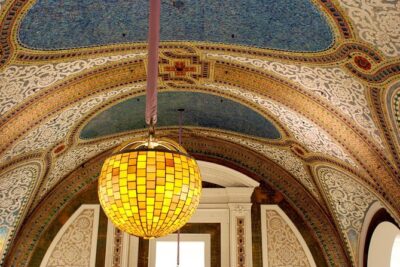 ★ 5.0Chicago Walking Tour: Historic Treasures of ChicagoFrom $35362 reviews
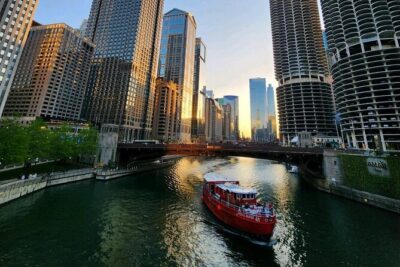 ★ 5.0Historical and Architectural Chicago Fireboat River & Lake CruiseFrom $47246 reviews
 ★ 5.0Walkin’ with Colin: Chicago History-Mystery-Comedy-Tragedy TourFrom $44218 reviews
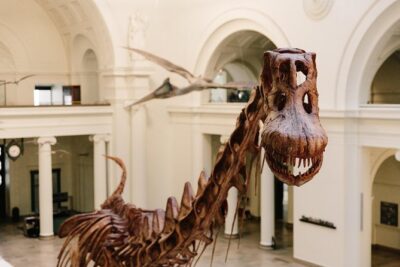 ★ 4.5Field Museum of Natural History All-Access PassFrom $41135 reviews
 ★ 4.5African American Heritage Tour of Chicago127 reviews
Browse the lists this tour appears in