
REVIEW · CHICAGO HISTORY TOURS
Walking Tour: Chicago’s Prairie Ave Dist. – Street of the Elite
Prairie Avenue hides the city’s elite past. This 4-hour walk-and-transit route connects Chess Records, historic churches, and turn-of-the-century mansions, with just a few chances to stop and breathe. I love the small-group feel (max 10) and the private docent-led interiors, which turn Chicago architecture into something you can actually picture.
I also like how the tour isn’t just about buildings on a map. You get real neighborhood context along the way, plus a cafe break at The Spoke & Bird and a classic sweet finish in the Palmer House lobby. One guide named Tom is especially praised for making the stories click fast, not slow.
The main thing to plan for is movement: some L stations may have stairs and not all are elevator-equipped. If you’re okay with that, you’ll be fine. If not, you might want to pick a different style of tour.
In This Review
- Key highlights worth showing up for
- Why the Prairie District tells Chicago’s elite story
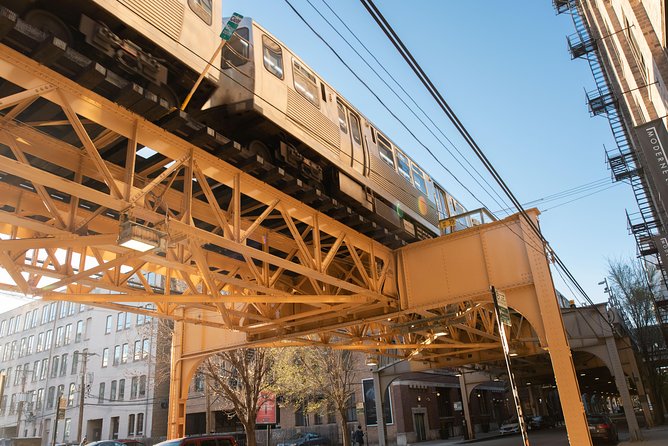
- Meeting at Chicago Athletic Association and catching the Green Line
- Chess Records: where Chicago blues took a major turn
- Second Presbyterian Church: a private mini tour you won’t rush
- The Spoke & Bird cafe break: a neighborhood pause
- Glessner House Museum: elite life in one carefully designed home
- Clarke House Museum: the oldest house moment
- Palmer House Hilton lobby: the sweet finale and a grand Chicago interior
- Price and logistics: does $80 feel worth it?
- What your day will feel like: pace, walking, and movement
- Who should book this Prairie Ave tour (and who might skip it)
- Should you book Chicago’s Prairie Ave District Street of the Elite tour?
- FAQ
- How long is the Prairie Ave District walking tour?
- How much does the tour cost?
- How many people are in the group?
- Where do you meet, and what time does it start?
- Where does the tour end?
- What’s included in the ticket price?
- What is not included?
- Is the tour suitable if I need elevators at train stations?
Key highlights worth showing up for
- Max 10 people keeps the pace human and questions easy
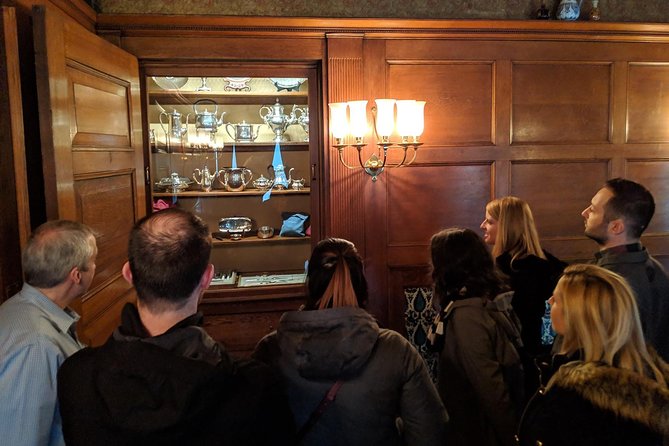
- Private mini tours at Second Presbyterian Church and Glessner House
- Chess Records gives you the blues side of Chicago history, not just the architecture
- Neighborhood cafe break at The Spoke & Bird (snack optional, purchases optional)
- Clarke House Museum is a quick hit that spotlights how elite Chicago lived
- Palmer House finale with a sweet treat and one of Chicago’s most famous hotel lobbies
Why the Prairie District tells Chicago’s elite story
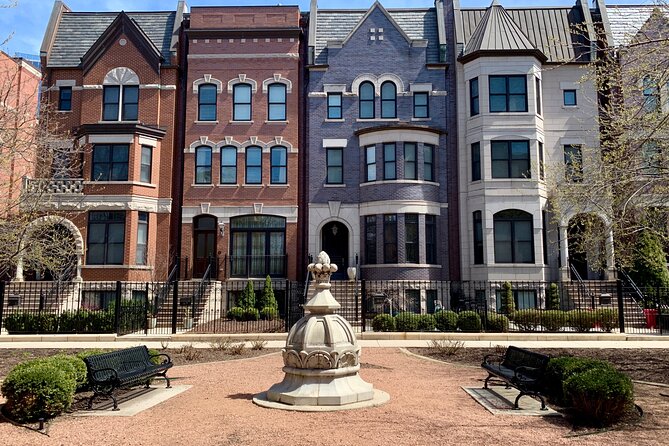
Chicago’s “Prairie District” (around Prairie Ave) was where status and money showed up in brick, stone, and carefully designed homes. On this tour, you don’t just get names and dates. You get a sense of how people lived around the turn of the 20th century—close enough to hear the city, but set apart by architecture and planning.
What I like here is the mix. You’ll see places linked to cultural power (yes, blues history at Chess Records), spiritual and civic pride (Second Presbyterian Church), and day-to-day elite life (Glessner House and the Clarke House). The neighborhood also gives you a calmer feel than the usual Loop sprint, even though you’re still in the heart of the city.
And because it’s timed for morning light and manageable blocks on foot, you’re not stuck running from one photo stop to the next. This is the kind of tour where you’ll end with a better sense of “why” the buildings look the way they do.
From the fire of 1871 forward, more history
Meeting at Chicago Athletic Association and catching the Green Line
You start at the Chicago Athletic Association – The Unbound Collection by Hyatt, at 12 S Michigan Ave. It’s a great meeting point because the building itself feels like Chicago: grand, historic, and built for people who wanted their city moments to look good.
From there, you’ll head to Washington & Wabash to board the Green Line for the ride over to the Prairie District. This matters more than you might think. The tour doesn’t treat transit like a chore. It treats it like a small “how Chicago works” lesson, so you finish knowing how to reach the area yourself later.
You’ll also get oriented on the neighborhood route—where the key landmarks sit and how the Prairie Ave stretch connects these very different sites. That orientation makes the walking sections feel smoother, because you’re not guessing what you’re seeing.
Chess Records: where Chicago blues took a major turn
Next up is Chess Records, after a short stroll from the Cermak L station. This is an important stop because it reminds you that Prairie Ave isn’t only “houses and churches.” Chicago’s music history sits right in the same broader story of power, ambition, and cultural influence.
Even though the visit is brief, it’s focused on the building’s role in producing some of the well-known and influential blues music Chicago is famous for. If you’ve heard blues records and wondered how Chicago shaped them, this stop gives you a direct, local link.
Practical note: since this is a quick stop, keep your expectations right. You’re not doing a full museum day here. You’re collecting context, then moving on while the connections are fresh.
Chicago at sidewalk speed, more routes
- Chicago: Gangsters and Ghosts Walking Tour
★ 5.0 · 7,155 reviews - Chicago Favorites Ultimate Food and Walking Tour
★ 5.0 · 1,962 reviews - Chicago: Gangsters and Ghosts Guided Walking Tour
★ 4.7 · 1,697 reviews
Second Presbyterian Church: a private mini tour you won’t rush
The tour then moves to Second Presbyterian Church of Chicago, where you’ll receive a private docent-led mini tour. This is one of the interiors that really earns its place in the tour plan, because a guide can point out what your eye would otherwise miss.
Churches like this aren’t just pretty exteriors. They reflect community priorities, social structure, and the kind of institution elites supported at the time. With a docent, you’re more likely to understand how the design supports the church’s role and presence—not just how it looks in photos.
The 40-minute time block is long enough to take in the space without feeling trapped, and short enough that you don’t get tour fatigue. This is also the kind of stop that pairs well with the earlier Chicago transit orientation—once you’ve ridden in and walked the area, the church feels grounded in its neighborhood, not dropped in from another city.
The Spoke & Bird cafe break: a neighborhood pause
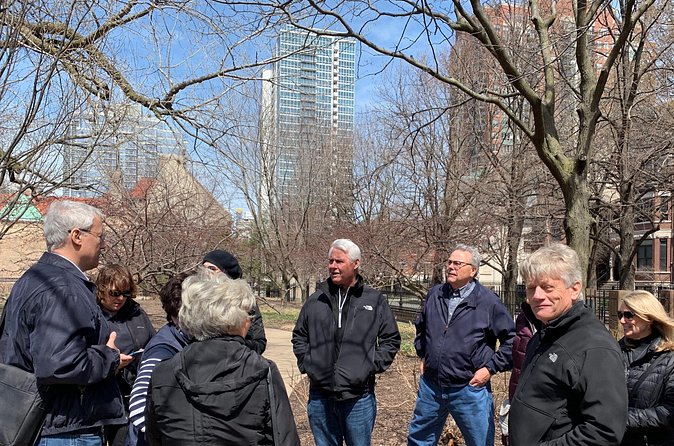
Then you get a break at The Spoke & Bird, a cafe that’s employee-owned and woman-owned. The tour schedules about 30 minutes here for a snack and a drink. Food and drinks aren’t included, but purchases are optional.
This stop is valuable for two reasons. First, it stops the tour from turning into nonstop sightseeing. Second, it keeps the experience grounded in today’s neighborhood life, not just the past.
You can use this break strategically:
- If you’re taking photos, do it before you sit down.
- If you’re hungry, choose something quick so you don’t feel behind when the group regroups.
- If you’re pacing yourself, this is a good moment to slow down and absorb what you’ve already learned about the area.
Glessner House Museum: elite life in one carefully designed home
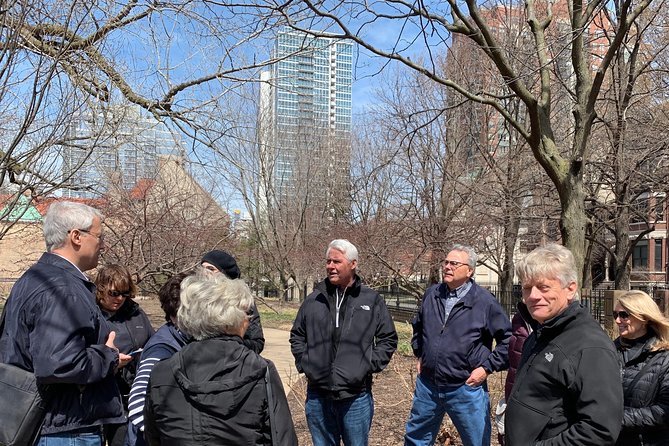
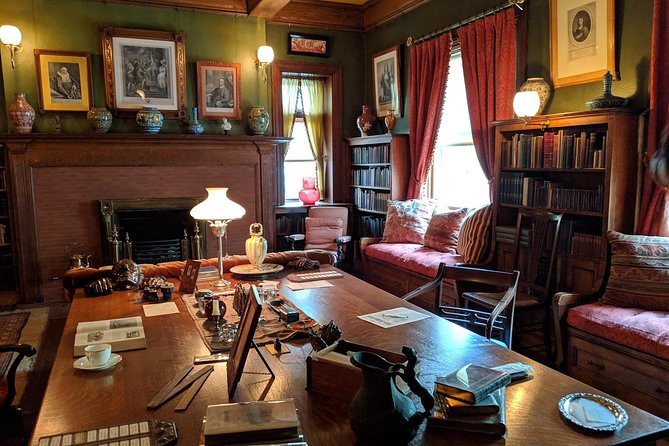
After the cafe break, you’ll head to Glessner House Museum, another stop with a private docent-led mini tour and a guided look at how elite Chicagoans lived around the turn of the 20th century.
This is the “see it, understand it” section of the tour. A docent-style visit usually does more than explain rooms. It helps you connect the layout and details to real daily life: privacy, status, comfort, and how a home’s design communicated who lived there.
You also get 40 minutes here, which is just right for a focused tour of a museum house. You’ll have enough time to ask questions, and enough time to feel like you actually visited a place (not just glanced at it).
One more thing I like: the tour builds toward this stop. You start with the bigger cultural institutions and city identity, then settle into the more intimate, personal scale of a house. That pacing makes the Glessner House feel earned.
Clarke House Museum: the oldest house moment
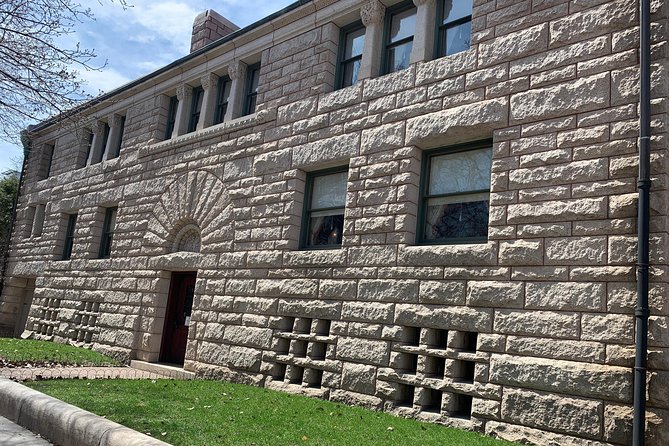
Next is Clarke House Museum, shown as a short 10-minute stop. The highlight here is that it’s the oldest house in Chicago, and you’ll learn how elite Chicagoans lived at the turn of the century.
Because it’s brief, don’t treat this as your main “house deep dive.” Treat it as a powerful snapshot. Ten minutes can still do a lot when a guide frames the key takeaways and you’re primed for what “elite” and “early Chicago” look like in physical form.
If you like quick hits—short, targeted stops that leave you with a single strong mental image—this one fits. If you prefer long museum time, you’ll probably want to spend more time elsewhere on a separate visit. But as part of a larger walking tour, it works.
Palmer House Hilton lobby: the sweet finale and a grand Chicago interior
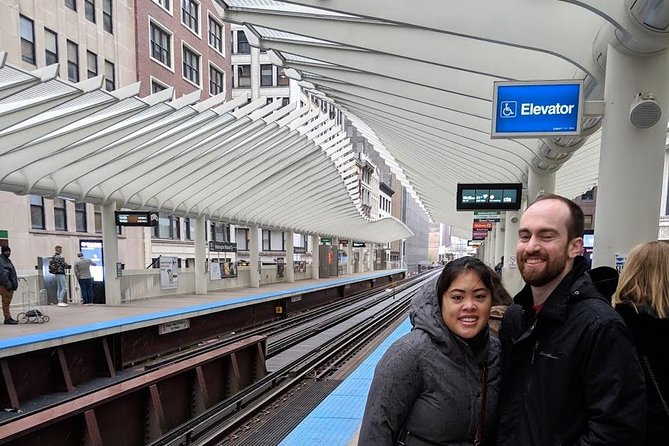
For the last stretch, you ride back to the Loop on transit and then explore the interior of Palmer House Hilton Historic Lobby. The tour ends with a sweet treat.
This is a smart way to finish. After spending hours thinking about how Chicagoans displayed status through homes, churches, and cultural institutions, you end inside one of Chicago’s classic grand hotels. The lobby is the kind of space that reminds you this city loves big interiors—spaces built to impress, host, and signal importance.
And yes, the sweet treat matters. People remember it because it’s timed right: you’re done walking and you’re ready to relax. One of the most repeated bits of feedback is that Palmer House brownie—an easy, happy end to a tour that otherwise stays pretty factual and structured.
Price and logistics: does $80 feel worth it?
At $80 per person for about 4 hours, the value comes from what’s actually included, not just the sites on the list.
Here’s what you’re getting for the money:
- Transit tickets (so you don’t have to figure out and buy separate rides)
- Church and Glessner House donation/fee
- A local expert guide
- Docent-led mini tours at the church and Glessner House
- Time at Chess Records, plus the cafe break and the final Palmer House stop
Food and beverages are not included, so you’ll pay for anything you want at The Spoke & Bird. Still, the tour does give you scheduled time for a snack, and you end with a sweet treat, so you’re not walking until dinner.
The other big value driver is the group size. With a small group capped at 10, you’re less likely to feel like a passenger in a crowded train car. You can ask questions, and the guide can keep moving at a pace that makes the neighborhood feel walkable.
If you want a “grab photos and go” tour, $80 might feel high. If you want guided context inside places that are usually harder to access on your own, this pricing starts making sense.
What your day will feel like: pace, walking, and movement
This tour is listed for moderate fitness. That lines up with the reality of mixing walking with L rides. You’ll likely spend time on foot between stops, and you’ll be on transit for the neighborhood shift.
The big thing to watch is stairs. Some stations may not have elevators, so plan on some steps. If you’re comfortable with that, it’s a great way to see Prairie Ave without spending your energy fighting the logistics.
Timing-wise, the morning start helps. You’re less likely to feel rushed, and the neighborhood photos tend to come out better when you’re not battling late-afternoon crowds.
Who should book this Prairie Ave tour (and who might skip it)
This works especially well if you:
- Want Prairie Ave specifically, not just a generic “Chicago highlights” loop
- Like guided architecture and interior stories, not only outdoor landmarks
- Want blues culture too, via Chess Records
- Prefer a small group and real conversation with your guide
It might not be your best match if you:
- Need an easier all-access plan without any potential stair exposure at stations
- Only want outdoor sights and don’t care about docent-led interiors
- Are looking for a full meal included in the price (snacks/drinks at the cafe aren’t included)
Should you book Chicago’s Prairie Ave District Street of the Elite tour?
Yes, if you want a focused, guided look at one of Chicago’s most interesting “elite” neighborhoods, with more depth than the usual quick photo run. The strongest reasons to book are the docent-led mini tours at Second Presbyterian Church and Glessner House, plus the mix of culture (Chess Records) and place-based context you can’t get from walking around alone.
I’d skip it only if stairs or station access is a dealbreaker for you, or if you hate the idea of buying your own cafe snack. Otherwise, this is a smart-value morning tour that ends in a genuinely iconic Chicago interior—with the brownie moment to prove you finished happy.
FAQ
How long is the Prairie Ave District walking tour?
It runs about 4 hours.
How much does the tour cost?
The price is $80.00 per person.
How many people are in the group?
The tour has a maximum of 10 travelers.
Where do you meet, and what time does it start?
You meet at the Chicago Athletic Association – The Unbound Collection by Hyatt, 12 S Michigan Ave, Chicago, IL 60603. The start time is 10:00 am.
Where does the tour end?
The tour ends at the Palmer House, a Hilton Hotel, 17 E Monroe St, Chicago, IL 60603.
What’s included in the ticket price?
Included are transit tickets, church and Glessner House donation/fee, and a local expert guide. Docent-led mini tours are included for the Second Presbyterian Church and Glessner House.
What is not included?
Food and beverages are not included (you can purchase optional items at The Spoke & Bird).
Is the tour suitable if I need elevators at train stations?
The tour notes that not all train stations are equipped with elevators, and you should be able to climb stairs.
Chicago on Foot, Block After Block
- Chicago: Gangsters and Ghosts Walking Tour★ 5.0 · 7,155 reviews
- Chicago Favorites Ultimate Food and Walking Tour★ 5.0 · 1,962 reviews
- Chicago: Gangsters and Ghosts Guided Walking Tour★ 4.7 · 1,697 reviews
- Chicago in a Day: Food, History & Architecture Walking Tour★ 5.0 · 1,153 reviews
- Chicago’s Secret Interiors Architectural Walking Tour★ 5.0 · 635 reviews
The Wider Chicago Shortlist
- Chicago Architecture River Cruise★ 5.0 · 15,756 reviews
- Chicago River 90-Minute Architecture Tour★ 4.5 · 9,629 reviews
- Chicago River: 1.5-Hour Guided Architecture Cruise★ 4.8 · 8,046 reviews
- Chicago: Gangsters and Ghosts Walking Tour★ 5.0 · 7,155 reviews
- Chicago Architecture Center River Cruise aboard First Lady★ 5.0 · 5,536 reviews
Since the Fire: Chicago History
- Chicago in a Day: Food, History & Architecture Walking Tour★ 5.0 · 1,153 reviews
- Chicago: Field Museum of Natural History Ticket or VIP Tour★ 4.7 · 717 reviews
- Field Museum of Natural History Admission Tickets★ 4.5 · 489 reviews
- Chicago Walking Tour: Historic Treasures of Chicago★ 5.0 · 362 reviews
- Historical and Architectural Chicago Fireboat River & Lake Cruise★ 5.0 · 246 reviews
The Ink Is Still Wet on These Chicago Reviews



Chicago History Tours, compared.
 ★ 5.0Chicago in a Day: Food, History & Architecture Walking TourFrom $1001,153 reviews
 ★ 4.7Field Museum of Natural History Ticket or VIP TourFrom $29717 reviews
 ★ 4.5Field Museum of Natural History Admission TicketsFrom $29489 reviews
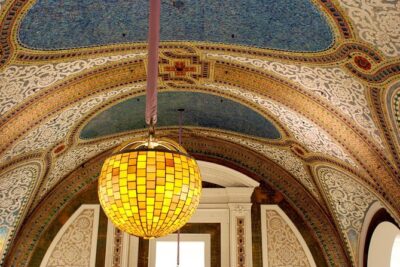 ★ 5.0Chicago Walking Tour: Historic Treasures of ChicagoFrom $35362 reviews
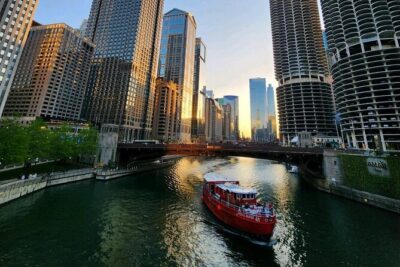 ★ 5.0Historical and Architectural Chicago Fireboat River & Lake CruiseFrom $47246 reviews
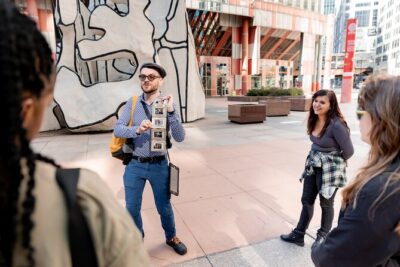 ★ 5.0Walkin’ with Colin: Chicago History-Mystery-Comedy-Tragedy TourFrom $44218 reviews
 ★ 5.0Chicago Walking Tour: A Walk Through TimeFrom $35181 reviews
 ★ 4.5Field Museum of Natural History All-Access PassFrom $41135 reviews
Browse the lists this tour appears in