

REVIEW · ARCHITECTURE WALKING TOURS
Marvels & Feats: An Engineer’s Tour of Chicago Architecture
Chicago’s buildings explain physics in real time. This is an engineering-themed walking tour that turns the skyline into something you can actually understand, from the early iron-and-steel era to how modern towers handle wind and gravity. You’re guided by a real engineer, so the explanations stay clear and fun rather than getting stuck in jargon.
I especially like the way it links story to structure, so you’re not just looking at height—you’re learning why Chicago buildings stand the way they do. The route also includes interiors of a few buildings, which helps you see the engineering choices up close instead of guessing from the sidewalk.
What I love most is the focus on cause-and-effect examples, like how a so-called haunted reputation can come down to a building settling unevenly on a “floating” foundation. And in one recent group, guide Hillary put early Chicago architecture into perspective and pointed out practical details that made the whole city feel more readable.
One consideration: this isn’t a casual chat tour. If you want a purely relaxed stroll with minimal structure-and-technology talk, the engineering angle may feel a bit heavy at first—still interesting, just more technical than a standard sightseeing walk.
In This Review
- Why this Chicago architecture tour feels different
- Key highlights you’ll remember after the walk
- The Loop stop: where Chicago engineering starts making sense
- What you’ll learn here (and why it matters)
- A practical drawback to keep in mind
- Chicago Riverwalk: newer engineering feats with big views
- Why this part of the tour is worth the walk
- How the engineer guide changes the experience
- Interiors included: what to expect and how to use the time
- Duration, group size, and pacing that makes it doable
- Price value: why $35 can feel like a bargain
- Weather and timing: plan like a Chicago local
- Who should book this tour (and who may not)
- Should you book? My honest take
- FAQ
- FAQ
- How long is the tour?
- How much does the tour cost?
- Where does the tour start and end?
- What time does it begin?
- Is the tour inside or mostly outdoors?
- Is it offered in bad weather?
- How big is the group?
- What kind of ticket do I get?
Why this Chicago architecture tour feels different
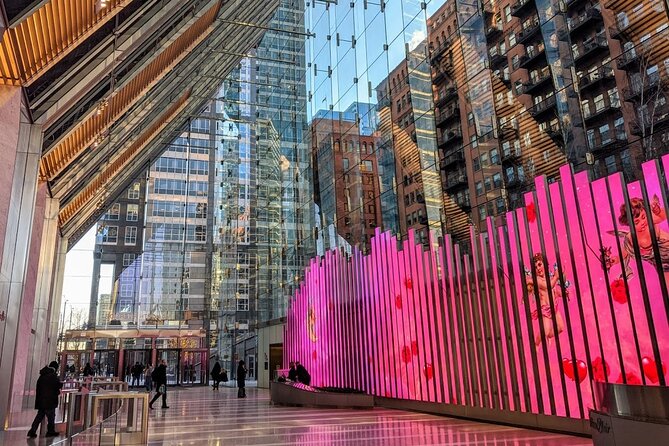
Chicago is famous for skyscrapers, but it’s more than a row of tall buildings. It’s a giant real-world workshop for engineering problems—and for the solutions that came out of them.
This tour is built around that idea: you’ll move through the Loop first, then along the Chicago River. You’ll cover more than 150 years of engineering evolution, with the guide explaining key concepts in plain terms and connecting them to what you’re seeing. The group is capped at 20 people, which keeps it interactive enough that you can ask questions instead of listening from the back row.
The other thing that makes it feel special is the “engineering-themed” framing. Instead of treating architecture as style only, you’ll learn how designers thought about stability, loads, settling, and wind. That changes how you look at every facade, because you start noticing the logic behind the lines.
Key highlights you’ll remember after the walk
- An engineer-led route that explains structure, not just style
- 150+ years of Chicago engineering evolution in a tight 2-hour format
- Examples like uneven settling on floating foundations and why it gets labeled haunted
- Buildings tied to the father of the skyscraper and his ties to major European engineering
- Stops focused on how Chicago handles gravity and wind
- A small group size (max 20) that keeps the tour from feeling like a lecture
Neck craned in the Loop, more building walks
The Loop stop: where Chicago engineering starts making sense
Your tour begins in downtown at 430 S Michigan Ave (2:30 pm start). Most of the action happens in Chicago’s central district, the Loop, where the city’s engineering story is easy to experience on foot: buildings are close together, so you can compare techniques and time periods without long transit breaks.
This first stretch runs about 1 hour 15 minutes, and it includes pop-ins into a couple buildings with notable structural design. That inside time is a big deal. From the sidewalk, you can admire shape. Inside, you can start to understand decisions: how spaces relate to structural elements, what details you can see, and how the building’s design shows up in real rooms rather than photos.
What you’ll learn here (and why it matters)
A core theme is Chicago’s role in skyscraper development. The tour points you toward a building associated with the father of the skyscraper, who was an engineer and a classmate of Gustav Eiffel. That connection matters because it frames Chicago architecture as part of a wider engineering conversation, not an isolated local experiment.
You’ll also get concrete, visual explanations of how buildings handle gravity and wind—which is more practical than it sounds. When you understand that tall buildings have to manage real forces, the skyline becomes a set of engineering responses rather than just an aesthetic choice.
- Chicago Architecture River Cruise
★ 5.0 · 15,756 reviews - Chicago River 90-Minute Architecture Tour
★ 4.5 · 9,629 reviews - Chicago River: 1.5-Hour Guided Architecture Cruise
★ 4.8 · 8,046 reviews
A practical drawback to keep in mind
Because this section is partly inside, you’ll want to dress for walking plus getting in and out of buildings. The tour runs in all weather conditions, so plan like you’re going to be outside for much of the time. If you’re someone who dislikes weather gear or hates stepping indoors repeatedly, this may be an extra annoyance—though the inside stops help break up the exterior walking.
Chicago Riverwalk: newer engineering feats with big views
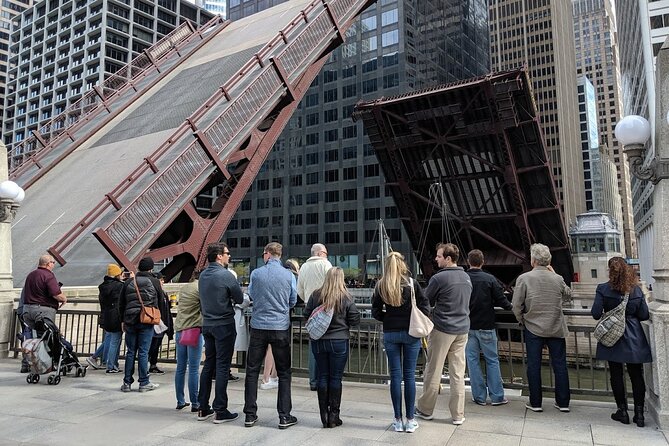
After the Loop, you shift to the Chicago Riverwalk for about 45 minutes. This is where you get the payoff: views, scale, and a chance to connect the engineering story to the city’s layout along the water.
The Riverwalk stop is described as exploring more recent engineering feats along the river, and the guide helps you notice what changed over time. You’re not just moving from one district to another—you’re moving forward in engineering maturity. Newer buildings let you compare approaches across eras, and the river adds that “you can see the city” feeling that makes architecture stick in your head.
Why this part of the tour is worth the walk
Chicago’s engineering story isn’t only about structures built to stand. It’s also about structures built in a place with wind, traffic, and constantly changing urban conditions. On the Riverwalk, you get broader lines of sight, so the concepts the guide explains land faster. It’s easier to understand how wind exposure and building mass affect design when you can visually scan the skyline from a distance.
Also, the tour ends at Riverpoint Park, 150 N Riverside Plaza, with a sweeping view of the river. That final view is a good way to lock in what you learned. If you like ending walks with a “now I get it” moment, this finish delivers.
How the engineer guide changes the experience
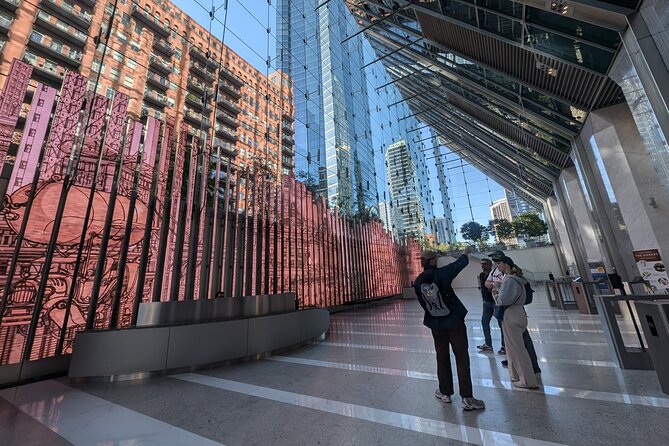
The biggest selling point here is that the guide is a real engineer who makes the information accessible without turning it into a textbook. That’s the difference between a tour that points at buildings and a tour that helps you interpret them.
You’ll see examples that are easy to remember because they have a clear cause:
- Settling can create unevenness, and that can feed into local legends—like a building getting labeled haunted when the explanation is structural movement.
- Wind and gravity aren’t abstract; they show up in how the building resists sway and supports loads.
- Engineering evolution over 150 years changes what’s possible, what’s efficient, and how design choices get made.
And the guide experience matters. One recent group highlighted Hillary for opening up the early architecture of Chicago and sharing hidden details. Even if you’re not chasing “architecture trivia,” that kind of interpretation helps you notice what you’d normally gloss over.
Interiors included: what to expect and how to use the time
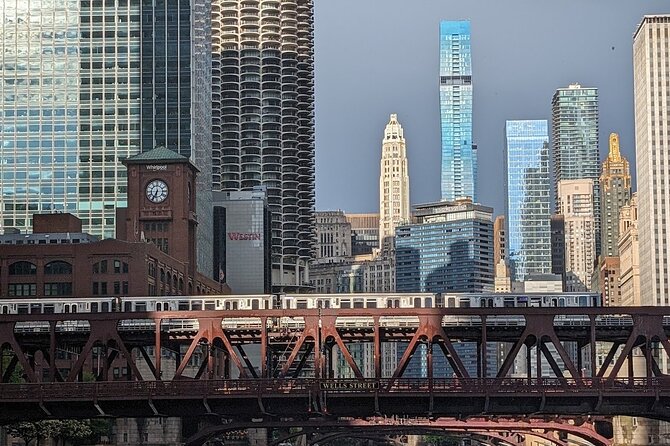
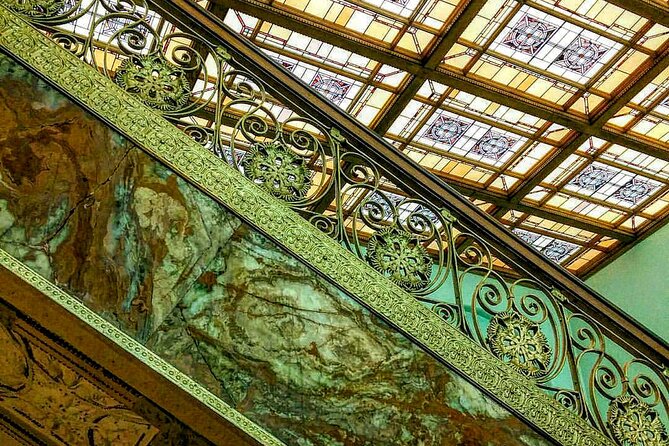
You’ll visit interiors of a few buildings during the Loop segment. The exact buildings aren’t listed here, but the purpose is clear: interiors help you understand structure from closer angles and through how people experience the building.
When you go inside, don’t just look for decorative stuff. Instead, train your eyes for practical clues the guide points out:
- where the structure feels obvious versus invisible
- how the space is organized relative to the building’s engineering
- what details make you think about supports, stability, and materials
If you do this, the interior stops stop feeling like a quick photo break and start feeling like real learning. It’s also why this tour can feel more valuable than many exterior-only architecture walks.
Duration, group size, and pacing that makes it doable
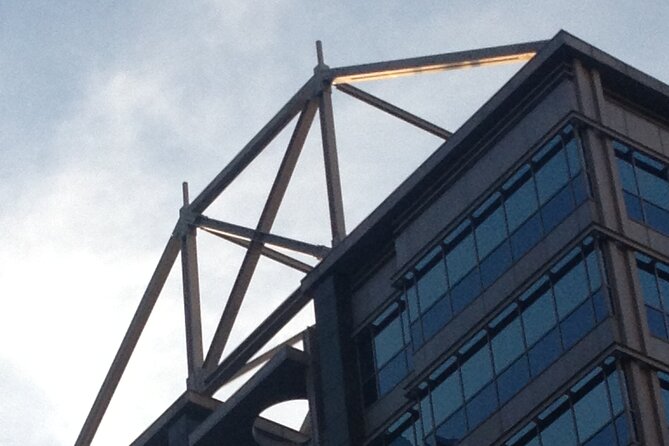
At around 2 hours, this tour is long enough to build a story arc but short enough that you’re not exhausted by the end. The pacing is also built into the itinerary:
- 1 hour 15 minutes in the Loop with inside time
- 45 minutes along the Riverwalk with more recent engineering examples
The group max is 20 travelers, which helps a lot. You’ll get a better chance to ask questions, especially if you’re the type who wonders how something works and wants a straightforward answer.
You’ll also want a moderate physical fitness level since it’s a walking tour with outdoor time. It’s not described as strenuous, but it is still a city walk with weather exposure.
Price value: why $35 can feel like a bargain
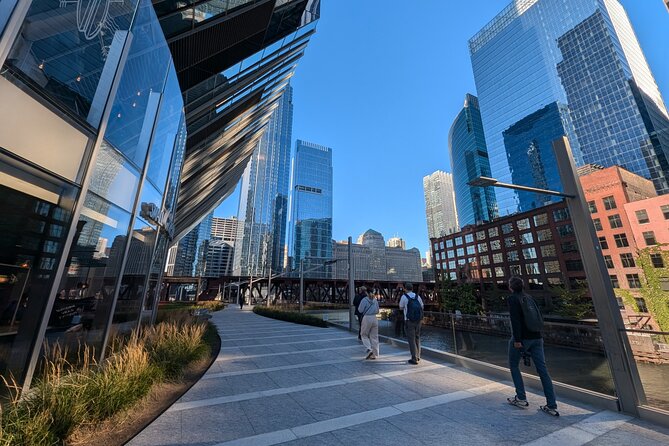
The price is $35.00 per person, with admission tickets for the building stops included (described as Free for the relevant parts). Compared to many guided tours where you pay for someone to tell you stories from the curb, you’re paying for a route that mixes:
- engineer-led explanations
- interior visits
- two distinct urban zones (Loop and Riverwalk)
- small-group size
And the timing matters. The tour is booked on average 45 days in advance, which is a signal of demand. If you wait until the last minute, you may find fewer options.
Bottom line: if you enjoy learning how things work—especially when it’s explained clearly—this price-to-experience ratio is strong.
Weather and timing: plan like a Chicago local
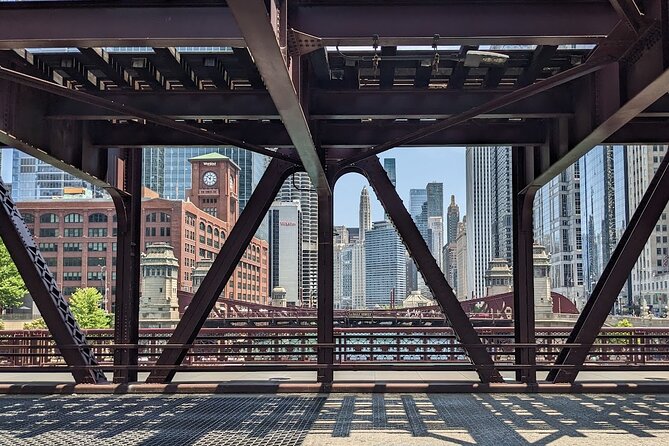
This tour runs in all weather conditions, so dress for the elements. That sounds obvious, but it’s worth taking seriously in Chicago: you’ll spend time outside between the Loop and the river.
Because the tour starts at 2:30 pm, you’ll want to plan your earlier hours accordingly. If you’re pairing it with other sightseeing, aim for something that doesn’t require long travel time beforehand—you’ll want to arrive rested enough to keep up with the walking plus inside visits.
Who should book this tour (and who may not)
This is a great fit if you:
- like architecture but want the story behind the stability, not just the look
- enjoy explanations that connect engineering concepts to real buildings
- want interiors included instead of an exterior-only walk
- prefer small groups and interactive guiding
You may be less thrilled if you:
- want a mostly relaxed photo-walk with minimal technical talk
- dislike weather-based outdoor time
- prefer tours focused only on art, style, or neighborhood history without engineering themes
Should you book? My honest take
I’d book it if you want to understand Chicago rather than just see it. The engineer-led format, the cause-and-effect examples (like settling and wind/gravity forces), and the fact that you get inside a couple buildings make this feel more like guided learning than standard sightseeing.
The biggest reason to choose it: you’ll leave with a different way of looking at the city. Instead of treating tall buildings as magic, you’ll know what problems engineers were solving. If that sounds like your kind of travel—even a little—this tour is an easy yes.
FAQ
FAQ
How long is the tour?
The tour lasts about 2 hours.
How much does the tour cost?
It costs $35.00 per person.
Where does the tour start and end?
It starts at 430 S Michigan Ave, Chicago, IL 60605 and ends at Riverpoint Park, 150 N Riverside Plaza, Chicago, IL 60606.
What time does it begin?
The start time is 2:30 pm.
Is the tour inside or mostly outdoors?
It’s mostly outdoors walking, with interior visits to a couple buildings during the downtown portion.
Is it offered in bad weather?
Yes. It operates in all weather conditions, so dress appropriately.
How big is the group?
The tour has a maximum of 20 travelers.
What kind of ticket do I get?
It uses a mobile ticket.
The Wider Chicago Shortlist
- Chicago Architecture River Cruise★ 5.0 · 15,756 reviews
- Chicago River 90-Minute Architecture Tour★ 4.5 · 9,629 reviews
- Chicago River: 1.5-Hour Guided Architecture Cruise★ 4.8 · 8,046 reviews
- Chicago: Gangsters and Ghosts Walking Tour★ 5.0 · 7,155 reviews
- Chicago Architecture Center River Cruise aboard First Lady★ 5.0 · 5,536 reviews
Chicago, Read from the Sidewalk
- Chicago in a Day: Food, History & Architecture Walking Tour★ 5.0 · 1,153 reviews
- Chicago’s Secret Interiors Architectural Walking Tour★ 5.0 · 635 reviews
- Chicago: Secret Interiors Architecture Walking Tour★ 4.9 · 498 reviews
- Chicago Architecture Tour: Underground Pedway and the Loop★ 5.0 · 388 reviews
- Chicago Walking Tour: Art Deco Skyscrapers Loop★ 5.0 · 138 reviews
The Ink Is Still Wet on These Chicago Reviews




Architecture Walking Tours, compared.
 ★ 5.0Chicago in a Day: Food, History & Architecture Walking TourFrom $1001,153 reviews
 ★ 5.0Chicago’s Secret Interiors Architectural Walking TourFrom $35635 reviews
 ★ 4.9Secret Interiors Architecture Walking TourFrom $35498 reviews
 ★ 5.0Chicago Architecture Tour: Underground Pedway and the LoopFrom $35388 reviews
 ★ 5.0Chicago Walking Tour: Art Deco Skyscrapers LoopFrom $35138 reviews
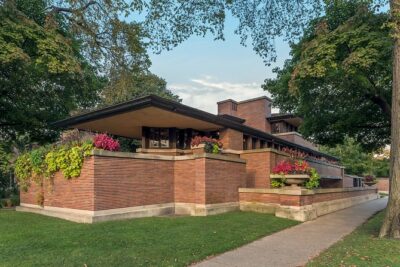 ★ 4.0Frank Lloyd Wright Robie House Admission130 reviews
 ★ 5.0Chicago Architecture Walking Tour: Incredible Art Deco InteriorsFrom $3585 reviews
 ★ 5.0Chicago Walking Tour: Historic SkyscrapersFrom $3567 reviews
Browse the lists this tour appears in