
REVIEW · MAGNIFICENT MILE TOURS
Chicago Walking Tour: The Magnificent Mile
That’s a lot of history for a short walk.
This small-group Magnificent Mile tour is a smart way to read the city through its buildings, not just through street names. I like that it’s capped at 10 people, so you get real guide attention and time to look closely. I also like that admission to the Chicago Architecture Center galleries is included, so the walk doesn’t end when you step off the sidewalk. One consideration: this is a walking tour, and there’s no storage or coat check, so plan to travel light.
You’ll start at the Chicago Architecture Center and move along Michigan Avenue with a professional, certified guide telling the stories behind the icons. The pace feels built for spotting details and photos—one review notes there was plenty of time for pictures, and that tracks with the value here: you’re paying for context and viewpoints, not a rushed checklist. The only “watch out” is that access to any building interiors featured on the tour can change without notice because of weekend and holiday schedules or closures.
In This Review
- Key things that make this tour worth your time
- The Magnificent Mile is better when you can read it
- Meeting at the Chicago Architecture Center: your “start line” matters
- What you’ll learn beyond the famous buildings
- Stop-by-stop on Michigan Avenue (what each viewpoint adds)
- Stop 1: The Magnificent Mile’s street story
- DuSable Bridge views: a “how the city connects” moment
- Starbucks Reserve Roastery: when a brand becomes a landmark
- The Wrigley Building: the kind of landmark you can’t ignore
- InterContinental Chicago: hotels as skyline signals
- The Burberry store: luxury retail as urban theater
- 875 N Michigan Avenue (formerly John Hancock Center)
- Women’s Athletic Club: a building with identity beyond glamour
- Tribune Tower: a newly renovated landmark you’ll want to look twice at
- Small-group pace: why 10 people makes a difference
- The included Chicago Architecture Center galleries: make the day longer
- Price and value: why $35 feels fair here
- Logistics that actually matter before you go
- Who should book (and who might prefer something else)
- Should you book the Chicago Walking Tour: The Magnificent Mile?
- FAQ
- How long is the Magnificent Mile walking tour?
- Where does the tour start?
- How much does it cost?
- How big is the group?
- Is admission to the Chicago Architecture Center included?
- Are there any stops or viewpoints along Michigan Avenue?
- Is food or drink included?
- Is there storage for luggage or strollers?
- Can I bring a pet?
- Can I access building interiors during the tour?
Key things that make this tour worth your time
- 10-person cap keeps the walk personal, with room to ask questions and slow down for photos
- Chicago Architecture Center entry included lets you extend the experience after the street walk
- Michigan Avenue icons, explained with architecture and history stories you can’t easily spot on your own
- A mix of old-and-new details you’ll notice more once someone points them out
- Guides who keep it friendly and practical, including one named Tim that shows up in reviews
The Magnificent Mile is better when you can read it
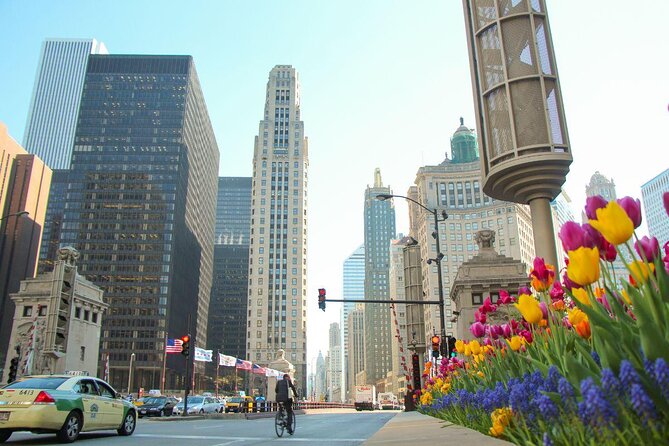
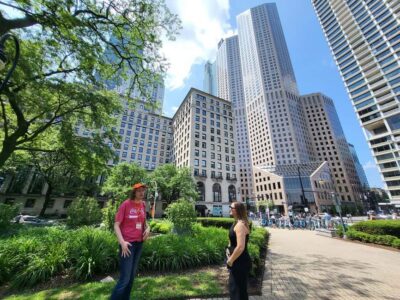
Michigan Avenue is famous for a reason, but when you walk it without guidance, you tend to just clock landmarks from a distance. This tour changes that. You’re guided down the avenue with the focus on what the buildings mean—how Chicago shaped itself, and how the city’s architecture reflects ambition, change, and style. It’s the kind of experience that helps you stop treating the skyline like a background.
The format matters too. At about 1 hour 30 minutes, it’s long enough to understand the street, but not so long that you’re done thinking by the halfway point. Most people do fine on the walking distance, and the group size keeps it from turning into a crowded shuffle line.
Working down the Mag Mile, more stops
Meeting at the Chicago Architecture Center: your “start line” matters
You meet at Chicago Architecture Center, 111 E Wacker Dr. I like this because it sets a clear tone: you’re not just doing a shopping-street stroll. You begin in an architecture-focused place, and that context helps you pay attention once you’re outside.
Another practical upside: it’s near public transportation. That matters in Chicago, where getting across town can be as much about timing as distance. If you’re pairing this with other stops that day, this start point makes planning simpler.
And since admission to the Galleries of the Chicago Architecture Center is included, you’re not relying on the walk alone for value. You can spend extra time inside either right after or later, depending on the day’s schedule.
What you’ll learn beyond the famous buildings
The tour’s theme is history and architecture along Michigan Avenue. At the start, you’ll talk about the Magnificent Mile itself, including what made the thoroughfare important and how the buildings along it connect to Chicago’s story. The best part is that you’re not just hearing generic facts; you’re learning how to look.
For me, that’s where the value shows up. Once a guide explains what to notice—mass, height, style choices, and how buildings relate to the street—you start seeing patterns. Even if you’ve visited Chicago before, this kind of guided framing turns familiar sights into something you actually understand.
Chicago at sidewalk speed, more routes
- Chicago: Gangsters and Ghosts Walking Tour
★ 5.0 · 7,155 reviews - Chicago Favorites Ultimate Food and Walking Tour
★ 5.0 · 1,962 reviews - Chicago: Gangsters and Ghosts Guided Walking Tour
★ 4.7 · 1,697 reviews
Stop-by-stop on Michigan Avenue (what each viewpoint adds)
This walk is built around a sequence of high-recognition landmarks. Here’s how each stop helps you read the street. Expect mostly street-level looking and narration, rather than a full indoor museum experience at every site.
Stop 1: The Magnificent Mile’s street story
You begin on the Magnificent Mile and talk through its history plus the architecture of notable buildings along it. This first segment is key because it gives you a mental map. After that, the rest of the stops feel less like random photo ops and more like chapters in the same story.
If you’re the type who likes to know why things are the way they are—who built it, why it matters, and how the city thinks—this is the section that makes the whole tour click.
DuSable Bridge views: a “how the city connects” moment
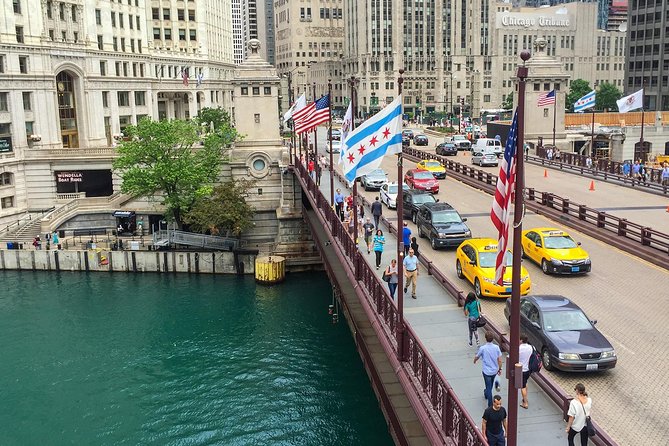
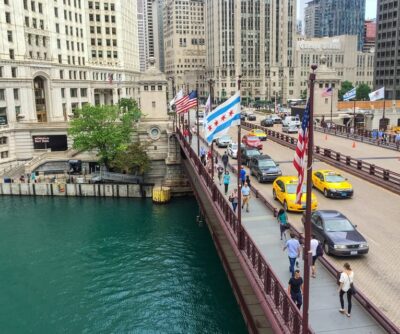
Next you’ll view the Michigan Avenue (DuSable) Bridge. This is a useful contrast. A bridge shifts your thinking from individual buildings to how Chicago moves and connects neighborhoods. Even from a walking-tour angle, it helps you understand the city as an interconnected system, not a set of isolated landmarks.
Starbucks Reserve Roastery: when a brand becomes a landmark
You’ll also stop for a look at the Starbucks Reserve Roastery. This isn’t just about seeing a recognizable business. A guide can help you frame why certain modern destinations become part of the skyline experience—how commerce, design, and tourism overlap on Michigan Avenue.
The Wrigley Building: the kind of landmark you can’t ignore
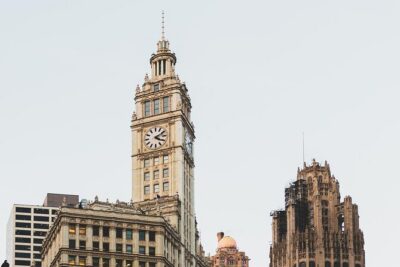
Then it’s the Wrigley Building. This is one of those buildings that people photograph without always knowing what makes it significant. On this tour, you get the architecture and historical context behind why it sits so prominently in Chicago’s visual identity.
InterContinental Chicago: hotels as skyline signals
You’ll view the InterContinental Chicago. Hotels can be easy to overlook until you realize they’re public symbols. They often reflect what a city wants to project to visitors. Having it pointed out on a guided route helps you read it as part of the avenue’s bigger narrative.
The Burberry store: luxury retail as urban theater
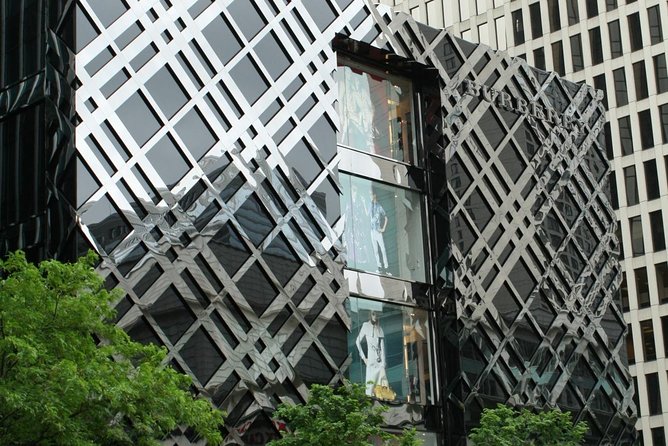
The tour includes a look at the Burberry store on Michigan Avenue. That sounds like a “shop stop,” but the angle here is different: you’re watching how street-level architecture and branding shape the experience of the avenue. Michigan Avenue is a stage, and retail is one of the ways it performs.
875 N Michigan Avenue (formerly John Hancock Center)
One of the more interesting viewpoints is 875 N Michigan Avenue, formerly known as the John Hancock Center. This stop is valuable because it connects a building to changing identities over time. Even if you’ve heard the old name, seeing it in context makes it feel like part of Chicago’s evolution, not just a static postcard.
Women’s Athletic Club: a building with identity beyond glamour
Next you’ll view the Women’s Athletic Club. This matters because it adds variety to the tour’s feel. Not every major Michigan Avenue structure is about retail or celebrity. Places like this help you understand the social history that lives inside architecture—how Chicago communities formed and used buildings.
Tribune Tower: a newly renovated landmark you’ll want to look twice at
Finally, you’ll view the newly renovated Tribune Tower. Renovations are part of how cities keep architecture relevant. On a walking tour, you’re in the street with the timeline in your head, which is exactly when you’ll notice how a refreshed landmark changes the way the avenue reads.
Small-group pace: why 10 people makes a difference
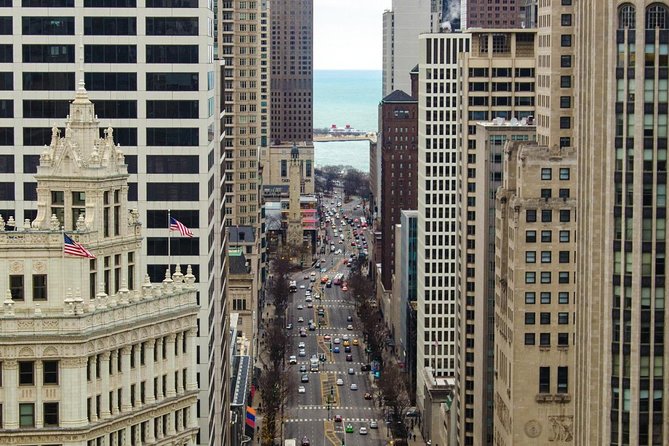
This tour caps at 10 travelers, and it changes the whole feel. In a large group, a guide talks while you scramble for the next spot. Here, the walk supports slower looking. That’s what you want when the mission is architecture and history.
It also helps with photos. One review specifically calls out that there was plenty of time to take pictures. That doesn’t mean you’ll linger forever, but it does mean you won’t feel like you’re being constantly rushed away from each viewpoint.
You’ll also get better odds of asking questions. Since the group stays small, your guide can actually respond in a way that connects to the building you’re standing near.
The included Chicago Architecture Center galleries: make the day longer
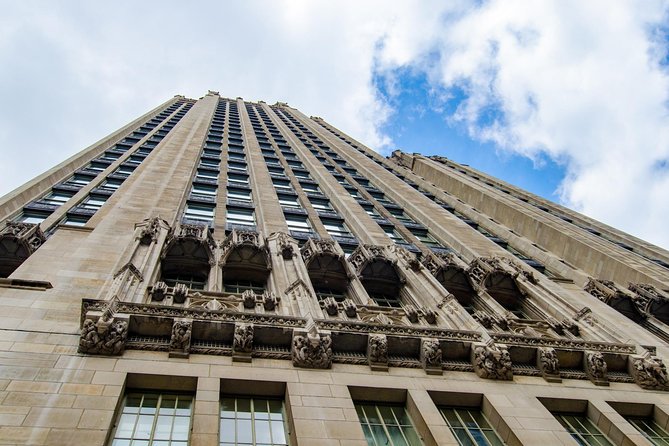
The walk includes admission to the Galleries of the Chicago Architecture Center. This is a major value add because it gives you a second layer of learning beyond the sidewalk narration.
I like pairing a street tour with an indoor museum-style space. Outdoors, you’re seeing scale and context. Indoors, you can slow down, look again, and connect what you just learned to more interpretive material. Since you already paid for entry, it’s an easy way to turn a 90-minute walk into a fuller Chicago experience.
Even if you only add a short stop inside, it helps you process what you saw along Michigan Avenue instead of letting the day blur into a set of photos.
Price and value: why $35 feels fair here
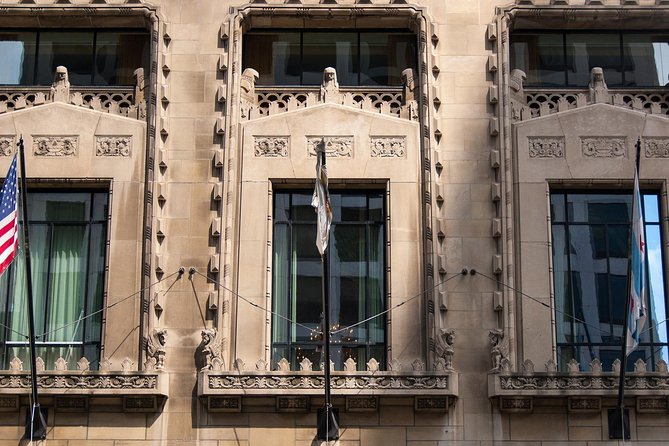
At $35 per person for about 1 hour 30 minutes, this could look pricey until you notice what’s included. You’re paying for:
- narration by a professional and certified guide
- a walking tour focused on architecture and history
- admission to the Chicago Architecture Center galleries
When admission is included, the math gets easier—especially if you were thinking of visiting the Architecture Center anyway. This tour also gives you something “ticket-only” sightseeing doesn’t: human guidance that helps you look at the avenue the right way.
In other words, you’re not just buying access. You’re buying interpretation. That’s usually where the best value in tours hides.
Logistics that actually matter before you go
A few details will make your day smoother:
- No food or drink included. Plan to get something before or after if you need it.
- No luggage/stroller storage and no coat check. If you’re traveling with bulky bags, this can be annoying.
- Access to building interiors may change based on weekend and holiday schedules or closures. That means you should be ready for the main experience to be exterior views with narration.
- Service animals are allowed, but pets are not allowed.
- It’s near public transportation, which helps with timing and getting to the meeting point.
Also, confirmation is received at booking, and the tour is free to cancel up to 24 hours in advance if plans change.
Who should book (and who might prefer something else)
This tour is ideal if you want an efficient way to understand one of Chicago’s most famous avenues without turning it into a museum day. I’d especially recommend it if:
- you like architecture stories tied to real places
- you want a small-group experience (10 people max)
- you’re planning to visit the Chicago Architecture Center anyway
It may not be the best fit if you’re hoping for long, in-depth indoor time at every stop. This is a walking tour built around a street route and viewpoints. If your main goal is shopping, you might still enjoy it, but the tour focus is history and architecture, not retail browsing.
Should you book the Chicago Walking Tour: The Magnificent Mile?
I think you should book this if you want to turn Michigan Avenue from a list of famous buildings into a street with meaning. The combination of small-group pacing, a professional guide, and included Architecture Center entry makes it a strong value choice for first-time visitors and returning Chicago fans alike.
One more reason I’m on board: the tour is short enough to fit into a day, but it’s guided enough that you’ll leave with a better mental map of the avenue. If that’s what you want—street-level Chicago with context—this is a smart bet.
FAQ
How long is the Magnificent Mile walking tour?
It runs for about 1 hour 30 minutes.
Where does the tour start?
Meet at the Chicago Architecture Center, 111 E Wacker Dr, Chicago, IL 60601.
How much does it cost?
The price is $35.00 per person.
How big is the group?
The tour is capped at a maximum of 10 travelers.
Is admission to the Chicago Architecture Center included?
Yes. Admission to the Galleries of the Chicago Architecture Center is included.
Are there any stops or viewpoints along Michigan Avenue?
Yes. You’ll view the Michigan Avenue (DuSable) Bridge, Starbucks Reserve Roastery, Wrigley Building, InterContinental Chicago, Burberry on Michigan Avenue, 875 N Michigan Avenue (formerly the John Hancock Center), Women’s Athletic Club, and the Tribune Tower.
Is food or drink included?
No. Food and drink are not included.
Is there storage for luggage or strollers?
No. Storage for luggage and strollers is not included.
Can I bring a pet?
No. Pets are not allowed.
Can I access building interiors during the tour?
Access to building interiors featured on the tour may change without notice due to weekend and holiday schedules or unforeseen closures.
Chicago on Foot, Block After Block
- Chicago: Gangsters and Ghosts Walking Tour★ 5.0 · 7,155 reviews
- Chicago Favorites Ultimate Food and Walking Tour★ 5.0 · 1,962 reviews
- Chicago: Gangsters and Ghosts Guided Walking Tour★ 4.7 · 1,697 reviews
- Chicago in a Day: Food, History & Architecture Walking Tour★ 5.0 · 1,153 reviews
- Chicago’s Secret Interiors Architectural Walking Tour★ 5.0 · 635 reviews
The Wider Chicago Shortlist
- Chicago Architecture River Cruise★ 5.0 · 15,756 reviews
- Chicago River 90-Minute Architecture Tour★ 4.5 · 9,629 reviews
- Chicago River: 1.5-Hour Guided Architecture Cruise★ 4.8 · 8,046 reviews
- Chicago: Gangsters and Ghosts Walking Tour★ 5.0 · 7,155 reviews
- Chicago Architecture Center River Cruise aboard First Lady★ 5.0 · 5,536 reviews
The Mag Mile, Block by Block
- Chicago River 45-Minute Architecture Tour from Magnificent Mile★ 4.5 · 2,924 reviews
- Magnificent Mile Tour With Optional 360 Chicago Upgrade★ 5.0 · 80 reviews
- Chicago Perfume Making Classes on Magnificent Mile★ 5.0 · 44 reviews
- Chicago Candle Making Class On Magnificent Mile★ 4.5 · 20 reviews
- Chicago: Magnificent Mile Walking Tour★ 4.5 · 7 reviews
The Ink Is Still Wet on These Chicago Reviews




Magnificent Mile Tours, compared.
 ★ 4.5Chicago River 45-Minute Architecture Tour from Magnificent MileFrom $282,924 reviews
 ★ 5.0Magnificent Mile Tour With Optional 360 Chicago UpgradeFrom $3980 reviews
 ★ 5.0Chicago Perfume Making Classes on Magnificent MileFrom $8544 reviews
 ★ 4.5Chicago Candle Making Class On Magnificent MileFrom $7520 reviews
 ★ 4.5Magnificent Mile Walking TourFrom $357 reviews
 ★ 3.0Chicago Food Tour with The Magnificent Mile and Millennium Park4 reviews
 ★ 5.0Magnificent Mile Tour With Optional 360 ChicagoFrom $393 reviews
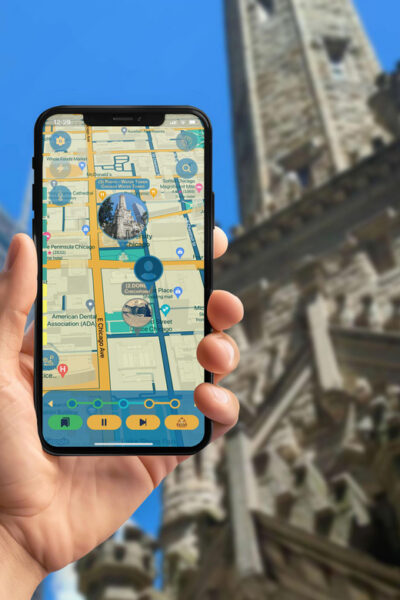 ★ 3.2Michigan Avenue Rendezvous Walking Tour with Smartphone AppFrom $173 reviews
Browse the lists this tour appears in