
REVIEW · MAGNIFICENT MILE TOURS
Chicago: Magnificent Mile Walking Tour
Chicago’s Magnificent Mile has a dirt-road backstory. This tour traces how Pine Street turned into the kind of grand boulevard Chicago still sells to the world, with stops tied to icons like the Tribune Tower and the Wrigley Building. You’ll also get the added bonus of Chicago Architecture Center galleries during the visit, so you’re not just looking at buildings—you’re learning how to read them.
Two things I really like: first, the way the story connects planning decisions (including Daniel Burnham’s influence and the Plan of Chicago from 1909) to what you see on the street today. Second, the tour leans into interiors too, with a look inside the Medinah Athletic Club, where decor moves from Egyptian to Renaissance styles.
One consideration: it’s a tight 90 minutes. If you’re hoping to cover lots of side streets beyond North Michigan Avenue, you might feel a little boxed in by the route.
In This Review
- Quick take on the Chicago Architecture Center Magnificent Mile walk
- From Pine Street to Pine Street’s big makeover
- The DuSable Bridge stop: where transportation changed the neighborhood
- North Michigan Avenue icons: reading the skyline like a story
- Intersections with architecture you can’t just spot from the sidewalk
- The Chicago Architecture Center galleries: models that make skyscrapers make sense
- Price and time: what $35 buys you in the real world
- Who this tour is best for (and who should rethink it)
- The community angle: you’re paying for more than a walk
- Should you book the Chicago Architecture Center Magnificent Mile walking tour?
- FAQ
- Where is the tour meeting point?
- How long is the Chicago: Magnificent Mile Walking Tour?
- How much does the tour cost?
- What’s included in the price?
- Is food or drink included?
- Can I bring luggage or strollers?
- Are pets allowed?
Quick take on the Chicago Architecture Center Magnificent Mile walk
- Pine Street to Paris on the Prairie: you’ll learn how a city concept becomes a shopping district
- A certified guide’s building stories: you’ll connect architecture to real-world changes in Chicago
- DuSable Bridge impact: see how a 1920s bridge helped flip an industrial area into commerce
- Icon stops plus brand architecture: you’ll pass major landmarks and major stores along Michigan Avenue
- Interior moments: Medinah Athletic Club decor and Art Deco bas relief panels add variety
- CAC galleries included: interactive Downtown Buildings and skyscraper development models help you “zoom out” before you “zoom in”
From Pine Street to Pine Street’s big makeover
North Michigan Avenue can feel like a straight line on a map. This tour makes it feel like a living timeline. You start at the Chicago Architecture Center, then head out with one clear theme: Chicago didn’t just grow tall. It planned, widened, reshaped, and marketed itself into a destination.
The origin story is the hook. You’ll hear how a dirt road known as Pine Street became part of what’s often described as Paris on the Prairie—a push for wide avenues and a more European-style streetfront. That matters because once you know the “why,” the buildings stop being random photo backdrops. You start noticing the patterns: frontage, height, street rhythm, and the way commercial power shows up in architecture.
It’s also a strong way to handle first-time Chicago confusion. If you’ve ever looked at the Magnificent Mile and thought, where do I even start, this gives you a starting point that’s not just visual. It’s practical: think route planning first, then design.
Working down the Mag Mile, more stops
The DuSable Bridge stop: where transportation changed the neighborhood
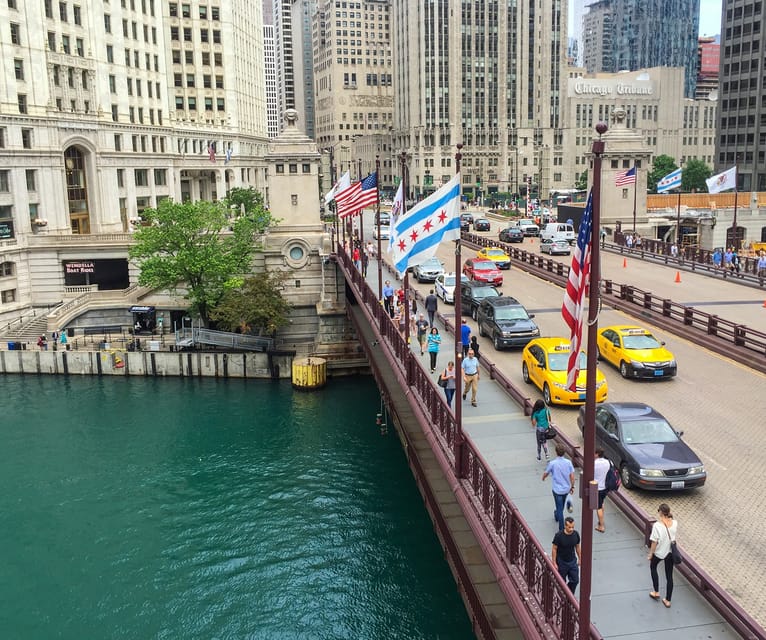
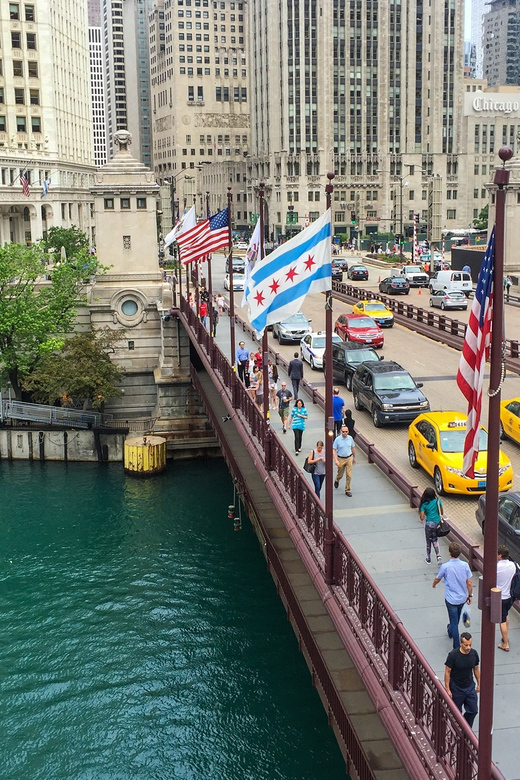
The tour’s early move is smart because the DuSable Bridge sets up what came next. You’ll spend a few minutes here and hear how the bridge—built in the 1920s—helped transform a warehouse and factory district into something more commercial.
That’s not just a trivia nugget. It’s a key to understanding why the Magnificent Mile became what it is. Bridges and transit reshape foot traffic, and foot traffic reshapes retail, hotels, and the kind of buildings people want to see and enter. In Chicago, architecture isn’t only about taste. It’s about flow.
As you head toward Michigan Avenue afterward, it helps to watch for a shift in “energy.” The area around downtown feels more curated and consumer-facing than the gritty industrial edges that used to exist nearby. The tour nudges you to connect that difference back to infrastructure.
North Michigan Avenue icons: reading the skyline like a story
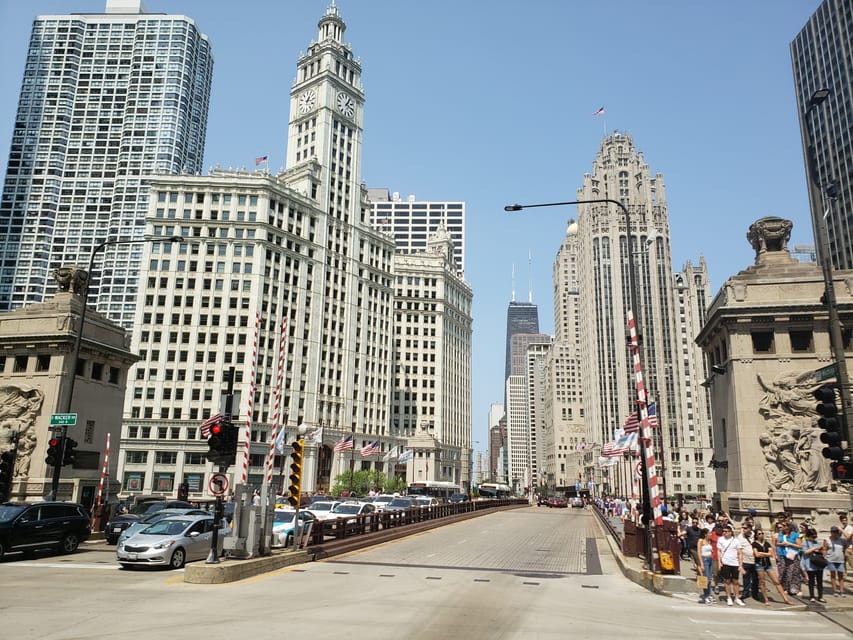
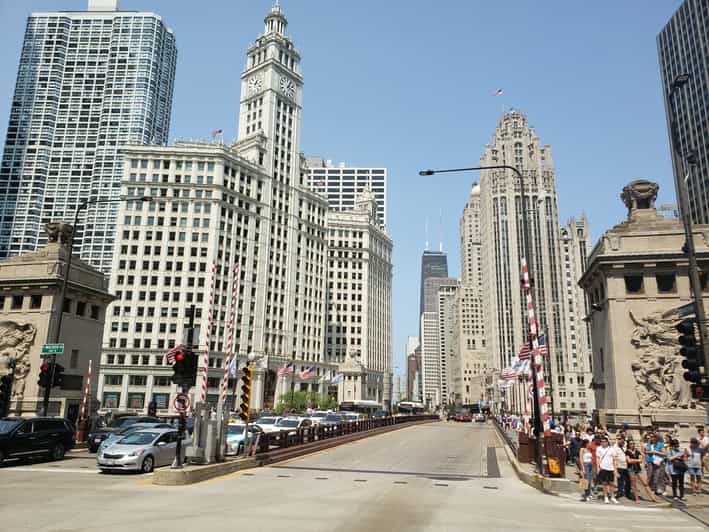
Once you’re on Michigan Avenue, the tour turns into a classic Chicago “look up” lesson—with context. You’ll hear secrets and stories tied to striking buildings that have become architectural icons around the world, including the Tribune Tower and the Wrigley Building.
A standout part here is how the tour links famous names to the broader evolution of the street. For example, you’ll hear about 875 N. Michigan Avenue, formerly known as the Hancock Tower. That kind of detail makes a skyline feel less like a museum display and more like something owned, marketed, and rebranded over time.
You’ll also make several short stops—long enough to see what matters, not long enough to bore you. Expect a quick visual scan plus a guided explanation: façade details, height, and how each building plays its role in the street’s overall “look.”
And yes, there’s retail in the mix. You’ll pass the InterContinental Chicago Magnificent Mile (and you’ll likely catch the sense of how hotels and shopping feed each other). You’ll also walk by major store fronts like Burberry and Apple Michigan Avenue. Even if you’re not buying anything, these stops help you understand the modern Magnificent Mile formula: vertical malls, skyscrapers, hotels, and residential towers designed to match the brands inside.
Chicago at sidewalk speed, more routes
- Chicago: Gangsters and Ghosts Walking Tour
★ 5.0 · 7,155 reviews - Chicago Favorites Ultimate Food and Walking Tour
★ 5.0 · 1,962 reviews - Chicago: Gangsters and Ghosts Guided Walking Tour
★ 4.7 · 1,697 reviews
Intersections with architecture you can’t just spot from the sidewalk
This tour earns its keep by including interior moments, not only curbside views. Two highlights are called out specifically, and they’re the kind of stops you remember later.
First is the Medinah Athletic Club. You’ll see inside with decor that spans Egyptian to Renaissance styles. It’s a reminder that some of Chicago’s “serious architecture” lives behind doors, not only behind glass towers. When you watch for style changes—columns, motifs, and the way rooms feel—you’ll start to appreciate the building as more than a shell.
Second is a look at bas relief sculptural panels inside an Art Deco office building. Bas relief sounds technical, but you’ll get the simple idea: these panels are sculpture built into the architecture, not decoration you add later. They show how the Art Deco style used ornament as a statement about progress and identity. Chicago does that a lot—using design to project ambition.
If you care about architecture as a whole system (street plans, building shapes, and interior design), these interior stops are the difference between a basic “walk and point” tour and a tour that changes how you look.
The Chicago Architecture Center galleries: models that make skyscrapers make sense
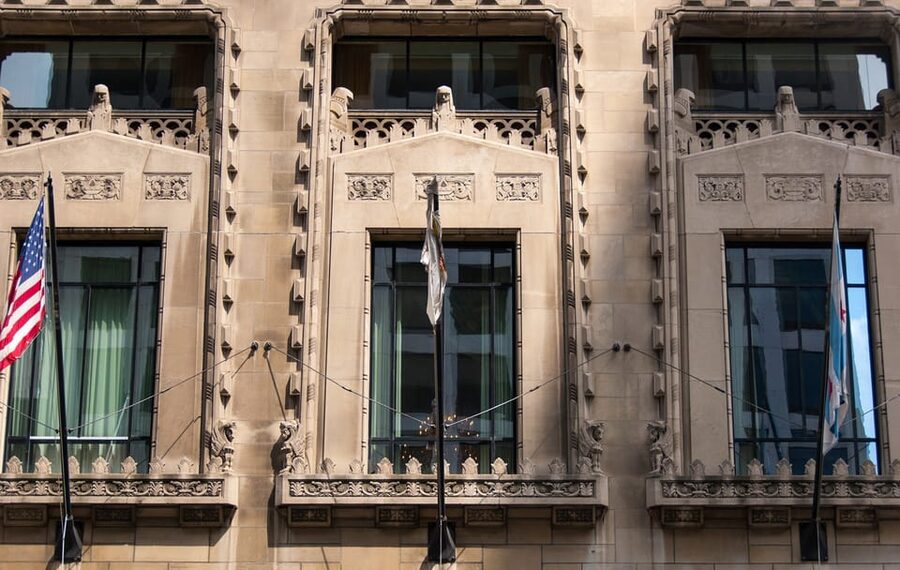
You also get admission to the Chicago Architecture Center galleries as part of the tour price. This is a big value move because it gives you a chance to pause and think while everything is still fresh in your head.
In the galleries, you’ll learn more about various architecture styles across Chicago. There’s also an interactive model of the Downtown Buildings, plus models that show how skyscrapers developed over time and the different styles they represent.
Here’s why this matters. Many skyline tours leave you with a camera roll and a vague “wow.” This one tries to give you a framework. After you see the models, the buildings outside feel less random. You start recognizing the building “type,” then the period, then the idea behind it.
If you like museums but don’t want a half-day commitment, this is a neat compromise. You’ll walk the Magnificent Mile, then return to a controlled environment where you can connect the dots.
Price and time: what $35 buys you in the real world
The price is listed at $35 per group up to 1, and the tour runs about 90 minutes. That’s a fair setup for a walking format because you’re getting two main things: a professional certified guide plus admission to the CAC galleries.
In plain terms, you’re paying for interpretation, not just movement. A good guide can turn a 10-minute exterior glance into a clear understanding of what you’re seeing and why it exists. You’ll also get access to interior architecture moments like Medinah and an Art Deco office space, plus the CAC models.
Is 90 minutes enough to roam the whole city? No. It’s a focused route. One review noted they wanted more territory and more streets. That lines up with what you should expect from a short, structured city walk.
To make the most of the time you have, go in with a simple mission:
- Wear comfortable shoes.
- Keep your eyes up, then look for details the guide mentions.
- If you’re curious, ask questions during the outdoor pauses.
Who this tour is best for (and who should rethink it)
This experience fits you best if you want architecture storytelling without drowning in jargon. The guide format is designed for people who like context—where ideas like wide boulevards, planning choices, and transit upgrades show up in the buildings you see today.
It’s also a good match if you want a balance of recognizable landmarks and interior surprises. Passing iconic exteriors like the Tribune Tower and Wrigley Building is fun, but the Medinah Athletic Club and Art Deco bas relief panels are what make the tour feel like more than a street sight-seeing loop.
One more thing to consider: it’s described as wheelchair accessible, but it’s also listed as not suitable for people with mobility impairments. If mobility is part of your decision, take the “accessibility” labels seriously and plan carefully.
The community angle: you’re paying for more than a walk
This tour is run through the Chicago Architecture Center, and ticket purchases support local education and engagement work. That includes programs like Girls Build!, Teen Fellows, and the Newhouse Architecture + Design Competition.
It’s also tied to keeping certain community events available, including Open House Chicago. So when you pay for your ticket, you’re directly funding architecture education efforts, not just a private guide service.
That’s the kind of detail I like to see. Architecture tours can feel like pure consumption. This one ties your ticket to community benefit, which makes the whole thing feel more grounded.
Should you book the Chicago Architecture Center Magnificent Mile walking tour?
Book it if you want the Magnificent Mile explained through planning, infrastructure, and design choices—not just name-dropping. I’d especially recommend it if you like short, energetic tours where you get both exterior icons and interior moments, plus a museum-style context stop at the end.
Skip it or pair it with something else if you’re the type who wants lots of wandering beyond North Michigan Avenue. This one is structured. It aims for quality and story over breadth.
If you’re visiting for a first Chicago skyline hit, or you want a clear architecture “reading lesson” of downtown, this tour earns its place on your itinerary.
FAQ
Where is the tour meeting point?
Check in inside the Chicago Architecture Center at 111 E Wacker Drive, Chicago, IL 60601.
How long is the Chicago: Magnificent Mile Walking Tour?
The tour lasts about 90 minutes.
How much does the tour cost?
It’s listed at $35 per group up to 1.
What’s included in the price?
Admission to the Chicago Architecture Center galleries and a professional certified guide.
Is food or drink included?
No. Food and drink are not included.
Can I bring luggage or strollers?
No luggage or large bags are allowed. The tour also can’t provide secure storage for luggage or strollers.
Are pets allowed?
Pets are not allowed, but service animals are welcome.
Chicago on Foot, Block After Block
- Chicago: Gangsters and Ghosts Walking Tour★ 5.0 · 7,155 reviews
- Chicago Favorites Ultimate Food and Walking Tour★ 5.0 · 1,962 reviews
- Chicago: Gangsters and Ghosts Guided Walking Tour★ 4.7 · 1,697 reviews
- Chicago in a Day: Food, History & Architecture Walking Tour★ 5.0 · 1,153 reviews
- Chicago’s Secret Interiors Architectural Walking Tour★ 5.0 · 635 reviews
The Wider Chicago Shortlist
- Chicago Architecture River Cruise★ 5.0 · 15,756 reviews
- Chicago River 90-Minute Architecture Tour★ 4.5 · 9,629 reviews
- Chicago River: 1.5-Hour Guided Architecture Cruise★ 4.8 · 8,046 reviews
- Chicago: Gangsters and Ghosts Walking Tour★ 5.0 · 7,155 reviews
- Chicago Architecture Center River Cruise aboard First Lady★ 5.0 · 5,536 reviews
The Mag Mile, Block by Block
- Chicago River 45-Minute Architecture Tour from Magnificent Mile★ 4.5 · 2,924 reviews
- Magnificent Mile Tour With Optional 360 Chicago Upgrade★ 5.0 · 80 reviews
- Chicago Perfume Making Classes on Magnificent Mile★ 5.0 · 44 reviews
- Chicago Walking Tour: The Magnificent Mile★ 5.0 · 34 reviews
- Chicago Candle Making Class On Magnificent Mile★ 4.5 · 20 reviews
The Ink Is Still Wet on These Chicago Reviews




Magnificent Mile Tours, compared.
 ★ 4.5Chicago River 45-Minute Architecture Tour from Magnificent MileFrom $282,924 reviews
 ★ 5.0Magnificent Mile Tour With Optional 360 Chicago UpgradeFrom $3980 reviews
 ★ 5.0Chicago Perfume Making Classes on Magnificent MileFrom $8544 reviews
 ★ 5.0Chicago Walking Tour: The Magnificent MileFrom $3534 reviews
 ★ 4.5Chicago Candle Making Class On Magnificent MileFrom $7520 reviews
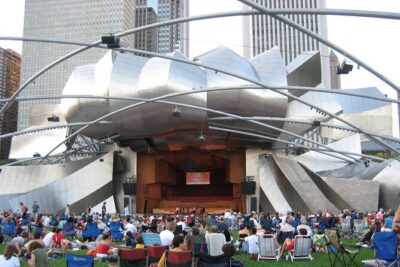 ★ 3.0Chicago Food Tour with The Magnificent Mile and Millennium Park4 reviews
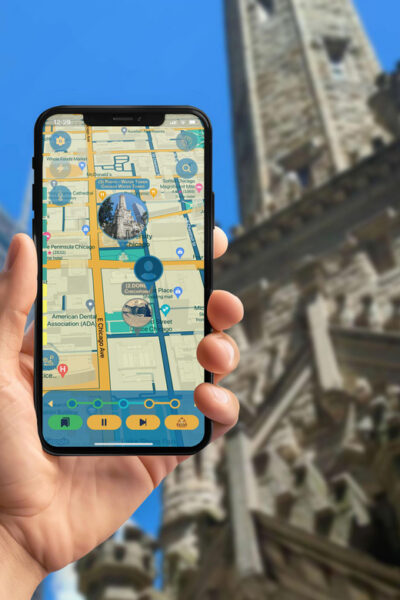 ★ 3.2Michigan Avenue Rendezvous Walking Tour with Smartphone AppFrom $173 reviews
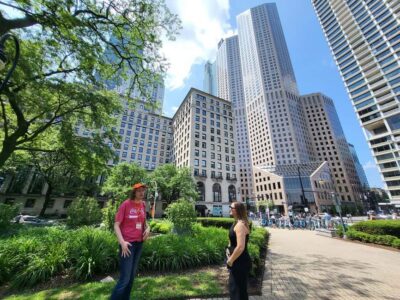 ★ 5.0Magnificent Mile Tour With Optional 360 ChicagoFrom $393 reviews
Browse the lists this tour appears in