
REVIEW · CHICAGO HISTORY TOURS
Chicago Walking Tour: Connecting Past and Present
Chicago’s skyline tells stories—this tour reads them for you. You start at the Chicago Architecture Center and walk with a certified architectural guide who connects the big-name buildings to the city’s past and present design shifts. I especially like how the route mixes famous exteriors with the kind of context that makes you notice details instead of just taking photos.
Two things I like a lot: the professional guide narration and the way you see multiple architectural “moments” in a short 1 hour 45 minutes. One heads-up: this is a walking tour, so if you’re limited on steps or hate being out in the weather, you’ll want to plan for comfortable shoes and layers.
And yes, the guides can really make it. In past tours on this route, I’ve heard glowing feedback tied to guides like Betsy, Mathew, and Jill—clear, fun, and full of Chicago passion. Just remember the itinerary can change, so keep your eyes on what’s in front of you instead of expecting every stop to happen exactly as planned.
In This Review
- Key highlights you’ll feel right away
- Start at the Chicago Architecture Center galleries (your launchpad)
- Wrigley Building and the Loop blocks: learning to read details fast
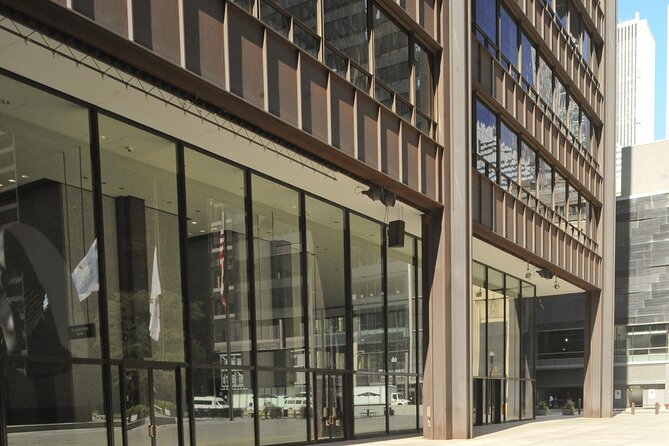
- Daley Center: why it fits this kind of architecture walk
- Reliance Building: short stop, big context
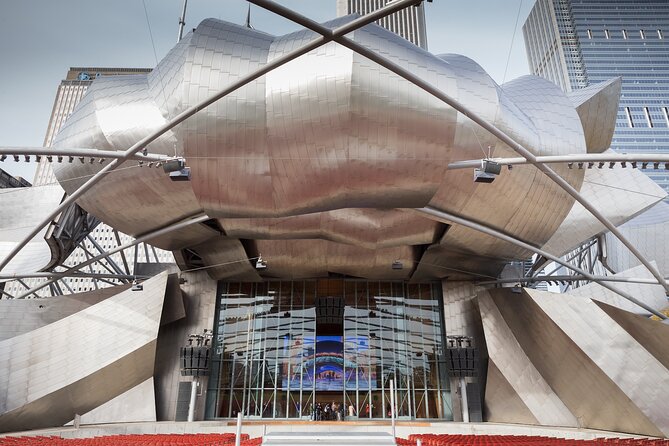
- Jay Pritzker Pavilion: modern Chicago in a human-sized stop
- The $35 price: what makes it feel fair (and where it might not)
- Small-group pace (max 15) and how to enjoy the walk
- What the best guides do differently: Betsy, Mathew, and Jill
- Who should book this Chicago architecture walking tour
- Practical planning tips before you go
- Should you book this tour or skip it?
- FAQ
- How long is the Chicago walking tour?
- How much does the tour cost?
- Where do I meet the guide?
- What’s included in the tour price?
- Do I need tickets for the building stops?
- Is food or drink included?
- Can I bring a pet or service animal?
- Is there luggage or stroller storage?
- What is the cancellation policy?
Key highlights you’ll feel right away
- Galleries at the Chicago Architecture Center included, so you begin with the why, not just the where
- Certified architectural guide narration keeps the walk organized and genuinely informative
- Multiple landmark photo stops in one outing, including the Wrigley Building and more on the Loop
- Modern + classic design mix, with named architects like Renzo Piano and Frank Gehry mentioned
- Small group cap of 15 means more chances to ask questions and follow along
Start at the Chicago Architecture Center galleries (your launchpad)
The tour begins at the Chicago Architecture Center at 111 E Wacker Dr. That matters, because your first stop isn’t a random street corner. You get admission to the galleries right away, and that built-in time (about 10 minutes) sets the tone for the rest of the walk.
Think of it like tuning your ears. When you start seeing Chicago buildings later, you’ll be better at sorting what you’re looking at: the design ideas, the time period, and how styles changed. Without that quick primer, architecture tours can turn into a checklist of names. With it, you’re more likely to notice patterns—like how form, materials, and building purpose show up in the skyline.
One practical upside: the CAC is an easy starting point near public transportation, which helps if you’re connecting from elsewhere in the city. Also, the tour has Service animals allowed, which is good to know if that’s part of your travel plan.
From the fire of 1871 forward, more history
Wrigley Building and the Loop blocks: learning to read details fast

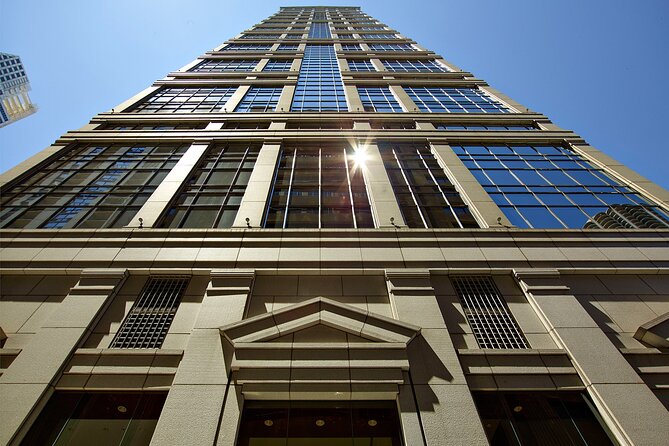
After the CAC, you move into classic Loop streets with short exterior views. The Wrigley Building stop is about 5 minutes. That’s not long enough to do a deep inspection of stonework or to stand there for 200 pictures—but it is long enough for your guide to point you toward what to look for.
Why this works: fast stops force you to pay attention. You don’t drift into “I’ll read the plaques later.” Instead, you learn a few key cues, then you carry them to the next building.
A small drawback to keep in mind: admission tickets aren’t included for the exterior viewing stops. For most people, that’s fine because these are viewing points rather than interior visits. Still, if you were hoping to go inside every famous building, this format may feel more “look and learn” than “see everything inside.”
Daley Center: why it fits this kind of architecture walk
Next up is the Daley Center, another exterior viewing moment around 5 minutes. This stop is part of what makes the tour a strong introduction: you’re not stuck in one architectural style or one era. Instead, you’re moving through different design choices across the Loop.
Even in a short window, your guide can connect the building to broader city history and changing design priorities. That’s the real value here. It’s not just seeing a landmark. It’s understanding how the city’s needs, politics, and planning have shaped what got built and how it looks from the street.
If you prefer tours where you only visit a single neighborhood or a single “theme,” this one may feel a bit more varied than you’d expect. But if you want a first taste of Chicago’s architecture spectrum, the variety is the point.
Chicago at sidewalk speed, more routes
- Chicago: Gangsters and Ghosts Walking Tour
★ 5.0 · 7,155 reviews - Chicago Favorites Ultimate Food and Walking Tour
★ 5.0 · 1,962 reviews - Chicago: Gangsters and Ghosts Guided Walking Tour
★ 4.7 · 1,697 reviews
Reliance Building: short stop, big context
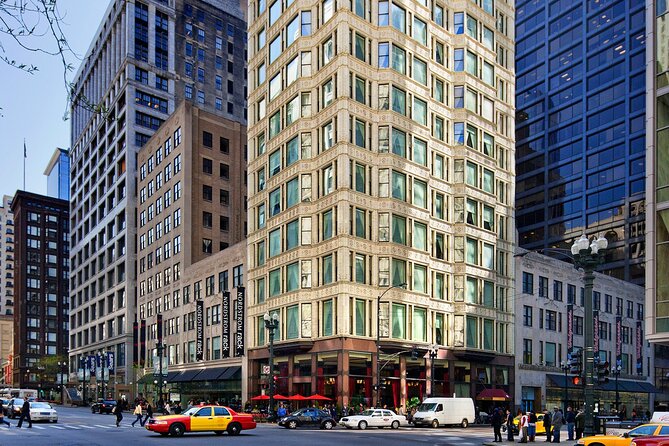
The Reliance Building is the next exterior view, again about 5 minutes. At this stage in the walk, you’re usually warmed up. You’ve heard the guide explain the city’s architectural eras, and now the buildings start to feel like evidence instead of random sights.
This is where a good guide earns their fee. A certified architectural expert can help you look past the obvious and notice what makes a building “belong” to its era. You’ll likely come away with a better sense of how Chicago architecture keeps reinventing itself while still staying tied to its identity.
The practical side: since each exterior stop is brief, keep your expectations realistic. This isn’t a slow stroll where you linger for long. It’s paced to fit several highlights into 1 hour 45 minutes, with enough narrative to connect the dots.
Jay Pritzker Pavilion: modern Chicago in a human-sized stop

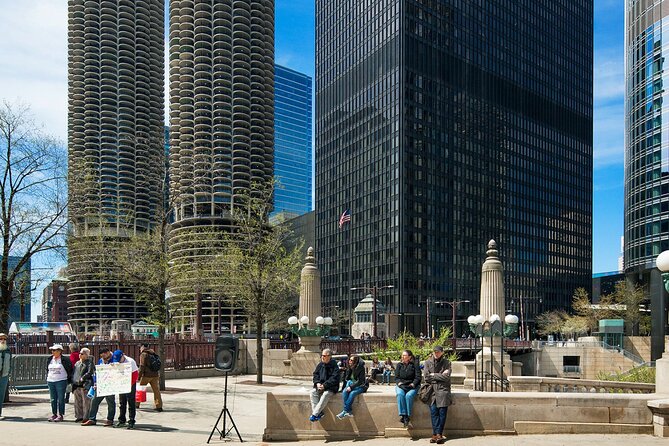
You finish the main sequence with the Jay Pritzker Pavilion, another 5 minutes exterior viewing and orientation. If earlier stops help you understand what came first, this one helps you see what modern Chicago design communicates now.
Even without going inside (tickets aren’t listed as included for this viewing stop), it’s a memorable cap because it shifts the mood from classic landmark exteriors to a more contemporary, public-space feel. It’s also a useful moment to connect architecture to how people use the city. You’re not just looking at buildings as objects; you’re seeing them as part of the urban experience.
One note: like the rest of the schedule, the exact timing and what you see along the route can change without notice. The building lineup you listed is the core, but your guide may adjust based on what’s happening nearby.
The $35 price: what makes it feel fair (and where it might not)
At $35.00 per person for about 1 hour 45 minutes, this tour is in the “worth it if you’re here for a first look” range. Here’s why it feels like good value:
- You get admission to the CAC galleries included, which reduces the extra cost of starting with context.
- You get professional, certified guide narration, and that’s the expensive part of architecture tours.
- You cover multiple top landmarks in one outing, so you don’t have to spend half a day piecing together routes on your own.
Where it may not be the best deal: if your goal is to spend long periods inside buildings or you want a food-and-history style tour with stops for snacks. Food and drink aren’t included, and there’s no mention of a lunch break. Also, there’s no coat check and no luggage or stroller storage, so plan to travel light.
Still, for a timed introduction to Chicago architecture—especially if you’re only in town briefly—this price is easy to justify.
Small-group pace (max 15) and how to enjoy the walk
This is a maximum of 15 travelers, which is a big reason it tends to work well. With a smaller group, the guide can keep things organized, and you’re less likely to feel like you’re stuck behind a wall of people. It also makes it easier to ask questions if something grabs your attention.
The total duration is about 1 hour 45 minutes, so you should expect a steady walking pace with quick stops. That’s perfect for people who like movement and dislike long “wait while someone reads everything” sections.
What to wear and bring:
- Comfortable walking shoes (you’ll want your feet to stay happy)
- Layers, since Chicago weather can shift fast
- A light jacket or something easy to handle (since coat check isn’t offered)
- If you’re traveling with a stroller or luggage, note that storage isn’t included
What the best guides do differently: Betsy, Mathew, and Jill
The consistent theme from high ratings is how guides made the architecture feel like a story, not a lecture. I’m drawn to this when a tour guide is described as smart, entertaining, and full of genuine city love—because that energy tends to rub off on you.
In the feedback for this experience, names like Betsy, Mathew, and Jill show up with comments about being highly informative and fun. That’s a strong sign you’ll get clear explanations, not just building facts. The best part isn’t just knowing the architects’ names like Renzo Piano and Frank Gehry. It’s hearing how those influences show up as you walk.
Also, a “trained architectural expert” isn’t a badge you wear. It’s how you get better at seeing the city. You’ll likely walk away with a sharper sense of what makes Chicago’s skyline different from other major cities—because the guide teaches you a way to look.
Who should book this Chicago architecture walking tour
I think this tour is a great match if you:
- Are visiting Chicago and want a fast, organized architecture intro
- Like learning the “why” behind what you’re seeing
- Want to see big landmarks like the Wrigley Building and the Jay Pritzker Pavilion in one outing
- Enjoy small-group guided time rather than a large bus tour
It’s also a good fit for people who want ambiance and conversation while walking. Since this is on foot for the full experience, you’ll get that street-level feel: you’re moving through the city instead of watching it from behind glass.
If you’re the kind of visitor who needs lots of interior time, or if you’re traveling with bulky gear that you can’t store, you might be happier with a different format. This one is built for exteriors, narrative, and context.
Practical planning tips before you go
A few small things will make your day smoother:
- Start on time at the CAC on E Wacker Dr. The tour begins and ends there, and the experience is timed for a walking route.
- Bring water if you know you’ll want it, since food and drink aren’t included.
- Expect brief stops. Each exterior viewing segment is around 5 minutes, so keep your phone ready and your questions handy.
- Know that the itinerary can change. If you’re relying on a specific building snapshot, aim to enjoy the guide’s flow rather than treating it like a strict checklist.
Should you book this tour or skip it?
Book it if you want a smart, guided way to connect famous Chicago buildings to the city’s design evolution—without spending hours mapping your own route. At $35 with CAC galleries included, you’re paying for context and narration, not just walking.
Skip it if you strongly prefer long interior visits, require on-site food breaks, or you’re bringing gear that needs storage. In that case, the tour format may feel too fast and too “move along” for your style.
Overall, I’d call this a solid choice for first-timers and repeat visitors alike—especially if you want to leave with a better eye for Chicago architecture, not just a folder full of photos.
FAQ
How long is the Chicago walking tour?
It’s approximately 1 hour 45 minutes.
How much does the tour cost?
The price is $35.00 per person.
Where do I meet the guide?
Meet at the Chicago Architecture Center, 111 E Wacker Dr, Chicago, IL 60601. The tour also ends back at the meeting point.
What’s included in the tour price?
Admission to the Galleries of the Chicago Architecture Center is included, along with narration by a professional certified guide.
Do I need tickets for the building stops?
The tour includes CAC gallery admission, but admission tickets for the other exterior viewing stops (like Wrigley Building and Daley Center) are not listed as included.
Is food or drink included?
No. Food and drink are not included.
Can I bring a pet or service animal?
Service animals are allowed, but pets are not allowed.
Is there luggage or stroller storage?
No. Storage for luggage and strollers isn’t provided.
What is the cancellation policy?
You can cancel for a full refund up to 24 hours in advance of the experience’s start time. If you cancel less than 24 hours before, the amount you paid isn’t refunded.
Chicago on Foot, Block After Block
- Chicago: Gangsters and Ghosts Walking Tour★ 5.0 · 7,155 reviews
- Chicago Favorites Ultimate Food and Walking Tour★ 5.0 · 1,962 reviews
- Chicago: Gangsters and Ghosts Guided Walking Tour★ 4.7 · 1,697 reviews
- Chicago in a Day: Food, History & Architecture Walking Tour★ 5.0 · 1,153 reviews
- Chicago’s Secret Interiors Architectural Walking Tour★ 5.0 · 635 reviews
The Wider Chicago Shortlist
- Chicago Architecture River Cruise★ 5.0 · 15,756 reviews
- Chicago River 90-Minute Architecture Tour★ 4.5 · 9,629 reviews
- Chicago River: 1.5-Hour Guided Architecture Cruise★ 4.8 · 8,046 reviews
- Chicago: Gangsters and Ghosts Walking Tour★ 5.0 · 7,155 reviews
- Chicago Architecture Center River Cruise aboard First Lady★ 5.0 · 5,536 reviews
Since the Fire: Chicago History
- Chicago in a Day: Food, History & Architecture Walking Tour★ 5.0 · 1,153 reviews
- Chicago: Field Museum of Natural History Ticket or VIP Tour★ 4.7 · 717 reviews
- Field Museum of Natural History Admission Tickets★ 4.5 · 489 reviews
- Chicago Walking Tour: Historic Treasures of Chicago★ 5.0 · 362 reviews
- Historical and Architectural Chicago Fireboat River & Lake Cruise★ 5.0 · 246 reviews
The Ink Is Still Wet on These Chicago Reviews




Chicago History Tours, compared.
 ★ 5.0Chicago in a Day: Food, History & Architecture Walking TourFrom $1001,153 reviews
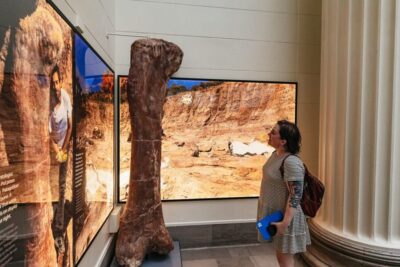 ★ 4.7Field Museum of Natural History Ticket or VIP TourFrom $29717 reviews
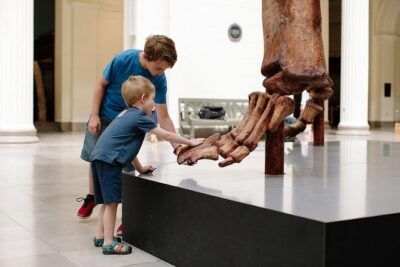 ★ 4.5Field Museum of Natural History Admission TicketsFrom $29489 reviews
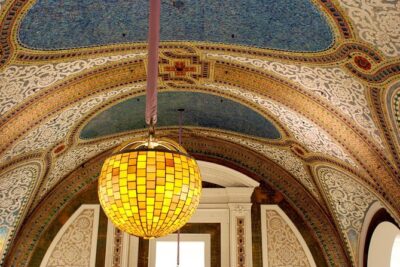 ★ 5.0Chicago Walking Tour: Historic Treasures of ChicagoFrom $35362 reviews
 ★ 5.0Historical and Architectural Chicago Fireboat River & Lake CruiseFrom $47246 reviews
 ★ 5.0Walkin’ with Colin: Chicago History-Mystery-Comedy-Tragedy TourFrom $44218 reviews
 ★ 5.0Chicago Walking Tour: A Walk Through TimeFrom $35181 reviews
 ★ 4.5Field Museum of Natural History All-Access PassFrom $41135 reviews
Browse the lists this tour appears in