
REVIEW · BLACK HERITAGE & SOUTH SIDE TOURS
Soul House Tour
Chicago’s front-yard legends get a street-level tour. I like that this isn’t a bus tour and keeps the group small enough for real conversation, not just staring out a window. You’ll stop for photo time at the houses, so the stories come with proof you can take home.
My other big plus is the souvenir booklet, which gives you a written guide to every stop so the names don’t blur together. One thing to consider: the route includes very heavy moments, like the childhood home of Emmett Till, so this is not a casual, carefree stroll.
In This Review
- Key things to know before you go
- Chicago Theater meeting point: the tour starts in the right place
- Not a bus tour: why the 2–11 person group changes everything
- Price and value: what $65 buys you in 2 hours
- Stop-by-stop: 12 famous Chicago homes with real story weight
- Starting with Obama and then the former First Lady’s childhood home
- Kanye West’s childhood home: art growth before the spotlight
- Ida B. Wells: fiery activism you can still feel in the streets
- Nation of Islam leaders: Elijah Muhammad and Louis Farrakhan
- Muhammad Ali: The Greatest beyond the headlines
- Emmett Till: a sobering stop you shouldn’t rush
- Nat King Cole and other entertainers: music history you can point to
- The souvenir booklet: a take-home tool, not just a souvenir
- Guide-led conversation: how you get more than a photo set
- Photo stops: how to get the pictures without losing the story
- Who this tour suits best, and who it doesn’t
- Practical tips to make the most of your 2 hours
- Should you book Soul House Tour?
Key things to know before you go
- Small group format (2–11 people): You move at a human pace and get time for questions.
- Photo breaks at 12 homes: It’s designed for pictures outside, not rushed handoffs.
- Souvenir booklet for every stop: You get a summary and background that helps you remember what you saw.
- A Chicago-born-and-raised guide: Expect street-level context and story-driven explanations.
- 12 famous Chicagoans in 2 hours: It packs a lot in, so wear comfy walking shoes.
Chicago Theater meeting point: the tour starts in the right place
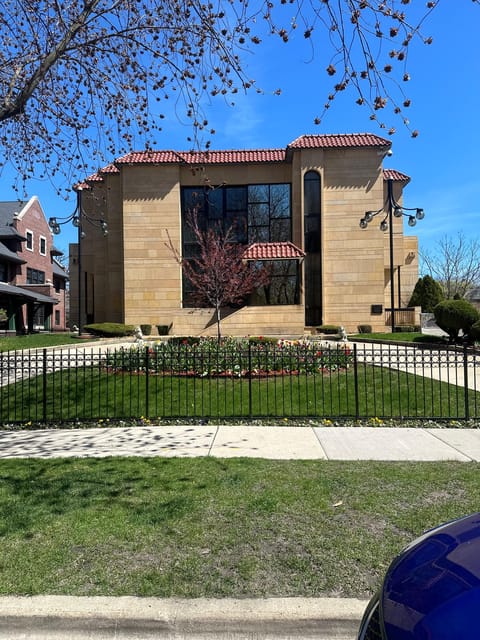
You’ll meet at the Chicago Theater, 175 North State. That’s a convenient launchpad if you’re already exploring downtown, and it makes it easy to grab transit or a quick bite before you start. The tour runs for about 2 hours, and it’s usually offered in the morning and at night, so you can match it to your day’s plan.
The tour format matters more than people expect. Since it’s not a big bus situation, you don’t spend the first chunk of time stuck in traffic or waiting for a crowd. You get moving, then you slow down at each house for photos and explanation.
More Black Chicago history, South Side and beyond
Not a bus tour: why the 2–11 person group changes everything
This tour is built for small groups, typically 2 to 11 people. That small size is the whole point. You’ll actually hear the guide, and you won’t feel like you’re watching history from behind someone’s shoulder.
It also makes the timing work. The tour includes time for pictures outside the homes, and the group size helps that happen without turning into a photo line. In a small group, you can pause, ask one more question, and get an answer that connects the house to the larger story of Chicago.
One review singled out Steven for being very informative and interactive. That’s exactly the kind of guide you want on a tour like this, because the value isn’t just in the names—it’s in how the guide ties everything together.
Price and value: what $65 buys you in 2 hours
At $65 per person for a 2-hour guided experience, you’re paying for more than a walk. You’re paying for a local guide, a structured route that hits 12 houses, and a printed booklet that gives you follow-through after the tour.
Here’s how I think about value on a tour like this: you want a guide who can explain why each person mattered in Chicago, not just recite biographies. This tour includes conversation, trivia, history, and insight, plus the booklet with a write-up for each home. That combination is what makes the price feel more like a cultural lesson than a sightseeing add-on.
Food isn’t included, so plan to eat before or after. Also, gratuity isn’t included, so budget for that if you think the guide earns it.
- Chicago Architecture River Cruise
★ 5.0 · 15,756 reviews - Chicago River 90-Minute Architecture Tour
★ 4.5 · 9,629 reviews - Chicago River: 1.5-Hour Guided Architecture Cruise
★ 4.8 · 8,046 reviews
Stop-by-stop: 12 famous Chicago homes with real story weight
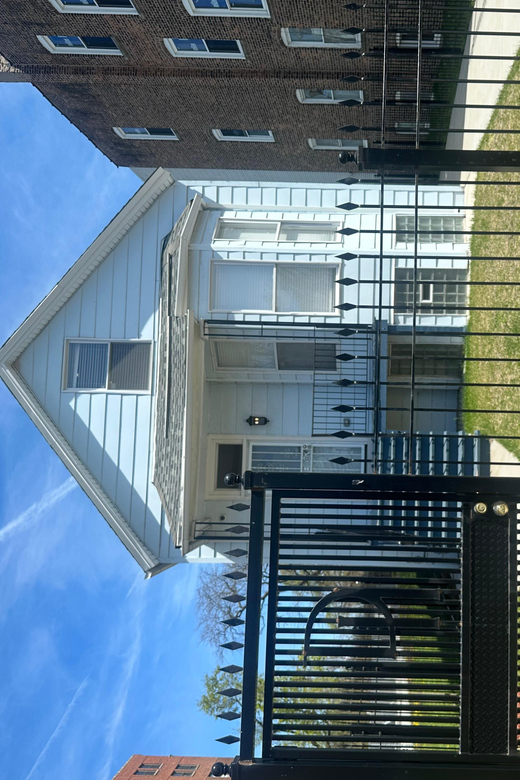
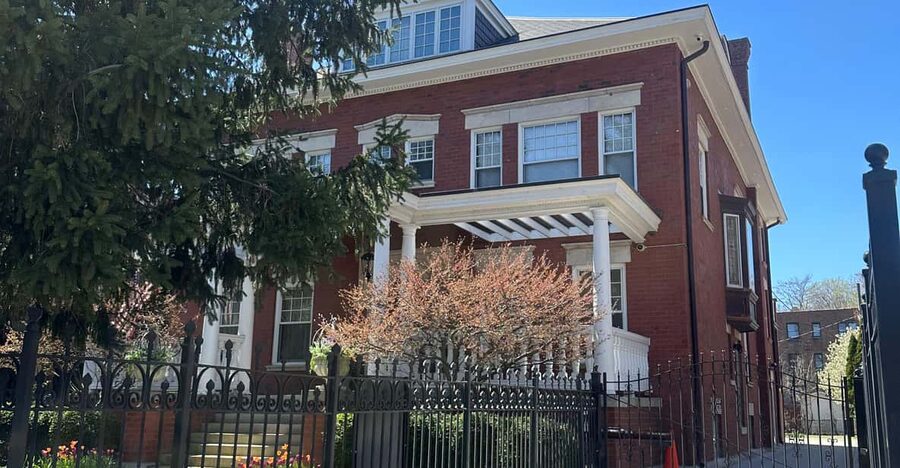
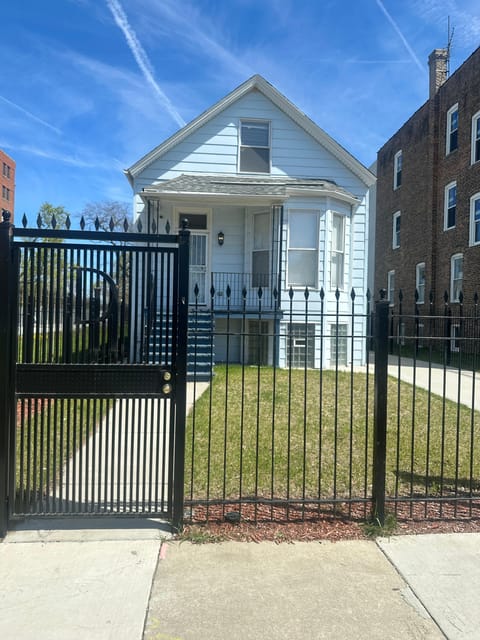
The tour is designed around a sequence of major figures in Chicago life. You’ll see 12 homes of famous Black residents in Chicago, and you’ll get to take pictures outside of them. The guide frames each stop with background so you understand what you’re looking at and why it matters.
One key practical note: you’ll be outside for these stops. That means weather matters, and the walking time adds up fast. With only 2 hours, you’ll want to be ready to move steadily and take photos quickly when the moment is right.
Starting with Obama and then the former First Lady’s childhood home
The route begins with Chicago’s own influence at the highest levels: it starts with the 44th president of the United States. Then you move to the former First Lady’s childhood home. Even if you know their public stories, seeing childhood roots helps you connect the dots between a place and the people shaped by it.
This early section also sets the tone. The guide doesn’t treat these homes like museum pieces. Instead, you’ll get context about what Chicago gave these figures—social forces, community identity, and the kind of ambition that can come out of a specific neighborhood.
Kanye West’s childhood home: art growth before the spotlight
Next up is the home of Kanye West, where he lived from childhood until his music success. This is one of the stops that tends to land well for modern travelers, because it bridges pop culture with real geography.
The practical beauty of including a figure like this is that it gives you an anchor. You can walk away remembering a specific address tied to a creative rise, not just a general idea of Chicago producing talent.
Ida B. Wells: fiery activism you can still feel in the streets
You’ll then visit the home of Ida B. Wells, described here as a fiery activist. This stop is a reminder that Chicago history isn’t only about entertainment or politics—it’s also about people who fought for justice in concrete ways.
Standing near places tied to Wells makes the story less abstract. You’re not just learning that she advocated for change—you’re also experiencing how Chicago sits with those legacies, block by block.
Nation of Islam leaders: Elijah Muhammad and Louis Farrakhan
The tour includes the home of Elijah Muhammad, the founder of the Nation of Islam, and also the home of his successor, Louis Farrakhan. This is where the guide’s explanation matters most, because understanding these figures involves religion, community life, and shifting eras of American history.
You’ll likely find this section teaches you how movements take root in neighborhoods. It’s not presented as a trivia quiz. The goal is context: why these homes mattered socially, and how leadership shapes what a community believes and does.
Muhammad Ali: The Greatest beyond the headlines
You’ll visit the childhood home of Muhammad Ali, known here as The Greatest. Ali is one of those people who feels familiar even if you don’t know every detail, so this stop has a special power: you see the early environment behind the later legend.
For many people, this is a fun moment on the tour, but it’s also educational. A good guide will connect childhood context to later confidence and the public stance Ali became famous for.
Emmett Till: a sobering stop you shouldn’t rush
The tour includes the childhood home of Emmett Till. This is the section that asks for respect and patience. Don’t treat it like another photo stop. Let the guide’s framing land, and give yourself a moment before you take pictures.
Since the tour lasts only 2 hours, the pacing can feel tight. With a stop like this, you’ll want to make sure you’re emotionally ready for the subject matter and comfortable with the seriousness of the story.
Nat King Cole and other entertainers: music history you can point to
Later, you’ll visit homes of great entertainers such as Nat King Cole and many others. This part often works as the tour’s release valve after heavier moments. It reconnects you to Chicago’s cultural impact—music, creativity, and the long arc of influence from the South Side and beyond.
I like how the tour handles entertainers in a grounded way. You’re not just chasing celebrity names. You’re seeing that the arts were built in real neighborhoods with real people living their lives there.
The souvenir booklet: a take-home tool, not just a souvenir
You get a souvenir booklet that includes all the houses and a write-up on each. That’s more useful than it sounds. When you’re only outside for quick photo stops, details can blur fast. The booklet helps you remember who each person was and what the guide wanted you to notice.
This also makes the tour better for friends and families (as long as they meet the age guidance). After the tour, you can sit down and look at what you saw while the stories are still fresh in your mind.
The booklet can also make your next Chicago day smarter. If you’re planning more neighborhoods or museums, it gives you vocabulary: names, events, and themes you can follow up on.
Guide-led conversation: how you get more than a photo set
A tour like this lives or dies on the guide’s ability to turn addresses into meaning. The format includes great conversation and history from a Chicago born and raised guide. That matters because it keeps the story grounded in how Chicago actually works.
You’ll also have trivia and insight built into the experience. That’s a good sign for your enjoyment. It means you won’t just walk, listen, take a picture, and forget it ten minutes later.
One recent comment praised Steven as very informative and interactive. That’s the ideal style for this kind of tour: interactive enough to keep you engaged, informative enough to keep the facts straight.
Photo stops: how to get the pictures without losing the story
The tour gives you time for pictures outside the homes. That’s perfect for capturing the places that match the names you recognize. But the trick is to not let your camera become your whole plan.
When the guide calls a stop, I suggest you do two things in this order:
1) listen first for the detail you’ll want later, and then
2) take your photo quickly and move with the group.
Because the tour includes 12 homes in 2 hours, there isn’t time for a slow shuffle at each location. The upside of the small group size is that you can usually find a spot to get a clean shot without blocking others—then get right back to the explanation.
Who this tour suits best, and who it doesn’t
This tour is not suitable for children under 9. That’s worth taking seriously, especially since the route includes intense and historically painful subjects like Emmett Till. Older kids who can handle serious topics will likely do better with the context-heavy, conversation-driven format.
This is also a good fit if you like walking tours with real guides and minimal fluff. If you prefer fast-hit attractions with no explanation, you might find the stop-and-talk pacing slower than expected. But if you enjoy learning how people connect to place, you’ll likely love it.
And if you’re the kind of traveler who likes going home with more than photos—names, themes, and context—this tour leans that way.
Practical tips to make the most of your 2 hours
Because you’re walking and stopping often, wear comfortable shoes. This is also the type of tour where layers help, since you’ll be outside while the guide explains each stop.
Bring a charged phone or camera for the photo moments. And if you care about the written details, plan to actually use the booklet after your tour day. Glance through it at home while the guide’s sequencing is still in your head.
If you’re sensitive to heavy history, prepare yourself mentally for the Emmett Till stop. You don’t have to shut down; just know that part of the experience carries weight.
Should you book Soul House Tour?
I’d book this tour if you want Chicago history told through 12 real homes instead of big-picture museum lectures. The small group size, the photo time, and especially the souvenir booklet with write-ups for every stop make it feel like a complete package, not a quick peek.
Skip it if you want a light, purely scenic walk. The route includes serious historical content, and it’s designed for guided learning, not casual sightseeing.
If your goal is to understand Chicago’s Black history through street-level stories, this is one of the more focused ways to do it in just 2 hours—and at $65, the structure is what gives it its value.
The Wider Chicago Shortlist
- Chicago Architecture River Cruise★ 5.0 · 15,756 reviews
- Chicago River 90-Minute Architecture Tour★ 4.5 · 9,629 reviews
- Chicago River: 1.5-Hour Guided Architecture Cruise★ 4.8 · 8,046 reviews
- Chicago: Gangsters and Ghosts Walking Tour★ 5.0 · 7,155 reviews
- Chicago Architecture Center River Cruise aboard First Lady★ 5.0 · 5,536 reviews
Black Chicago, Told in Full
- African American Heritage Tour of Chicago★ 4.5 · 127 reviews
- Small-Group Tour of Chicago Neighborhoods: North and South Side★ 4.5 · 50 reviews
- Chicago Tour – South Side★ 4.5 · 38 reviews
- Chicago Black History Highlights Walking Tour★ 4.0 · 5 reviews
- Explore Black History on the Southside of Chicago★ 4.0 · 4 reviews
The Ink Is Still Wet on These Chicago Reviews




Black Heritage & South Side Tours, compared.
 ★ 4.5African American Heritage Tour of Chicago127 reviews
 ★ 4.5Small-Group Tour of Chicago Neighborhoods: North and South Side50 reviews
 ★ 4.5Chicago Tour – South Side38 reviews
 ★ 4.0Chicago Black History Highlights Walking TourFrom $55 reviews
 ★ 4.02 Hour Private Chicago Soul House Tour4 reviews
 ★ 4.0Explore Black History on the Southside of ChicagoFrom $54 reviews
 ★ 5.0Black Heritage TourFrom $1253 reviews
Browse the lists this tour appears in