

REVIEW · ARCHITECTURE WALKING TOURS
Chicago: Icons Guided Architecture Walking Tour
Chicago’s buildings tell one long story. This 90-minute guided walk strings together seven downtown stops and shows how Chicago’s architecture evolved from the 1890s to the present—line by line, detail by detail. I love how the tour doesn’t just name styles; it explains what those choices were trying to do.
The second thing I really like is the human side of the buildings: your guide ties each facade to bigger ideas about the city—past connections to what inspires design today. One possible drawback: it’s a walking tour rain or shine, with no luggage or stroller storage, so you’ll want to travel light and be ready to keep moving.
In This Review
- Key Things You’ll Notice on This Walk
- Start at Chicago Architecture Center, Then Get Your Bearings
- Seven Downtown Stops: Chicago’s Architectural Timeline on Foot
- From 19th-Century Commercial Blocks to the Skyline Additions
- Styles You’ll Hear Explained: Beaux-Arts, Mid-Century Modern, and Postmodern
- The Guide Makes or Breaks It: What You Can Learn from Teresa and Ron
- Millennium Park Finish: Art Meets Architecture in Real Time
- What’s Included (and What You’ll Need to Handle Yourself)
- Price and Value: Why $35 Feels Like a Good Deal Here
- Who Should Book This Tour (and Who Might Want a Different Plan)
- Practical Tips for a Smooth 90 Minutes in Downtown Chicago
- Should You Book This Chicago Architecture Walking Tour?
- FAQ
- Where does the tour start?
- How long is the Chicago architecture walking tour?
- What’s included in the ticket price?
- Do I need to pay for food or drinks on the tour?
- Is the tour wheelchair accessible?
- Does the tour run in bad weather?
- Are pets allowed?
- Is there storage for luggage or strollers during the tour?
- Is the tour language English?
Key Things You’ll Notice on This Walk
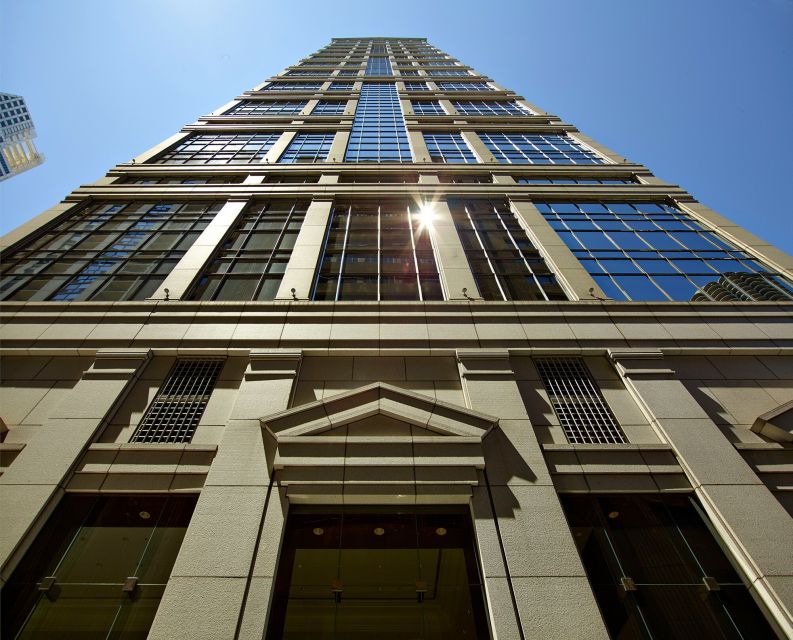
- Seven downtown stops that connect eras, not just single landmarks
- Architecture by style and intention, from 19th-century commercial to postmodern flair
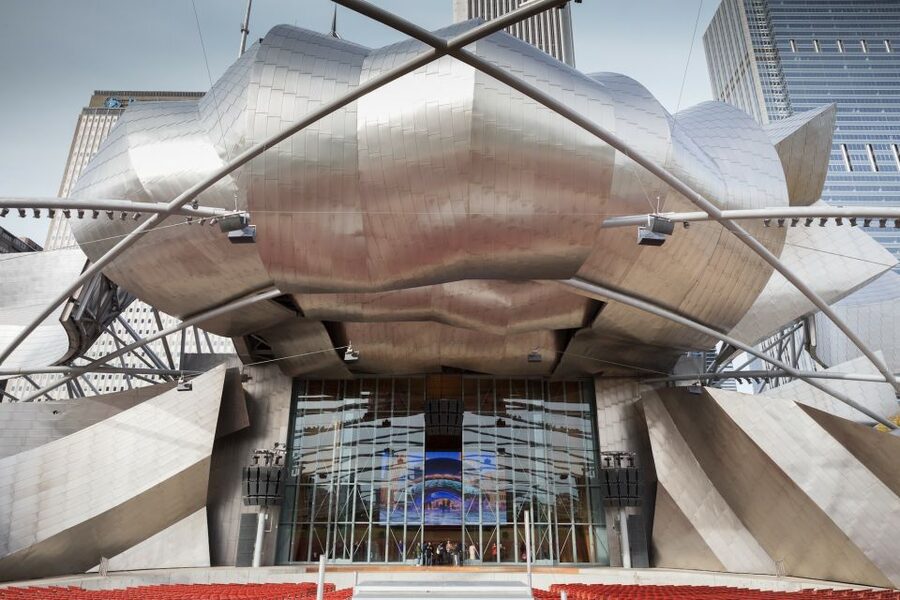
- Contemporary attention to work by major modern architects, including Frank Gehry, Renzo Piano, and Adrian Smith
- A clear ending at Millennium Park, where art and architecture meet in public space
- Certified guide storytelling, with time for questions and on-the-go explanations
Start at Chicago Architecture Center, Then Get Your Bearings
Most great architecture walks start with context, and this one begins at the Chicago Architecture Center at 111 E Wacker Drive. Even before you start walking, you’re in the right mindset: this is the kind of tour where buildings are treated like evidence. They’re not just pretty photos for later. You learn how to read them—materials, scale, and what the design communicates about the era that made it.
You also get admission to the galleries of the center. That matters more than it sounds. If you can see a few interpretive displays right before you hit the sidewalks, you’ll understand the “why” behind what you’re about to see. And once you’re outdoors, it’s easier to spot patterns: the older commercial language becomes recognizable, then later styles start to feel like reactions—new tech, new tastes, new civic goals.
The meeting spot is easy to find downtown, and you’ll be using a mobile or printed ticket. Come a few minutes early. On a walking tour, that buffer helps you settle your brain before you start catching building details.
Neck craned in the Loop, more building walks
Seven Downtown Stops: Chicago’s Architectural Timeline on Foot
The core experience is a downtown walk with seven stops, moving across styles and time. The route is designed around comparison. You’re not just ticking off famous buildings; you’re learning how Chicago’s skyline ideas fit together like a conversation.
You start with the older end of the story, including commercial buildings from the 1890s. This is where Chicago’s design DNA shows up: sturdy urban proportions, ornament used with purpose, and buildings that were built to work hard in a commercial city. The tour helps you notice how these structures signaled identity in a busy street environment—how architecture functioned like branding before the word branding existed.
Then you move into Beaux-Arts and other “academic” styles, where symmetry and classical references show up more overtly. From there, the walk continues into Mid-Century Modern and Postmodern architecture. This is where you’ll start seeing changes in attitude. Ornament doesn’t disappear—but it changes form. You’ll also notice how design becomes more expressive, sometimes more playful, sometimes more about structure and modern materials than about copying classical rules.
What makes this timeline approach valuable for you is that it trains your eye. After a couple of stops, you’ll stop asking, What style is this? and start asking, What problem was this building solving, and what does it want you to feel?
From 19th-Century Commercial Blocks to the Skyline Additions
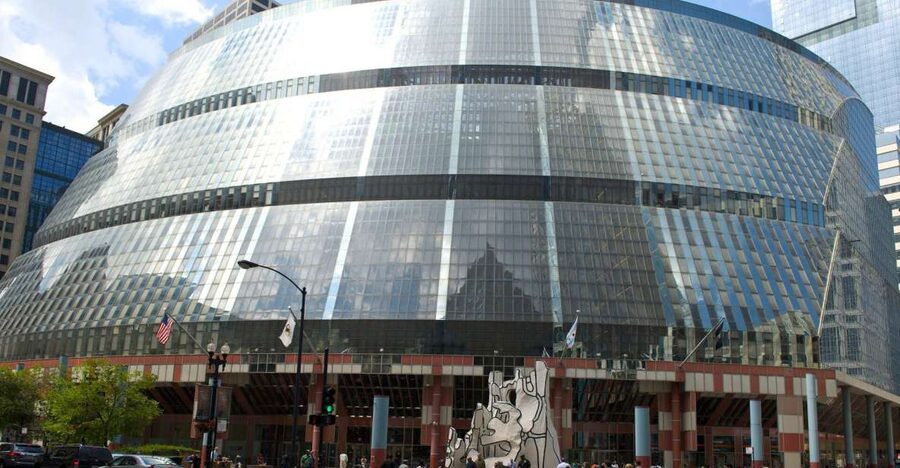
A big reason Chicago architecture tours feel different from other city walks is that the skyline is so layered. This tour leans into that. You’ll learn how older structures connect to new skyline additions, so the city doesn’t feel like a random mix of eras.
The early commercial buildings teach you how Chicago handled density. You see the logic of downtown: buildings meant for business, designed for the street, shaped by growth. From there, the tour’s comparison keeps going. You’ll see how later construction changes the relationship between street and tower—how scale shifts, how windows and facades communicate, and how civic or corporate priorities show up in the design.
Then you get a window into the newest chapter of the story through work by architects like Frank Gehry, Renzo Piano, and Adrian Smith. Even if you don’t know every name of every tower, this part helps you understand something important: modern design in Chicago isn’t just about being futuristic. It’s also about place. These designers bring signature style, but Chicago’s dense downtown setting forces ideas to land in the real world—wind, light, neighboring buildings, and long views from major streets.
If you want a practical takeaway: you’ll leave with better pattern recognition. When you look up at the skyline afterward, you’ll start sorting architecture by era and intent without needing a guidebook in your hand.
Chicago at sidewalk speed, more routes
- Chicago: Gangsters and Ghosts Walking Tour
★ 5.0 · 7,155 reviews - Chicago Favorites Ultimate Food and Walking Tour
★ 5.0 · 1,962 reviews - Chicago: Gangsters and Ghosts Guided Walking Tour
★ 4.7 · 1,697 reviews
Styles You’ll Hear Explained: Beaux-Arts, Mid-Century Modern, and Postmodern

One thing I appreciate about this tour is that it treats architectural styles as tools, not trivia. You’re not just collecting labels. You’re learning how styles reflect choices about structure, aesthetics, and how the city imagines itself.
Here’s how the tour’s style sequence usually plays in your head:
Beaux-Arts moments help you recognize the classical “rules” approach—grandness, balance, and a formal sense of order. It’s architecture that wants to be read from a distance, especially in a downtown setting.
Mid-Century Modern shifts the focus. You’ll start noticing a more streamlined feeling—cleaner lines, design shaped by modern materials, and the idea that form can express function. It’s not only about style. It’s about a new century’s confidence that engineering and simplicity can be beautiful.
Postmodern architecture is where you might feel the biggest attitude change. Postmodern buildings often mix references, exaggerate proportions, or add playful contrast. On a walk like this, it helps to remember that postmodern design isn’t one single look. It’s a mindset—architecture talking back to tradition.
You’ll probably get more out of these stops if you pause for a few seconds at each one rather than trying to take everything in with the first look. That’s where the guide’s stories help: they slow you down and point out what to look for next.
The Guide Makes or Breaks It: What You Can Learn from Teresa and Ron
On this kind of tour, the guide isn’t optional. A good architecture walk is basically guided looking. The best part is when your guide connects details to meaning you can carry home.
For example, I’ve seen how guides like Teresa can make a tour land even if you’ve lived in Chicago for decades. One of the strengths of her approach is pacing and context—she helps you see architecture not as background, but as a map of how Chicago grew and why design choices mattered.
Then there’s Ron, who brings a teaching style built around facts and follow-up. One highlight: he supplements the walk with a notebook of helpful nuggets, so the learning doesn’t end when you finish the last stop. That kind of add-on is practical. It lets you review what you saw later while the details are still fresh in your mind.
The takeaway for you: don’t treat the questions section as a bonus. Ask something early—What should I be looking for on this facade? or What makes this style feel distinct? When the guide answers, you’re training your eye for the next building.
Millennium Park Finish: Art Meets Architecture in Real Time
Every city has parks. Millennium Park is different because it’s part of the city’s architecture conversation. This tour finishes with a visit to Millennium Park, where world-class art and architecture combine in a public setting.
This ending matters because it changes your mode. A walking tour through downtown can feel like you’re in a narrow “view corridor,” always looking up or reading facades. Millennium Park gives you a chance to see how architecture works at human scale: public space, sightlines, materials, and design that interacts with everyday movement.
It’s also a smart emotional close. After you spend time learning how earlier styles shaped the skyline, the park shows another kind of “design influence”—cultural investment and how the city uses iconic spaces to bring people together. If you like architecture that you can experience, not just observe, this finish point helps a lot.
What’s Included (and What You’ll Need to Handle Yourself)
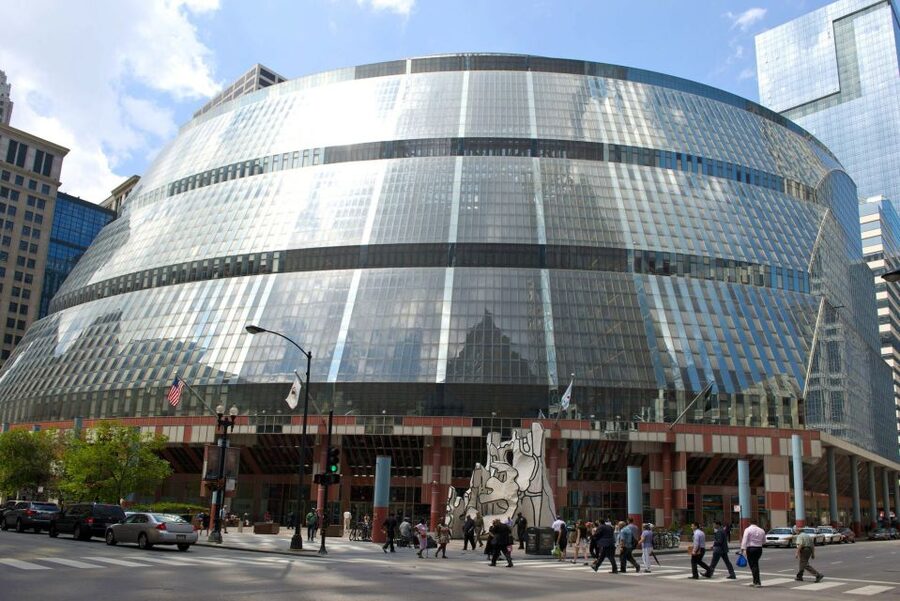
You’re paying for two things here: a certified professional guide and admission to the galleries of the Chicago Architecture Center. That’s a real value mix. The galleries prime you for interpretation, and then the walking portion tests your understanding in the real environment.
What’s not included is straightforward: food and drinks, and no storage for luggage or strollers. Also, there’s no hotel pickup or drop-off—so plan your route to and from the center yourself.
Practical advice for you:
- Wear comfortable shoes. This is a city-walk, not a sit-down lecture.
- Bring a light layer. Even if the weather looks fine, Chicago can change quickly.
- If you’re traveling with a stroller or bags, plan to carry essentials only. Since storage isn’t available, you’ll want to avoid making it harder than it needs to be.
And yes, it runs rain or shine. So bring a small umbrella or a rain layer you can move in.
Price and Value: Why $35 Feels Like a Good Deal Here
At $35 per group up to 1, the price is surprisingly approachable for what you get. You’re not just getting a guide outdoors. You’re also getting entry to the architecture center galleries, plus a 90-minute guided walk that covers multiple eras and styles.
Here’s the value logic: architecture tours often feel expensive when they’re basically a photo walk with names attached. This one is built for learning by comparison—1890s commercial, Beaux-Arts, mid-century modern, postmodern, and contemporary architectural influence. That “range with structure” is where your money turns into real understanding.
Also, the ticket supports a nonprofit. Your purchase helps fund education initiatives like Girls Build!, Teen Fellows, and the Newhouse Architecture + Design Competition. It can also help support programs such as Open House Chicago staying free for participants. If you care about where tourism dollars go, this is one of the cleaner ways to direct it.
So for value: you’re not only buying a walk. You’re buying a guided way to train your eyes and supporting community programming at the same time.
Who Should Book This Tour (and Who Might Want a Different Plan)
This tour is a strong fit if:
- You want a fast, readable introduction to Chicago architecture without getting lost in jargon.
- You like guides who explain context and answer questions—especially if you’re the type who wants meaning, not just facts.
- You enjoy variety: older downtown commercial buildings, academic Beaux-Arts styling, and more attitude-driven later styles.
You might consider something else if:
- You have extremely limited mobility beyond a short standing/walking period, even though the tour is wheelchair accessible.
- You’re hoping for a deep, inside-the-building architectural museum experience. This one is designed around the streets and a park ending, with gallery time at the start.
If you’re short on time, this is a solid “first Chicago architecture” plan. It helps you build a foundation so other buildings you see later start making sense.
Practical Tips for a Smooth 90 Minutes in Downtown Chicago
Because this is a walking tour, small choices can make the difference between enjoying it and rushing through it.
First, arrive with your phone charged or print your ticket. You’ll need it at the start. Then think about your gear: since there’s no storage for luggage or strollers, bring what you truly need for about 90 minutes outdoors.
Second, give yourself permission to slow down. At each stop, look for the details your guide points out—window rhythm, facade materials, and how the design relates to neighboring buildings. You’ll get more out of the tour if you’re not trying to memorize every detail. Instead, focus on a few recurring patterns. That’s how you’ll recognize later architecture on your own.
Third, don’t ignore the role of Millennium Park at the end. Even if you’re tired, that final stop is your chance to connect architecture learning to everyday city use. It helps the whole experience feel less like school and more like walking through a living city.
Should You Book This Chicago Architecture Walking Tour?
Yes, if you want an efficient, well-taught introduction to Chicago’s architectural evolution. The seven-stop structure gives you comparison, the certified guide brings meaning, and the Millennium Park finish gives your brain a satisfying landing spot. It’s also a good value for $35 when you factor in gallery admission and the education support tied to the nonprofit.
Book it especially if you enjoy asking questions and learning the “why” behind what you see. If you’re the sort of person who looks up naturally and wonders what changed over time, this tour will help you read the skyline instead of just admiring it.
FAQ
Where does the tour start?
It meets at the Chicago Architecture Center, 111 E Wacker Drive, Chicago, IL 60601.
How long is the Chicago architecture walking tour?
The tour lasts about 90 minutes.
What’s included in the ticket price?
You get a certified professional guide and admission to the galleries at the Chicago Architecture Center.
Do I need to pay for food or drinks on the tour?
Food and drinks are not included.
Is the tour wheelchair accessible?
Yes, the tour is wheelchair accessible.
Does the tour run in bad weather?
Yes, it takes place rain or shine.
Are pets allowed?
Pets are not allowed, but assistance dogs are allowed.
Is there storage for luggage or strollers during the tour?
No, storage for luggage or strollers is not available.
Is the tour language English?
Yes, the live tour guide speaks English.
Chicago on Foot, Block After Block
- Chicago: Gangsters and Ghosts Walking Tour★ 5.0 · 7,155 reviews
- Chicago Favorites Ultimate Food and Walking Tour★ 5.0 · 1,962 reviews
- Chicago: Gangsters and Ghosts Guided Walking Tour★ 4.7 · 1,697 reviews
- Chicago in a Day: Food, History & Architecture Walking Tour★ 5.0 · 1,153 reviews
- Chicago’s Secret Interiors Architectural Walking Tour★ 5.0 · 635 reviews
The Wider Chicago Shortlist
- Chicago Architecture River Cruise★ 5.0 · 15,756 reviews
- Chicago River 90-Minute Architecture Tour★ 4.5 · 9,629 reviews
- Chicago River: 1.5-Hour Guided Architecture Cruise★ 4.8 · 8,046 reviews
- Chicago: Gangsters and Ghosts Walking Tour★ 5.0 · 7,155 reviews
- Chicago Architecture Center River Cruise aboard First Lady★ 5.0 · 5,536 reviews
Chicago, Read from the Sidewalk
- Chicago in a Day: Food, History & Architecture Walking Tour★ 5.0 · 1,153 reviews
- Chicago’s Secret Interiors Architectural Walking Tour★ 5.0 · 635 reviews
- Chicago: Secret Interiors Architecture Walking Tour★ 4.9 · 498 reviews
- Chicago Architecture Tour: Underground Pedway and the Loop★ 5.0 · 388 reviews
- Chicago Walking Tour: Art Deco Skyscrapers Loop★ 5.0 · 138 reviews
The Ink Is Still Wet on These Chicago Reviews




Architecture Walking Tours, compared.
 ★ 5.0Chicago in a Day: Food, History & Architecture Walking TourFrom $1001,153 reviews
 ★ 5.0Chicago’s Secret Interiors Architectural Walking TourFrom $35635 reviews
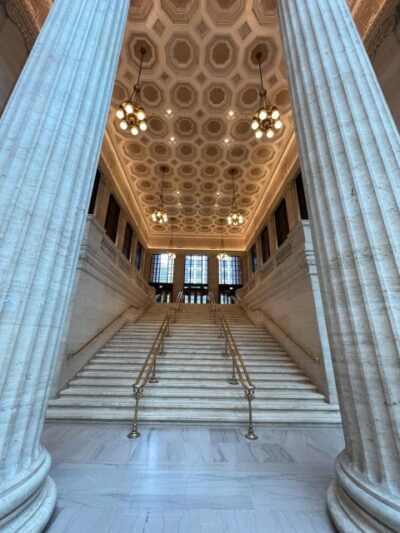 ★ 4.9Secret Interiors Architecture Walking TourFrom $35498 reviews
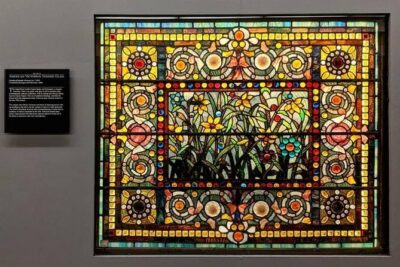 ★ 5.0Chicago Architecture Tour: Underground Pedway and the LoopFrom $35388 reviews
 ★ 5.0Chicago Walking Tour: Art Deco Skyscrapers LoopFrom $35138 reviews
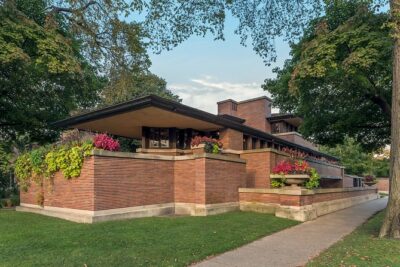 ★ 4.0Frank Lloyd Wright Robie House Admission130 reviews
 ★ 5.0Chicago Architecture Walking Tour: Incredible Art Deco InteriorsFrom $3585 reviews
 ★ 5.0Chicago Walking Tour: Historic SkyscrapersFrom $3567 reviews
Browse the lists this tour appears in