
REVIEW · ARCHITECTURE WALKING TOURS
Chicago: Evolution of the Skyscraper Walking Tour
Chicago’s skyline makes sense on foot. This chronological Chicago skyscraper walking tour turns the Loop into a timeline you can walk, not a lecture you have to survive. I especially love the way the story starts at the Chicago River and works forward to the modern skyline, and how the guide ties design choices to real engineering changes.
The one thing to plan around is logistics: you’ll want to travel light, because there’s no secure storage for luggage or strollers, and the tour departs rain or shine.
In This Review
- Quick hits before you set off
- Inside the Chicago Architecture Center: the setup that makes the walk click
- Why a chronological skyscraper tour matters more than you think
- From the Chicago River to the Loop: the city’s first “infrastructure”
- After the Great Fire: rebuilding height and confidence
- Old Dearborn Bank and other financial-era stops: when business demanded presence
- The Chicago Motor Club and the shift toward modern city life
- Carbide and Carbon: the industrial-cool era you can actually see
- NBC Tower and the late-stage skyline: branding, broadcast, and modern ambition
- What you’ll learn from a Chicago Architecture Center–certified guide
- Time on foot: how to make the most of 90 minutes
- Price and value: $35 gets more than a tour
- Who should book this Chicago skyscraper walking tour
- Should you book the Evolution of the Skyscraper Walking Tour?
- FAQ
- Where does the tour start?
- How long is the walking tour?
- What’s included with the ticket?
- Is the tour in English?
- Do you allow pets?
- Can I store luggage or strollers?
- What should I bring?
- Does it run in bad weather?
Quick hits before you set off
- Chronological order you can follow building-to-building, from the city’s river growth through the rebuild after the Great Fire and beyond
- Certified Chicago Architecture Center guide trained by the city’s leading architecture authority
- Small, concrete details: each stop is tied to the technology and style of its era
- Hands-on context first with admission to Chicago Architecture Center Exhibits (including a miniature model of the Chicago Loop)
- A walk focused around the river and Michigan Avenue area, giving you a clean “downtown in motion” view of the city
Inside the Chicago Architecture Center: the setup that makes the walk click

Your tour starts in the right place: inside the Chicago Architecture Center at 111 E. Wacker Drive. Before you even hit the sidewalk, you get admission to the Chicago Architecture Center Exhibits (new). If you like understanding a city before you start moving through it, this matters.
One reason I like this format is simple: the exhibits help you get your bearings fast. A past visitor pointed out a miniature of the Chicago Loop, and I can see why that would help. Seeing the downtown grid and building shapes in miniature makes the real streets feel less chaotic.
You’ll also have a chance to browse the center’s books and gifts shop. It’s not why you came, but it’s useful if you want to keep learning after the tour—especially if Chicago architecture has grabbed you more than you expected.
Neck craned in the Loop, more building walks
Why a chronological skyscraper tour matters more than you think
Chicago isn’t just tall buildings. It’s tall buildings with a reason. A chronological walking format is the key, because it shows you cause and effect: what changed first in the city, then what changed in design, then what changed in engineering.
That timeline approach keeps you from treating the skyline like random eye candy. Instead, you start noticing patterns: how architects adapted styles to the fashions of the day, how commercial needs shaped forms, and how new construction technology allowed buildings to rise higher and faster.
You also get a clearer sense of why Chicago looks the way it does. After the Great Chicago Fire, the city rebuilt with fresh ambition. Later, as Chicago became a major commercial and cultural hub, architecture evolved again—this time for branding, business, and modern urban life.
From the Chicago River to the Loop: the city’s first “infrastructure”
The tour’s story begins with how Chicago grew on the Chicago River. That opening is more than trivia. It’s a reminder that skyscrapers weren’t born out of nowhere; they grew from transportation, commerce, and the city’s ability to concentrate jobs and people in one place.
As you move along the downtown blocks around the river and Michigan Avenue, you’re basically tracing how Chicago transformed from a river-driven economy into a vertical one. Even if you’re not an engineering person, you’ll likely start connecting dots: rivers drove commerce; commerce drove building demand; building demand drove taller construction.
This is also where the guide’s “make it human” approach pays off. A good architecture guide doesn’t just point at stone and steel. They explain the logic behind the choices—who needed what, and what architects had to solve.
Chicago at sidewalk speed, more routes
- Chicago: Gangsters and Ghosts Walking Tour
★ 5.0 · 7,155 reviews - Chicago Favorites Ultimate Food and Walking Tour
★ 5.0 · 1,962 reviews - Chicago: Gangsters and Ghosts Guided Walking Tour
★ 4.7 · 1,697 reviews
After the Great Fire: rebuilding height and confidence
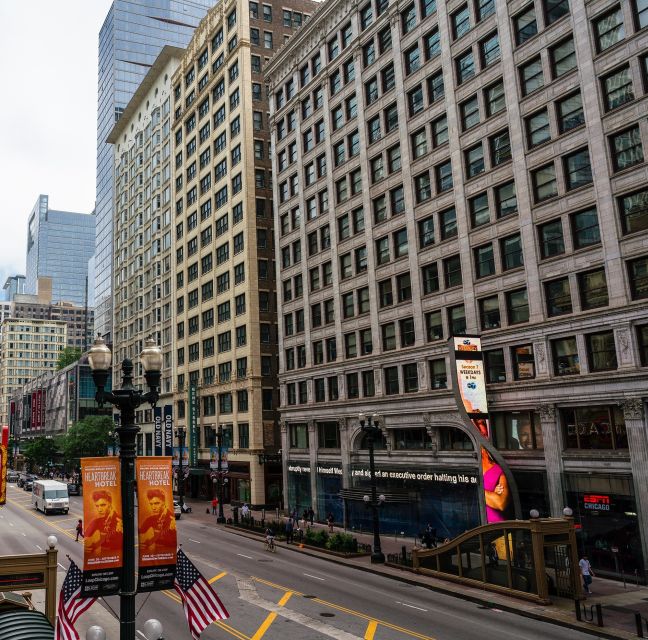
Chicago’s rebirth after the Great Fire is a turning point in this walk. It’s the moment when you can feel the city switch from survival mode to growth mode. The difference shows up in architecture: more bold planning, more organized commercial development, and designs that signal stability and progress.
In a 90-minute walk, you won’t get every detail of every era. But you will get a working understanding of what “rebuilding” meant for architecture. It meant the city had to rethink how it used space, how it protected buildings, and how it presented itself as a world-class city.
This is also where chronological order helps. When you’re viewing buildings in the order they were built, the architectural language makes more sense. A building style that might feel random on its own becomes an intentional step in the city’s evolution.
Old Dearborn Bank and other financial-era stops: when business demanded presence
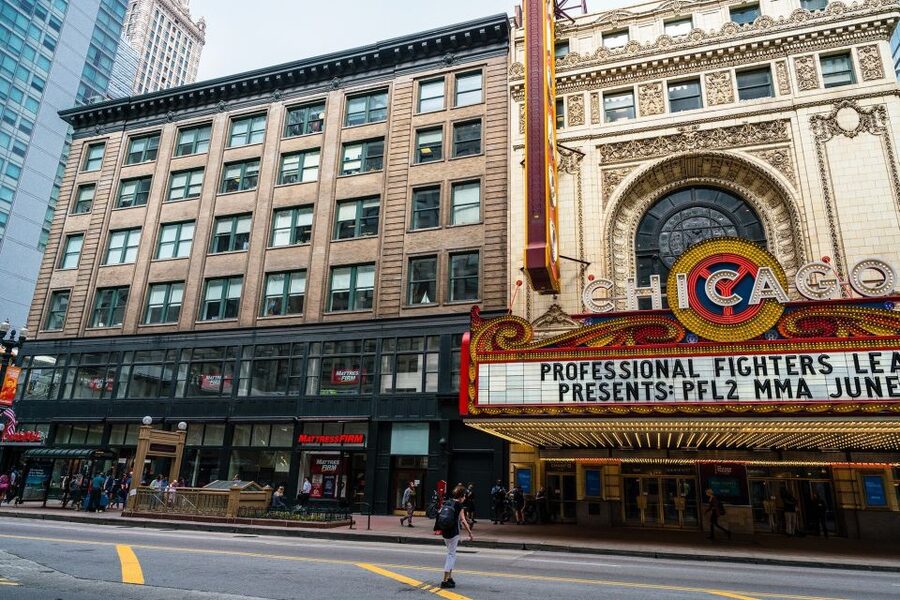
One of the best parts of the tour is that you don’t only see “famous tall stuff.” You also get buildings tied to everyday city power—banking, clubs, and office life. That’s exactly where architectural choices start to look practical.
The walk includes the Old Dearborn Bank, and that type of stop is useful because banks often had to look trustworthy and permanent. Even without memorizing dates, you can pay attention to how the building communicates solidity and authority. Architecture becomes messaging for the people who held the money and shaped growth.
This is also a chance to compare “what the era wanted” versus “what the era could build.” The guide connects design and engineering so you’re not just looking at a façade. You’re learning what structural and construction advances made certain forms possible.
The Chicago Motor Club and the shift toward modern city life
The tour doesn’t stay stuck in the past. It includes the Chicago Motor Club, which signals how Chicago adapted as the city modernized and daily life changed. The rise of new transportation habits and new forms of public life influenced building needs. When the city’s rhythms change, architecture follows.
This stop works well for people who don’t want only ornate historic architecture. You get a sense of how commercial buildings evolved into modern city infrastructure—places designed for new services, new customers, and a changing urban culture.
I like that this part of the narrative doesn’t feel like a detour. It fits the same theme as the earlier stops: technology and society move forward, and architecture responds.
Carbide and Carbon: the industrial-cool era you can actually see
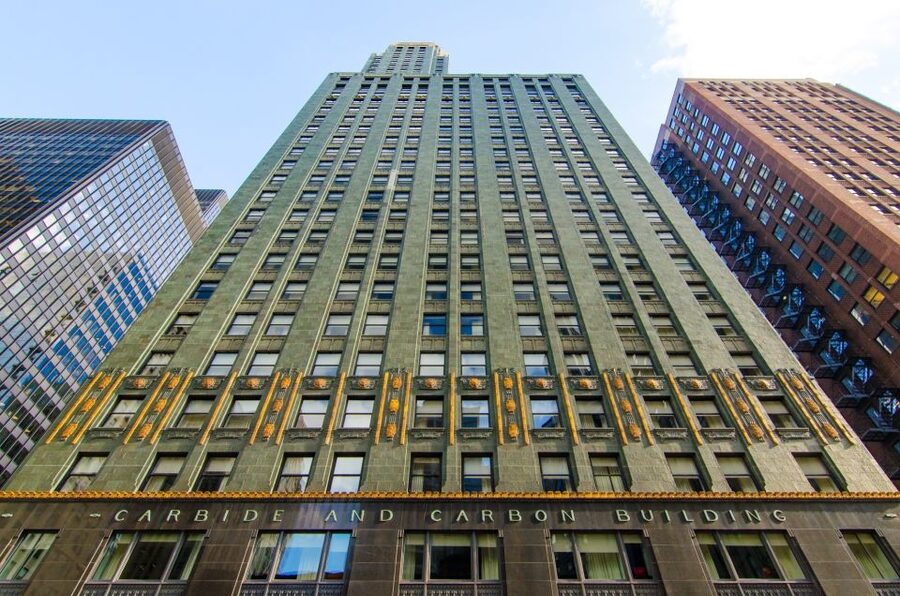
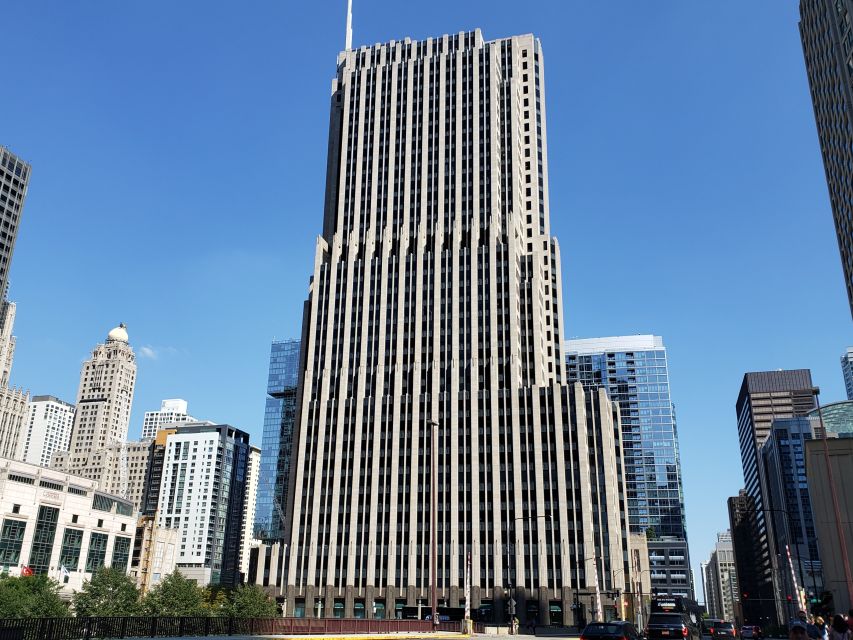
The Carbide and Carbon Building is one of those stops that makes the tour feel like more than a walking slideshow. Industrial buildings can be visually fun because they often carry the personality of their purpose—production, power, and the swagger of industry showing off in the skyline.
What makes this stop meaningful in a chronological tour is that it helps you see engineering evolution as something you can observe. Industrial-era architecture often reflects new building techniques and different priorities in structure and materials.
The guide’s role matters here. If they explain what the building represents—how industry and design intersect—you’re left with more than photos. You’re left with context you can reuse on your own city exploring.
NBC Tower and the late-stage skyline: branding, broadcast, and modern ambition
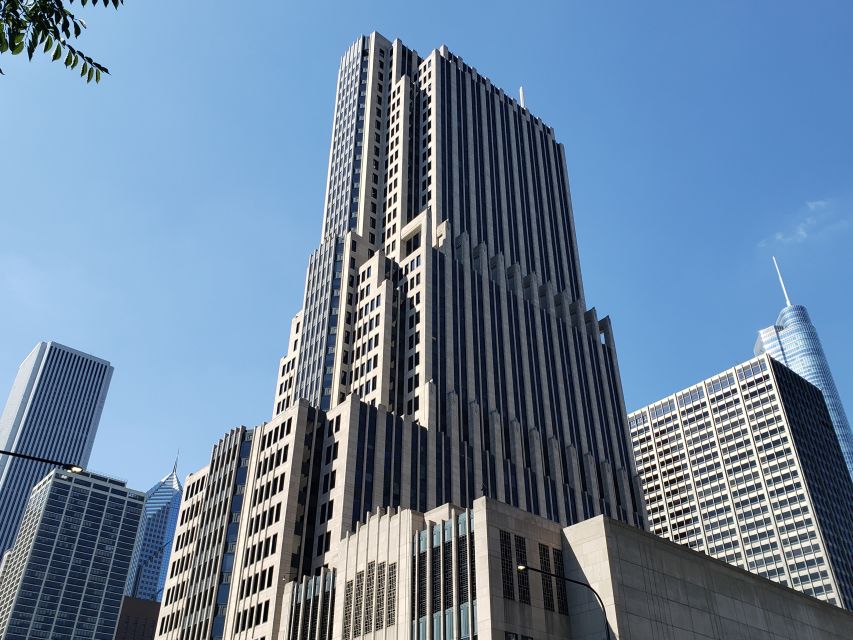
By the time you reach NBC Tower, you’re looking at a different kind of architecture challenge: not just making a building that houses business, but making a building that supports an idea of modern communication and corporate presence.
Even if you don’t know broadcast architecture, you can still read the building’s “language.” Does it feel more streamlined? More engineered for a corporate future? More focused on identity? In a chronological walk, those impressions land with more weight because you’ve already seen earlier eras build toward modernity.
This stop is a good reminder that Chicago’s skyline doesn’t just reflect engineering progress. It reflects marketing, media, and the way cities reinvent themselves for new industries.
What you’ll learn from a Chicago Architecture Center–certified guide
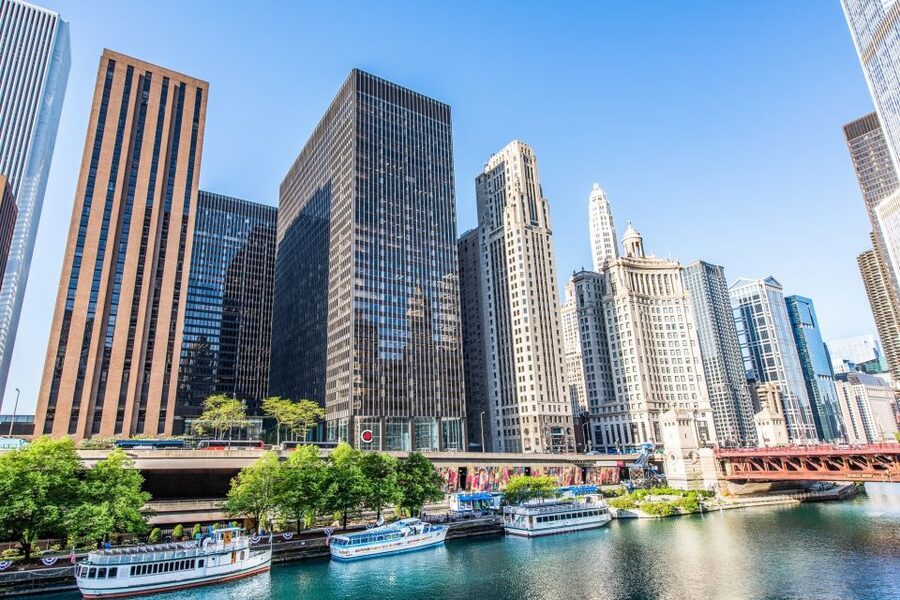
The tour includes a certified guide from the Chicago Architecture Center. That detail isn’t fluff. Chicago Architecture Center guides are trained to connect architecture to the city’s development story, not just to recite facts.
In one review, a guide named Mitch was praised for presenting a detailed, interesting history while walking an extended area around the river and Michigan Avenue. That’s the ideal way to do this tour: walking pace plus strong storytelling, with enough specifics to keep you awake.
You’ll also get opportunities for questions. One review mentioned enjoying the chance to ask questions, which is a big deal on an architecture tour. If something confuses you—why a building looks a certain way, why a style changes, why technology matters—you can usually get a straight answer rather than guessing from your own notes.
Time on foot: how to make the most of 90 minutes
Ninety minutes is long enough to learn something real, but short enough that you don’t need to be in serious hiking shape. Still, it’s a walking tour, so wear comfortable shoes. If you’re the type who stops to read every plaque, you might feel the pace a bit, but that’s part of the value: you’re moving through the city’s story in time order.
Also plan for weather. The tour departs rain or shine, and there are no refunds due to weather. That means bringing a rain layer is smarter than relying on luck.
Finally, manage what you carry. There’s no secure storage for luggage or strollers. If you’re traveling with anything big, you’ll want an alternative plan before you arrive at the meeting point inside the center.
Price and value: $35 gets more than a tour
At $35 for a small booking slot, this is a straightforward cost for a 90-minute guided experience. The value comes from what’s bundled: the walking tour plus admission to the Chicago Architecture Center Exhibits (new).
That bundle matters because you get two different learning modes. You see buildings in real life while walking, and you get background context inside the center. If you like architecture but aren’t ready to spend half a day on museums and lectures, this package can hit the sweet spot.
There’s also a local impact angle you can feel good about. Ticket purchases support Chicago Architecture Center education initiatives like Girls Build!, Teen Fellows, and the Newhouse Architecture + Design Competition. They also help keep programs like Open House Chicago free for participants over time. Knowing that your ticket dollars support local community engagement turns the tour into more than a consumer experience.
Who should book this Chicago skyscraper walking tour
This is a great fit if you:
- want a clear time-ordered story of Chicago architecture rather than scattered facts
- like seeing how engineering changes show up in the buildings you can actually spot from the street
- prefer a local expert guide over self-guided reading
- want a downtown walk that pairs well with other Chicago plans
It may not be your best match if:
- you need luggage or stroller storage at the meeting area
- you hate rain and don’t want to plan for weather
- you want a deep technical engineering class with diagrams and specs (this is a city story first)
Should you book the Evolution of the Skyscraper Walking Tour?
I’d book it if you want the fastest way to understand why Chicago’s skyline evolved the way it did. The format is practical: start with exhibits to build context, then follow a chronological walk that links river growth, the post–Great Fire rebuild, and later commercial and cultural expansion. Add a Chicago Architecture Center–certified guide, and you get explanations that turn buildings into stories you can remember.
Just go in with two smart expectations: plan to travel light, and dress for weather since it runs rain or shine. If you can do that, this $35 tour is a solid way to get real insight without turning your day into a full-day research project.
FAQ
Where does the tour start?
You meet inside the Chicago Architecture Center at 111 E. Wacker Drive, Chicago, IL 60601.
How long is the walking tour?
The tour lasts 90 minutes.
What’s included with the ticket?
You get admission to the Chicago Architecture Center Exhibits (new) and a 90-minute walking tour with a certified guide from the Chicago Architecture Center.
Is the tour in English?
Yes, the live tour guide is in English.
Do you allow pets?
Pets are not allowed, but service animals are welcome.
Can I store luggage or strollers?
No. The tour cannot provide secure storage for luggage or strollers.
What should I bring?
Bring a face mask or protective covering.
Does it run in bad weather?
The tour departs rain or shine, and there are no refunds due to weather.
Chicago on Foot, Block After Block
- Chicago: Gangsters and Ghosts Walking Tour★ 5.0 · 7,155 reviews
- Chicago Favorites Ultimate Food and Walking Tour★ 5.0 · 1,962 reviews
- Chicago: Gangsters and Ghosts Guided Walking Tour★ 4.7 · 1,697 reviews
- Chicago in a Day: Food, History & Architecture Walking Tour★ 5.0 · 1,153 reviews
- Chicago’s Secret Interiors Architectural Walking Tour★ 5.0 · 635 reviews
The Wider Chicago Shortlist
- Chicago Architecture River Cruise★ 5.0 · 15,756 reviews
- Chicago River 90-Minute Architecture Tour★ 4.5 · 9,629 reviews
- Chicago River: 1.5-Hour Guided Architecture Cruise★ 4.8 · 8,046 reviews
- Chicago: Gangsters and Ghosts Walking Tour★ 5.0 · 7,155 reviews
- Chicago Architecture Center River Cruise aboard First Lady★ 5.0 · 5,536 reviews
Chicago, Read from the Sidewalk
- Chicago in a Day: Food, History & Architecture Walking Tour★ 5.0 · 1,153 reviews
- Chicago’s Secret Interiors Architectural Walking Tour★ 5.0 · 635 reviews
- Chicago: Secret Interiors Architecture Walking Tour★ 4.9 · 498 reviews
- Chicago Architecture Tour: Underground Pedway and the Loop★ 5.0 · 388 reviews
- Chicago Walking Tour: Art Deco Skyscrapers Loop★ 5.0 · 138 reviews
The Ink Is Still Wet on These Chicago Reviews




Architecture Walking Tours, compared.
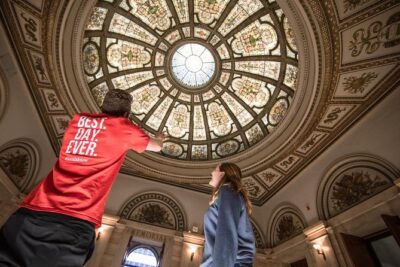 ★ 5.0Chicago in a Day: Food, History & Architecture Walking TourFrom $1001,153 reviews
 ★ 5.0Chicago’s Secret Interiors Architectural Walking TourFrom $35635 reviews
 ★ 4.9Secret Interiors Architecture Walking TourFrom $35498 reviews
 ★ 5.0Chicago Architecture Tour: Underground Pedway and the LoopFrom $35388 reviews
 ★ 5.0Chicago Walking Tour: Art Deco Skyscrapers LoopFrom $35138 reviews
 ★ 4.0Frank Lloyd Wright Robie House Admission130 reviews
 ★ 5.0Chicago Architecture Walking Tour: Incredible Art Deco InteriorsFrom $3585 reviews
 ★ 5.0Chicago Walking Tour: Historic SkyscrapersFrom $3567 reviews
Browse the lists this tour appears in