
Chicago’s buildings have secrets. You’ll learn them fast on this architecture and engineering walk. The guide is a trained engineer with comedy timing, so the stories behind steel, foundations, and skyscrapers actually make sense on a sidewalk, not just on paper.
I love the way the tour turns the skyline into a set of working problems. You get clear, easy-to-understand engineering insights from a real professional, and Henry even brings a folder with lots of illustrations to help laypeople follow the ideas without getting lost.
One heads-up: this is still a walking tour. It’s not suitable for low mobility or low fitness, and you’ll want comfortable shoes and a weather-ready plan.
In This Review
- Key things to know before you go
- Why Chicago’s engineering tour works: a real engineer, not a lecture
- Where you start: Roosevelt University (Auditorium Building) at 430 S Michigan
- The tour’s core lesson: how buildings handle gravity and wind
- Marshy soil and “floating” foundations: why settlement can create a spooky story
- Small footprints, big buildings: planning under tight space
- The father-of-the-skyscraper story and the Eiffel-classmate detail
- Access inside select buildings: seeing the structure, not just the facade
- How the 2-hour schedule fits downtown life
- Who should book this Chicago architecture-and-engineering walk
- Price check: is $30 worth it?
- Should you book this Chicago engineering tour?
- FAQ
- How long is the Chicago Architecture and Engineering Marvels walking tour?
- Where do we meet for the tour?
- What is included in the ticket price?
- What should I bring?
- Is the tour suitable for people with mobility impairments?
- Is there free cancellation?
Key things to know before you go
- Engineer-led stories you can picture right away, not abstract facts.
- Express elevator access that saves time when you enter select buildings.
- 150+ years of Chicago engineering traced through how buildings were planned and executed.
- Forces explained simply: gravity, plus the wind loads Chicago is famous for.
- Foundation history matters, including the idea of uneven settling on a floating foundation.
- Henry’s illustration folder makes structural concepts easier to follow.
Why Chicago’s engineering tour works: a real engineer, not a lecture
This tour is built around one big idea: Chicago architecture is engineering in human form. The skyline looks artistic, but it’s also math, materials, and problem-solving under pressure. That’s why an engineer-led approach feels different from a standard “pretty building” walk.
You’ll notice how the guide connects design choices to real-world constraints. The story isn’t only about what got built, but also about why it had to be built that way given the city’s conditions. Chicago challenged builders with marshy soil, limited space, and intense wind—then still demanded tall, iconic results.
I also like the guide’s tone. It’s not stiff. The tour uses humor to keep you listening, and it helps when you’re walking for about two hours and the concepts start stacking up.
Neck craned in the Loop, more building walks
Where you start: Roosevelt University (Auditorium Building) at 430 S Michigan
You meet right in front of the main building of Roosevelt University, also known as the Auditorium Building. The address is 430 South Michigan Avenue—and the “S” matters. Chicago directions love to trip people up, so double-check that you’re on South Michigan, not North Michigan.
Starting here is smart. You’re already near one of the city’s landmarks, and the building gives you a strong baseline for what comes next. From this point, the tour shifts from “look at the building” to “see what makes the building work,” using each stop to explain a different engineering challenge.
Bring practical basics right away: comfortable shoes. Also, pack a water bottle. This is downtown walking, and two hours can feel longer when you’re doing it in summer heat or winter wind.
The tour’s core lesson: how buildings handle gravity and wind
Chicago is famous for wind, and your guide treats it like a real design factor. You’ll learn the common ways buildings handle forces coming from gravity and from wind pressure. The goal is to understand why tall buildings don’t just rise—they must also resist pushing, swaying, and internal stress.
As you move between stops, the explanations connect back to what you’re seeing: structural choices, shapes, and how different parts of a building work together. Even if you don’t have a technical background, you’ll get a mental model you can reuse later when you look up at other towers.
The best part is that the tour doesn’t act like engineering is magic. It’s framed as planning and execution. You’ll hear how engineers and architects turned constraints into methods. In a city like Chicago, that mindset is the difference between a building that just looks tall and one that survives for decades.
Chicago at sidewalk speed, more routes
- Chicago: Gangsters and Ghosts Walking Tour
★ 5.0 · 7,155 reviews - Chicago Favorites Ultimate Food and Walking Tour
★ 5.0 · 1,962 reviews - Chicago: Gangsters and Ghosts Guided Walking Tour
★ 4.7 · 1,697 reviews
Marshy soil and “floating” foundations: why settlement can create a spooky story
One of the most interesting concepts on the tour is the idea that some buildings get a haunted reputation simply because they settled unevenly on their “floating” foundation. That’s a wild-sounding hook, but it’s also a reminder that engineering can create real-life quirks.
You’ll learn how Chicago’s ground conditions forced serious thinking early on. Marshy soil isn’t a small inconvenience—it changes how you build, what you can build, and what you have to do to keep structures stable over time. The guide ties this to the city’s growth into major building styles, showing how engineers adapted when the ground didn’t cooperate.
This is also where the tour becomes especially useful for “first-timers.” If you’ve only seen Chicago from the outside, the tour helps you understand why certain buildings seem to defy expectations. They didn’t. The city’s engineers just handled the problems with a lot of planning and execution.
Small footprints, big buildings: planning under tight space
Chicago’s engineering story isn’t only about height. It’s also about the reality that downtown lots aren’t always huge. The guide explains how early leaders managed major buildings despite challenging conditions and often only small footprints available for large projects.
That changes how you look at the skyline. A tight site turns architecture into a puzzle: where do loads go, how do you support heavy structures, and how do you preserve usable space? You’ll get a sense that tall buildings are as much about careful layout as they are about dramatic facades.
And because the guide is trained as an engineer, you don’t just hear slogans. You learn the reasoning behind the choices. That’s the part I enjoy most: you can walk away understanding the logic, not just remembering names.
The father-of-the-skyscraper story and the Eiffel-classmate detail
Another highlight is the stop tied to the father of the skyscraper. The tour adds a surprisingly specific biographical angle: this engineer was also a classmate of Gustav Eiffel. That’s the kind of detail that makes architecture history feel personal and connected to broader engineering breakthroughs of the era.
Even without turning it into a biography, your guide uses this story to connect design to engineering identity. You’ll see how the city’s early leaders helped shape iconic styles that still look current today. It’s not only about one famous figure, but about why Chicago became a proving ground for ambitious structural ideas.
If you’re the type who likes your “architecture facts” tied to real engineering people, this segment is a win. It gives context without burying you under dates.
Access inside select buildings: seeing the structure, not just the facade
This isn’t only an exterior tour. The experience includes exclusive access to select building interiors, and you’ll use express elevators to skip line time when you enter. That matters more than people think. Interior access is where engineering stories stop being pictures and start being physical.
Inside, you’ll get a better sense of what the building is doing and how the spaces relate to the structure. You’ll likely notice how circulation, height, and building systems shape what feels comfortable, stable, and functional. A facade can hide a lot. Interiors reveal how the engineering choices play out day to day.
Also, the inside moments break up the walking. Two hours sounds short until you’re outside in Chicago weather. Interior stops give your brain a reset, and they make the concepts stick.
Don’t expect a museum-style lecture in every room. The tour is designed to keep moving and keep explaining. You’ll learn, look, and listen in a pattern that feels more like guided discovery than a marathon talk.
How the 2-hour schedule fits downtown life
Duration is 2 hours, usually available in the afternoon. That’s a sweet spot if you want something meaningful without wrecking your whole day. You get a focused introduction to Chicago’s engineering mindset, plus interior access, without needing to commit to a half-day expedition.
You’ll walk enough to get a real sense of the city. So plan for a steady pace and bring shoes that won’t punish you by hour two. If you tend to get tired easily, this is the kind of tour where you’ll notice it.
The structure also works well for photos. The guide talks through what to look for, and that helps you frame shots that show details instead of only big skyline silhouettes. If you bring a camera, you’ll have plenty of chances.
Who should book this Chicago architecture-and-engineering walk
I think this tour is ideal if you fall into any of these groups:
- You love architecture but want the engineering reasons behind the look.
- You like history when it’s connected to real-world problem-solving.
- You want a walking tour with a guide who can explain technical ideas in plain language.
You’ll also enjoy it if you’re curious about Chicago’s unique building conditions: marshy soil, wind forces, and the challenge of fitting big projects into tight downtown sites. The tour keeps those themes front and center.
But you should skip it if you have mobility impairments or low fitness. The experience is built on walking and in-person stops with interior access, so it’s not the kind of tour you can comfortably “sit through.”
Price check: is $30 worth it?
At $30 per person for a 2-hour tour, the price feels reasonable for what you actually get: an engineer-trained guide, engineering explanations, and select interior access plus express elevator time.
The value part isn’t just the cost. It’s the blend. A standard exterior architecture tour can be good, but you lose a chunk of meaning when you never see anything inside. Here, the interior access is part of the learning, not an optional perk.
Also, the guide’s teaching style matters. Henry bringing an illustration folder is the kind of detail that usually costs extra time and energy to prep. It’s a sign the tour is designed to make the subject workable for non-engineers.
So if you’re trying to choose between a “view-only” option and something that connects form to structure, this one is positioned well.
Should you book this Chicago engineering tour?
If you want to understand Chicago’s skyline instead of just admiring it, I’d book this. The engineer-led perspective makes the city’s big ideas click, and the interior access gives you real payoff in a short time.
Book it especially if you:
- enjoy architecture with practical explanations,
- want stories tied to foundations, wind, and load-bearing logic,
- like guided stops where you learn what to notice next.
Skip it if you need a low-walking experience or if weather and mobility are big constraints for you.
FAQ
How long is the Chicago Architecture and Engineering Marvels walking tour?
The tour lasts 2 hours.
Where do we meet for the tour?
You meet directly in front of the main building of Roosevelt University, also known as the Auditorium Building, at 430 South Michigan Avenue.
What is included in the ticket price?
The experience includes an expert guide trained as an engineer, exclusive access to select building interiors, and engineering insights. It also includes skip the line through express elevators.
What should I bring?
Wear comfortable walking shoes and consider bringing a water bottle. The tour also encourages you to bring a camera for photos.
Is the tour suitable for people with mobility impairments?
No. It is not suitable for people with mobility impairments and also not for people with low level of fitness.
Is there free cancellation?
Yes. You can cancel up to 24 hours in advance for a full refund.
Chicago on Foot, Block After Block
- Chicago: Gangsters and Ghosts Walking Tour★ 5.0 · 7,155 reviews
- Chicago Favorites Ultimate Food and Walking Tour★ 5.0 · 1,962 reviews
- Chicago: Gangsters and Ghosts Guided Walking Tour★ 4.7 · 1,697 reviews
- Chicago in a Day: Food, History & Architecture Walking Tour★ 5.0 · 1,153 reviews
- Chicago’s Secret Interiors Architectural Walking Tour★ 5.0 · 635 reviews
The Wider Chicago Shortlist
- Chicago Architecture River Cruise★ 5.0 · 15,756 reviews
- Chicago River 90-Minute Architecture Tour★ 4.5 · 9,629 reviews
- Chicago River: 1.5-Hour Guided Architecture Cruise★ 4.8 · 8,046 reviews
- Chicago: Gangsters and Ghosts Walking Tour★ 5.0 · 7,155 reviews
- Chicago Architecture Center River Cruise aboard First Lady★ 5.0 · 5,536 reviews
Chicago, Read from the Sidewalk
- Chicago in a Day: Food, History & Architecture Walking Tour★ 5.0 · 1,153 reviews
- Chicago’s Secret Interiors Architectural Walking Tour★ 5.0 · 635 reviews
- Chicago: Secret Interiors Architecture Walking Tour★ 4.9 · 498 reviews
- Chicago Architecture Tour: Underground Pedway and the Loop★ 5.0 · 388 reviews
- Chicago Walking Tour: Art Deco Skyscrapers Loop★ 5.0 · 138 reviews
The Ink Is Still Wet on These Chicago Reviews




Architecture Walking Tours, compared.
 ★ 5.0Chicago in a Day: Food, History & Architecture Walking TourFrom $1001,153 reviews
 ★ 5.0Chicago’s Secret Interiors Architectural Walking TourFrom $35635 reviews
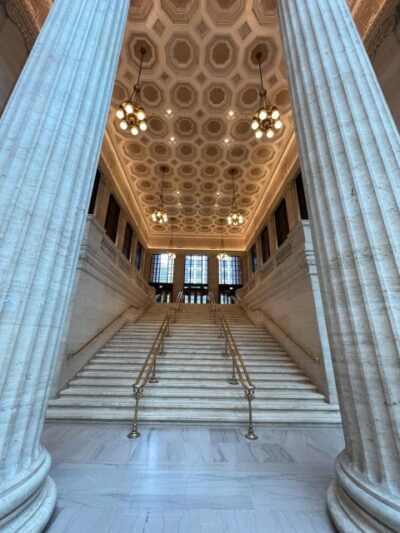 ★ 4.9Secret Interiors Architecture Walking TourFrom $35498 reviews
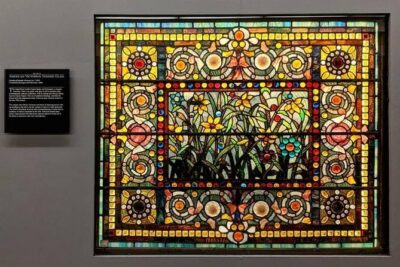 ★ 5.0Chicago Architecture Tour: Underground Pedway and the LoopFrom $35388 reviews
 ★ 5.0Chicago Walking Tour: Art Deco Skyscrapers LoopFrom $35138 reviews
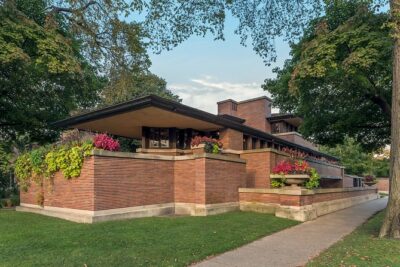 ★ 4.0Frank Lloyd Wright Robie House Admission130 reviews
 ★ 5.0Chicago Architecture Walking Tour: Incredible Art Deco InteriorsFrom $3585 reviews
 ★ 5.0Chicago Walking Tour: Historic SkyscrapersFrom $3567 reviews
Browse the lists this tour appears in