
REVIEW · PROHIBITION & SPEAKEASY TOURS
Explore Chicago’s Hidden Past: Prohibition Culture & Architecture
Prohibition is not just a date on a page, it’s built into Chicago. This 2.5-hour walk ties the city’s architecture to the social mood of the 1920s, while you move through the Loop’s most photogenic streets and skyline spots. You’ll finish at Millennium Park, with the iconic Bean photo waiting at the end.
I love that the route is packed with major landmarks without feeling like a race. The Cloud Gate/Bean stop is a strong closer, and the Chicago Riverwalk views make the whole experience feel like you’re seeing the city at human speed. I also like the small-group feel and the local guide stories, which help you notice details you’d probably skip on your own.
One thing to consider: this walk is about big architecture moments plus a snack break, so if you want a super deep, stop-by-stop Prohibition lecture or you’re hunting for every famous nearby icon, you may wish the emphasis leaned more toward that.
In This Review
- Key takeaways before you go
- Prohibition-era stories you can actually see in the Loop
- Starting at the Chicago Theatre marquee: the tour’s mood setter
- The Chicago Pedway (weather permitting) and why underground matters
- Daley Plaza and the Chicago Picasso: public art with a planning story
- Walking the Chicago River for skyline views and commuter rhythm
- The Chicago Riverwalk: award-winning views you’ll remember
- Magnificent Mile and downtown icons without the bus overload
- Chicago Cultural Center: step inside and feel the difference
- Millennium Park and the Bean: the photo finish plus local next steps
- The popcorn and local treats: small stops that keep the tour human
- Pacing, group size, and how to get the most from 2.5 hours
- Price and value: $49.96 for landmarks, stories, and included tastings
- Who this tour fits best (and who should rethink it)
- Should you book this Prohibition culture and architecture walk?
- FAQ
- How long is the tour?
- Where do I meet and where does it end?
- Is this tour mostly outdoors?
- How much walking is involved?
- What’s included with the ticket price?
- Is it good for children?
- Can I get a refund if I cancel?
Key takeaways before you go
- Small-group attention keeps questions easy and the pace manageable for a 3-mile walk.
- Prohibition meets architecture so buildings and street corners come with a story, not just a fact card.
- River views are the big payoff with both the Chicago River area and the award-winning Riverwalk.
- Milwaukee? No, Millennium Park ends with Cloud Gate (the Bean) plus practical tips for what’s next.
- Snack time is real: you’ll taste Chicago-style popcorn along the way.
- Weather matters for the Pedway and Riverwalk, though there are indoor-friendly stops like the Cultural Center.
Prohibition-era stories you can actually see in the Loop
Chicago’s Prohibition-era influence shows up in atmosphere more than in neon signs. This tour uses the architecture as your guide, linking the 1920s vibe to the kinds of buildings, public spaces, and street-level energy the city developed. You’ll hear why certain areas and designs feel the way they do, and how that past still shapes what you notice today.
What makes that approach work is simple: you’re not stuck in one museum room. You walk past government and business landmarks, then you get skyline views by the water. By the time you reach Millennium Park, the city feels less like a postcard and more like a system of places that evolved over time.
You also get an easy rhythm: street scene, building detail, a short story, then a move to the next viewpoint. That structure helps even if you’re not the type to read architectural plaques. It’s built for people who want meaning with their walking shoes.
More passwords at the door, more back rooms
Starting at the Chicago Theatre marquee: the tour’s mood setter
You meet at the Chicago Theatre on N State Street, right by the marquee where the Loop likes to show off. That’s a smart start because it gives you instant orientation: you’re in the heart of downtown, surrounded by major blocks that shape Chicago’s public life.
From the first stretch, the guide’s job is to get you looking. Instead of only pointing at famous names, they help you connect what you’re seeing to how the city works—what kind of buildings rise here, why these streets are wide and important, and how this area became such a focal point for visitors and locals alike.
If you arrive early, use those first minutes to pick a few landmarks you already recognize. When the guide starts tying stories to them, your brain will make quicker connections. It’s an easy way to get more out of a 2.5-hour window.
The Chicago Pedway (weather permitting) and why underground matters
Next up is the Chicago Pedway, but only if weather cooperates. This underground network is one of those Chicago-only experiences: it’s practical, built for commuters, and it quietly shapes how people move through the city.
Even if you’ve never been underground in Chicago, you’ll understand the point fast. The Pedway isn’t just a shortcut; it’s part of the city’s design mindset, where weather and distance are solved with planning. That matters for the tour theme too, because it shows how the city addressed daily life as it grew.
You’ll also pass by key civic space, including the City Hall-County Building, where city and Cook County offices live. That’s a nice reminder that the Loop isn’t only about commerce and skyline shots. It’s also where public decisions happen, which gives the architecture context beyond tourism.
- Chicago Architecture River Cruise
★ 5.0 · 15,756 reviews - Chicago River 90-Minute Architecture Tour
★ 4.5 · 9,629 reviews - Chicago River: 1.5-Hour Guided Architecture Cruise
★ 4.8 · 8,046 reviews
Daley Plaza and the Chicago Picasso: public art with a planning story
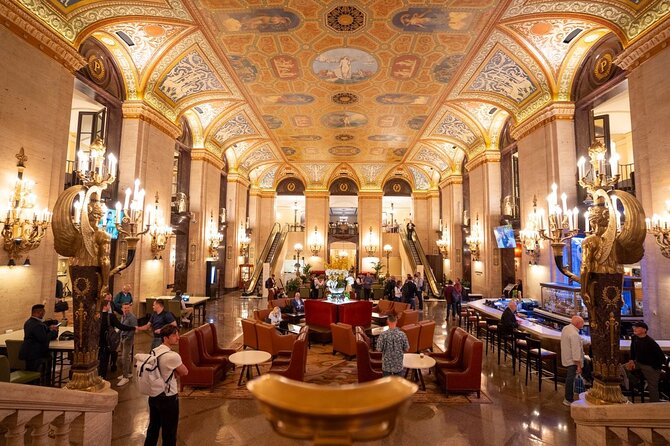
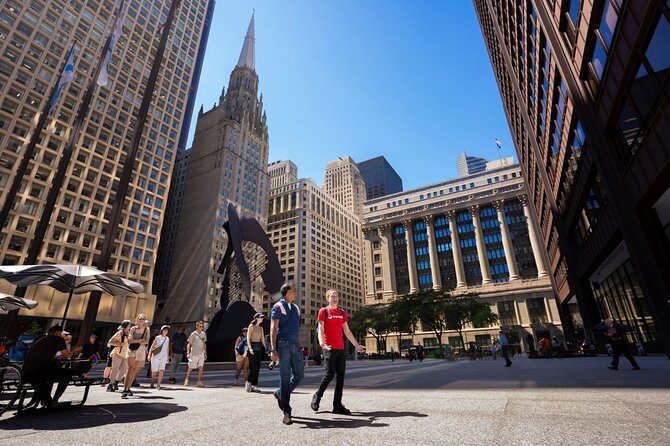
Daley Plaza gives you a breather from pure street grids. Here, you stop at the Chicago Picasso, a 1967 installation that reflects how public art and urban planning can intersect.
This stop is short, but it helps you shift your lens. Instead of treating art as decoration, the guide frames it as part of how the city organizes attention in shared space. That kind of thinking is useful when you look at the rest of the Loop, because it makes you ask a better question: how is this place meant to be used?
If you like street photography, this is a good moment to slow down. The plaza layout and open sightlines make it easier to catch angles without constantly dodging crowds.
Walking the Chicago River for skyline views and commuter rhythm
The tour then moves along the Chicago River corridor, where you can feel the city’s pace without needing to rush. The guide shares stories while you walk past iconic buildings, and you also get a strong sense of daily commuting flow—the city moving like a machine, but with personalities.
This part matters because it acts like a bridge between “downtown landmark tour” and “real city experience.” You’re not just collecting names; you’re seeing the spaces where people work and move, and you’re getting that skyline view that makes Chicago famous.
The guide’s narration also helps you notice architectural patterns faster. Once you’re comparing shapes and materials in motion, it’s easier to understand why certain buildings became icons.
The Chicago Riverwalk: award-winning views you’ll remember
If weather is good, you’ll stroll the Chicago Riverwalk, which is one of the tour’s biggest visual rewards. The Riverwalk is where architecture turns into a backdrop for walking, and the skyline looks especially dramatic at street level.
You’ll get views of big hitters like the Wrigley Building and the Tribune Tower, plus the kind of layered downtown scenery that makes photos come out better than you expect. And because this is an active walkway, you’ll also see the city as people use it—rather than as empty space designed only for pictures.
Two specifics to keep an eye on:
- Wrigley Building at 400 N Michigan Ave is one of the landmark passes you’ll see right from the River area.
- Tribune Tower at 435 N Michigan Avenue is a neo-Gothic icon, listed here as 463 feet and 36 stories.
If you’re worried the River section will feel long, don’t be. The guide keeps it moving, and the viewpoints keep changing.
Magnificent Mile and downtown icons without the bus overload
As you pass by the Magnificent Mile on N Michigan Avenue, you’re essentially stepping onto Chicago’s grand retail-and-landmark strip. The tour connects it to the 1909 Burnham Plan, which helps you understand that this wasn’t random growth—it was city thinking on a large scale.
This portion works best if you’re okay with “seeing, not browsing.” You’ll enjoy the streetscape and the architecture around it, but you’re not on a shopping spree. The goal is to keep the story moving toward the Cultural Center and then out to Millennium Park.
Because the walk is only about 3 miles total, you don’t have to choose between landmarks and photos. You’ll get a fair share of both, and you’ll still end with time at Millennium Park.
Chicago Cultural Center: step inside and feel the difference
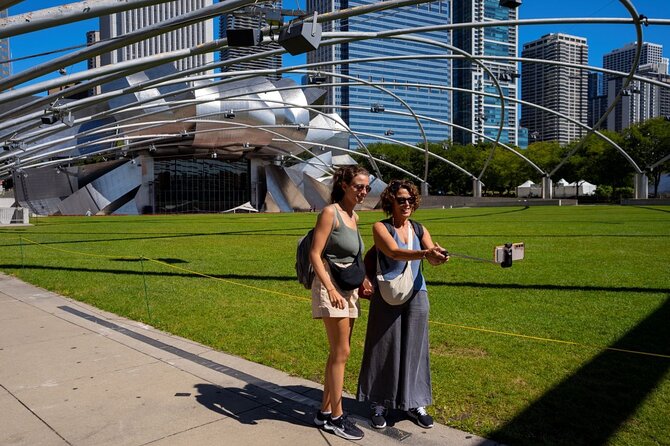
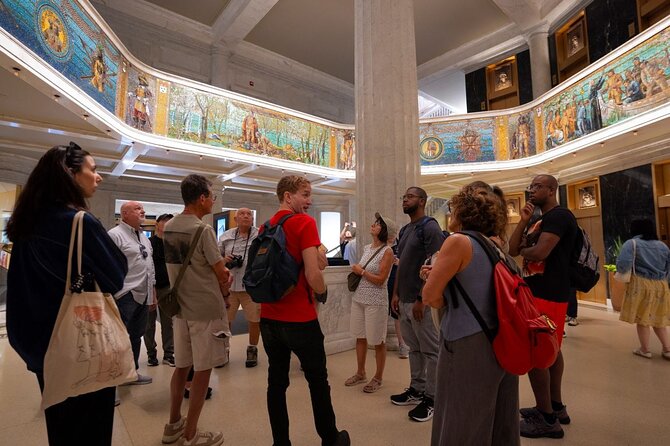
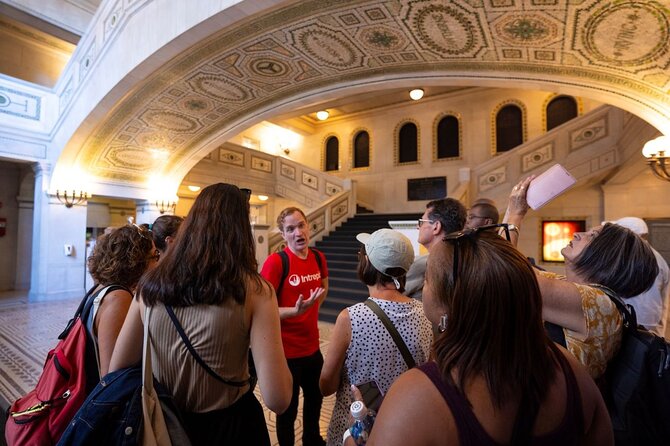
One of the most satisfying stops is the Chicago Cultural Center. You step inside a Chicago Landmark here, and the guide uses the building’s role in high-profile welcomes to show how public spaces gain prestige over time.
This stop is a reset button. Outdoors, you’re collecting views. Indoors, the details become the point—how a space feels, how it frames visitors, and why a city invests in public architecture rather than only private buildings.
I like this kind of break because it keeps the tour from turning into a nonstop sidewalk march. If the weather is unpleasant, the Cultural Center also helps you stay comfortable while still getting something memorable.
Millennium Park and the Bean: the photo finish plus local next steps
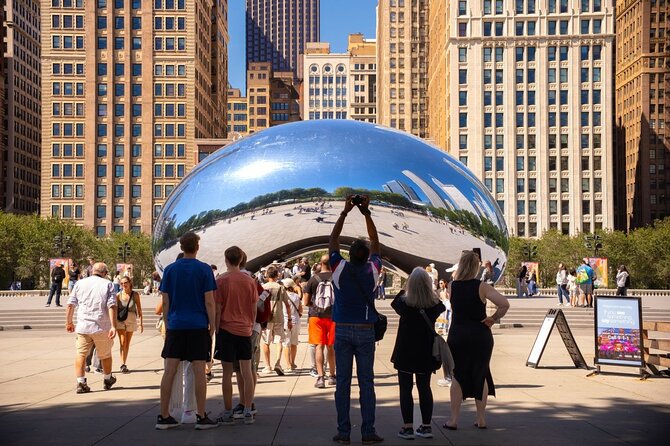
Millennium Park is where the tour lands, and it’s a perfect closer. Your guide leads you to the Cloud Gate sculpture, also called the Bean, which is the centerpiece most people want in their Chicago photos.
What’s smart here is that your guide doesn’t just say, okay, done. They help you connect the dots for what to do right after. You’ll get tips for nearby sights, lunch spots, or drinks, which is genuinely useful if you’re fitting Chicago into a short visit.
Even if you’ve seen the Bean in pictures, seeing it in person works differently. The scale, the reflection, and the way people gather around the sculpture make it feel like a live part of the city. It’s the kind of ending that makes you remember the walk as a whole, not just the final stop.
The popcorn and local treats: small stops that keep the tour human
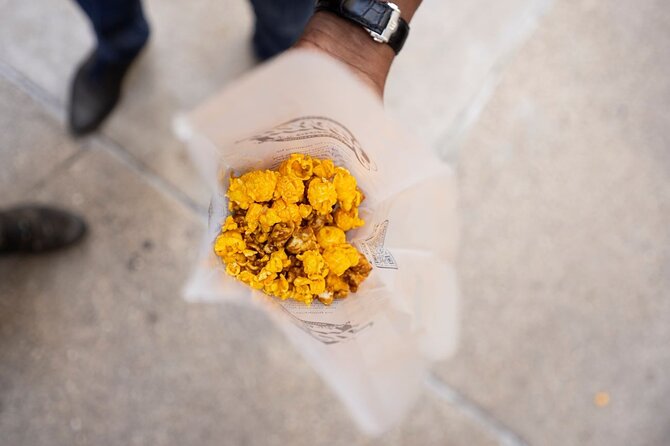
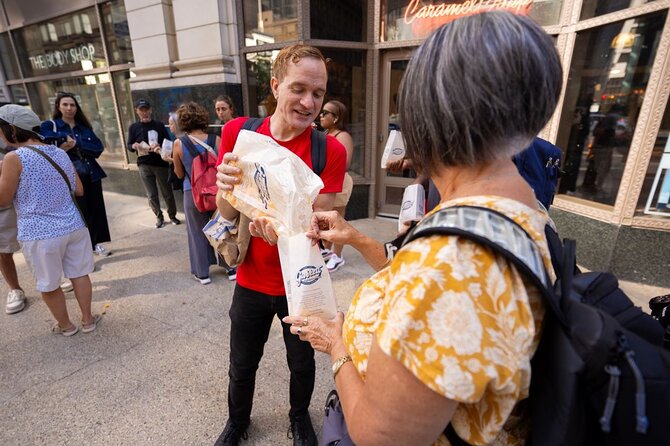
Included tastings are part of why this walk doesn’t feel like a lecture. You’ll enjoy Chicago-style popcorn during the tour, and the guide also brings in surprise local treats along the way.
This matters because the tour is only 2 hours 30 minutes. A snack break can be the difference between “I made it through” and “I actually enjoyed the full thing.” It also gives you a natural pause to look up at the skyline again—then keep moving.
If you’re picky, this still helps to know: snacks are included, but additional food and drink aren’t. So plan to budget for drinks or a proper meal after the tour.
Pacing, group size, and how to get the most from 2.5 hours
The tour covers about 4.8 km (3 miles). It’s designed for all ages and fitness levels, but it’s still walking, and there are outdoor sections. Plan for comfortable shoes and expect a steady pace.
Group size is kept intentionally small, which is a big deal for a walking tour. With fewer people, the guide can answer questions without talking over everyone, and you’re less likely to feel like a number in a line.
I also like how the route mixes quick stops with viewpoint time. Places like the Chicago Picasso and the Chicago Theatre are brief. The River and Riverwalk sections are where time stretches out a bit—because that’s where you want to look, not just listen.
If you’re the type who loves asking questions, a small group helps. Guides such as Rich and Dave are known for clear explanations and an upbeat, story-forward style that keeps people engaged. And when crowds get chaotic, hosts like Dash have shown they can keep the group together and moving.
Price and value: $49.96 for landmarks, stories, and included tastings
At $49.96 per person, this tour sits in the “worth it if you like walking tours” zone. You’re paying for expert narration, a structured route, and included extras like Chicago-style popcorn and local treats.
The best value angle is that many stops are free to enter, including key landmark areas along the way. That helps your money go to the guide experience rather than ticket fees stacked stop after stop. You also get a clear start-to-finish arc, with the Bean ending as the payoff.
Is it cheap? No. But for a short visit, the cost is easier to justify than a longer tour you might not fully complete. If you want architecture context plus skyline views and you’d otherwise spend time figuring out what matters, this is a solid use of a few hours.
Who this tour fits best (and who should rethink it)
This tour fits you well if:
- you want a focused Loop walk with major landmarks
- you like architecture explanations tied to everyday city life
- you’re okay with a mix of outdoor sights and one indoor stop at the Cultural Center
- you want included snacks and a guide who can point you to next steps
You might want to rethink it if you’re chasing:
- an ultra-deep dive into Prohibition specifics at every stop
- a long list of every famous nearby building
- a slower, unhurried walking pace with lots of time inside every site
Some people expect the itinerary to hit a wider set of attractions beyond the big names on this route. If that’s you, consider pairing this walk with a second activity later in your trip so you can fill any gaps you care about.
Should you book this Prohibition culture and architecture walk?
I’d book it if you’re doing Chicago for the first time or you only have a short window and want a high-yield route. The combination of skyline moments, iconic landmarks like the Wrigley Building and Tribune Tower, and an ending at the Bean gives you a clean story arc in under three hours.
I’d also book it if you like learning that feels like city walking, not classroom time. The best part isn’t just naming buildings—it’s getting a sense of why the city looks the way it does, and how the Prohibition-era lens helps you read Chicago’s public spaces.
If you’re very focused on architecture detail from an academic angle, you might find the balance leans more toward “guide story + key viewpoints” than “architect-by-architect analysis.” For many people, that balance is exactly right.
FAQ
How long is the tour?
It runs about 2 hours 30 minutes.
Where do I meet and where does it end?
You start at the Chicago Theatre, 175 N State St, Chicago, IL 60601. The tour ends at Millennium Park, near Michigan Ave.
Is this tour mostly outdoors?
Most of it is outdoors, including walking along the river areas. The Pedway and the Riverwalk sections are weather permitting, and the Cultural Center is indoors.
How much walking is involved?
The route covers about 4.8 km (3 miles).
What’s included with the ticket price?
You’ll get a guided English-speaking walking tour, included landmark stops, Chicago-style popcorn, surprise local treats, and tips for more sights, eats, and drinks during your stay.
Is it good for children?
Yes. Children under 6 join for free. Children ages 6–11 can join at the adult rate, and you should note children in your party when booking.
Can I get a refund if I cancel?
Yes—free cancellation is available up to 24 hours in advance for a full refund. If you cancel less than 24 hours before the start time, the amount paid is not refunded.
If you tell me your travel dates and whether you’re more into Prohibition stories or architecture details, I can suggest the best order to do this on your Chicago days.
The Wider Chicago Shortlist
- Chicago Architecture River Cruise★ 5.0 · 15,756 reviews
- Chicago River 90-Minute Architecture Tour★ 4.5 · 9,629 reviews
- Chicago River: 1.5-Hour Guided Architecture Cruise★ 4.8 · 8,046 reviews
- Chicago: Gangsters and Ghosts Walking Tour★ 5.0 · 7,155 reviews
- Chicago Architecture Center River Cruise aboard First Lady★ 5.0 · 5,536 reviews
Password Required
- Chicago: Prohibition Speakeasies Bus Tour or Walking Tour★ 4.8 · 168 reviews
- Chicago: Prohibition-Era Culture & Architectural Treasures★ 4.8 · 93 reviews
- Vito’s Vault Chicago finest dinner theatre speakeasy★ 5.0 · 14 reviews
- Chicago: 3-Hour Private Speakeasy Cocktail VIP Tour★ 5.0 · 7 reviews
- Private Speakeasy Pub Crawl in Chicago with Local Historian★ 4.5 · 5 reviews
The Ink Is Still Wet on These Chicago Reviews


Prohibition & Speakeasy Tours, compared.
 ★ 4.8Prohibition Speakeasies Bus Tour or Walking TourFrom $47168 reviews
 ★ 4.8Prohibition-Era Culture & Architectural TreasuresFrom $4993 reviews
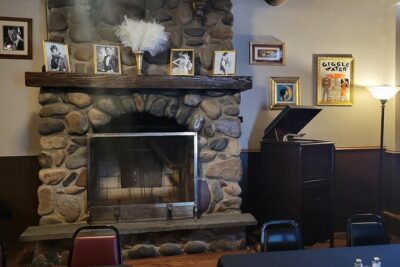 ★ 5.0Vito’s Vault Chicago finest dinner theatre speakeasyFrom $8814 reviews
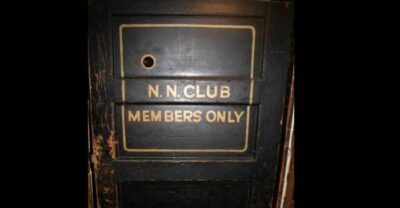 ★ 5.03-Hour Private Speakeasy Cocktail VIP TourFrom $9507 reviews
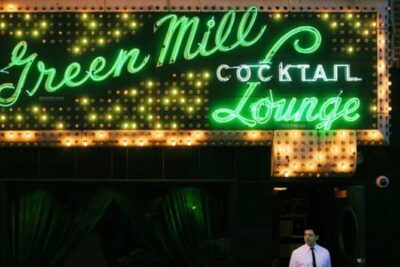 ★ 4.5Private Speakeasy Pub Crawl in Chicago with Local HistorianFrom $1015 reviews
Browse the lists this tour appears in