
REVIEW · PROHIBITION & SPEAKEASY TOURS
Chicago: Prohibition-Era Culture & Architectural Treasures
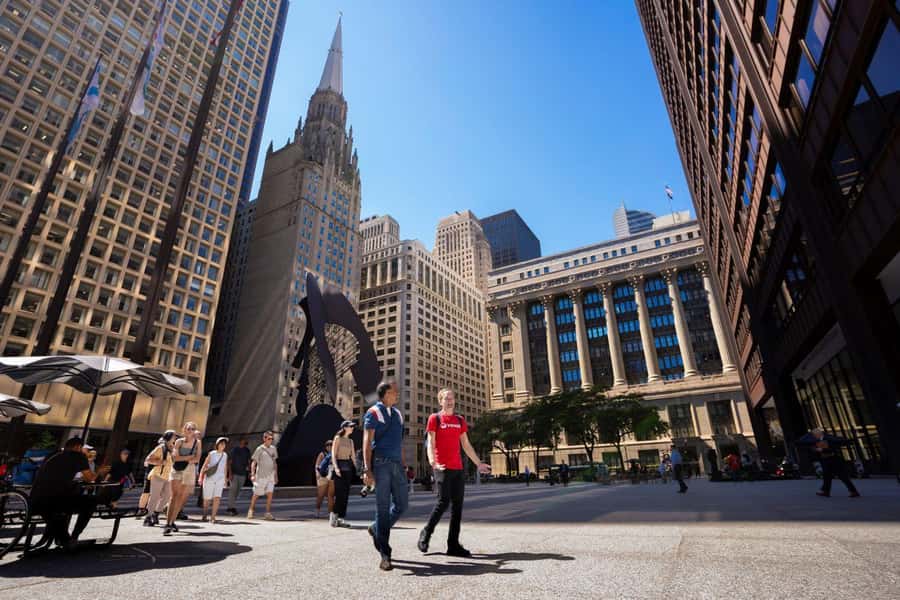
Prohibition left fingerprints on Chicago’s skyline. I love the small-group attention and the way the guide connects Prohibition-era culture to the buildings you see up close. The only real downside is the pace: you’ll cover about 3 miles, so if you’re wiped out, it can feel a bit long.
You get a smart mix of iconic exteriors and story-first stops, starting by the Chicago Theater and ending at Millennium Park’s Bean. And based on what I’ve seen from guides like Dash, Kevin, Rich, Bash, and Wallach, the best part isn’t a script—it’s the way they tailor explanations to the group and keep things moving with sensible breaks.
In This Review
- Key points at a glance
- Starting at the Chicago Theatre and getting your bearings
- Riverwalk walk: Willis Tower, Marina Towers, and the Jewelers Building
- Art Deco details at London House and Du Sable Bridge
- Chicago Cultural Center: the popcorn pause and civic architecture
- Wrigley Building and Tribune Tower: journalism roots in steel and stone
- Millennium Park’s Bean finish and smart lunch ideas
- Why the Prohibition-era theme makes the city easier to read
- Small-group format: attention, pacing, and guides who actually steer
- Price and what’s included for $49
- Comfort, weather, and what to pack for 3 miles
- Responsible touring: carbon neutral with a B Corp operator
- Should you book this Prohibition-era architecture walk?
- FAQ
- Where does the tour start?
- How long is the tour?
- What is the walking distance?
- How much does it cost?
- What’s included?
- Is it a small group?
- Is it family-friendly?
- What about food and dietary needs?
- Does the tour run in bad weather?
- Is the tour carbon neutral?
Key points at a glance
- Small-group size (about a dozen, max 16) means the guide can slow down when questions pop up
- Prohibition-era theme tied to architecture helps you read the city instead of just pass it by
- Riverwalk icons like Willis Tower and the Jewelers Building make the walking part feel worth it
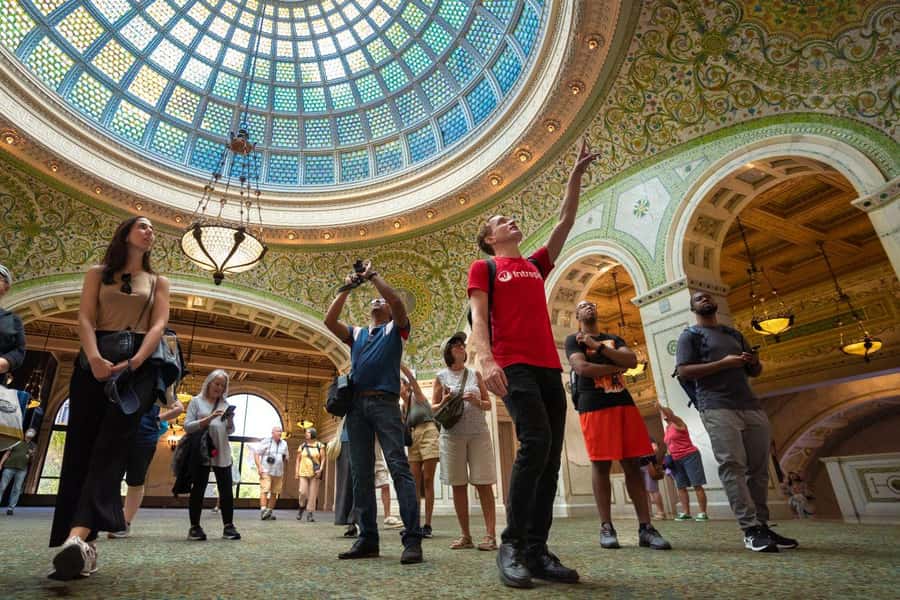
- Chicago Cultural Center is a standout interior stop, with a Chicago-style popcorn tasting
- A clean finish at Millennium Park helps you grab lunch and keep sightseeing right away
Starting at the Chicago Theatre and getting your bearings
The tour begins at the Chicago Theatre, underneath the marquee at 175 N. State Street. It’s a solid starting point because you’re already in the core of downtown—close to major blocks, easy to orient yourself, and within easy walking distance of the Riverwalk.
From that first step, the vibe is part history lesson, part city-watching. The guide sets the tone by framing Chicago’s growth through the Prohibition Era—how culture, crime, and public space shaped what got built and how it was meant to be seen.
This is also where you’ll understand the walking plan. Expect comfortable shoes talk right away, because the tour covers roughly 4.8 km (3 miles). You don’t need to be a marathon person, but you do need to be ready to walk.
More passwords at the door, more back rooms
Riverwalk walk: Willis Tower, Marina Towers, and the Jewelers Building
After the Chicago Theatre, you head toward the Riverwalk and start picking out landmarks like you’re learning a new map. This stretch is great for first-timers because it mixes big-name buildings with enough variety to keep the city from feeling repetitive.
You’ll pass or focus on major sights including Willis Tower and Marina Towers, plus the Jewelers Building. These aren’t just photo stops; the guide explains what makes each building significant and how Chicago’s identity shows up in architecture—scale, materials, and the city’s habit of aiming high.
One practical tip: plan to move at a steady pace. The Riverwalk segment is where you’ll likely settle into the rhythm of the tour—listen, look, then take a quick photo before the group rolls onward.
And if you’ve done other architecture tours by boat, this walk works like the missing puzzle piece. It helps you connect what you saw from the water with what you can actually stand next to on land.
Art Deco details at London House and Du Sable Bridge
Chicago loves style, and the tour doesn’t treat architecture like a distant museum. You’ll get specific stops linked to Art Deco design, including the London House and Du Sable Bridge area.
Art Deco is easier to appreciate when someone points out what to look for: symmetry, geometric details, and that clean “designed” feel you can spot even from street level. When the guide ties these details to the city’s changing future, the buildings stop being background and start feeling like evidence.
This is also where small-group format helps. With around a dozen people (and a maximum of 16), you’re not stuck craning over shoulders for every comment. Your guide can slow down for the group and still keep the pace moving.
- Chicago Architecture River Cruise
★ 5.0 · 15,756 reviews - Chicago River 90-Minute Architecture Tour
★ 4.5 · 9,629 reviews - Chicago River: 1.5-Hour Guided Architecture Cruise
★ 4.8 · 8,046 reviews
Chicago Cultural Center: the popcorn pause and civic architecture
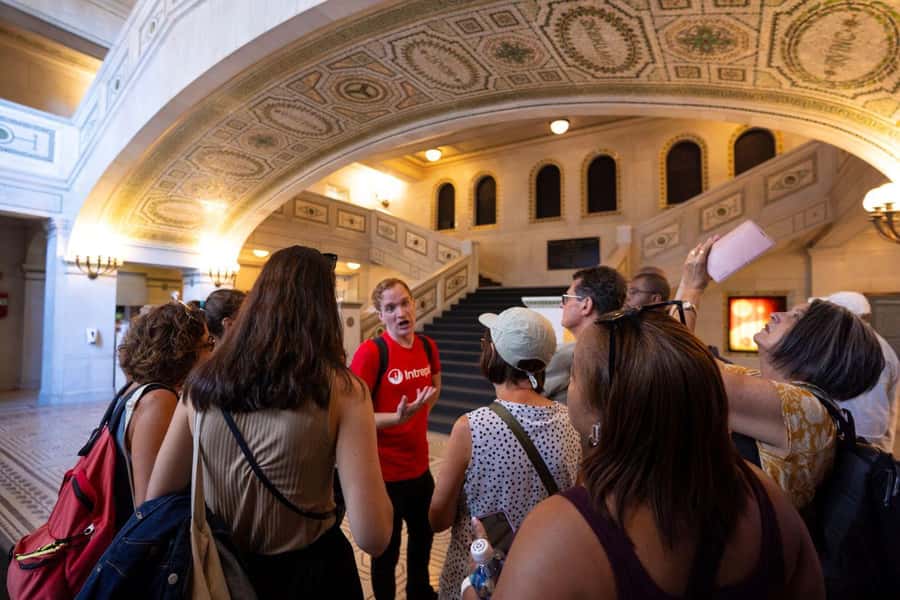
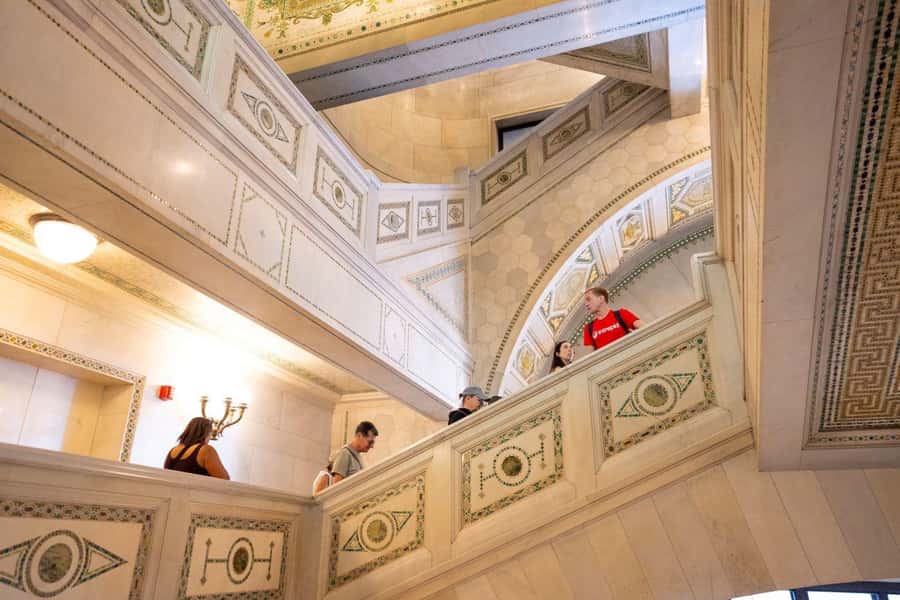
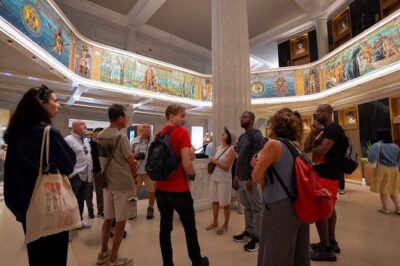
One of the most memorable stops is the Chicago Cultural Center. This is the part of the tour where it feels less like you’re just walking past Chicago and more like you’re stepping into it.
The Cultural Center is visually impressive, and it’s also a good reminder that Chicago wasn’t only building for business. It built for public life—art, civic identity, and places that make culture feel part of everyday city living.
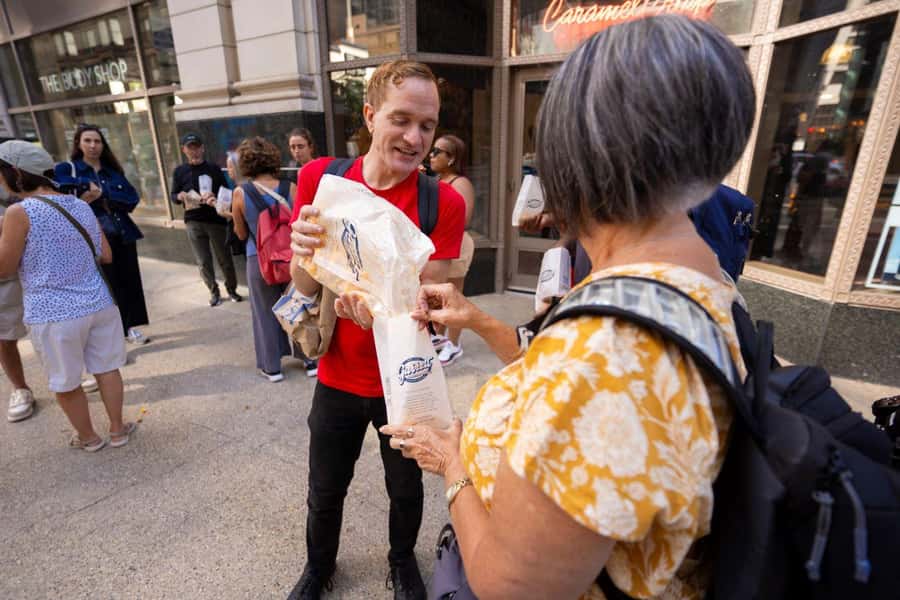
Then comes the popcorn tasting—a simple but smart touch. I like that it’s not a long sit-down break; it’s a quick local treat that keeps momentum without feeling like a random add-on. And it’s exactly the kind of “oh nice” detail that makes a short tour feel better rounded.
If you need a moment to cool down, refuel, or just reset your legs, this is a helpful mid-tour pause.
Wrigley Building and Tribune Tower: journalism roots in steel and stone
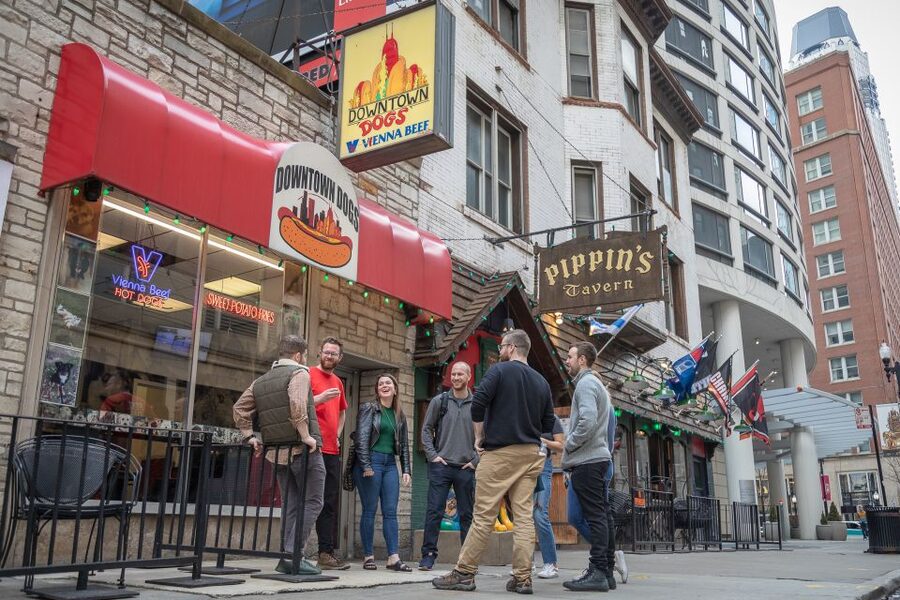
As you continue, you’ll focus on the Wrigley Building and Tribune Tower. This stop matters because it shows another side of Chicago’s ambition: information, influence, and the power of branding.
The guide connects these landmarks to the city’s historical roots in journalism. That theme helps you understand why certain buildings feel built for authority and visibility—structures that weren’t just functional, but designed to project confidence.
It’s also one of the better places on the route for getting a feel for Chicago’s “tall city” mindset. You start noticing patterns: where attention goes, how buildings relate to street life, and why the skyline looks the way it does.
If you’re the type who likes “why this matters” explanations, this is a strong segment. It turns architecture into a story about power and communication—especially important when your tour theme is Prohibition-era culture, where media and public perception played an outsized role.
Millennium Park’s Bean finish and smart lunch ideas
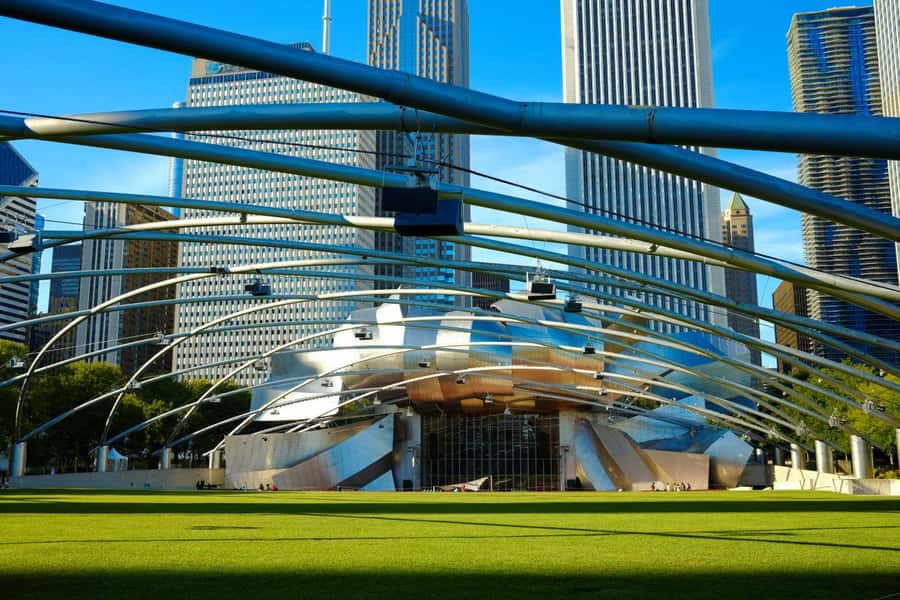
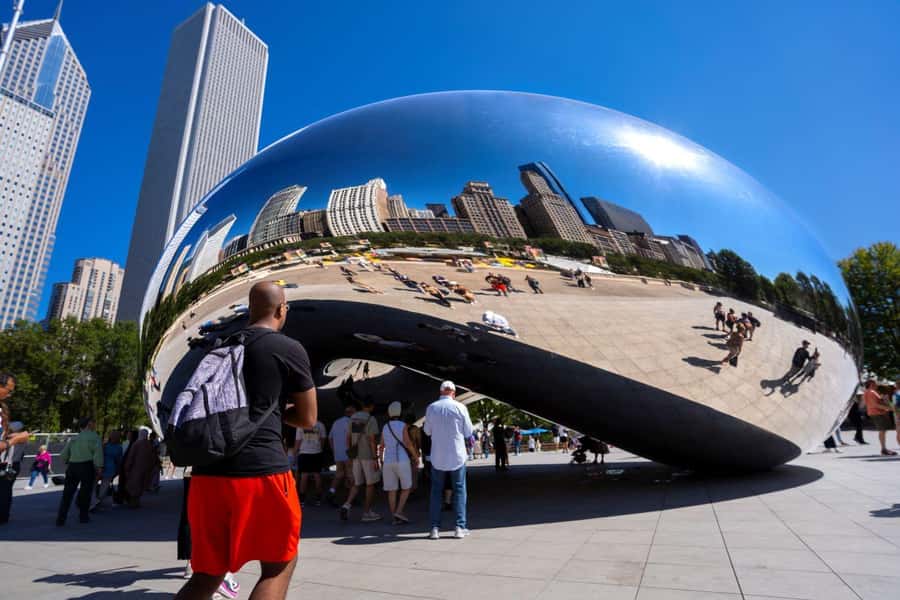
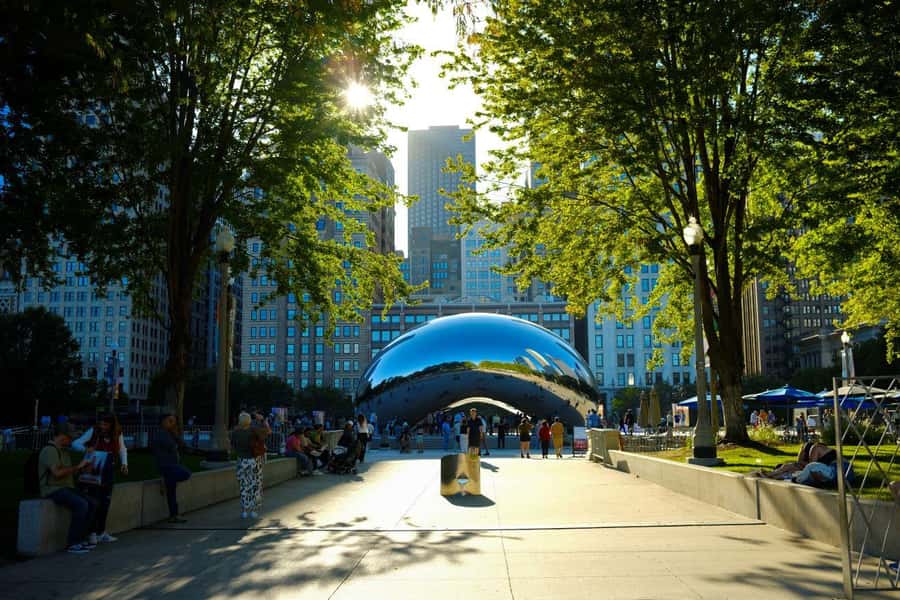
The tour ends at Millennium Park, home to the iconic Bean sculpture. Finishing here is practical. It’s a landmark that’s easy to navigate from, and it gives you a natural transition to lunch or a few extra sights nearby.
Your guide usually offers recommendations for what to eat next and where to go after the tour. I like this because it’s not generic. With guides who clearly love the city—like Dash, Kevin, Rich, Bash, and Wallach—the suggestions tend to match your energy level and how much time you’ve got.
This is also where you can catch your breath. If you’ve been walking and listening hard, Millennium Park gives you a graceful landing pad: sit for a bit, take a few final photos, then decide what’s next.
Why the Prohibition-era theme makes the city easier to read
A lot of architecture tours show you buildings. This one tries to explain why those buildings belong to their time. The Prohibition Era theme isn’t just a spooky hook; it’s a lens for seeing how culture and crime shaped Chicago’s growth and architecture.
Here’s how that theme usually pays off for you: it turns Chicago from a list of pretty sights into a connected story. Instead of thinking, I’m seeing Willis Tower, you start thinking, why would Chicago build in this way, and what does the city want to signal?
It also helps you connect “architecture” to daily life. Public-facing buildings and major street presence become part of the culture. Chicago isn’t only about what happened behind closed doors—it’s also about what got shown in daylight.
And because the guide ties the theme to real landmarks along the way—Riverwalk, Art Deco details, civic architecture, and major downtown icons—you end with a better sense of Chicago’s identity, not just a camera roll.
Small-group format: attention, pacing, and guides who actually steer
One of the most praised aspects is the guide style. People consistently highlight that guides like Dash and Kevin don’t just recite facts—they explain with personality and adjust to the group. Rich and Bash come up often for being especially engaging and energized.
There’s also a recurring practical theme: break awareness. Guides like Dash have been praised for being mindful about group needs for restroom stops, snacks, and breaks. That matters more than you might think. In a 2.5-hour walking tour, small pacing choices can be the difference between enjoyable and exhausting.
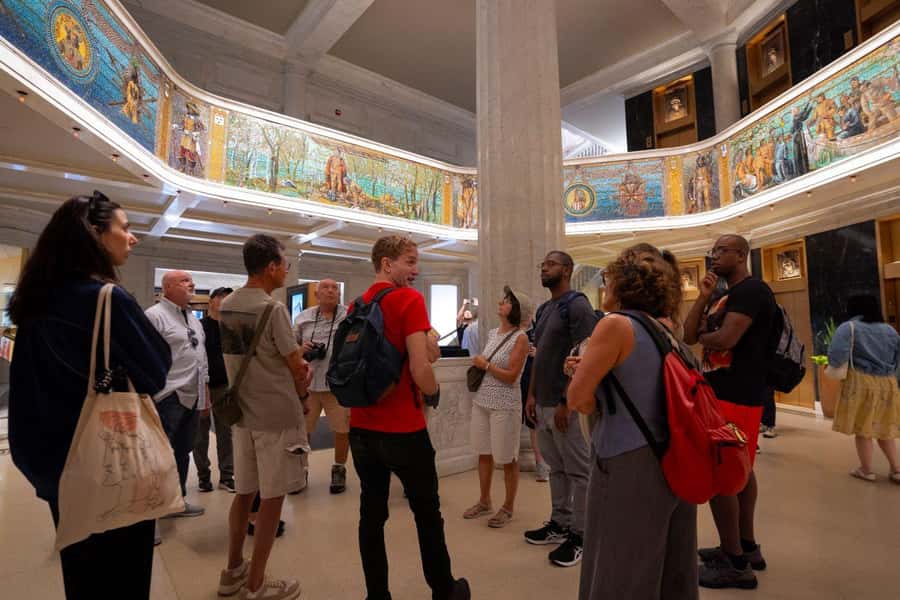
Group size supports this. With about a dozen participants typically—and up to 16 maximum—you’re less likely to feel invisible. You can actually hear the explanation, and you get a better chance of asking questions without shutting down the flow.
If you’re traveling solo or meeting a group without knowing anyone, this format also feels friendlier. You’re not stuck in a giant crowd where everyone stares forward and nobody talks.
Price and what’s included for $49
At $49 per person for a 2.5-hour, guided walking tour, the value is mostly about what you get bundled in.
You’re paying for:
- A local English-speaking guide
- A walking tour that hits multiple major downtown landmarks
- A popcorn tasting included in the experience
What you’re not paying for separately is the “translation layer.” For many people, the guide is the real product—helping you notice design details and understand the Prohibition-era theme without hunting for info on your own phone every few minutes.
You also get predictable time. Two and a half hours is long enough to make it feel like a real outing, but short enough that you can still fit other things the same day—especially since the end point drops you at Millennium Park, right where most sightseeing plans naturally continue.
In terms of cost-per-hour, it works out to roughly $19–$20 an hour. For downtown Chicago, that’s a fair trade when you’re covering key architecture stops on foot.
Comfort, weather, and what to pack for 3 miles
Plan like it’s a normal city walk. Wear comfortable shoes, because the route includes real sidewalk time. The tour covers about 3 miles (4.8 km), and while it’s suitable for all ages and fitness levels, it’s still a walking workout for most people.
Dress for weather because it runs in rain, shine, or snow. If Chicago is doing Chicago things—wind, drizzle, sudden cold—your comfort will depend on layers and shoes that handle sidewalks.
If you get cold easily or your feet run hot, prepare accordingly. A tour that includes multiple photo stops and indoor time (like the Cultural Center) benefits from clothing that adjusts fast.
Food-wise, there’s help and there’s limitation. Vegetarian options can be accommodated, but the tour can’t accommodate other food allergies or dietary preferences. If you have dietary needs beyond vegetarian, tell the operator in advance so expectations are clear.
Responsible touring: carbon neutral with a B Corp operator
You’ll also be on a tour operated by a company described as B Corp certified and the experience is listed as carbon neutral. That’s worth noting if you care about the footprint of getting around and want at least some assurance that the operator thinks about social and environmental impacts.
This is one of those “in the background” perks. It won’t change the skyline you see, but it matters for the type of travel choices you’re making overall—especially if you try to balance good experiences with responsible ones.
Should you book this Prohibition-era architecture walk?
I think you should book if you fit one of these situations:
- You’re a first-timer who wants downtown highlights with context, not just landmarks
- You like architecture explanations tied to stories about the city’s past
- You want a small-group format where the guide can manage pacing and take questions
- You want an easy flow into Millennium Park afterward
You might skip it if:
- You’re not comfortable walking about 3 miles and would rather do something shorter or more stop-and-stare
- You have dietary restrictions beyond vegetarian, since other allergies can’t be accommodated
- You prefer very deep technical architecture analysis without a city-culture storyline
For most people who want a smart, efficient Chicago day—architecture plus Prohibition-era culture—the tour is a strong buy. It’s not just seeing buildings; it’s learning how Chicago’s past shaped the skyline you’re staring at right now.
FAQ
Where does the tour start?
It meets at the Chicago Theatre, underneath the marquee, at 175 N. State Street, Chicago, IL 60601.
How long is the tour?
The duration is 2.5 hours.
What is the walking distance?
The tour covers about 4.8 km (3 miles) on foot.
How much does it cost?
The price is $49 per person.
What’s included?
Included are the walking tour, a local English-speaking guide, and a popcorn tasting.
Is it a small group?
Yes. It’s described as a small-group tour, with 12 participants mentioned, and a maximum of 16 passengers.
Is it family-friendly?
Yes, it’s child-friendly. Children under age 6 can join free of charge.
What about food and dietary needs?
Vegetarian options can be accommodated, but other food allergies or dietary preferences can’t be accommodated. Notify them in advance for any dietary requests.
Does the tour run in bad weather?
Yes. Experiences happen rain, shine, or snow, so dress for the weather.
Is the tour carbon neutral?
The tour is listed as carbon neutral, and it’s operated by a B Corp certified company.
The Wider Chicago Shortlist
- Chicago Architecture River Cruise★ 5.0 · 15,756 reviews
- Chicago River 90-Minute Architecture Tour★ 4.5 · 9,629 reviews
- Chicago River: 1.5-Hour Guided Architecture Cruise★ 4.8 · 8,046 reviews
- Chicago: Gangsters and Ghosts Walking Tour★ 5.0 · 7,155 reviews
- Chicago Architecture Center River Cruise aboard First Lady★ 5.0 · 5,536 reviews
Password Required
- Chicago: Prohibition Speakeasies Bus Tour or Walking Tour★ 4.8 · 168 reviews
- Explore Chicago’s Hidden Past: Prohibition Culture & Architecture★ 5.0 · 87 reviews
- Vito’s Vault Chicago finest dinner theatre speakeasy★ 5.0 · 14 reviews
- Chicago: 3-Hour Private Speakeasy Cocktail VIP Tour★ 5.0 · 7 reviews
- Private Speakeasy Pub Crawl in Chicago with Local Historian★ 4.5 · 5 reviews
The Ink Is Still Wet on These Chicago Reviews



Prohibition & Speakeasy Tours, compared.
 ★ 4.8Prohibition Speakeasies Bus Tour or Walking TourFrom $47168 reviews
 ★ 5.0Explore Chicago’s Hidden Past: Prohibition Culture & ArchitectureFrom $4987 reviews
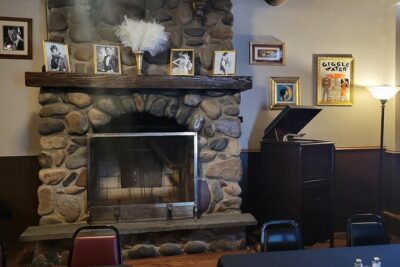 ★ 5.0Vito’s Vault Chicago finest dinner theatre speakeasyFrom $8814 reviews
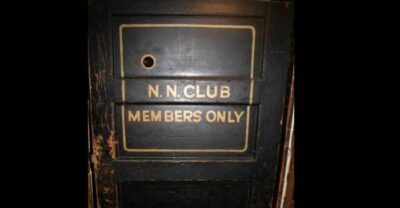 ★ 5.03-Hour Private Speakeasy Cocktail VIP TourFrom $9507 reviews
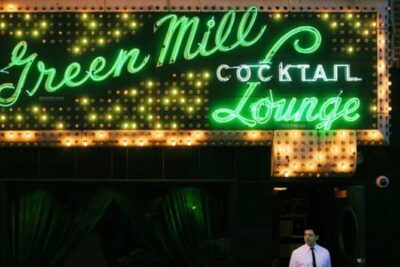 ★ 4.5Private Speakeasy Pub Crawl in Chicago with Local HistorianFrom $1015 reviews
Browse the lists this tour appears in