
REVIEW · HELICOPTER & FLYING EXPERIENCES
Chicago Lincoln Park Indoor Skydiving with Two Flights
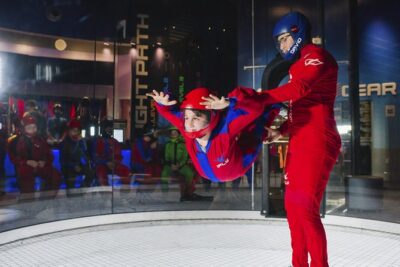
Two flights in a wind tunnel feel weirdly real. If you want adrenaline with training instead of chaos, iFLY in Lincoln Park is a fun Chicago stop: you’ll suit up, get coached, and float in a high-speed tunnel like a pro. I also like that you get a personalized certificate at the end, so it feels more like an accomplishment than a theme-park ride.
Here’s the one thing to watch: the actual “air time” is short. Each flight is about 60 seconds, so if you’re chasing the full falling sensation and big physical rush of a real jump, you may find this version feels more like controlled flight than extreme free-fall.
In This Review
- Key takeaways before you book
- Checking in at iFLY Lincoln Park: gear, timing, and what to expect
- How the wind tunnel flight works (and why it feels smoother than you expect)
- Training first: the part that makes you safer and helps you fly better
- Your two flights inside the chamber: what the ramp-up feels like
- Getting your certificate and why it’s more than a souvenir
- Who can fly (and who should plan a different activity)
- Value check: is two 60-second flights worth $136.25?
- Timing and group size: how the flow works on the day
- Booking smart in Chicago: avoid the common mistakes
- Should you book the iFLY indoor wind-tunnel flight in Lincoln Park?
- FAQ
- What is the iFLY experience in Lincoln Park?
- How does the wind tunnel flight work?
- Is the experience safe?
- How long does the experience take?
- How long is each flight?
- What are the age requirements?
- What should I wear?
- Are there weight limits?
- Can I watch without flying?
- What medical situations prevent flying?
Key takeaways before you book
- Two instructor-led flights give you a quick chance to learn and then apply it
- On-site coaching never stops once you’re in the chamber
- 1,400-horsepower airflow ramps up smoothly until you’re floating mid-air
- Your body position matters, so expect hands-on adjustments for control
- Safety limits are real (medical and weight rules will affect who can fly)
Checking in at iFLY Lincoln Park: gear, timing, and what to expect
Your session starts at 800 W Scott St, in Chicago’s Lincoln Park area. Plan to arrive about 10–15 minutes early because they run the show on time; your experience begins promptly when your slot starts.
Wear comfortable clothes and well-fitting lace-up sneakers. The facility has you fly in a flight suit over your clothing, so skip anything bulky or that might ride up. If you have long hair, they suggest braiding it and tying it in a low bun, and you’ll want to remove anything that can flap or loosen (jewelry, watches, and similar items).
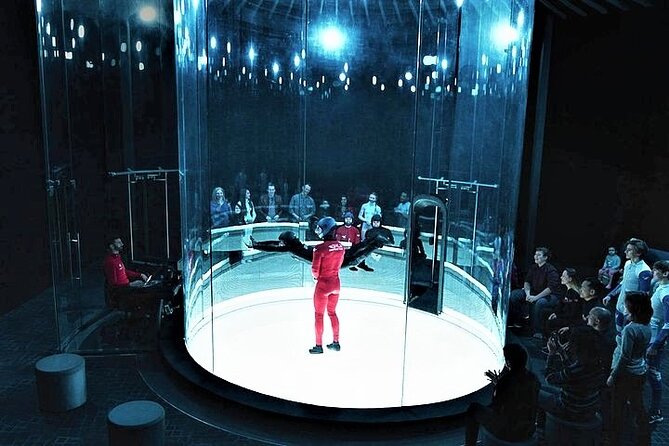
If you wear glasses, the good news is that there are goggles that can go over them. And if you’re bringing a friend or family member who won’t fly, they can usually watch from the observation area while you’re in the tunnel chamber.
The skyline from higher up, more flights
How the wind tunnel flight works (and why it feels smoother than you expect)
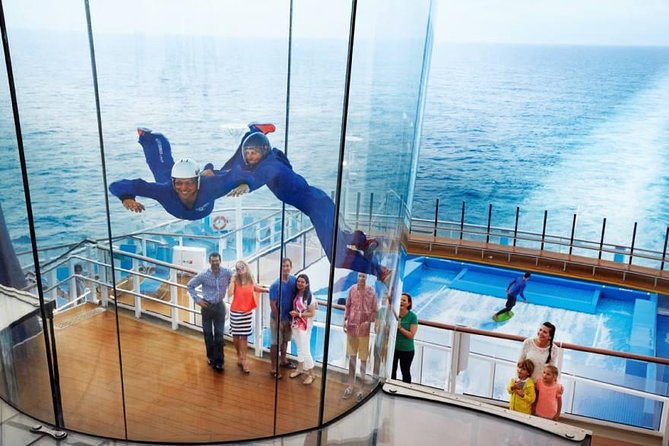
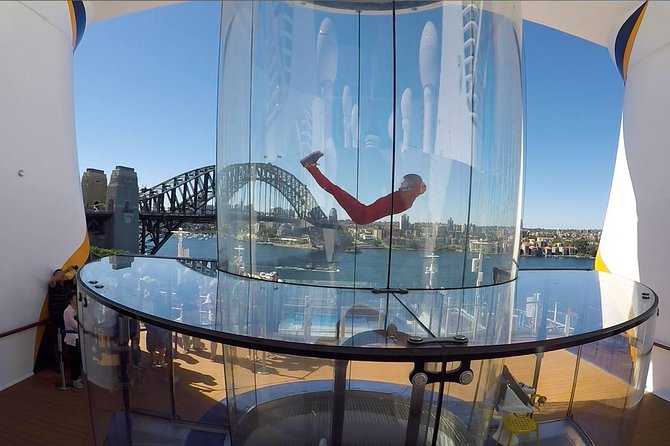
This isn’t a rides-on-rails situation. iFLY uses a vertical wind tunnel where fans pull air through the flight chamber and then push it back through the column. That airflow gets compressed and sped up before it reenters the chamber, creating a smooth, wall-to-wall stream that supports your body.
That design is the reason you don’t have the classic fear triggers that come with actual jumping. You’re not falling from height. You’re floating because the air pressure is holding you up, and the instructor stays with you throughout the flight.
Training first: the part that makes you safer and helps you fly better
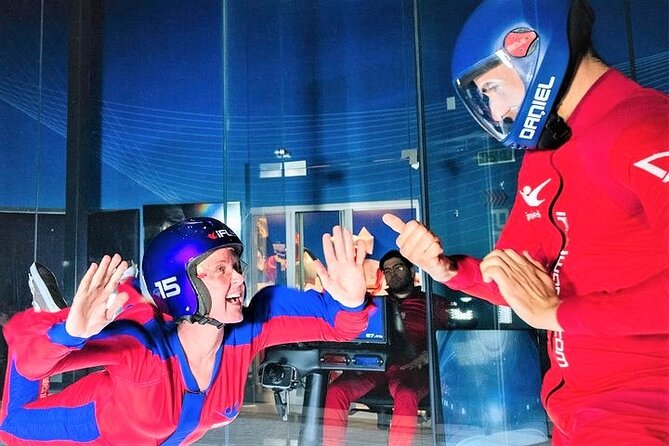
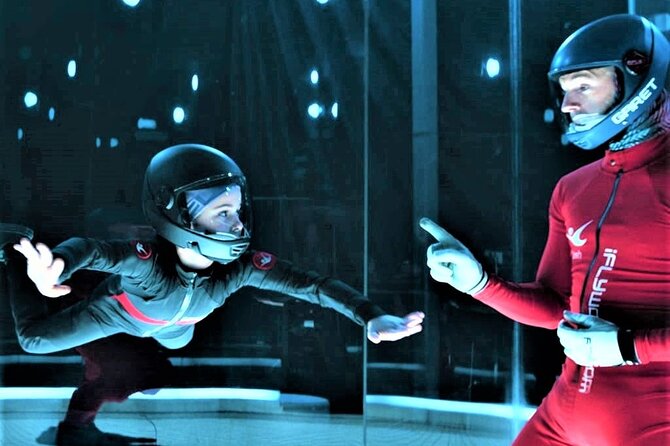
Before you’re in the chamber, you’ll get a detailed safety briefing and training session. In plain terms, they teach you how to stand and position yourself so you don’t fight the airflow.
From there, the goal is confidence. They’ll adjust your body during your first flight, and they also use an extra instructor working outside the chamber to show you what to change. That two-person coaching setup is one of the biggest reasons this experience earns such high marks in reviews from people who were nervous at the start.
If you want the most fun out of the two flights, treat training like it matters. When your body position improves, you feel more stable and you can start doing small control moves instead of just trying to stay upright.
- Chicago Architecture River Cruise
★ 5.0 · 15,756 reviews - Chicago River 90-Minute Architecture Tour
★ 4.5 · 9,629 reviews - Chicago River: 1.5-Hour Guided Architecture Cruise
★ 4.8 · 8,046 reviews
Your two flights inside the chamber: what the ramp-up feels like
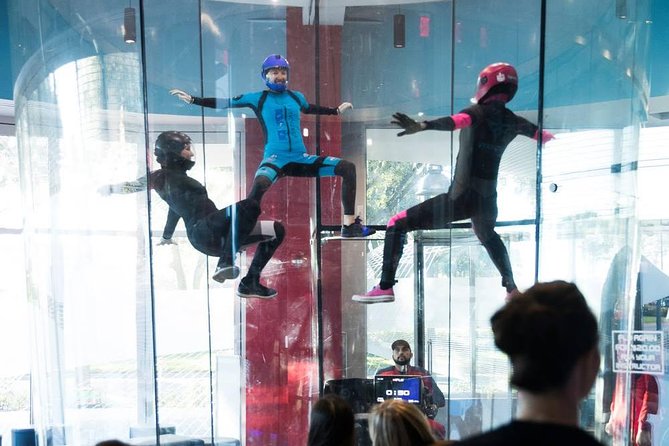
You’ll head into the flight chamber and wait while the wind speed gradually increases. The airflow targets up to about 180 miles per hour (290 km/h), and the tunnel is powered by a 1,400-horsepower system. It ramps up slowly, so it’s more of a controlled build than a sudden blast.
Each flight lasts about 60 seconds. That’s not a long time on a clock, but it’s long enough to feel the difference between your first attempt and your second one once coaching clicks.
In other words: your first flight is learning. Your second flight is where you try to use what you just practiced—keeping your balance and making small turns or direction changes when your instructor tells you it’s safe.
Getting your certificate and why it’s more than a souvenir
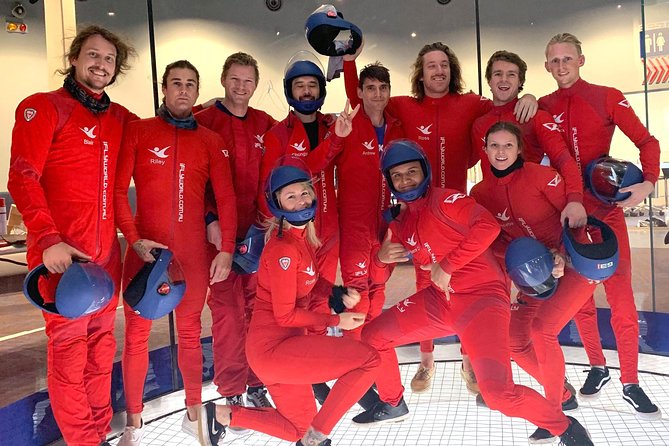
When you finish both flights, you receive a personalized certificate of achievement. It’s a small paper keepsake, but it changes the tone of the whole experience. Instead of walking out thinking you just rode something, you leave with proof you did a skill session and met the flight goals for your level.
More importantly, it forces you to remember that indoor flight is a skill. The feeling might be adrenaline, but the control is what turns it into an accomplishment. If you’re the type who likes doing things that are slightly hard but learnable, you’ll get more out of this than someone expecting only a thrill.
Who can fly (and who should plan a different activity)
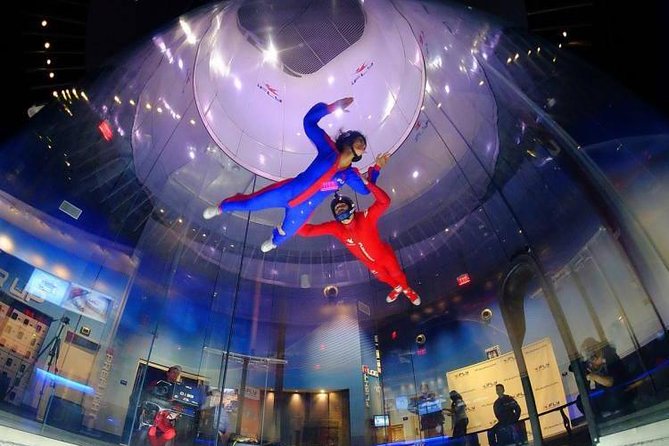
This is one of those experiences where “most travelers can participate” comes with a real list of limits. You won’t be able to fly if you have previous neck or back injuries, heart issues, shoulder dislocations, are pregnant, or if you’re wearing a hard cast. They also apply health rules for your safety, not your marketing photo.
Weight rules are also important. You must weigh less than 300 pounds to participate. If you weigh between 260 and 300 pounds, you may face additional evaluation at check-in to see if they can safely accommodate you.
Age limits are straightforward: minimum age is 3 years. If the flyer is under 18, a parent or guardian must sign the waiver.
If you have physical or cognitive challenges and want to try indoor flight, contact the location in advance. iFLY can request a certified instructor to guide All Abilities flyers.
Value check: is two 60-second flights worth $136.25?
At $136.25 per person, this isn’t cheap, and your value equation depends on what you want from the experience.
Here’s the honest math: two tunnel flights at about 60 seconds each means you’re getting roughly 2 minutes of supported air time, plus training and setup time. If you measure value only by time in the wind, you might feel the cost doesn’t match the clock—especially if you expected big, continuous action.
But if you measure value by coaching quality and how quickly you learn, it can feel like a good deal. You’re not just strapped into a machine; you get hands-on instruction while you’re flying, and you leave with a certificate. Also, the convenience matters: you can do a high-adrenaline flight simulation in Chicago without planning a full real-jump day.
My advice: if you go in expecting a real sky jump, you’ll likely be disappointed. If you go in expecting an instructor-guided wind-tunnel skill session, it’s easier to feel like it’s money well spent.
Timing and group size: how the flow works on the day
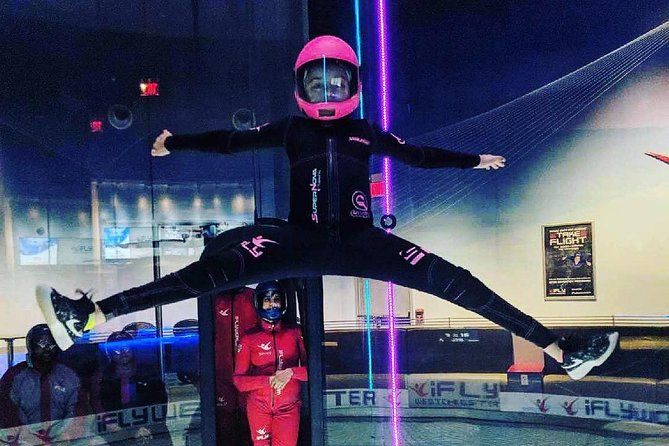
The session runs with a small group—maximum 12 travelers per session. You’ll fly one at a time in the flight chamber with your instructor, which keeps the experience personal instead of chaotic.
Expect a smooth schedule: check-in, suit-up, training briefing, first flight, second flight, then your certificate. The experience duration is listed as about 1 hour 15 minutes, and the first-time process can run closer to 1.5 hours depending on pacing—so plan for about that amount of time from arrival to the end.
One practical tip: since the session starts promptly, don’t build your day around a vague arrival time. If you’re late, you can lose your slot. This is especially important if Chicago traffic is part of your day.
Booking smart in Chicago: avoid the common mistakes
If you’re booking through a third-party site, I’d treat your reservation like it’s yours alone until you confirm it. Some people report reservation issues when booking through intermediaries, so the safe move is to verify your scheduled time with iFLY once you’ve booked.
Once you’re booked, know that rescheduling requires calling the location directly. Date/time changes can’t be handled the same way as new bookings, so if your plans might shift, factor that in.
Also, if you’re traveling with anyone who might be affected by the medical or weight guidelines, check those rules early. It’s far better to plan a different activity than to show up and get told you can’t fly.
Finally: if you’re nervous, don’t hide it. The instructors are there to guide you through body position and control, and that guidance is part of what makes the experience work for first-timers.
Should you book the iFLY indoor wind-tunnel flight in Lincoln Park?
Yes—if you want a safe, coached way to experience the sensation of flight in Chicago and you’re happy with a short but intense wind session. The combination of training, ongoing instructor support, and that end-of-session certificate makes it more than a one-note thrill.
Skip or reconsider if you’re chasing the exact physical rush of real sky jumping. The format is different: you’re floating in a controlled airflow chamber, not going through the height-based, fall-based drama of a real exit.
My tiebreaker: book if you enjoy hands-on learning and you want a story you can prove with that certificate. If you mainly want long airtime or the full free-fall feel, you may feel the cost is too high for the duration.
If you do book, aim to arrive early, wear the right shoes and clothes, and be honest about any medical limitations. And since cancellation is free up to 24 hours in advance, you can book with less stress if your schedule is slightly uncertain.
FAQ
What is the iFLY experience in Lincoln Park?
It’s an indoor vertical wind-tunnel flight where you float on a column of air and fly one-on-one with an instructor. You’ll do flights during your session and receive a certificate afterward.
How does the wind tunnel flight work?
A vertical wind tunnel moves a lot of air in a vertical column. Fans create a smooth column of air that’s fast enough to keep you safely floating, so you don’t need any prior experience to start.
Is the experience safe?
Your instructor is with you the entire time, and the wind tunnel design helps support you safely while you fly. There are also health and weight limits applied for safety.
How long does the experience take?
It’s about 1 hour and 15 minutes on average. The first-time flyer experience is listed as approximately 1 hour and 30 minutes from start to finish.
How long is each flight?
Each tunnel flight lasts about 60 seconds.
What are the age requirements?
The minimum age is 3 years. Children under 18 must have a parent or guardian sign the waiver.
What should I wear?
Wear comfortable clothes and well-fitting lace-up sneakers or running shoes. The facility also recommends casual clothing like pants and a shirt without a collar, and you’ll wear a flight suit over your clothes.
Are there weight limits?
Participants must weigh less than 300 pounds. If you weigh between 260 and 300 pounds, you must notate your weight and local staff will evaluate whether you can be accommodated.
Can I watch without flying?
Yes. If someone chooses not to participate, they can accompany you and watch from the observation area.
What medical situations prevent flying?
You won’t be able to fly if you have prior neck or back injuries, heart issues, shoulder dislocations, are pregnant, or if you are wearing a hard cast.
The Wider Chicago Shortlist
- Chicago Architecture River Cruise★ 5.0 · 15,756 reviews
- Chicago River 90-Minute Architecture Tour★ 4.5 · 9,629 reviews
- Chicago River: 1.5-Hour Guided Architecture Cruise★ 4.8 · 8,046 reviews
- Chicago: Gangsters and Ghosts Walking Tour★ 5.0 · 7,155 reviews
- Chicago Architecture Center River Cruise aboard First Lady★ 5.0 · 5,536 reviews
Chicago from Altitude
- Flyover in Chicago★ 5.0 · 486 reviews
- Flyover in Chicago: An Immersive Flying Theatre Experience★ 4.8 · 362 reviews
- Private 45-Minute Chicago Skyline Helicopter Tour★ 5.0 · 126 reviews
- Chicago: Helicopter Tour of Chicago Skyline★ 4.6 · 38 reviews
- Chicago Helicopter 10-Minute Tour for up to Three Passengers★ 4.5 · 32 reviews
The Ink Is Still Wet on These Chicago Reviews




Helicopter & Flying Experiences, compared.
 ★ 5.0Flyover in ChicagoFrom $38486 reviews
 ★ 4.8Flyover in Chicago: An Immersive Flying Theatre ExperienceFrom $38362 reviews
 ★ 5.0Private 45-Minute Chicago Skyline Helicopter Tour126 reviews
 ★ 4.6Helicopter Tour of Chicago SkylineFrom $18838 reviews
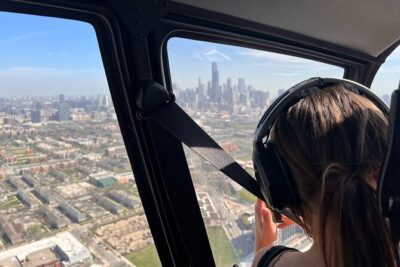 ★ 4.5Chicago Helicopter 10-Minute Tour for up to Three Passengers32 reviews
 ★ 4.5Rosemont Indoor Skydiving with Two FlightsFrom $13131 reviews
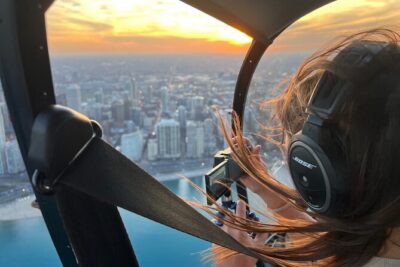 ★ 4.5Chicago Helicopter 25-Mile Tour for up to Three Passengers11 reviews
Browse the lists this tour appears in