
REVIEW · CHICAGO GHOST TOURS
Prairie Avenue Haunted History Tour and Ghost Hunt
Prairie Avenue gets spooky after dark. This 2-hour 20-minute haunted-history walk turns Chicago’s Gilded Age mansions into a proper ghost hunt, starting outside the Glessner House and running into the Prairie Avenue Historic District after dark. What I like most is the mix of real neighborhood storytelling with hands-on ghost-hunting gear, and the way the guide’s tone stays fun instead of preachy. A small drawback: you’ll be out in the evening air, and cold weather can be a factor.
You’ll keep moving at a steady pace—no marathon trek—while hitting well-known buildings tied to famous names and darker local lore. The group stays small (up to 25), and you’ll use a mobile ticket, which makes the check-in part quick. If you’re looking for a history tour that doesn’t feel like a lecture, this one fits nicely. Just wear layers and plan for wind.
In This Review
- Quick takeaways before you go
- Why Prairie Avenue at night feels different
- Getting started at the Glessner House: timing, gear, and what to wear
- Stop 1: Marshall Field Jr Mansion and the art of scandal
- Stop 2: The Henry B. Clarke House Museum and Chicago’s oldest building
- Stop 3: Keith House and the Prairie Avenue mansion feel
- Stop 4: Second Presbyterian Church and Gothic Revival chills
- Prairie Avenue Historic District: the neighborhood walk that ties it together
- Ghost-hunting gear: how it changes what you notice
- Group size, pace, and the date-night factor
- Price and value: what you really get for $40
- Who should book—and who might skip
- Should you book Prairie Avenue Haunted History Tour and Ghost Hunt?
- FAQ
- How much does the Prairie Avenue Haunted History Tour and Ghost Hunt cost?
- How long is the tour?
- Where does the tour start and end?
- What time does the tour start?
- Do I get a mobile ticket?
- Is admission required or included for the stops?
- Does the tour include ghost-hunting equipment?
- How big is the group?
- Is it easy to get there without a car?
- What happens if the weather is bad?
Quick takeaways before you go
- Ghost-hunting gear is part of the experience, not just a prop in the background.
- Tony-style storytelling brings Prairie Avenue’s scandals and legends to life with humor and question-friendly pacing.
- Historic stops are close together, so you spend more time outside seeing buildings than commuting.
- You get both houses and landmarks, from mansion exteriors to a Gothic Revival church.
- Small group size (max 25) keeps the night from feeling crowded or rushed.
Why Prairie Avenue at night feels different
Prairie Avenue on the Near South Side has long been linked with wealth—think the 1800s power set and the architecture they showed off. During the day, it’s a skyline of brick, stone, and good taste. At night, it becomes something else: long shadows, quiet streets, and stories that make you look twice at details you’d normally walk past.
That’s the core trick of this tour. It’s not just “scary because it’s dark.” You’re given context for what you’re seeing—who lived there, what people thought they were hiding, and why these places became magnets for rumors. Then the ghost hunt adds a second layer of focus, so you’re not only listening. You’re also watching, looking for patterns, and using the gear the guide provides.
This is a great fit if you like your spooky with structure. You’ll hear stories, visit major sites, and keep a rhythm that makes the whole evening feel like an activity—not a random wandering walk.
The city after dark keeps talking, more tours
Getting started at the Glessner House: timing, gear, and what to wear
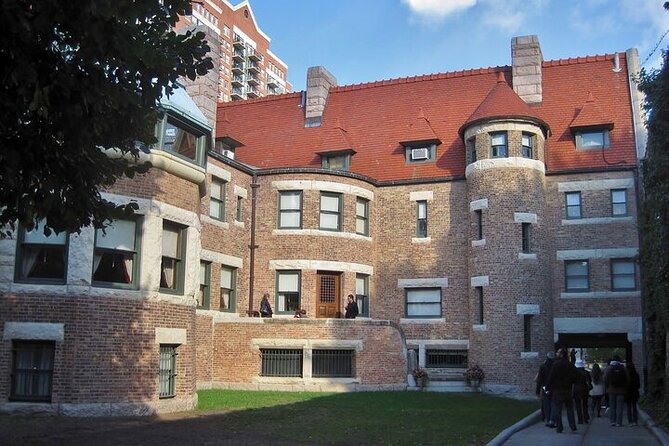
The tour begins at 8:00 pm in front of the Glessner House at 1800 S Prairie Ave. It ends back at the starting point, so you don’t have to plan your return transit route from somewhere else. The whole outing runs about 2 hours 20 minutes.
You’ll check in with a mobile ticket, and the group size is capped at 25 people. Service animals are allowed, and it’s listed as near public transportation, so you’re not stuck with a car-only night plan. Most people can participate, which usually means the pace and setup aren’t designed for only hardcore walkers.
What I’d plan for: it’s an evening tour with outdoor time and night air. One review called it cold, and people mentioned weather being rough. So bring a warm layer, gloves if you get chilly, and shoes you can stand in for a while. If you’re doing this as a date night, it’s still worth dressing like you’re attending something outdoors—not like it’s dinner under heat lamps.
Stop 1: Marshall Field Jr Mansion and the art of scandal
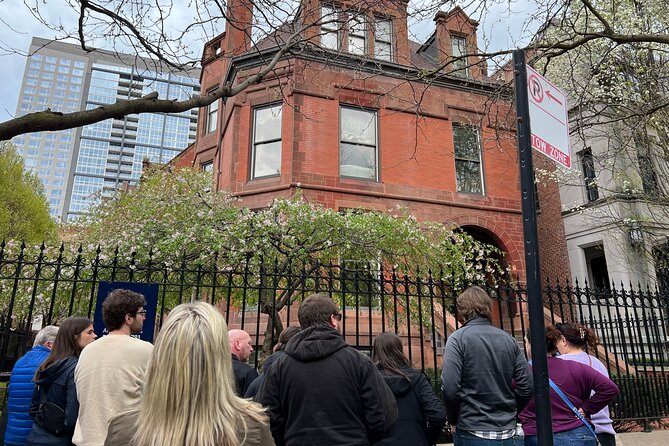
Your first stop is the Marshall Field Jr Mansion. This is where the tour leans into the idea that Gilded Age fame often came with messy private life. Expect the guide to connect the mansion to high-society reputation and the darker rumors that clung to wealthy households.
Time here is about 20 minutes, which is perfect for a first hit of energy. You’re not waiting around. You’re getting oriented, hearing the backstory, and then setting yourself up for the ghost-hunt portion with your eyes tuned to the building.
Potential drawback: since it’s the first stop, you may want to arrive a few minutes early so you’re not rushed into cold weather while the group settles. Once you’re there, the pacing is designed to keep you engaged.
From the fire of 1871 forward, more history
- Chicago in a Day: Food, History & Architecture Walking Tour
★ 5.0 · 1,153 reviews - Chicago: Field Museum of Natural History Ticket or VIP Tour
★ 4.7 · 717 reviews - Field Museum of Natural History Admission Tickets
★ 4.5 · 489 reviews
Stop 2: The Henry B. Clarke House Museum and Chicago’s oldest building
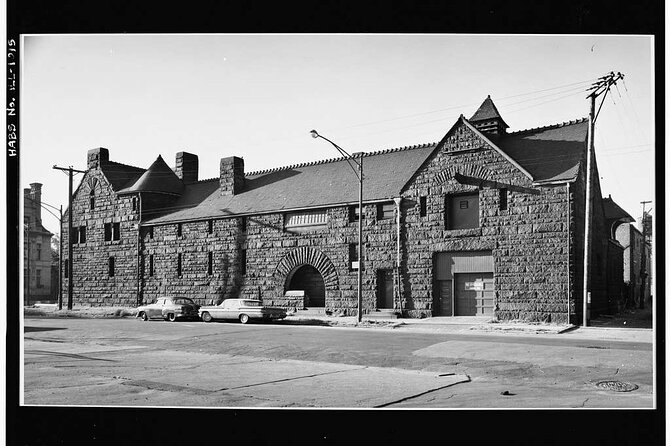
Next up is the Clarke House Museum, the Henry B. Clarke House. It’s described as Greek Revival in style, and the tour highlights how it connects to the story of Chicago’s oldest building.
This stop matters because it adds layers to the night. Early Chicago and the later millionaire-era Prairie Avenue aren’t the same story, even if they’re connected by location. By moving from a Field-named mansion toward an older surviving structure, the tour makes the neighborhood feel like it grew up in front of you—rather than existing as one single era.
You’ll get about 20 minutes here as well. Greek Revival details can feel “clean” compared with the heavier drama of some Victorian homes. That’s part of the fun: the tour shows you how different architectural styles shape the mood and the kinds of stories people attach to a place.
Stop 3: Keith House and the Prairie Avenue mansion feel
Your third stop is the Keith House, described as an 1870s mansion in the center of the Prairie Avenue Historic District. It’s another building designed to project status, and the tour uses that to keep a consistent theme: these homes weren’t just residences—they were statements.
This is still around 20 minutes, so you’ll likely get a tight mix of:
- what the exterior tells you,
- what people wanted others to believe,
- and how ghost stories take hold when there’s a lot of history packed into one address.
The advantage of this stop is tone control. After a Greek Revival building and then back toward big-manor drama, the Keith House helps the evening keep moving without becoming repetitive.
Stop 4: Second Presbyterian Church and Gothic Revival chills
The tour then shifts from houses to worship space: Second Presbyterian Church of Chicago, a landmark Gothic Revival church. This stop gives you a different kind of “haunting” energy. A mansion tends to attract rumors about private behavior. A church pulls the stories toward devotion, community, and the eerie weight buildings can carry when they’ve witnessed generations.
Again, you’ll spend about 20 minutes here. This timing matters: you’re not getting stuck in one spot. You’re building a night-of-Chicago picture, one structure at a time.
If you’re the type who likes buildings as characters, this stop is a good one. Gothic Revival elements can read dramatic even in daylight, and at night they often feel more intense—without needing jump scares.
Prairie Avenue Historic District: the neighborhood walk that ties it together
The final and longest segment is the Prairie Avenue Historic District itself. This is where the tour expands from individual stops into the bigger story of the area.
You’ll hear it described as moving from earlier roots (including an Indian trail) into the neighborhood’s eventual rise as home to the 19th-century rich and famous. Then you’ll get specific references to figures tied to Chicago’s growth and design culture, including George Pullman (associated with the sleeping car concept) and architect Henry Ives Cobb (tied to the Newberry Library). The guide also threads in “haunted stories and scandals” of Victorian-era personalities.
This part lasts about 1 hour and is your chance to connect the dots between why Prairie Avenue mattered, how wealth shaped streets and buildings, and why legends stick when power and secrecy share a zip code.
The practical benefit here: walking the district helps you understand what’s close to what. After you’ve done the full loop, you’ll likely spot the neighborhood’s scale and the architectural style changes more easily if you continue exploring on your own afterward.
Ghost-hunting gear: how it changes what you notice
A big selling point is that you don’t just hear ghost stories—you get ghost-hunting gear to use during the hunt. The guide’s job is to help you use it as part of the experience, not just hand it to you and hope you’re thrilled.
What this adds is focus. Instead of treating the tour like a history lecture, you start looking for cues: sound, shadows, and the subtle ways a building’s layout can feel alive. Even if you treat the results as entertainment, the gear gives you something to do besides stand and listen. That tends to make the night feel more interactive.
From the way people describe the experience, the gear is also part of the fun factor. So if you’re bringing someone who’s not sure about ghost tours, this “try it” approach can help.
Group size, pace, and the date-night factor
With a maximum of 25 people, you get a calmer atmosphere than the big-bus tour crowd. A smaller group usually means you can ask questions without feeling like your question gets lost in a sea of people. One thing you’ll appreciate is that the guide welcomes questions and answers them with enthusiasm, which keeps the night from feeling scripted.
This is the kind of tour that works for:
- couples looking for a different date night,
- history lovers who don’t want only museums and plaques,
- and anyone who likes spooky stories with local names attached.
One note from experience-based impressions: it can be chilly, and that’s something you can’t fully control. If you’re underdressed, the cold can take the fun edge off. Fix it with layers and you’ll be fine.
Price and value: what you really get for $40
At $40 per person for about 2 hours 20 minutes, you’re paying for a guided night walk plus the ghost-hunting component and time at multiple major sites. It’s not just a single building visit. You’re getting several stops, each with guided story time, and each stop lists admission ticket free.
That matters for value. Free admission at the stops means you’re not doubling your budget just to enter places the guide is using as anchors for the stories. You’re also getting a “two-in-one” experience: history set on Prairie Avenue and a ghost hunt that gives you the props and the structure to participate.
Is it “cheap”? Not exactly. But for a specialized night tour that covers several landmarks and includes the ghost-hunting gear, $40 often feels like a fair price for a focused evening activity rather than a long museum day.
Who should book—and who might skip
You should book this if you want:
- a guided night walk in a famous historic corridor,
- Gilded Age Chicago stories tied to real addresses,
- and a ghost-hunt format where you do something, not just listen.
You might skip it if:
- you hate being outside at night in cooler temps,
- or you want a strictly academic history presentation with zero ghost-story angle.
This tour lives in the middle. It’s history with scares and stories, not a pure paranormal séance. If you’re in that sweet spot, it’s likely a very fun way to see Prairie Avenue under night lighting.
Should you book Prairie Avenue Haunted History Tour and Ghost Hunt?
If you’re torn, here’s my practical take: book it if you’ll dress for the weather and you like your stories tied to specific buildings and names. The format is built for an evening out—short stop times, a guided thread through the district, and ghost-hunting gear that makes it feel like an event.
If you hate cold, hate walking after dark, or prefer ghosts only in fictional form, then look for a daytime architecture tour instead. But if you’re curious about Chicago’s “millionaires” era and want to see how ghost stories and neighborhood lore play off each other, this is one of the better ways to do it.
FAQ
How much does the Prairie Avenue Haunted History Tour and Ghost Hunt cost?
It costs $40.00 per person.
How long is the tour?
The tour lasts about 2 hours 20 minutes.
Where does the tour start and end?
It starts at Glessner House, 1800 S Prairie Ave, Chicago, IL 60616, USA and ends back at the same meeting point.
What time does the tour start?
The start time is 8:00 pm.
Do I get a mobile ticket?
Yes. The tour uses a mobile ticket.
Is admission required or included for the stops?
Admission is listed as free for the stops included on the tour.
Does the tour include ghost-hunting equipment?
Yes. The tour includes ghost-hunting gear that you use during the hunt.
How big is the group?
The tour has a maximum of 25 travelers.
Is it easy to get there without a car?
It’s listed as near public transportation, and it’s located at the Glessner House meeting point.
What happens if the weather is bad?
This experience requires good weather. If it’s canceled due to poor weather, you’ll be offered a different date or a full refund.
The Wider Chicago Shortlist
- Chicago Architecture River Cruise★ 5.0 · 15,756 reviews
- Chicago River 90-Minute Architecture Tour★ 4.5 · 9,629 reviews
- Chicago River: 1.5-Hour Guided Architecture Cruise★ 4.8 · 8,046 reviews
- Chicago: Gangsters and Ghosts Walking Tour★ 5.0 · 7,155 reviews
- Chicago Architecture Center River Cruise aboard First Lady★ 5.0 · 5,536 reviews
Since the Fire: Chicago History
- Chicago in a Day: Food, History & Architecture Walking Tour★ 5.0 · 1,153 reviews
- Chicago: Field Museum of Natural History Ticket or VIP Tour★ 4.7 · 717 reviews
- Field Museum of Natural History Admission Tickets★ 4.5 · 489 reviews
- Chicago Walking Tour: Historic Treasures of Chicago★ 5.0 · 362 reviews
- Historical and Architectural Chicago Fireboat River & Lake Cruise★ 5.0 · 246 reviews
What Haunts Chicago
- Chicago: Gangsters and Ghosts Walking Tour★ 5.0 · 7,155 reviews
- Chicago: Gangsters and Ghosts Guided Walking Tour★ 4.7 · 1,697 reviews
- Medieval Torture Museum Ticket with Audio Guide and Ghost Hunting★ 5.0 · 962 reviews
- Chicago Mobs and Haunts Walking Tour★ 4.5 · 383 reviews
- Haunted Chicago Booze and Boos Ghost Walking Tour★ 5.0 · 266 reviews
The Ink Is Still Wet on These Chicago Reviews




Chicago Ghost Tours, compared.
 ★ 5.0Gangsters and Ghosts Walking TourFrom $527,155 reviews
 ★ 4.7Gangsters and Ghosts Guided Walking TourFrom $361,697 reviews
 ★ 5.0Medieval Torture Museum Ticket with Audio Guide and Ghost HuntingFrom $35962 reviews
 ★ 4.5Chicago Mobs and Haunts Walking TourFrom $34383 reviews
 ★ 5.0Haunted Chicago Booze and Boos Ghost Walking TourFrom $35266 reviews
 ★ 4.0Chicago Hauntings Original Ghost Bus TourFrom $59147 reviews
 ★ 4.5Embers of the Windy City: Chilling Chicago Ghost ToursFrom $32121 reviews
 ★ 4.0Chicago Creepy CruiseFrom $4580 reviews
Browse the lists this tour appears in