
REVIEW · CHICAGO RIVER TOURS
BYOB Chicago River Guided History Tour
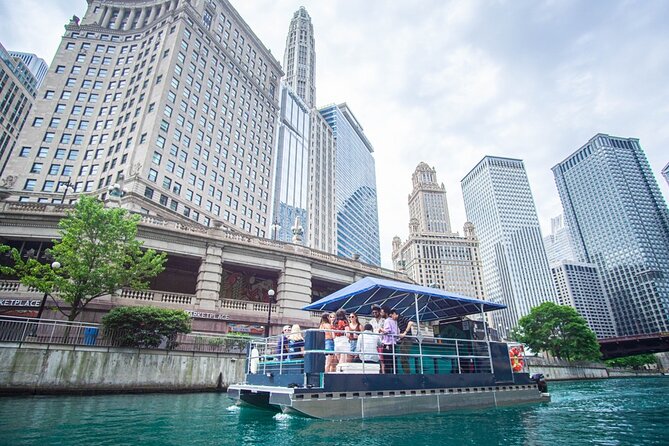
A barstool ride, with Chicago history at eye level. This BYOB Chicago River guided cruise turns the Riverwalk into a moving classroom, with stops tied to early settlement, the Great Chicago Fire, and the city’s big reinventions. The boat itself makes it feel like you’re hanging out with friends while the skyline slides by.
Two things I really like: the smart onboard setup (a u-shaped bar, built-in head, charging ports, and coolers with ice), and the guide energy. Crews including Monica and Avril are known for keeping the facts clear and the jokes landing without turning it into a stand-up set.
One possible drawback: the experience needs good weather, and it’s still a river cruise. If you run cold easily, plan to dress for wind and chill, even if the narration is warm and fun.
In This Review
- Key things to know before you board
- Why this BYOB River cruise is a smart Chicago starter
- Party Barge setup: bar stools, bow seating, and practical onboard perks
- Getting to the boat: Sweet Home Gelato and the Riverwalk bridges
- Stop by stop: Fort Dearborn and the beginnings of settlement
- The Great Chicago Fire: seeing the spark point along the water
- The 1992 bridge hole and the Great Flood shutdown
- The 1964 buildings: the shift from industrial to residential city
- River reversal and the World’s Fair: inventions you still use
- Captain Santa and the Rouse Simmons: a seasonal river tradition
- Price and value: what $65 buys on a 2-hour BYOB cruise
- Who this tour suits best (and who should skip it)
- Should you book the BYOB Chicago River Guided History Tour?
- FAQ
- How long is the BYOB Chicago River guided history tour?
- What does the tour cost?
- Is this tour BYOB?
- Are coolers and ice provided?
- Where does the tour depart from?
- Where do I meet the guide?
- What stops will I see during the cruise?
- What language is the tour offered in?
- Is the tour group large?
- What happens if the tour is canceled due to weather?
- Can I cancel and get a refund?
Key things to know before you board
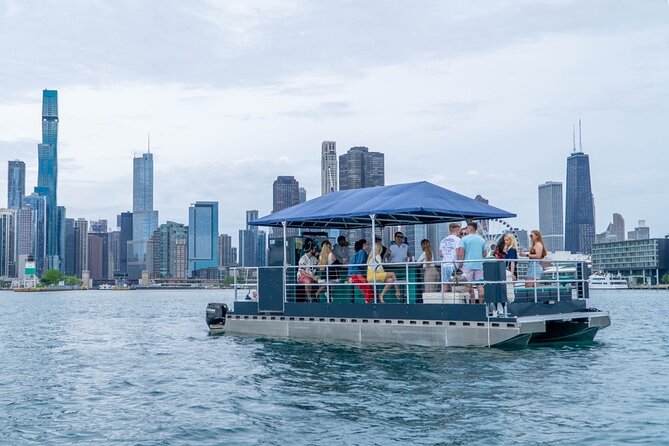
- BYOB comfort: the Party Barge has coolers with ice, charging ports, and a u-shaped bar layout.
- Small group feel: a maximum of 18 travelers keeps the tour from feeling like a cattle call.
- History you can point at: you’ll pass specific sites tied to Fort Dearborn, the Great Fire, flooding, and the 1893 World’s Fair.
- River reversal context: you’ll get the story of how Chicago’s river flow was changed and why it mattered.
- Holiday lore on the water: Captain Santa’s seasonal setup selling Christmas trees is part of the route.
- No glass rule: bring your own drinks and snacks, but skip glass containers onboard.
Why this BYOB River cruise is a smart Chicago starter
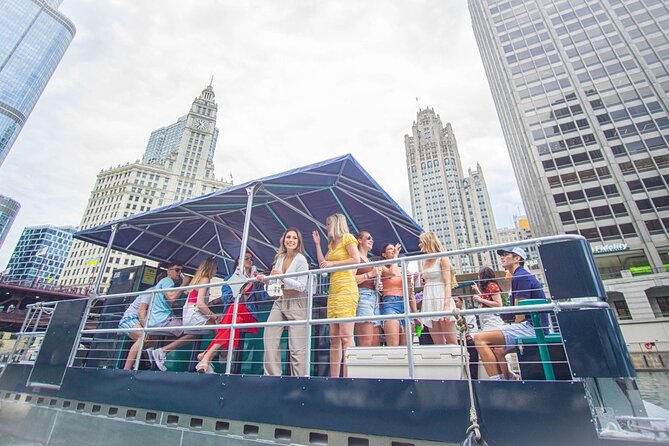
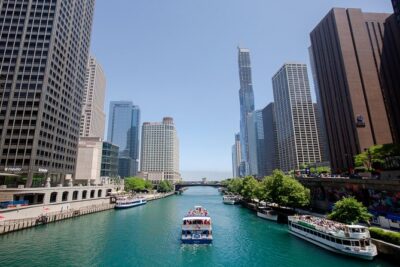
Chicago is easiest when you get your bearings early, and this tour does that fast. You’re cruising right along the Chicago River and lakefront corridor, so you start mapping neighborhoods, bridges, and landmark buildings without needing a full day of transit or decision fatigue.
The BYOB format helps too. You can bring drinks you actually like, and the boat supplies coolers and ice. That means the price feels less like a straight ticket and more like paying for the guide plus the ride. For many people, it turns into a fun “float and learn” afternoon or morning, not a stiff lecture.
And because the group size tops out at 18, the tour stays personal. You’re close enough to hear the guide clearly, and you’re not stuck at the back with a dozen tall heads in front of you.
Back on the green river, more ways to float it
Party Barge setup: bar stools, bow seating, and practical onboard perks
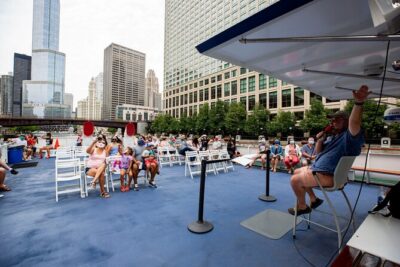
The Party Barge is built around the idea that you’ll enjoy the ride, not just survive it. The u-shaped bar puts drinks and conversation in the center, with bar stools that make it easy to relax while the guide talks. If you want a break from the bar area, there’s extra seating at the bow, where you can shift your view when the scenery changes.
Practical details make a difference on a 2-hour cruise. There’s a head onboard, charging ports so your phone stays useful for photos and maps, and coolers with ice so your BYOB doesn’t turn into lukewarm regret.
One small tip: since drinks are BYOB and glass isn’t allowed, bring drinks in cans or other non-glass containers. You’ll avoid stress at the start and keep everyone moving smoothly.
Getting to the boat: Sweet Home Gelato and the Riverwalk bridges
Your meeting point is Sweet Home Gelato at 151 W Riverwalk, Chicago, IL 60601. The tour ends back at the same spot, so you don’t have to wonder how you’ll get back after the cruise.
The boat departs from the Chicago Riverwalk between the LaSalle Street and Wells Street bridges. That matters because you’ll want to arrive with enough time to find the correct boarding area along that stretch. The tour uses a mobile ticket, so have it ready on your phone when you arrive.
The start time given is 10:30 am, and the cruise runs about 120 minutes. If you’re planning the rest of your day, treat it like a prime-slot activity: do it early enough that you can use what you learn for the rest of your Chicago walking plans.
From the fire of 1871 forward, more history
- Chicago in a Day: Food, History & Architecture Walking Tour
★ 5.0 · 1,153 reviews - Chicago: Field Museum of Natural History Ticket or VIP Tour
★ 4.7 · 717 reviews - Field Museum of Natural History Admission Tickets
★ 4.5 · 489 reviews
Stop by stop: Fort Dearborn and the beginnings of settlement
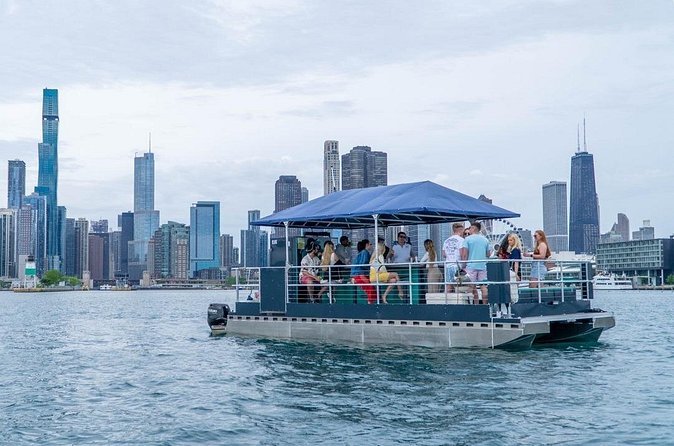
As you head along the river, one of the first historical anchors is the site where the first American settlement, Fort Dearborn, once stood. This is where the river stops being just scenery and starts being a timeline.
Fort Dearborn is a good early stop because it gives context. It’s a reminder that Chicago’s story isn’t only about skyscrapers. It’s also about survival, trade, and the early push to build and protect a foothold at the water’s edge.
What I like here is that the guide ties place to event. Instead of only hearing names, you’re looking at the river corridor and the bridges, so the story feels physical.
The Great Chicago Fire: seeing the spark point along the water
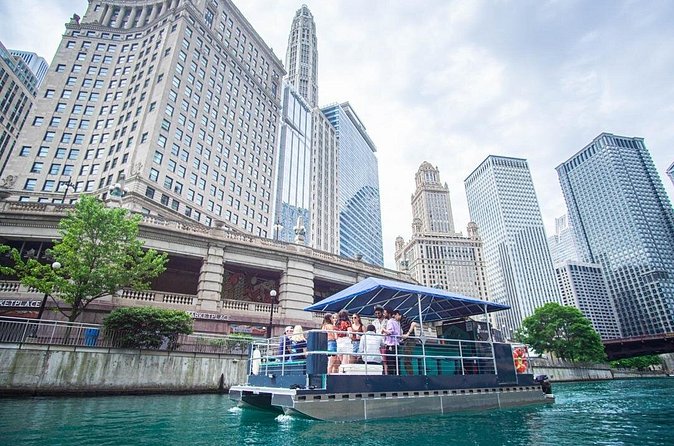
Next comes one of the city’s hardest chapters: the site where the 1871 Great Chicago Fire started. This stop is powerful for a simple reason. Fire sounds abstract until you connect it to the exact river-side geography the guide points out.
You’ll get the kind of framing that helps the event make sense in Chicago’s long arc: why this fire changed everything, how it shaped building choices, and how the city rebuilt with new rules and new expectations. Even if you’ve read about the Fire before, seeing it from the river adds a new angle because you understand how the waterway shaped daily life.
A small consideration: if you’re the type who hates gloomy topics on vacation, this is still part of the deal. The tour doesn’t pretend history is all parties and skyline photos. It treats the tough moments as real.
The 1992 bridge hole and the Great Flood shutdown
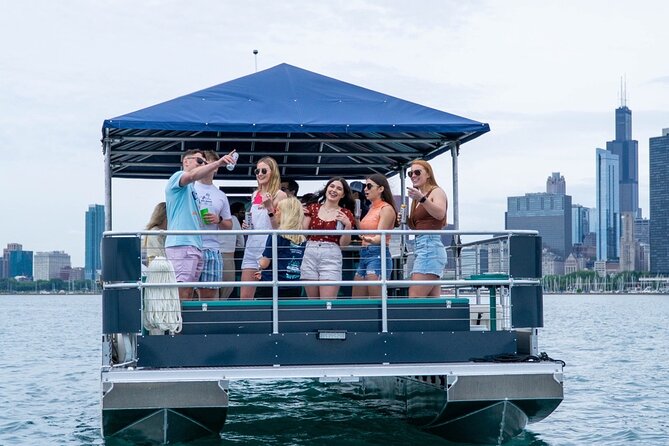
Then you move into a more modern disaster story: in 1992, a hole formed under a bridge, leading to the Great Flood and shutting Chicago down for about a week. This stop works well after the Fire because it shows another pattern: when something goes wrong, Chicago responds, adapts, and rebuilds.
It’s also a reminder that cities can be disrupted by infrastructure problems, not just dramatic events. Standing on the river corridor gives you a clearer sense of how much depends on what’s under the street and what’s under the bridges.
It’s not a scare story for the sake of fear. It’s presented as a meaningful turning point, the kind of local detail you just won’t pick up from a quick skyline photo.
The 1964 buildings: the shift from industrial to residential city
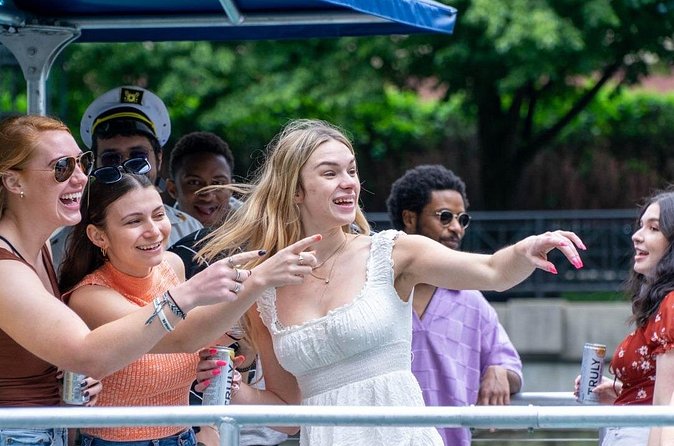
After the flood story, the tour turns to buildings built in 1964, described as the point where Chicago shifted from its Industrial Age into the residential metropolitan city it became. This is one of those segments that can sound dry on paper, but it lands better when you’re moving past the river corridor and seeing how the built environment looks in real space.
Think of it as a bridge between eras. The earlier stops explain early settlement and major crises. This one addresses how the city evolved physically—how the river-side corridor helped support a different kind of urban life over time.
If you like urban planning and how cities change their personality, you’ll likely enjoy this section. If you want pure sightseeing, you might have to lean in a bit, but the guide keeps it practical and tied to what you can see.
River reversal and the World’s Fair: inventions you still use
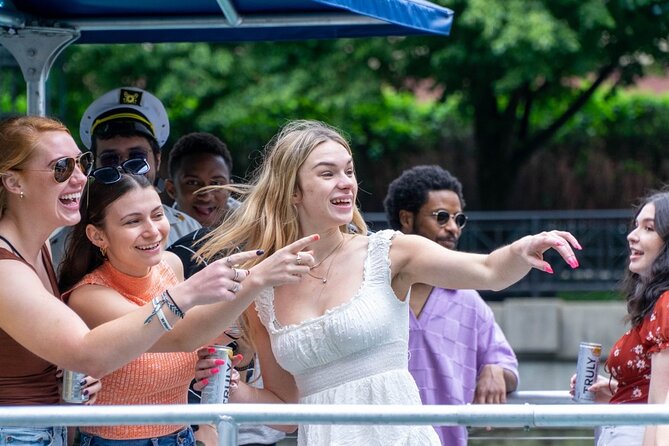
Then the tour zooms out slightly with the story of the reverse of the Chicago River—how that change shaped the city over the last century. River reversal is the kind of fact that sounds almost unbelievable until you understand why it was done. The guide connects it to public health and city development, so it’s not just a quirky trivia point. It’s a real example of how engineering decisions alter daily life.
Next comes the 1893 World’s Fair. You’ll learn about the fair and the inventions introduced there that people still use today. This stop is a favorite for many visitors because it adds optimism after the disaster and infrastructure talk. It’s Chicago flexing its problem-solving and showpiece skills.
If you like history that connects to the present, this portion delivers. The fair isn’t treated like a dusty museum exhibit. It’s positioned as a moment that helped shape technology and expectations.
Captain Santa and the Rouse Simmons: a seasonal river tradition
In the late 1800s, Captain Santa set up shop on his sail boat, the Rouse Simmons, to sell Christmas trees every winter at this corner of the river. It’s the kind of detail that makes a tour feel human.
After heavy topics, this stop brings relief without feeling like a random detour. It reminds you the river has been a working place and a community place, not only a backdrop for big events.
It also explains why Chicago river stories are fun: there’s often a practical reason behind the legend. Seasonal vendors, boats used for trade, and local traditions all show up on the waterline.
Price and value: what $65 buys on a 2-hour BYOB cruise
At $65 per person for about 2 hours, the value depends on how you like to spend your time. If you want a guide, a structured route, and a water-based view without planning details, this is priced fairly for a guided cruise with onboard perks.
Here’s what’s included:
- coolers and ice for your BYOB
- a local guide with the kind of storytelling that keeps the facts moving
Drinks and snacks are not included, but you’re welcome to bring them onboard. That BYOB aspect can make the overall experience feel like a deal, especially if you’re already planning to have a drink during your day out.
Two practical notes that affect value: you’ll want non-glass drink containers, and you’ll want to pack snacks if you get hungry. The cruise is 2 hours, so plan for a normal human appetite.
Also, the tour is often booked about 92 days in advance on average. That’s a hint it’s a popular choice and may sell out for prime days.
Who this tour suits best (and who should skip it)
This BYOB river history cruise is a great fit if you want:
- a guided overview of Chicago’s story tied to real river-side sites
- an easy 2-hour plan with a small group
- a fun onboard setup where you can bring your own drinks
- photo-friendly views of bridges and skyline angles
It may be less ideal if:
- you’re expecting a long, stop-and-exit walking tour (this is a cruise)
- you dislike cold weather exposure and don’t plan clothing for wind
- you want drinks included in the price (they’re BYOB)
Should you book the BYOB Chicago River Guided History Tour?
Yes, if you want a fast, fun way to learn where Chicago’s big moments happened and why the river matters. The best part is the blend: a comfortable boat experience with practical onboard amenities, plus clear storytelling from crew members like Monica and Avril (and other guides such as Maria and Kelli, depending on the day).
Book it sooner rather than later, since it’s scheduled and often filled in advance. And if you’re going on a chilly day, dress for the weather because the river air can bite. Do that, bring non-glass drinks, and you’ll get a lot of Chicago in two hours without the hassle.
FAQ
How long is the BYOB Chicago River guided history tour?
It runs for about 120 minutes (around 2 hours).
What does the tour cost?
The price is $65.00 per person.
Is this tour BYOB?
Yes. You can bring your own drinks. Drinks are not included, and glass isn’t allowed onboard.
Are coolers and ice provided?
Yes. Coolers and ice are included.
Where does the tour depart from?
The cruise departs from the Chicago Riverwalk between the LaSalle Street and Wells Street bridges.
Where do I meet the guide?
You meet at Sweet Home Gelato, 151 W Riverwalk, Chicago, IL 60601.
What stops will I see during the cruise?
You’ll learn about the site of Fort Dearborn, the start location of the 1871 Great Chicago Fire, a 1992 bridge-hole incident linked to the Great Flood, buildings built in 1964 tied to the city’s shift from industrial to residential, the story of the Chicago River reversal, the 1893 World’s Fair and inventions introduced there, and Captain Santa’s Christmas tree sales from his sailboat, the Rouse Simmons.
What language is the tour offered in?
The tour is offered in English.
Is the tour group large?
No. The maximum group size is 18 travelers.
What happens if the tour is canceled due to weather?
The experience requires good weather. If it’s canceled due to poor weather, you’ll be offered a different date or a full refund.
Can I cancel and get a refund?
Yes. You can cancel up to 24 hours in advance for a full refund. If you cancel less than 24 hours before the experience starts, the amount paid will not be refunded.
The Wider Chicago Shortlist
- Chicago Architecture River Cruise★ 5.0 · 15,756 reviews
- Chicago River 90-Minute Architecture Tour★ 4.5 · 9,629 reviews
- Chicago River: 1.5-Hour Guided Architecture Cruise★ 4.8 · 8,046 reviews
- Chicago: Gangsters and Ghosts Walking Tour★ 5.0 · 7,155 reviews
- Chicago Architecture Center River Cruise aboard First Lady★ 5.0 · 5,536 reviews
Since the Fire: Chicago History
- Chicago in a Day: Food, History & Architecture Walking Tour★ 5.0 · 1,153 reviews
- Chicago: Field Museum of Natural History Ticket or VIP Tour★ 4.7 · 717 reviews
- Field Museum of Natural History Admission Tickets★ 4.5 · 489 reviews
- Chicago Walking Tour: Historic Treasures of Chicago★ 5.0 · 362 reviews
- Historical and Architectural Chicago Fireboat River & Lake Cruise★ 5.0 · 246 reviews
Still on the Chicago River
- Chicago Architecture River Cruise★ 5.0 · 15,756 reviews
- Chicago River 90-Minute Architecture Tour★ 4.5 · 9,629 reviews
- Chicago River: 1.5-Hour Guided Architecture Cruise★ 4.8 · 8,046 reviews
- Chicago Architecture Center River Cruise aboard First Lady★ 5.0 · 5,536 reviews
- Chicago: Architecture River Cruise Skip-the-Ticket Line★ 4.8 · 4,325 reviews
The Ink Is Still Wet on These Chicago Reviews


Chicago River Tours, compared.
 ★ 5.0Chicago Architecture River CruiseFrom $3915,756 reviews
 ★ 4.5Chicago River 90-Minute Architecture TourFrom $459,629 reviews
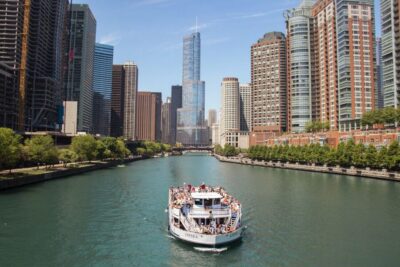 ★ 4.8Chicago River: 1.5-Hour Guided Architecture CruiseFrom $448,046 reviews
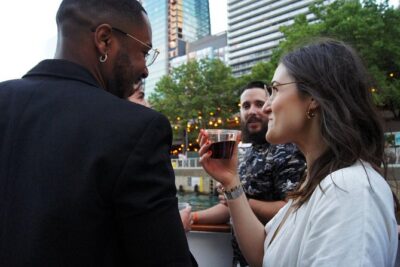 ★ 5.0Chicago Architecture Center River Cruise aboard First LadyFrom $575,536 reviews
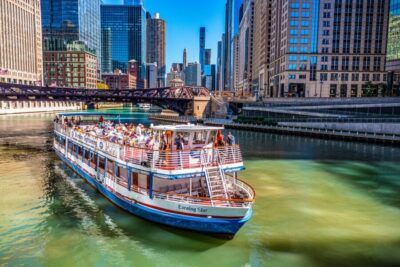 ★ 4.8Architecture River Cruise Skip-the-Ticket LineFrom $394,325 reviews
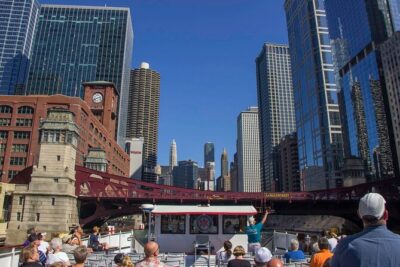 ★ 4.5Chicago River 45-Minute Architecture Tour from Magnificent MileFrom $282,924 reviews
 ★ 4.745-Minute Family-Friendly Architecture River CruiseFrom $282,304 reviews
 ★ 5.0Chicago River 90-Minute Architecture Boat TourFrom $371,635 reviews
Browse the lists this tour appears in