
REVIEW · CHICAGO MUSEUMS & TICKETS
Illinois Holocaust Museum Experience360 Admission
One hour can change how you understand history. Experience360 is a guided mix of galleries, virtual reality, and holographic survivor conversations, built to help you watch, listen, and then ask questions in the room. I especially like how it starts with context in the call-to-action and WWII overview spaces, then moves into personal stories through survivor testimony objects and memory. I also love that the tech moments (VR and holograms) are paired with real museum exhibits, not just high-tech spectacle. One drawback to plan around: the experience is best for older visitors, and it’s not recommended for children under 12.
You’ll spend about 1 to 2 hours in total, and you can go at a relaxed pace as long as you leave time for the emotional parts. The museum offers multiple opportunities to ask staff questions as you move through the experience, so come with curiosity. If you want the gentlest route, bring tissues—some of what you’ll see is designed to be hard-hitting.
In This Review
- Key things that make this worth your time
- Before You Go: Location, Timing, and How Long It Really Takes
- Tickets and Value: What $12 Buys You (and Why It’s Not Just Tech)
- Stop 1: The Call-to-Action and WWII Overview Galleries (Getting Your Bearings)
- Stop 2: Northern Trust Virtual Reality Theater (Survivors Through Childhood and Hiding)
- Stop 3: Object. Image. Memory (Where Testimony Becomes Tangible)
- Stop 4: Interactive Holographic Conversations (Ask Questions in the Present)
- Guided Time With Staff: Learning That Doesn’t End at the Door
- Price, Pace, and Who This Fits Best
- You’ll likely enjoy it if…
- Consider skipping or adjusting plans if…
- What to Expect When You Arrive (So You Can Relax)
- Staff Quality: When Guides Make the Difference
- Should You Book Experience360? My Practical Recommendation
- FAQ
- How long does Experience360 take?
- Is the ticket $12 and what does it include?
- What technology is part of Experience360?
- What are the museum’s opening hours?
- Can I use a mobile ticket?
- Is service animal access allowed?
- Is it suitable for children?
- Is the location easy to reach by transit?
- Can I cancel for a refund?
Key things that make this worth your time
- A VR theater that follows survivors through childhood places and hiding locations
- A gallery built around survival memory using artifacts, written testimony, and “Object. Image. Memory”
- Interactive holographic conversations that bring real voices into the present
- Small moments of Q&A throughout so you’re not just watching quietly
- Multiple WWII-focused galleries that add structure before the emotional tech scenes
Before You Go: Location, Timing, and How Long It Really Takes
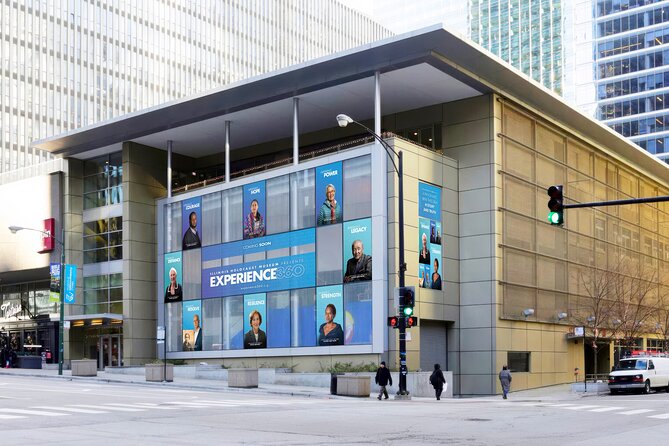
This is at the Illinois Holocaust Museum and Education Center in the Chicago area. Opening hours run 10:00 AM to 5:00 PM daily, with the experience available throughout the listed season (from 08/26/2025 through 02/16/2027). Plan on 1 to 2 hours depending on how much you want to read, look closely, and talk with staff.
The price is $12.00 per person, which is a big part of why I think this is strong value. For that, you’re not just paying for entry—you’re paying for an experience that combines several exhibit areas plus a VR and hologram sequence. If you like museums that respect your time and attention span, this one fits.
You’ll also get a mobile ticket, which is handy if you’re bouncing between stops in the city and don’t want to manage printouts. And since it’s near public transportation, you can make this work even if you don’t have a car.
More museum hours for a windy day
Tickets and Value: What $12 Buys You (and Why It’s Not Just Tech)
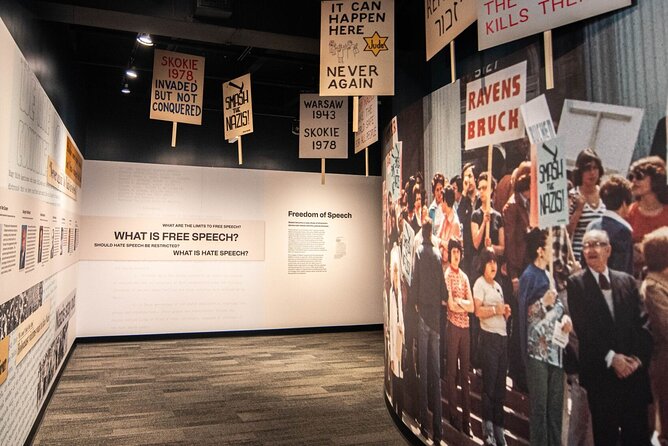
At $12, this is priced like an accessible museum admission add-on, not like a separate paid attraction. What you’re buying is a full arc: context first, then personal testimony, then interactive tech that helps you focus on what survived people actually endured and remember.
A lot of VR attractions can feel like a themed ride. Here, the VR is tied directly into the museum’s story and then followed by exhibit spaces that give you something tangible to hold onto—objects, images, and written accounts. That matters. Tech can help you feel something, but artifacts and testimony help you understand it.
If you’re the type who wants to ask questions, the format supports that. You’ll get multiple chances to engage with staff, which can turn the experience from an emotional hit into real learning.
Stop 1: The Call-to-Action and WWII Overview Galleries (Getting Your Bearings)
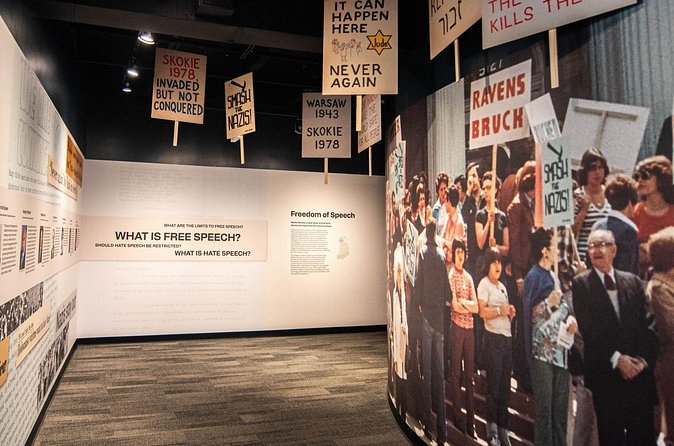
The experience begins in a call-to-action space, built to explain why the museum was founded and what role it plays. One detail I like here is that it points you to the story behind Skokie, so you understand the museum’s roots instead of treating it like a generic exhibit building.
From there, you move into the Karkomi Foundation Gallery, which sets up a compelling overview of the Holocaust and World War II. This part is important because it gives you timing and structure before you hit the personal, emotional technology moments. Without this, VR and holograms can feel powerful but disconnected.
If you prefer to start fast and save reading for later, you’ll still be able to move at a reasonable pace. But if you tend to look closely at the words and context, this opening will reward you.
- Chicago Architecture River Cruise
★ 5.0 · 15,756 reviews - Chicago River 90-Minute Architecture Tour
★ 4.5 · 9,629 reviews - Chicago River: 1.5-Hour Guided Architecture Cruise
★ 4.8 · 8,046 reviews
Stop 2: Northern Trust Virtual Reality Theater (Survivors Through Childhood and Hiding)
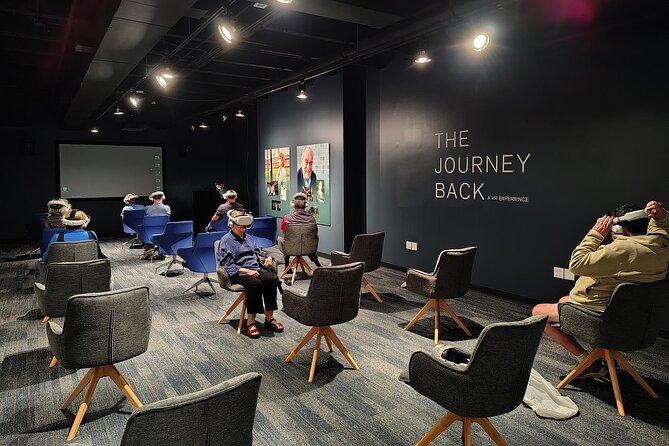
Next comes the Northern Trust Virtual Reality Theater, where you accompany survivors through childhood hometowns and places of hiding. VR is often either overly polished or overly detached. Here, the goal is different: VR becomes a path into lived experience, not a game-like environment.
The VR segment is also one of the most praised elements, because it feels emotional and personal without losing your way. It helps you connect the historical overview you just learned with the human details that history reports can flatten.
Practical tip: after you finish the VR segment, give yourself a minute. Don’t rush straight into another part of the museum. The experience is designed to be reflective, and your brain needs a second to catch up.
Stop 3: Object. Image. Memory (Where Testimony Becomes Tangible)
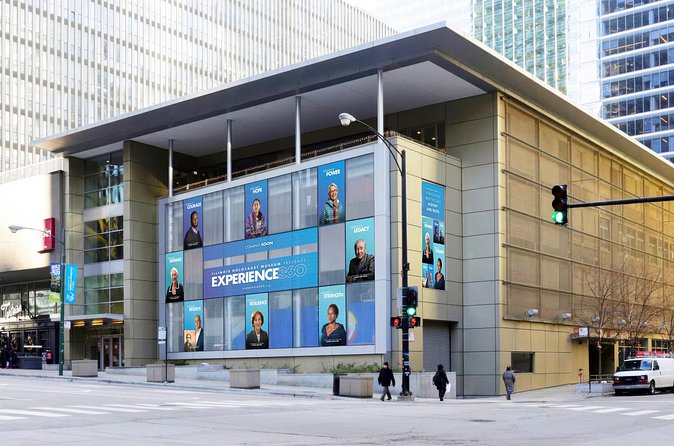
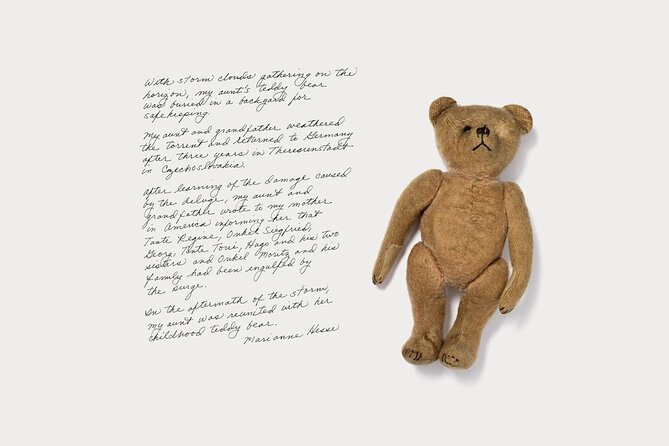
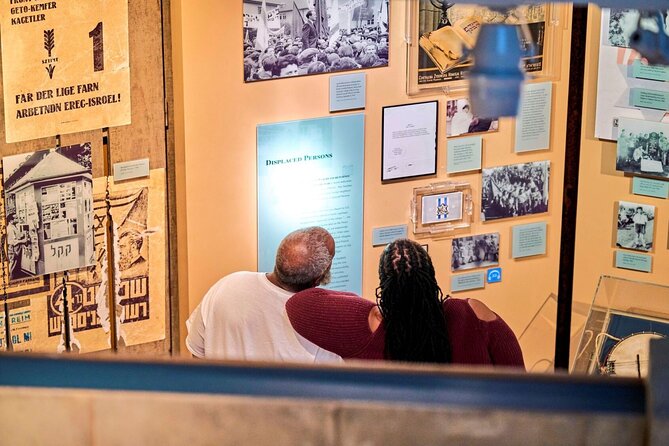
After the VR portion, you’ll encounter ITW Stories of Survival: Object. Image. Memory—an exhibition built around personal artifacts and written testimonies. This is where the museum slows down. It asks you to pay attention to what people kept, what they recorded, and how memory survives through small and specific things.
Why I think this works: it bridges two ways of learning. You experience the emotion through VR first, then you switch gears into evidence—objects and text—that ground the story. If you like museums that show you that history is made of human-scale details, you’ll probably feel more connected here than in a purely audiovisual exhibit.
You should also expect this area to land hard emotionally. Some of the exhibit’s power comes from its restraint: you’re seeing personal records, not just absorbing generic facts.
Stop 4: Interactive Holographic Conversations (Ask Questions in the Present)
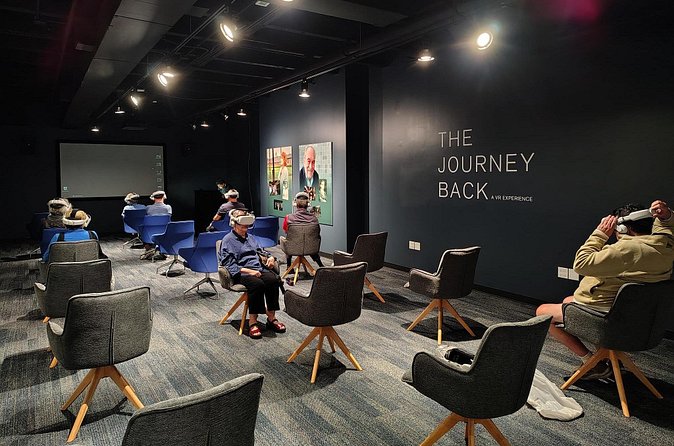
The experience reaches its most futuristic moment with interactive holographic technology—conversations with Holocaust Survivors. This isn’t just watching a hologram that talks at you. The format is designed to let you interact, which is one reason people describe it as unforgettable.
A key practical point: don’t be shy about asking questions here. The exhibit format encourages curiosity, and you may get clearer meaning when you ask something directly instead of letting the moment pass.
In at least some experiences, you may also hear stories shared by people connected to survivor history. One example from staff-led narratives includes a second-generation Holocaust survivor named Michael, whose story about his mother and father created a strong personal connection. (Your session may vary, but the overall structure remains: direct, human testimony through the holographic format.)
Guided Time With Staff: Learning That Doesn’t End at the Door
One of the best parts of Experience360 is that it doesn’t stop after the main tech moments. There are lots of chances to ask staff questions throughout your visit, and many people find it helpful to go deeper after the VR segment while you’re still emotionally centered and curious.
This can be the difference between leaving with impressions and leaving with understanding. If you’re the type who wants a better answer than a brochure can offer, the staff-led conversations are where you’ll likely get them.
Also, the museum spaces feel thoughtful enough that even if you only have time for a first visit, you can still find enough meaning to want to return later for more.
Price, Pace, and Who This Fits Best
Let’s talk about fit, because this museum experience is intense in a real way. It’s billed as something for visitors of all backgrounds to witness stories of survival, ask questions, and reflect with empathy, respect, and hope. The museum isn’t aiming for casual entertainment.
You’ll likely enjoy it if…
- You like history experiences that are structured and reflective, not chaotic
- You’re interested in learning through a mix of exhibits and tech
- You value personal testimony and artifacts, not just big headlines
- You’re comfortable with emotionally heavy content
Consider skipping or adjusting plans if…
- You’re bringing kids under 12, since it’s not recommended for younger children
- You need a light, upbeat visit today—this isn’t that kind of stop
- You dislike interactive tech environments or question prompts
The duration—about 1 to 2 hours—also makes it manageable. You can do it as a standalone visit or fit it into a broader day in the Chicago area without turning it into an all-day marathon.
What to Expect When You Arrive (So You Can Relax)
There’s no need to overthink logistics, but it helps to walk in ready to pay attention. The experience moves from context galleries into VR and then into exhibit spaces and holographic conversations. That flow matters.
I suggest you do two things to get the most out of it:
- Give yourself a little buffer time before you start, so you don’t feel rushed during the most emotional parts.
- Decide you’ll ask at least one question. Staff answers can turn the experience from meaningful to memorable.
If you’re the kind of person who brings a notebook, this is one of the better places to use it. The story includes enough names, themes, and details that writing helps you remember what you learned.
Staff Quality: When Guides Make the Difference
Even when the content is powerful on its own, good guidance matters. One review highlights Tom as an excellent guide who did a spectacular job, and another mentions staff members MJ and Val as informative and kind—answering questions and offering extra context.
So if you get a moment to ask questions early, do it. A good guide can point you to the right artifact details or help translate what you’re seeing into clearer understanding.
And if a second-generation survivor like Michael is part of the program during your visit, treat it as a rare moment. Personal testimony like that is the heart of why museums exist.
Should You Book Experience360? My Practical Recommendation
Book it if you want a museum visit that blends VR, exhibits, artifacts, and interactive holographic testimony into one structured experience. The $12 price is a strong value for the amount of content and the way the tech supports reflection instead of replacing learning.
Skip it or reconsider if you need something kid-friendly under 12, or if emotionally heavy topics will be too much for your day. This is not a quick hit. It’s designed to slow you down and make space for questions.
If you’re on the fence, here’s my simplest call: if you care about learning with empathy—and you can handle a few tough moments—this is worth your time.
FAQ
How long does Experience360 take?
Plan on 1 to 2 hours. The exact time depends on how much you want to see and do inside the museum’s different sections.
Is the ticket $12 and what does it include?
Yes, the price is $12.00 per person. The admission ticket includes access to the museum’s exhibitions and the Experience360 elements.
What technology is part of Experience360?
The experience includes VR in the Northern Trust Virtual Reality Theater and interactive holographic conversations with Holocaust Survivors.
What are the museum’s opening hours?
The museum is open 10:00 AM to 5:00 PM, Monday through Sunday, during the listed date range.
Can I use a mobile ticket?
Yes. The experience uses a mobile ticket.
Is service animal access allowed?
Yes. Service animals are allowed.
Is it suitable for children?
It’s not recommended for children under 12.
Is the location easy to reach by transit?
Yes. The venue is near public transportation.
Can I cancel for a refund?
Yes. There is free cancellation if you cancel at least 24 hours before the experience start time. If you cancel within 24 hours, the amount paid is not refunded.
The Wider Chicago Shortlist
- Chicago Architecture River Cruise★ 5.0 · 15,756 reviews
- Chicago River 90-Minute Architecture Tour★ 4.5 · 9,629 reviews
- Chicago River: 1.5-Hour Guided Architecture Cruise★ 4.8 · 8,046 reviews
- Chicago: Gangsters and Ghosts Walking Tour★ 5.0 · 7,155 reviews
- Chicago Architecture Center River Cruise aboard First Lady★ 5.0 · 5,536 reviews
Museum Campus and Beyond
- Medieval Torture Museum Ticket with Audio Guide and Ghost Hunting★ 5.0 · 962 reviews
- Chicago: Field Museum of Natural History Ticket or VIP Tour★ 4.7 · 717 reviews
- Field Museum of Natural History Admission Tickets★ 4.5 · 489 reviews
- Skip-the-line: Art Institute of Chicago Guided Tour★ 5.0 · 417 reviews
- Museum of Ice Cream Chicago Admission Ticket★ 3.5 · 396 reviews
The Ink Is Still Wet on These Chicago Reviews




Chicago Museums & Tickets, compared.
 ★ 5.0Medieval Torture Museum Ticket with Audio Guide and Ghost HuntingFrom $35962 reviews
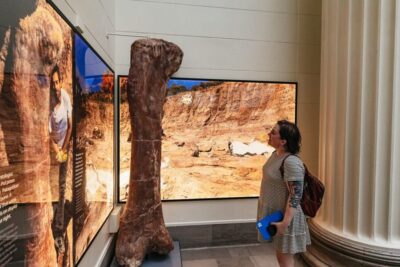 ★ 4.7Field Museum of Natural History Ticket or VIP TourFrom $29717 reviews
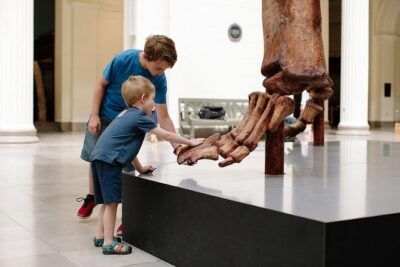 ★ 4.5Field Museum of Natural History Admission TicketsFrom $29489 reviews
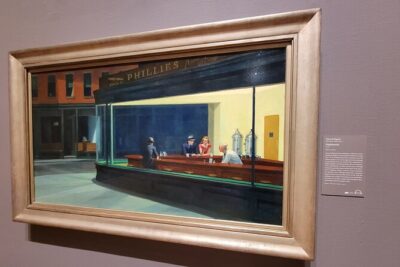 ★ 5.0Skip-the-line: Art Institute of Chicago Guided TourFrom $71417 reviews
 ★ 3.5Museum of Ice Cream Chicago Admission TicketFrom $43396 reviews
 ★ 4.41-5 Day Attraction Pass with Shedd AquariumFrom $139372 reviews
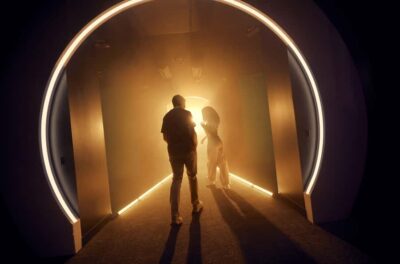 ★ 4.8Flyover in Chicago: An Immersive Flying Theatre ExperienceFrom $38362 reviews
 ★ 5.02-Hour Chicago Lakefront & Museum Campus Segway TourFrom $64345 reviews
Browse the lists this tour appears in