REVIEW · CHICAGO
Explore Chicago’s Indoor Mushroom Farm Experience
A bag of mushroom substrate can teach you more than you’d expect. This is a behind-the-scenes look at how gourmet mushrooms are produced in a high-tech indoor farm built for consistent results.
I really like the from-start-to-finish production flow, from bagging and sterilizing substrate through inoculation and incubation. I also like how the tour connects mushroom growing to what Chicago restaurants and retailers can actually buy, including packaging for retail and wholesale.
One thing to consider: this is best for adults (or older kids), because it’s technical and production-focused rather than a casual farm with lots of hands-on play.
In This Review
- Key things that make this tour worth your hour and a half
- Step into a high-tech indoor farm in Chicago
- Price and what you’re really paying for
- The meeting point and start time you should plan around
- The full mushroom production story (what you’ll see in each phase)
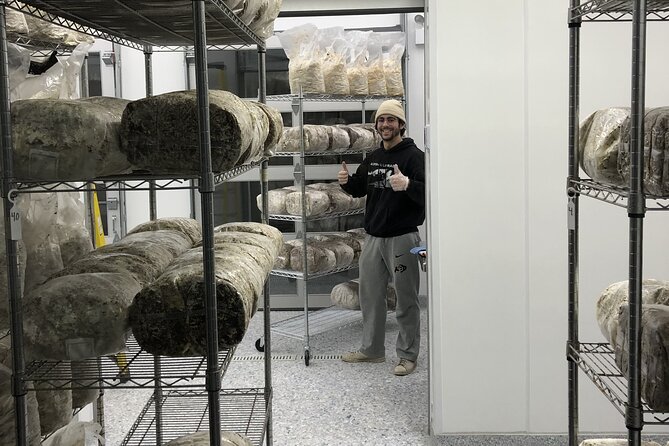
- Substrate preparation: bagging, sterilizing, and inoculating
- Incubation staging: setting up the conditions to grow
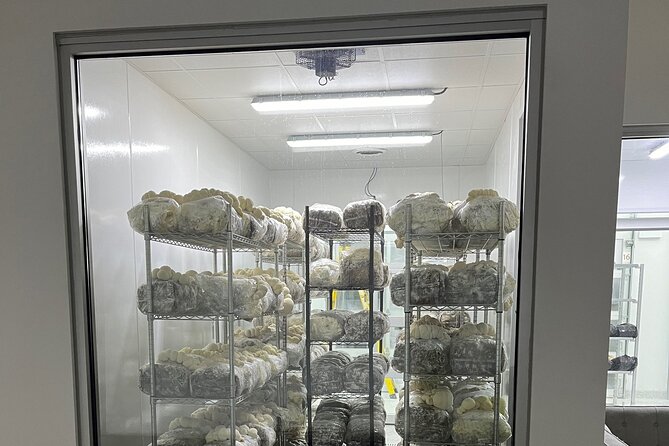
- Grow rooms for fruiting: where the mushrooms actually form
- Packaging for retail and wholesale across Chicagoland
- The regenerative agriculture angle (and why it matters to you)
- What stands out from the experience quality
- Who this tour is best for (and who should rethink)
- Timing tips for a smoother 12:00 pm experience
- Quick FAQ for planning your visit
- FAQ
- Where does the tour start?
- What time does the experience begin?
- How long is the tour?
- How much does it cost?
- What language is the tour offered in?
- Do I get a ticket on my phone?
- How big is the group?
- Will I get confirmation after booking?
- Can I cancel for free, and how late?
- Should you book this Chicago indoor mushroom farm tour?
Key things that make this tour worth your hour and a half
- Real production steps: see substrate bagging, sterilization, inoculation, and incubation in a controlled setup
- Grow rooms for fruiting: you’ll understand how mushrooms go from incubation to harvest-ready growth
- Packaging explained: learn how product is prepared for retail and wholesale across Chicagoland
- Regenerative agriculture angle: mushroom cultivation is framed as part of a bigger sustainability story
- Small group size: a maximum of 25 people keeps it focused
- Easy to plan: English tour, mobile ticket, and a fixed start time at 12:00 pm
Step into a high-tech indoor farm in Chicago
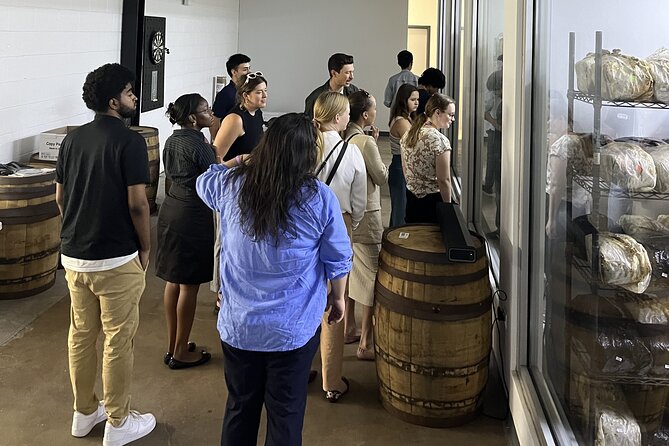
This experience takes place at Four Star Mushrooms in Chicago, at 320 N Oakley Blvd, right in the city. Even if you think you know what mushrooms are, this tour changes the picture. Instead of guessing, you get to watch production like it’s a system—carefully controlled, repeatable, and built to support consistent output.
The tone is practical. You’re not just looking at a wall of mushrooms. You’re learning how an urban facility manages the conditions mushrooms need, and why that matters for food businesses that depend on reliable supply.
Expect a total commitment of about 1 hour 30 minutes. The guided portion is described at around 60 minutes, and you’ll likely spend the rest on check-in, walking between areas, and getting ready for the talk about the process.
Hold that booking for a minute. These Chicago picks sit in the same lane.


Price and what you’re really paying for
At $20 per person, this doesn’t compete with big-ticket attractions, but it also isn’t trying to. You’re paying for access to a working specialty mushroom production facility, plus a structured explanation of the full chain: raw substrate into harvested mushrooms.
That matters for value. If you’re the type of person who likes understanding how food gets made—especially in a city—this can feel like a bargain. It’s also small-group friendly (up to 25), which usually means less “lecture from a distance” and more real viewing time.
It’s also booked pretty far ahead on average—around 23 days. If you’re traveling in a popular season or on a busy week, you’ll want to lock in your spot early rather than waiting for last-minute flexibility.
The meeting point and start time you should plan around
Your tour meets at 320 N Oakley Blvd, Chicago, IL 60612. The listed start time is 12:00 pm, and the activity ends back at the same meeting point.
That one-start-point setup is helpful. You don’t need to figure out multiple locations across the city or time public transit segments between stops. It’s mostly a straightforward plan: arrive, check in, and then stay with the group for the facility walkthrough.
If you’re pairing this with a midday Chicago plan, I’d build in a buffer. Indoor facilities run on schedules, and you’ll be happier if you can arrive early, settle in, and focus on the tour content without rushing.
- Chicago Architecture River Cruise
★ 5.0 · 15,756 reviews - Chicago River 90-Minute Architecture Tour
★ 4.5 · 9,629 reviews - Chicago River: 1.5-Hour Guided Architecture Cruise
★ 4.8 · 8,046 reviews
The full mushroom production story (what you’ll see in each phase)
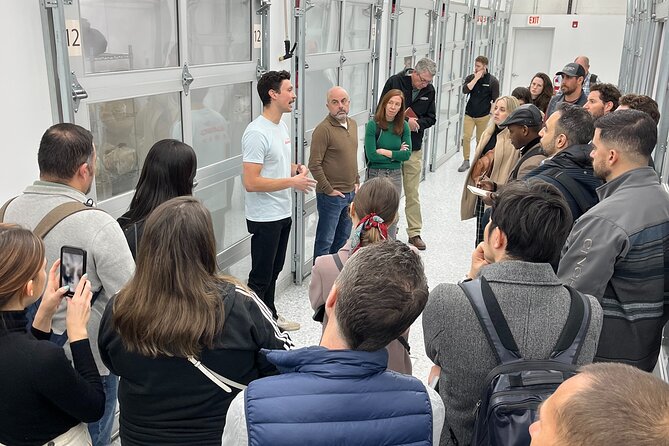
This is a one-stop experience focused on production inside the facility, and the tour follows the mushroom growing process in sequence. That’s the smart part. You don’t bounce around randomly—you see the workflow from raw inputs to finished product.
You can expect to learn about the steps behind growing gourmet specialty mushrooms:
Substrate preparation: bagging, sterilizing, and inoculating
You’ll start with the foundation: raw substrate. The tour explains how it gets bagged and sterilized, then inoculated. Those steps are not just “science for science’s sake.” Sterilization and proper inoculation are part of keeping the growing system clean so the mushrooms you want can take hold.
Even if you’re not a science person, the key idea lands fast: the facility is engineered for consistency. That’s why indoor agriculture can supply restaurants and retailers without waiting for the weather to cooperate.
Incubation staging: setting up the conditions to grow
Next comes incubation staging. This is where the tour helps you connect cause and effect. Mushrooms don’t just appear after sterilization. They need a controlled phase where they can develop properly before fruiting begins.
The value here is learning how timing and condition management affect outcomes. You start to understand why mushrooms are a great example of controlled environment agriculture: they respond to controlled conditions in a way you can plan around.
Grow rooms for fruiting: where the mushrooms actually form
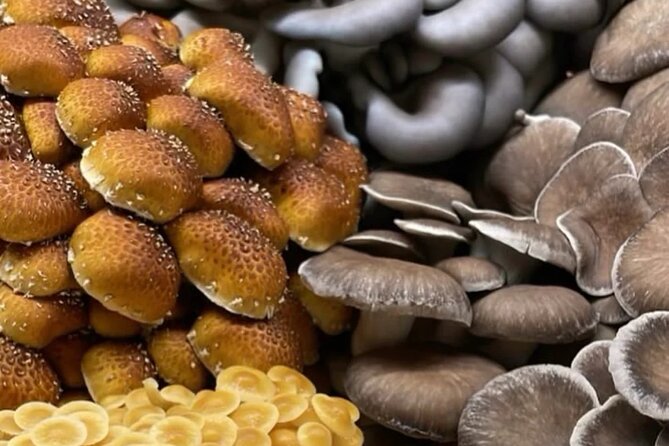
Then you move into the grow rooms, where fruiting happens. This is the moment where the explanation turns visual. Instead of talking abstractly about growth, you see what fruiting looks like and how the facility supports that stage.
This is also where a lot of the tour’s “aha” energy tends to happen. If you’ve ever wondered why mushrooms in shops look uniform, this part helps explain it. Uniformity often comes from controlled conditions and planned workflows.
Packaging for retail and wholesale across Chicagoland
Finally, you’ll see how the product is handled after harvest—specifically, how it gets packaged for retail and wholesale customers throughout Chicagoland.
That end-of-line part can be surprisingly interesting. It ties the farm work to real demand. You’re not only learning how mushrooms grow—you’re learning how a production facility gets food into the supply chain that restaurants and stores rely on.
The regenerative agriculture angle (and why it matters to you)
The tour also includes a sustainability theme, focusing on regenerative agriculture and how mushroom cultivation plays a critical role. The wording is specific, but the takeaway is practical: the facility presents mushrooms as part of a wider story about better food systems.
Even if you don’t walk out with new theories, you’ll probably walk out with better context. Mushrooms are often framed as a flexible crop that can fit into responsible production models, and this tour explains that idea in the setting where the production actually happens.
This is one of the reasons the experience tends to work well for adults. It’s not just a facility tour; it’s a chance to connect your curiosity about food with an actual operation that produces a product for a local market.
What stands out from the experience quality
Based on the overall rating, the strongest praise is consistent: people feel they learn a lot about mushrooms. The tour’s format seems to do that job well—clear steps, visible stages, and enough detail to satisfy real curiosity.
Another frequently valued element is the Chicago connection. You don’t just hear about mushrooms in isolation. You learn how the organization interacts with the restaurant scene and how that affects the production and packaging side of the operation.
One more pattern worth noting: this is an informative, grownup-leaning tour. That doesn’t mean it’s hostile to kids, but it does mean young children may have a shorter attention span for technical explanations. In one family experience, kids aged 5 and 3 came along and were curious—wanting to touch equipment like a forklift—though no major disruption happened. The main point: plan on supervision and expect that the environment is working-production focused.
Who this tour is best for (and who should rethink)
This tour is a strong match if you like:
- food systems and how they work in real life
- controlled environment agriculture concepts (even at a beginner level)
- learning why specialty mushrooms can be produced reliably in a city
- a small-group, inside-the-facility feel rather than a general museum-style experience
It may be less ideal if you want:
- a slow, leisurely “farm visit” vibe
- lots of open space to roam
- a hands-on animal or pet experience
- content aimed mainly at very young children
If you’re traveling with kids, you can still consider it, but keep expectations aligned. The best-case scenario is a child who’s genuinely interested in how food is made, plus a parent ready to manage curiosity around equipment.
Timing tips for a smoother 12:00 pm experience
Because this starts at 12:00 pm, it’s worth planning your day so you’re not rushing from a distant stop. Arriving early helps you settle down and keeps you from feeling behind during the first part of the tour.
Also, since the tour is about 60 minutes of guided time inside a production facility, wear comfortable shoes. You’ll likely move through different areas and want to be steady and ready to look where the guide directs your attention.
If you’re a note-taker, bring something simple. The steps—sterilization, inoculation, incubation, fruiting, packaging—are easier to remember when you capture a quick outline.
Quick FAQ for planning your visit
FAQ
Where does the tour start?
The meeting point is 320 N Oakley Blvd, Chicago, IL 60612, USA.
What time does the experience begin?
The listed start time is 12:00 pm.
How long is the tour?
It’s listed as about 1 hour 30 minutes total, with the guided tour described at around 60 minutes.
How much does it cost?
The price is $20.00 per person.
What language is the tour offered in?
The tour is offered in English.
Do I get a ticket on my phone?
Yes. It’s listed as a mobile ticket.
How big is the group?
The tour has a maximum of 25 travelers.
Will I get confirmation after booking?
Yes, confirmation will be received at time of booking.
Can I cancel for free, and how late?
Free cancellation is available. You can cancel up to 24 hours in advance for a full refund.
Should you book this Chicago indoor mushroom farm tour?
I’d book it if you want an honest look at how gourmet mushrooms are grown and how that work turns into packaged products for real Chicago businesses. The strong point is the step-by-step production flow, plus the extra context on regenerative agriculture and local food supply.
Skip it if you’re mainly hunting for a casual outdoor farm atmosphere or a kid-focused show. This is a production tour with technical content and a working facility feel.
If you do book, treat it like a food-systems visit, not a scenic stop. Arrive a bit early, wear comfortable shoes, and come ready to learn how the mushroom process actually works—from bagging to boxes.
The Wider Chicago Shortlist
- Chicago Architecture River Cruise★ 5.0 · 15,756 reviews
- Chicago River 90-Minute Architecture Tour★ 4.5 · 9,629 reviews
- Chicago River: 1.5-Hour Guided Architecture Cruise★ 4.8 · 8,046 reviews
- Chicago: Gangsters and Ghosts Walking Tour★ 5.0 · 7,155 reviews
- Chicago Architecture Center River Cruise aboard First Lady★ 5.0 · 5,536 reviews