
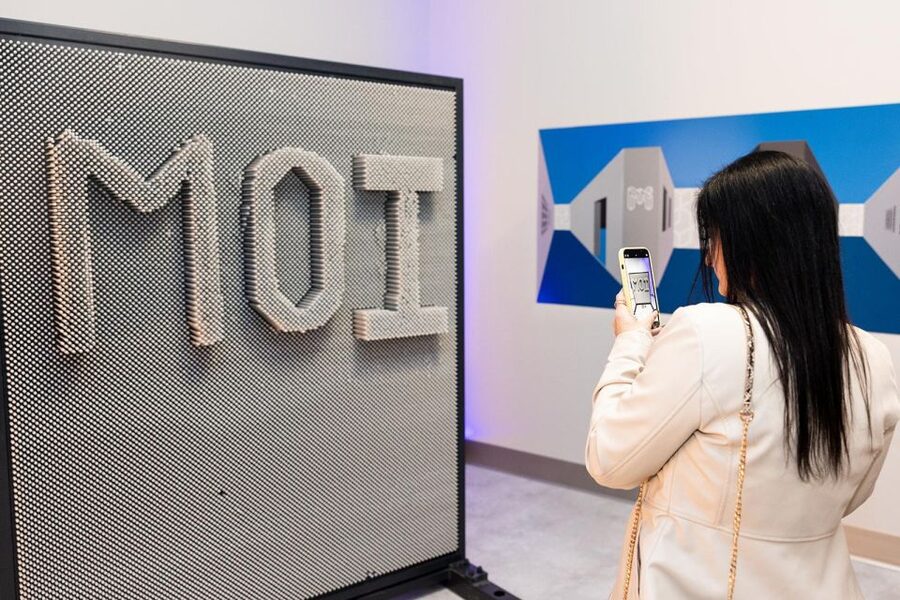
REVIEW · CHICAGO MUSEUMS & TICKETS
Chicago: Museum of Illusions Timed Entrance Ticket
If your eyes and brain argue a little, you’ll fit right in at the Museum of Illusions in the Chicago Loop. I like that this is a short, ticketed visit with plenty to do, and I also love the mix of big illusion rooms (tilt, rotate, scale) with hands-on puzzles that keep it from feeling like a one-note photo set. One possible drawback: at about 45 to 60 minutes, you’ll need to choose your favorites if you’re a slow wanderer with lots of picture breaks.
In This Review
- What you’re really paying for
- Quick hits before you go
- Museum of Illusions in the Chicago Loop: what you’re actually buying
- The timed entrance reality: how to plan around 45–60 minutes
- Your walk through the illusion rooms (Tilted to Infinity)
- Tilted Room: defying gravity on purpose
- Ames Room: grow and shrink
- Rotated Room: walking on walls
- Infinity Room: infinite space, staged for your camera
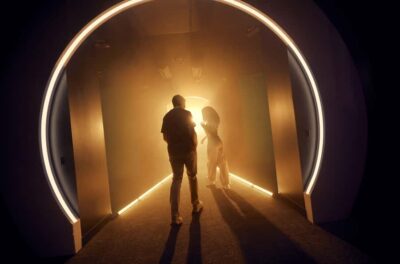
- Vortex Tunnel: your perception gets pulled around
- Beuchet Chair: a pose that messes with your body
- Clone Table: meet your double
- Smart Playroom: memory and cognition puzzles that feel like games
- Photo-ops you can enjoy without turning it into a chore
- Price and value: is $40 worth it?
- Who this is best for (and who might find it too short)
- Tips to make the most of your hour
- Go in with a “must-do list”
- Give yourself a calm pace for the photo rooms
- Use the Smart Playroom as your second wind
- Remember the food rule
- Should you book the Museum of Illusions ticket?
- FAQ
- How long does the Museum of Illusions visit take?
- What does the ticket include?
- Is food and drinks allowed during the visit?
- How does check-in work?
- Do children need tickets?
- Is the museum wheelchair accessible?
What you’re really paying for

This ticket gets you 60+ exhibits plus the chance to hit the stand-out rooms like the Tilted Room, Ames Room, Rotated Room, Infinity Room, Vortex Tunnel, Beuchet Chair, and Clone Table. I especially like that you’re not just looking—you’re testing perception, memory, and cognition in the Smart Playroom, which is a fun way to make kids and adults work as a team. The only big consideration is the food situation: food and drinks aren’t allowed, so plan around that before you go.
Quick hits before you go
- Timed entrance in the Chicago Loop means you can plan your day without wasting a whole morning waiting.
- 60+ exhibits across illusion zones and photo-ops gives you a lot of variety for the price.
- Signature rooms like the Tilted Room, Ames Room, and Rotated Room turn perception into something you can pose with.
- Smart Playroom adds memory and cognition puzzles, with friendly competition built in.
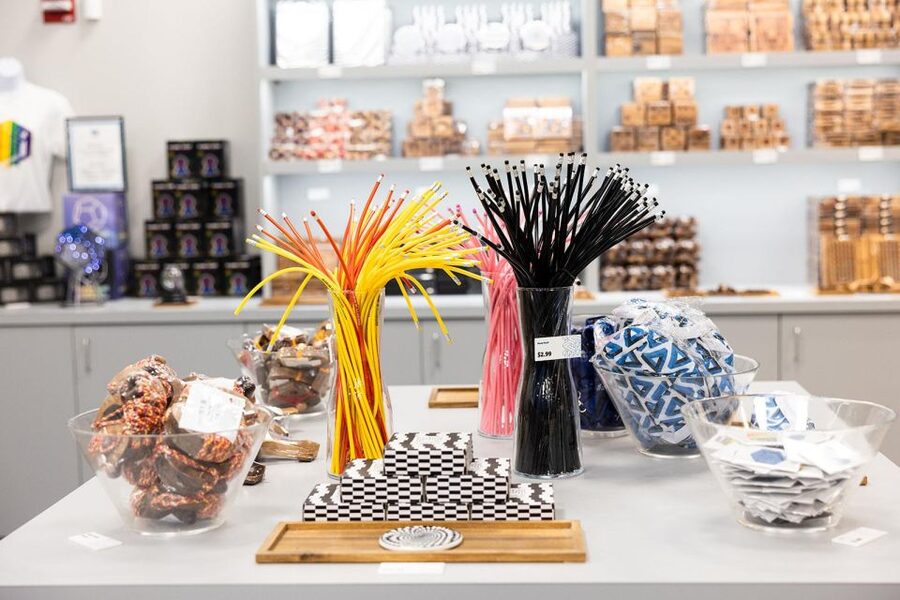
- Onsite Smart Shop lets you buy games from the playroom and MOI merchandise if your brain gets addicted.
More museum hours for a windy day
Museum of Illusions in the Chicago Loop: what you’re actually buying
You’re buying a timed entrance ticket to the Museum of Illusions Chicago, located in the heart of the Chicago Loop. The museum is the “new and improved” version and the experience is described as adding more space—so you’re not squeezing into a tiny layout. The big promise is simple: your eyes will keep getting outvoted by your brain.
For $40 per person (local taxes and fees included), the value comes from the sheer number of hands-on exhibits—60+—and the fact that many are interactive. If you’ve ever paid museum money and then mostly walked past displays, this is the kind of stop that tries to keep you moving. Expect lots of “wait, why did that happen?” moments, and lots of photo angles that look good without feeling like a forced gimmick.
This is also a smart “family day” option because it doesn’t demand quiet museum behavior. You’re meant to experiment with perception, defy gravity-type effects, and generally act like a kid with a camera. The ticket includes all exhibitions, so you don’t have to think about add-ons once you’re inside.
The timed entrance reality: how to plan around 45–60 minutes

The ticket is valid only for the date and time you booked, with visits typically available in the morning, afternoon, or evening. That time slot matters because it’s how the museum schedules your entry. The practical part for your day: you can build this into a tighter Chicago itinerary without it turning into an all-day time sink.
Plan on about 45 to 60 minutes inside. That’s not a ton of time, so I treat this like a curated sprint: hit the big rooms first, then spend your remaining time where you’re having the most fun. If you have kids who want repeat rounds, decide early whether you’d rather re-do photos or shift to puzzles.
Check-in is straightforward: go to the front desk and mention your booking name. The host or greeter is English-speaking, and the museum is wheelchair accessible, so you can expect staff to guide you through arrival without drama.
Keep these Chicago backups on the shortlist too:
- Chicago: Willis Tower Skydeck and The Ledge Ticket
★ 4.6 · 4,350 reviews - Chicago: Architecture River Cruise Skip-the-Ticket Line
★ 4.8 · 4,325 reviews - Chicago: 360 CHICAGO Observation Deck Ticket
★ 4.5 · 3,173 reviews
Your walk through the illusion rooms (Tilted to Infinity)

The museum is organized like an illusion circuit, with each room trying to break the rules your brain expects. You’ll see at least a few signature zones called out by name, and each one is built around a specific trick: gravity, size, rotation, or infinite space.
Here’s how I’d approach the route so you don’t miss the best “wow” stops:
Tilted Room: defying gravity on purpose
The Tilted Room is all about your sense of balance and direction. Rooms like this are designed to make your brain predict what your body should feel, then throw you off. You’ll likely want a few photos here because the effect reads instantly on camera.
Ames Room: grow and shrink
In the Ames Room, the scale illusion is the main event—designed to make you look like you’re growing or shrinking depending on where you stand. The key is not rushing. Take a position, then move with intent so you can see the change happen clearly.
Rotated Room: walking on walls
The Rotated Room is the one that makes people laugh, because the whole setup is meant to trick your eyes into believing walls are floors (or close enough). It’s a great stop for families because everyone can take a turn trying it, and it usually becomes a group photo magnet.
Infinity Room: infinite space, staged for your camera
The Infinity Room focuses on the idea of endless depth. Even if you’re familiar with infinity mirrors, the museum format still makes it feel like a true scene rather than just a trick. Give yourself a little time here—this is where you’ll likely want to adjust lighting, angles, and distance.
Vortex Tunnel: your perception gets pulled around
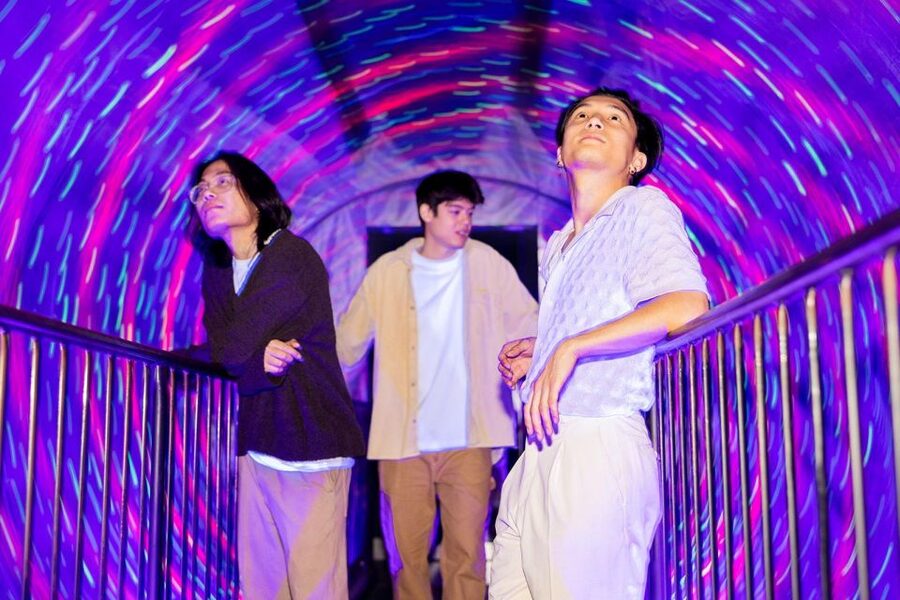
The Vortex Tunnel is built to confuse your sense of motion and direction. These optical illusions often work by creating strong visual cues that your brain can’t fully reconcile. It’s the kind of room that feels different in person than it does in photos, which is a nice reminder that you’re there to experience it, not just document it.
Beuchet Chair: a pose that messes with your body
The Beuchet Chair is designed for a specific kind of photo and a specific kind of disbelief. It’s meant to mess with proportion and perspective, so your hands and face become part of the illusion. It’s one of those spots where you’ll see people try the same pose three times, tweaking their angle until it lands.
Clone Table: meet your double
At the Clone Table, you’ll run into a doppelganger-type effect—your look-alike appears as part of the illusion setup. This room tends to be a favorite for families because it’s immediate and repeatable: you move, the effect responds, and suddenly you’re doing a mini “who’s who” photo shoot.
If you’re short on time, I’d prioritize the rooms above because they’re named for a reason: they’re the strongest audience magnets and the quickest to understand from your first second inside.
Smart Playroom: memory and cognition puzzles that feel like games
After you’ve worked your way through the big illusion rooms, there’s the Smart Playroom. This is where the experience moves from visual tricks into brain games: memory and cognition puzzles, with problem-solving challenges and quick mental tasks.
What I like about this section is the balance. Visual illusions are fun, but they can become passive if you just stare. The Smart Playroom pushes you into active thinking—especially if you’re traveling with kids or friends who want to compete.
The setup also supports friendly competition. That matters because it turns “brain training” into something social and low-pressure. Even if you’re not a puzzle person, you’re likely to find a game that clicks after a few tries because the museum is set up to keep things playful.
And if you get hooked, there’s a Smart Shop onsite where you can buy many of the games you’ll see in the Smart Playroom, plus MOI merchandise. That’s handy if you want a souvenir that isn’t just a postcard.
Photo-ops you can enjoy without turning it into a chore
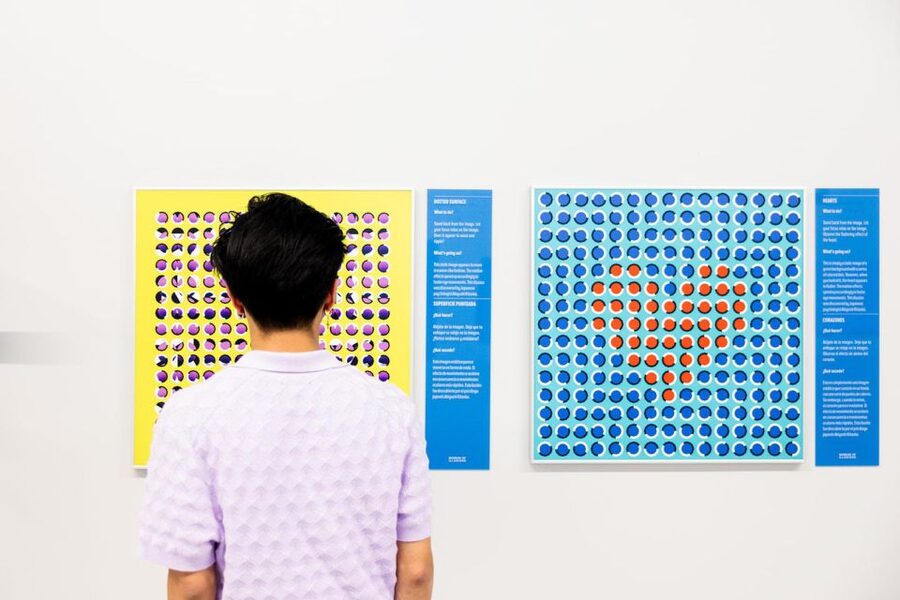
Yes, there are lots of photo opportunities. But the better story is that the museum’s layout is built for them—so you’re not stopping every five steps just to chase a pretty wall. The illusion rooms naturally create moments where your body position and camera angle both matter.
Here are a few practical things to keep your photos looking good and your visit moving:
- Choose one or two rooms for longer photos. Infinity Room and Rotated Room often benefit from extra takes, while other rooms can be quick hits.
- Move with the effect in mind. In Ames Room-style illusions, where you stand is basically the whole point.
- Use staff help if you’re solo. A solo visitor timed a visit so early that it was quiet, and the guide took their photo. That’s a good reminder: if you’re traveling alone, ask politely rather than wrestling with your phone for 20 minutes.
You’ll end up with plenty of images for your social feed, but the museum’s best photos usually come from interacting with the illusion—not from posing in front of it like it’s a backdrop.
Price and value: is $40 worth it?
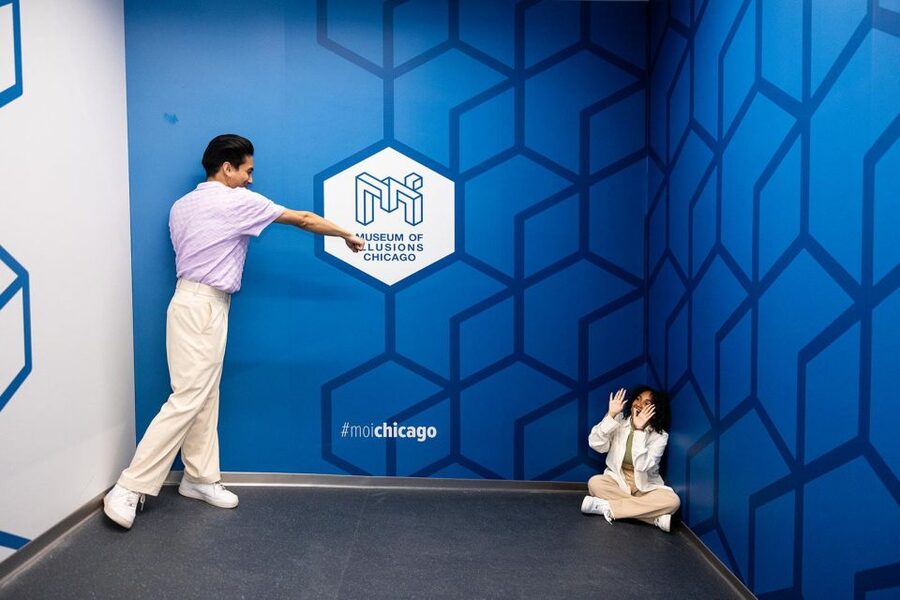
At $40 per person, this ticket isn’t the cheapest thing in Chicago. But the value argument is strong if you care about interactive exhibits. You’re not just paying for entry; you’re paying for a short run of multiple illusion types plus the Smart Playroom.
The key value points for me:
- 60+ exhibits in about an hour means a lot of content per time.
- Many exhibits are interactive, so you’re not just absorbing information.
- The museum includes a photo-friendly layout, which is part of why people enjoy this kind of museum so much.
If you’re a family, the math can feel easier because kids usually burn through attractions quickly. If you’re traveling solo and only like “serious” museums, you might want to be picky. But for most people—especially anyone who enjoys optical tricks—this is the kind of ticket that feels like you actually did something.
Also, children 4 and under are free and don’t need a ticket, which is a genuine cost saver for families.
Who this is best for (and who might find it too short)

This experience is built for mixed ages. The highlights point to defying gravity-style fun, growing and shrinking effects, and walking-on-walls illusions—things that kids understand instantly and adults find oddly satisfying. If your group includes both skeptical teenagers and enthusiastic little kids, this museum usually works.
It’s also a nice choice for:
- Families looking for something downtown that’s not a long sit-down affair
- Friends who want a shared activity with plenty of laughs and photos
- Solo travelers who enjoy interactive attractions and don’t mind moving through a timed circuit
Who might hesitate:
- If you only want museums with deep historical context, you may prefer a different Chicago stop. This one is about perception and how your brain interprets reality, not long lectures.
- If 45–60 minutes feels too rushed, you can still enjoy it, but you’ll likely want to pick your top rooms and commit to them.
Tips to make the most of your hour
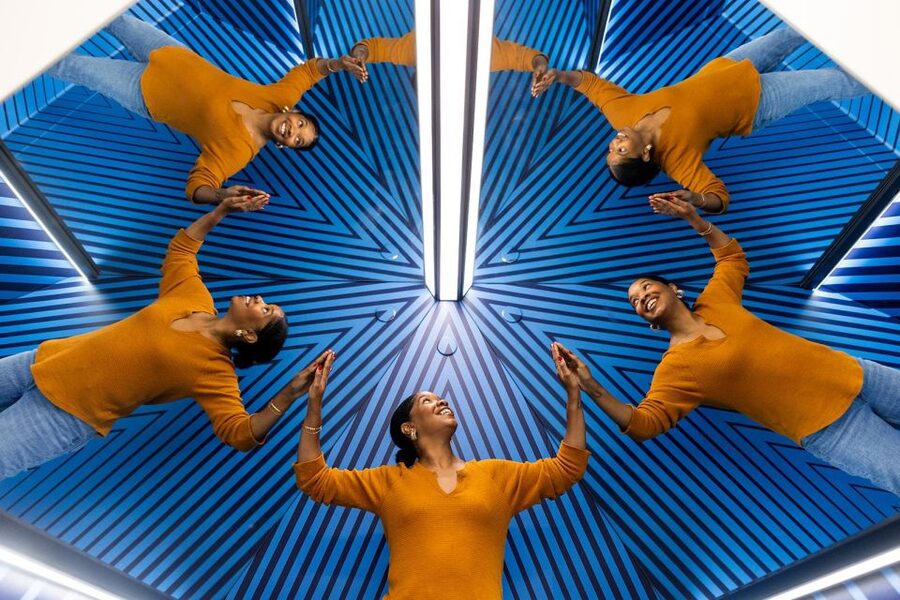
You don’t need a complex strategy, but a few small moves help:
Go in with a “must-do list”
Pick your top rooms: for most people, that’s Tilted Room, Ames Room, Rotated Room, and Infinity Room. Then you have a plan when time gets tight. It keeps you from drifting when you should be taking your best shots.
Give yourself a calm pace for the photo rooms
Some illusions are quick. Others benefit from breathing room. I’d treat Infinity Room and Vortex Tunnel as the spots where you slow down, because your eyes and your camera both need a moment to catch what’s happening.
Use the Smart Playroom as your second wind
If your brain feels fried from optical tricks, the Smart Playroom can feel like a fun reset—then you go back to photos with more energy. It’s also a good place to involve everyone, since you can rotate turns on the games.
Remember the food rule
Food and drinks aren’t allowed. That matters because it changes what you should do before and after your visit. If you’re tempted to pack snacks, don’t—build your meal plan around the museum time.
Should you book the Museum of Illusions ticket?
I’d book this if you want a fun, interactive Chicago Loop experience that’s easy to fit into a day and delivers plenty of memorable moments in under an hour. The standout rooms—Tilted, Ames, Rotated, Infinity, Vortex Tunnel, Beuchet Chair, and Clone Table—are built for both the brain and the camera, and the Smart Playroom adds a solid “thinking” layer so it’s not only visual tricks.
I wouldn’t book it if you hate short ticketed visits, don’t like hands-on experiences, or need on-site food because you might feel constrained by the food and drink rule. But for most families, couples, and curious solo travelers, this is a strong pick for downtown.
If you want my rule of thumb: if you like the idea of testing how your eyes work against your brain, this is a yes. If you’re looking for a quiet, slow museum with minimal posing, you’ll probably be happier elsewhere.
FAQ
How long does the Museum of Illusions visit take?
You should plan for about a 45 to 60-minute experience inside the museum.
What does the ticket include?
The ticket includes entrance to the Museum of Illusions Chicago and all exhibitions, plus local taxes and fees.
Is food and drinks allowed during the visit?
No. Food and drinks are not allowed.
How does check-in work?
Check in at the front desk and mention your booking name when you arrive.
Do children need tickets?
Children 4 and under are free and do not need a ticket.
Is the museum wheelchair accessible?
Yes, the museum is wheelchair accessible.
Ticket Stubs for Chicago
- Chicago: Willis Tower Skydeck and The Ledge Ticket★ 4.6 · 4,350 reviews
- Chicago: Architecture River Cruise Skip-the-Ticket Line★ 4.8 · 4,325 reviews
- Chicago: 360 CHICAGO Observation Deck Ticket★ 4.5 · 3,173 reviews
- Medieval Torture Museum Ticket with Audio Guide and Ghost Hunting★ 5.0 · 962 reviews
- Chicago: Field Museum of Natural History Ticket or VIP Tour★ 4.7 · 717 reviews
The Wider Chicago Shortlist
- Chicago Architecture River Cruise★ 5.0 · 15,756 reviews
- Chicago River 90-Minute Architecture Tour★ 4.5 · 9,629 reviews
- Chicago River: 1.5-Hour Guided Architecture Cruise★ 4.8 · 8,046 reviews
- Chicago: Gangsters and Ghosts Walking Tour★ 5.0 · 7,155 reviews
- Chicago Architecture Center River Cruise aboard First Lady★ 5.0 · 5,536 reviews
Museum Campus and Beyond
- Medieval Torture Museum Ticket with Audio Guide and Ghost Hunting★ 5.0 · 962 reviews
- Chicago: Field Museum of Natural History Ticket or VIP Tour★ 4.7 · 717 reviews
- Field Museum of Natural History Admission Tickets★ 4.5 · 489 reviews
- Skip-the-line: Art Institute of Chicago Guided Tour★ 5.0 · 417 reviews
- Museum of Ice Cream Chicago Admission Ticket★ 3.5 · 396 reviews
The Ink Is Still Wet on These Chicago Reviews




Chicago Museums & Tickets, compared.
 ★ 5.0Medieval Torture Museum Ticket with Audio Guide and Ghost HuntingFrom $35962 reviews
 ★ 4.7Field Museum of Natural History Ticket or VIP TourFrom $29717 reviews
 ★ 4.5Field Museum of Natural History Admission TicketsFrom $29489 reviews
 ★ 5.0Skip-the-line: Art Institute of Chicago Guided TourFrom $71417 reviews
 ★ 3.5Museum of Ice Cream Chicago Admission TicketFrom $43396 reviews
 ★ 4.41-5 Day Attraction Pass with Shedd AquariumFrom $139372 reviews
 ★ 4.8Flyover in Chicago: An Immersive Flying Theatre ExperienceFrom $38362 reviews
 ★ 5.02-Hour Chicago Lakefront & Museum Campus Segway TourFrom $64345 reviews
Browse the lists this tour appears in