
REVIEW · GANGSTER & MOB TOURS
Chicago: Mobsters and Movies Walking Tour
Capone meets the red carpet on Chicago streets. This Mobsters and Movies tour connects real gangster history with famous film locations, using the downtown blocks that turned into sets for movies you know. You’ll start at the Chicago Riverwalk and follow a story line that moves from true crime to cinematic moments without slowing down.
I especially like the trained historian tour guides who keep the talk grounded in specific characters and places, not generic legends. I also love the stop inside the former Chicago Public Library, where the largest Tiffany glass dome turns a movie-worthy interior into something you can actually see. One catch: the tour isn’t suitable for people with a cold, so plan around that.
In This Review
- Key things to know before you go
- Mobsters and movies in one tight 2-hour Chicago loop
- The route: from Chase Bank and the Riverwalk to the Public Library
- Real mob haunts along the Riverwalk corridor
- Underground tunnels tied to The Outfit
- Dillinger’s last meeting and the crime-to-cinema connection
- Picasso statue filming location and why it matters for movie fans
- The business district backdrop: Dark Knight and Untouchables territory
- Architectural interiors: where the tour turns stories into scenes
- Art Institute hints: how to make your museum time pay off
- Ending at The Untouchables and stepping into the Tiffany dome
- Price check: is $35 good value for what you get?
- Who this tour fits best in your Chicago plans
- Should you book Mobsters and Movies?
- FAQ
- What’s the duration of the Chicago Mobsters and Movies walking tour?
- Where do I meet the tour guide?
- How much does it cost?
- Is the tour wheelchair accessible?
- What language is the tour offered in?
- What mobsters and movies are covered?
- Is souvenir photography included?
- Is the tour suitable if I have a cold?
- Can I cancel or pay later?
Key things to know before you go
- Capone, Dillinger, and The Outfit are tied to the same downtown locations used in major films
- Underground tunnels connected to the Chicago Outfit add a genuinely spooky “how did this work” angle
- Inside stops include interiors tied to both mob plots and movie crews
- Big-screen Chicago titles you’ll recognize include The Dark Knight, The Fugitive, The Blues Brothers, Ferris Bueller’s Day Off, and The Untouchables
- The route ends at a The Untouchables filming location and then continues indoors at the former Chicago Public Library
Mobsters and movies in one tight 2-hour Chicago loop
Chicago does crime stories and movie magic better than most cities, and this tour is built around that overlap. In two hours, you’ll move through a stretch of downtown that connects real-life gangsters—think Al Capone, John Dillinger, and The Outfit—to film scenes from major titles.
What makes the concept work is that it’s not just “there’s a statue that appeared in a movie.” It ties specific people and events to specific corners, buildings, and interiors, then shows you how filmmakers used the same areas to sell the story.
You also get a guide format that’s set up for this mix. The tour includes trained historian tour guides, and they’re expected to connect true crime history with film facts in a way that’s meant to feel practical and grounded.
Capone country, covered a few more ways
The route: from Chase Bank and the Riverwalk to the Public Library
Your tour starts at Chase Bank at the corner of State and Wacker, which is a handy downtown anchor point. From there, you’ll begin at the Chicago Riverwalk and work your way through a corridor of power where both real events and movie scenes share the same real estate.
The pacing is designed for a short visit. The total time is 2 hours, and it’s usually available in the afternoon, so it fits well if you already plan a main sightseeing block for the morning.
Expect the route to include both outdoor streets and indoor stops. That matters because part of the value here is stepping into spaces where the tour says real mob activity and film production happened, then seeing how the setting translates to a camera view.
Real mob haunts along the Riverwalk corridor
Early on, you’ll focus on the downtown waterfront area around the Riverwalk, using it as the opening thread for the tour’s stories. The point isn’t just location spotting. It’s learning how gangland figures moved through Chicago and how that same downtown corridor became a natural backdrop for movie-making.
As you walk, you’ll hear behind-the-scenes style storytelling that links real cases to the way movies build tension. That’s one of the tour’s strengths: you’re not only identifying movie sites, you’re getting the “why this place made sense” factor that makes the history feel more physical.
The tour also sets up a variety of tones. It moves from serious true crime to lighter pop-culture references, including a stop that ties into Ferris Bueller’s Day Off, and later shifts toward darker superhero territory with The Dark Knight.
More corners of Chicago you saw on screen
- Chicago Fire TV Show Set Tour
★ 5.0 · 68 reviews - Chicago Fire TV Show Set Tour
★ 4.9 · 43 reviews - Ferris Bueller Movie Tour at the Art Institute of Chicago
★ 5.0 · 26 reviews
Underground tunnels tied to The Outfit
One of the most interesting parts of the tour is the stop involving underground tunnels used by the Chicago Outfit. Even if you already know Chicago has a layered underworld, this is where the tour’s theme turns from “history talk” into “place you can picture.”
Tunnels are a great storytelling tool because they create a believable sense of secrecy and control. On a walking tour, that kind of detail helps you connect the dots between what you see above ground and what the tour claims was happening below.
This is also where the tour’s two-for-one format stays honest. You don’t just get a movie reference. You get a real method of movement and planning, and then you can compare how movies use similar ideas to build suspense.
Dillinger’s last meeting and the crime-to-cinema connection
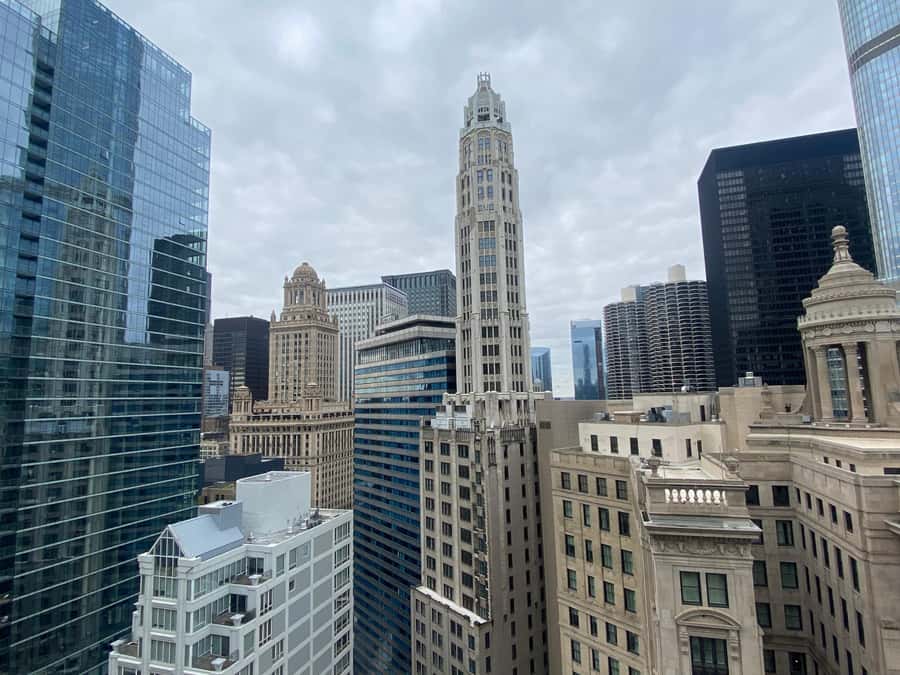
The tour includes a stop at where John Dillinger saw his girlfriend for the very last time. That’s a specific true crime reference, and it tends to sharpen the whole experience. Instead of staying in general “gangster vibes,” you’re tied to a moment with a clear emotional weight.
From there, the tour shifts toward movie locations in the same corridor of downtown drama. You’ll connect the realism of the crime stories to scenes from movies that used Chicago streets to sell danger and urgency.
If you like your history with clear names and clear places—especially Dillinger—this section is likely to be a highlight.
Picasso statue filming location and why it matters for movie fans
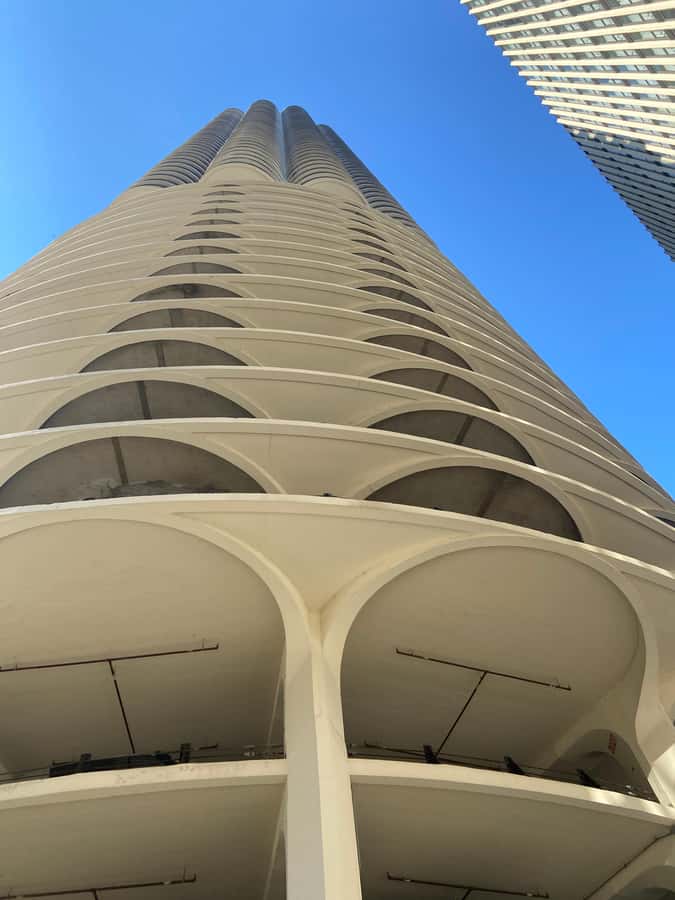
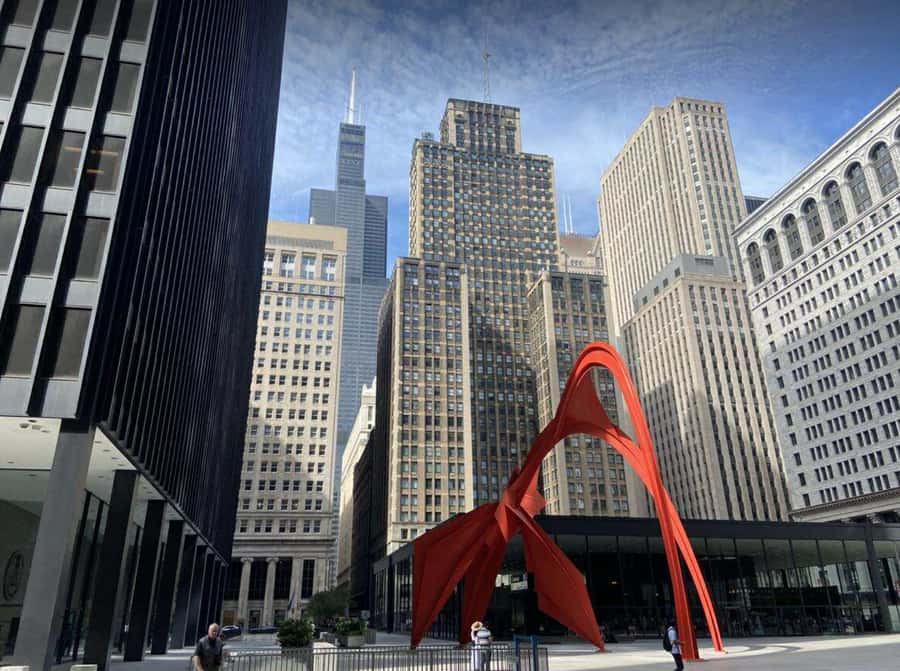
At some point, you’ll visit the Picasso statue, identified by the tour as a filming location for some of Chicago’s most famous movies. This kind of stop is valuable because it gives you an easy visual anchor.
A statue is also a good “film memory” trigger. If you’ve seen crime scenes or big downtown moments on-screen, seeing the actual public landmark helps you understand why filmmakers might choose it: it reads instantly on camera, even years later.
The tour uses this stop to keep the movie references frequent and recognizable—rather than treating film as a separate add-on.
The business district backdrop: Dark Knight and Untouchables territory
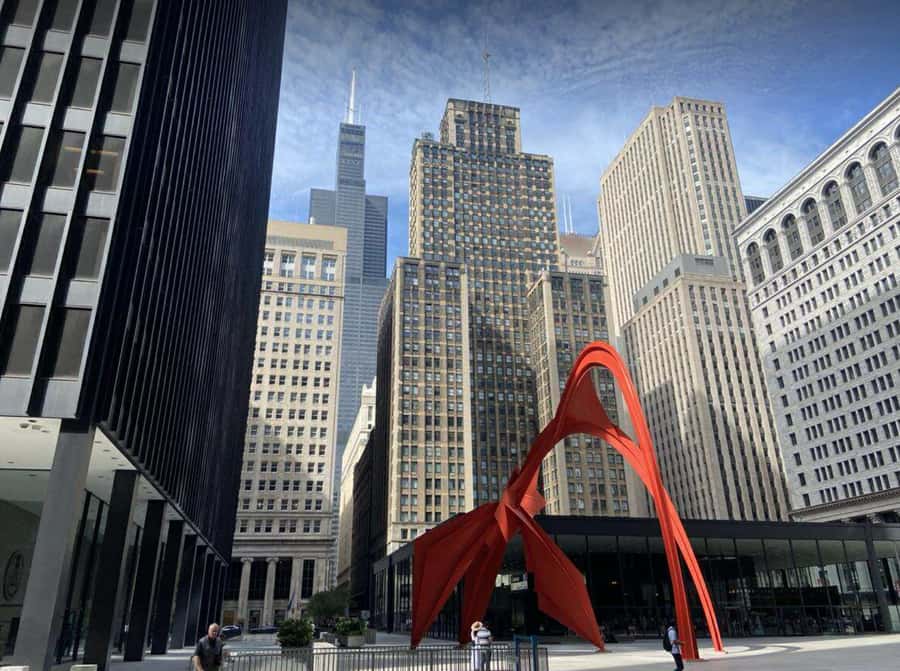
As the tour moves into the business district, it leans into the way Chicago looks when filmmakers want power, authority, and high stakes. This area is presented as a backdrop for movies including _The Dark Knight_ and _The Untouchables_.
That’s not just a film trivia moment. It’s also a way to understand how a city’s image gets built. Downtown Chicago is the kind of place that can credibly play as multiple worlds, from real crime corridors to stylized cinematic danger.
In other words, this tour helps you notice the city like a director might. You start to see why certain streets and architectural lines show up again and again in movies: they already look like story structure.
Architectural interiors: where the tour turns stories into scenes
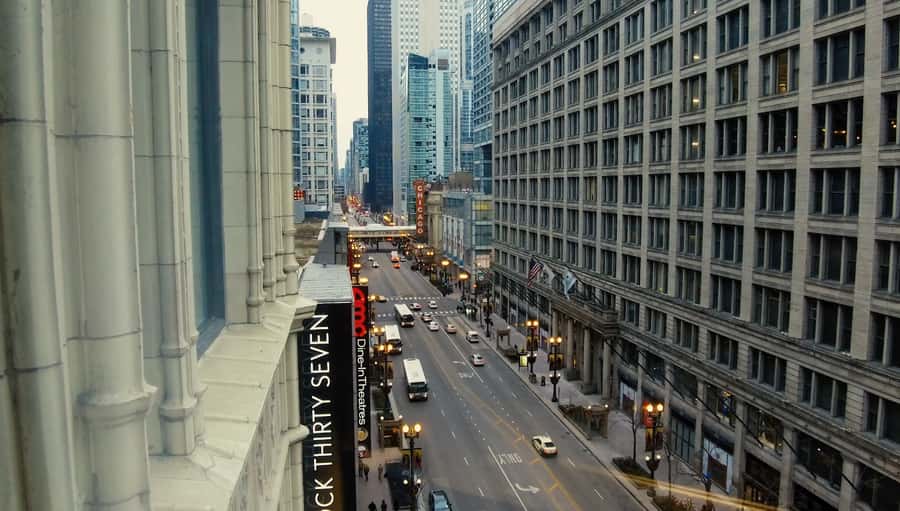
One of the best parts is that you get to see more than sidewalks. The tour says you’ll go into beautiful architectural interiors while uncovering famous Chicago mob characters along the way.
This matters because Chicago interiors are not props. They’re part of the city’s voice—space, light, and detail shape the mood of a story. If you’ve ever wondered why certain buildings look so cinematic, this kind of stop gives you a direct answer: the physical design does a lot of work for filmmakers.
The tour also explicitly connects interiors to both sides of its theme: the idea of real mobsters plotting and the reality of Hollywood crews bringing Chicago to the screen.
Art Institute hints: how to make your museum time pay off
The tour includes discussion of the Art Institute of Chicago and Chicago’s cultural mile, tying that to the crime stories you’re hearing. It also covers how to make the most out of a visit to the Art Institute to find art pieces used in famous movies.
Even if you don’t plan to go in that day, this “what to look for” advice can upgrade your next visit. Museums can be overwhelming because there’s so much to choose from, and this tour gives you a theme and a shortlist approach.
It’s a smart add-on for a tour like this because it turns a one-off walk into a longer “see it again” plan. You leave with a reason to go back and look more carefully.
Ending at The Untouchables and stepping into the Tiffany dome
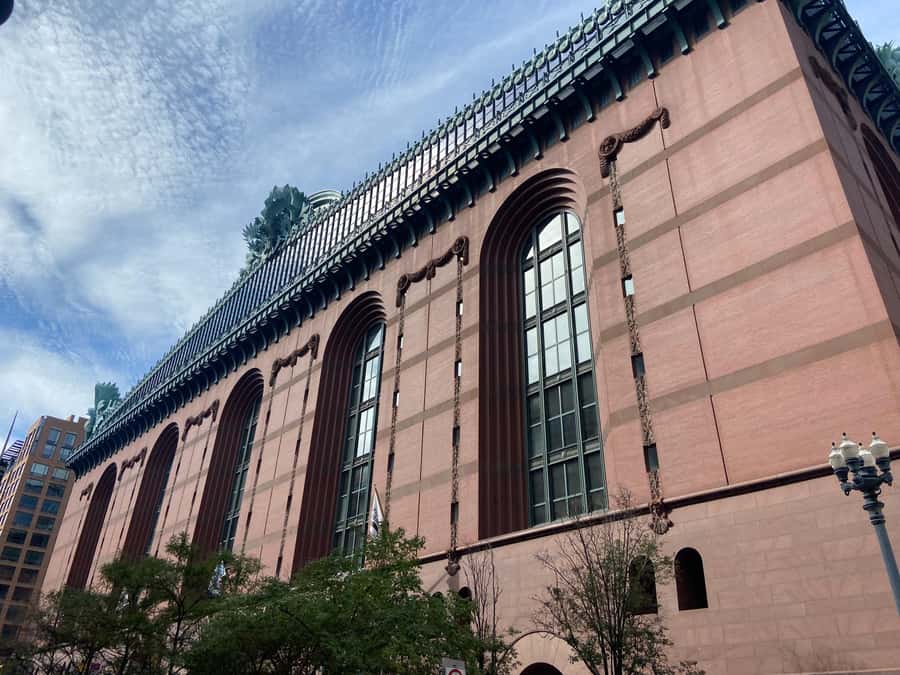
The tour ends at a filming location of the climactic scene for _The Untouchables_, then continues indoors. After that outdoor finale, you visit the architectural wonders inside the former Chicago Public Library, including the largest Tiffany glass dome in the world and other exhibits.
This is an excellent way to close a mob-and-movies story arc. You start with street-level drama and end with a high-impact interior that feels built for cinematic awe.
And it’s practical too: the dome is a landmark you don’t need to interpret. You can see it, stand near it, and let the visual effect land without any special context.
Price check: is $35 good value for what you get?
At $35 per person for 2 hours, this tour lands in the “worth it if it matches your interests” category. You’re paying for three things that are harder to replicate on your own: a themed route tied to named crime figures, frequent film location references, and access to indoor spaces.
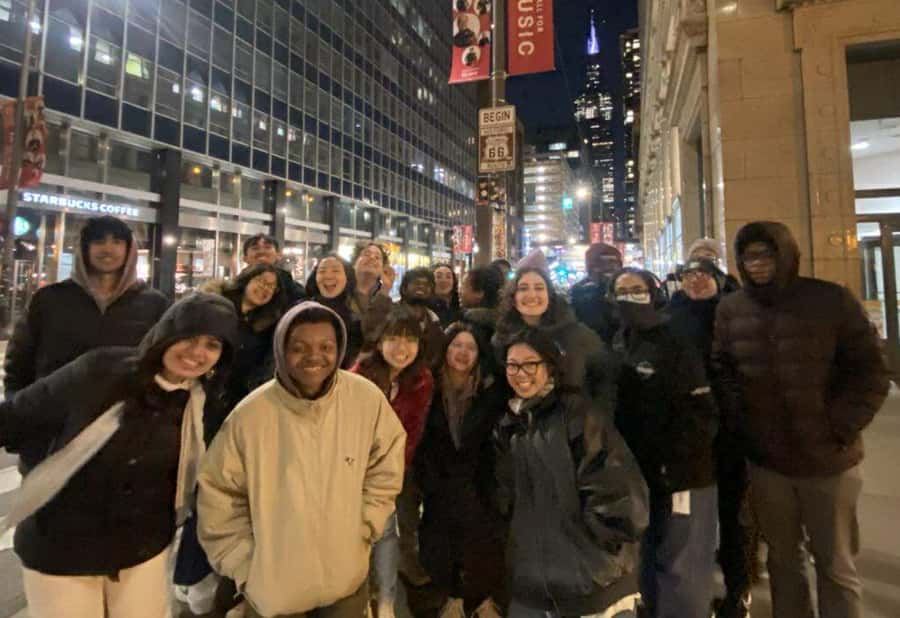
The included souvenir photos also add a small but real value piece. It’s not everything, but it’s part of why a short guided tour can feel like a complete experience rather than just walking from one landmark to another.
For balance: if you only care about movie locations and don’t want the true crime side, the tour may feel like it gives history equal time. If you only want gangster history and not film, you might wish it focused more on additional movie sites. That said, the mix is the entire point, so it’s best when you’re into both.
With a 4.9 average rating from 7 ratings, the signal is strong that the guides deliver a lively, organized experience with the right level of detail.
Who this tour fits best in your Chicago plans
This is a great fit if you’re the type who watches a movie and then wants to see the real street geometry behind it. It’s also a solid pick if you like your true crime history connected to physical places, not just names and dates.
You’ll probably enjoy it most if you’re comfortable with a downtown walking route and you want a guided story thread that connects Al Capone, John Dillinger, and The Outfit to pop culture titles like The Dark Knight and Ferris Bueller’s Day Off.
It’s also a good choice if you want indoor stops, since the tour includes interiors at key points—including the former Chicago Public Library.
Should you book Mobsters and Movies?
Book it if you want one focused, two-hour way to understand why Chicago became both a crime legend and a movie machine. The mix of true crime names, specific filming locations like the Picasso statue, and the end at the Tiffany dome makes it feel like more than the usual “stand and listen” walking tour.
Skip it if you’re dealing with a cold, since it’s not suitable for that. Also, if you know you only care about either true crime or movies, be aware the tour is designed to blend both, not split into separate tracks.
If your Chicago time is tight and you want a guided route that turns famous streets into story scenes, this one is a strong bet.
FAQ
What’s the duration of the Chicago Mobsters and Movies walking tour?
The tour runs for 2 hours.
Where do I meet the tour guide?
You meet at Chase Bank at the corner of State and Wacker.
How much does it cost?
The price is $35 per person.
Is the tour wheelchair accessible?
Yes, it’s wheelchair and ADA accessible, but no transportation or mobility devices are provided.
What language is the tour offered in?
The tour guide provides the tour in English.
What mobsters and movies are covered?
The tour covers Al Capone, John Dillinger, and The Outfit, and it includes movie references to _The Dark Knight_, _The Fugitive_, _The Blues Brothers_, _Ferris Bueller’s Day Off_, and _The Untouchables_.
Is souvenir photography included?
Yes. Souvenir photos are included.
Is the tour suitable if I have a cold?
No. It’s listed as not suitable for people with a cold.
Can I cancel or pay later?
It offers free cancellation up to 24 hours in advance for a full refund, and you can reserve now & pay later.
The Wider Chicago Shortlist
- Chicago Architecture River Cruise★ 5.0 · 15,756 reviews
- Chicago River 90-Minute Architecture Tour★ 4.5 · 9,629 reviews
- Chicago River: 1.5-Hour Guided Architecture Cruise★ 4.8 · 8,046 reviews
- Chicago: Gangsters and Ghosts Walking Tour★ 5.0 · 7,155 reviews
- Chicago Architecture Center River Cruise aboard First Lady★ 5.0 · 5,536 reviews
Chicago, As Seen on Screen
- Chicago Fire TV Show Set Tour★ 5.0 · 68 reviews
- Chicago Fire TV Show Set Tour★ 4.9 · 43 reviews
- Chicago Gangsters and Movies Tour★ 5.0 · 38 reviews
- Ferris Bueller Movie Tour at the Art Institute of Chicago★ 5.0 · 26 reviews
- Downtown Chicago TV and Movie Sites Guided Walking Tour★ 4.5 · 23 reviews
The Outfit Files
- Chicago: Gangsters and Ghosts Walking Tour★ 5.0 · 7,155 reviews
- Chicago Crime and Mob Bus Tour★ 4.5 · 3,186 reviews
- Chicago: Gangsters and Ghosts Guided Walking Tour★ 4.7 · 1,697 reviews
- Chicago: Mob and Crime Bus Tour★ 4.4 · 859 reviews
- Chicago Murder Mystery Tour★ 5.0 · 724 reviews
The Ink Is Still Wet on These Chicago Reviews


Gangster & Mob Tours, compared.
 ★ 5.0Gangsters and Ghosts Walking TourFrom $527,155 reviews
 ★ 4.5Chicago Crime and Mob Bus TourFrom $493,186 reviews
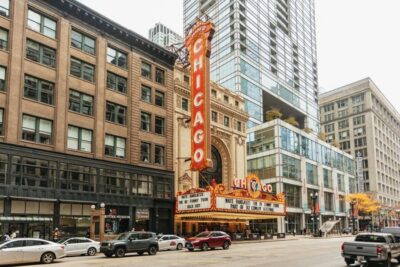 ★ 4.7Gangsters and Ghosts Guided Walking TourFrom $361,697 reviews
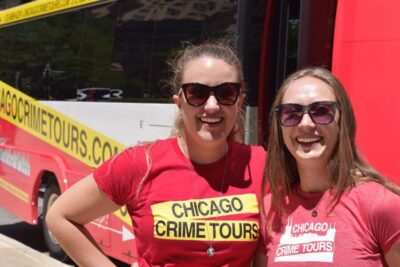 ★ 4.4Mob and Crime Bus TourFrom $49859 reviews
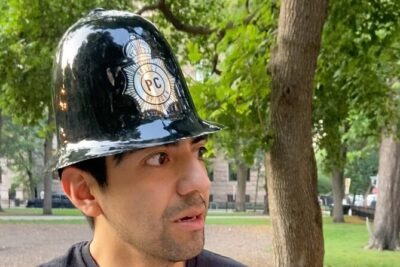 ★ 5.0Chicago Murder Mystery TourFrom $35724 reviews
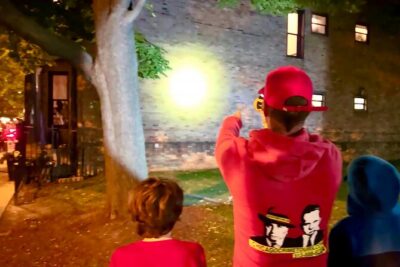 ★ 5.0Chicago Night Crimes Tour by BusFrom $55478 reviews
 ★ 5.0Chicago Gangster and Food Walking TourFrom $79471 reviews
 ★ 4.5Chicago Mobs and Haunts Walking TourFrom $34383 reviews
Browse the lists this tour appears in