
REVIEW · GANGSTER & MOB TOURS
Chicago Crimes Night Tour
Crime scenes, architecture, and laughs on one bus. I love that this tour stays comfortable in a luxury, climate-controlled coach while you move through multiple neighborhoods. I also like the live, interactive local guide who turns famous cases (from the 19th century through modern times) into something you can follow in real time. The one thing to plan around is that it’s English-only with no translation or audio help, and a few stops involve stairs.
If you’re into true crime, this is the kind of outing that gives you more than a list of names. You’ll hit the world-famous St. Valentine’s Day Massacre area, walk the final path connected to John Dillinger and Hymie Weiss, and stop for photo ops tied to the Chicago Mob. The mini mob museum is also a standout: it features gangster Frank Nitti’s safe and address book, plus a crime-quiz style interactive moment that keeps the pace quick for a 2-hour tour.
In This Review
- Key Things You Should Know Before You Go
- Why This 2-Hour Chicago Night Tour Works
- Getting Oriented: Meet at the Chicago Public Library Area
- Magnificent Mile to the Loop Edge: City Views With a Case in Mind
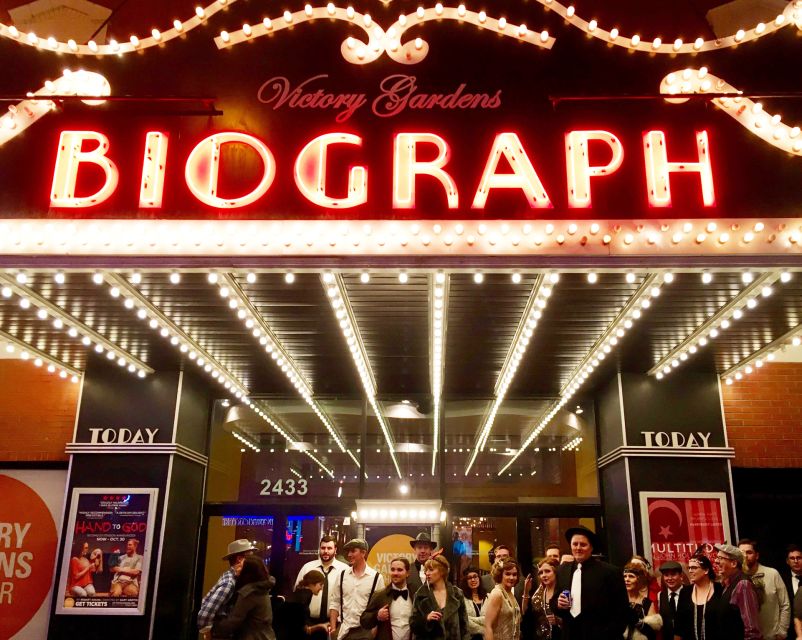
- Lincoln Park and Photo Stops: The Biograph Theatre Moment
- Harry Caray’s Area and Holy Name Cathedral: Landmark Stops in Mob Territory
- Historic Criminal Courthouse: The Drive-By That Sets the Tone
- Staking Out the Classic Locations: Biograph Theatre, Carbide and Carbon, and More
- The St. Valentine’s Day Massacre Site: A World-Famous Stop
- Dillinger’s Final Steps: Getting Off the Bus and Walking the Real Path
- Frank Nitti’s Safe and Address Book: The Mini Mob Museum Stop
- Gangster-Era Tunnels and Prohibition-Era Personalities
- The Crime Quiz Moment: Making It Stick
- Guides Like John, Javier, and Leah: Live Energy Matters
- Photo and Recording Rules: Plan Your Camera Time
- Where This Tour Fits Best (and Who Should Skip)
- Price, Value, and What You’re Really Paying For
- Should You Book the Chicago Crimes Night Tour?
- FAQ
- How long is the Chicago Crimes Night Tour?
- Where is the meeting point?
- Is the tour guided by a live person?
- Is there audio translation or headphones?
- Can I record video during the tour?
- Is food or drinks allowed on the bus?
- Is gratuity included in the price?
- Is the bus wheelchair accessible?
- What’s included with the tour?
Key Things You Should Know Before You Go
- Luxury, enclosed bus ride keeps the night part of Chicago comfortable.
- Live interactive guiding with on-the-spot commentary, not a prerecorded talk.
- Walk-and-see moments, including the path connected to John Dillinger and Hymie Weiss.
- Frank Nitti mini mob museum with his safe and address book on display.
- Crime quiz + historic video footage, so you’re actively paying attention.
- Prohibition Era stops and characters, woven into how Chicago became a crime magnet.
Why This 2-Hour Chicago Night Tour Works
The best crime tours don’t just point at plaques. They help you build a mental map: where things happened, who mattered, and why Chicago developed a reputation that spread far beyond Illinois. This tour hits that sweet spot by pairing city views with specific case locations, then using a guide to connect the dots with stories and historic footage.
At $55 for a 2-hour, bus-based night experience, the value is strongest if you want structure. You’re paying for a curated route, a guide who keeps things moving, and multiple stops (some from the bus, some off it) rather than trying to self-drive through scattered sites in the dark.
One practical note: the pace is designed for a group, so it’s not a slow stroll tour. You’ll get camera time at key photo stops, but you should still keep expectations realistic about how much you can linger.
Capone country, covered a few more ways
Getting Oriented: Meet at the Chicago Public Library Area
You meet at Water Works, Chicago Public Library, outside 163 E. Pearson Street at the southeast corner of Pearson and Michigan Ave. This matters because it sets you up for a ride that quickly shifts from downtown landmarks into the neighborhoods where the mob stories played out.
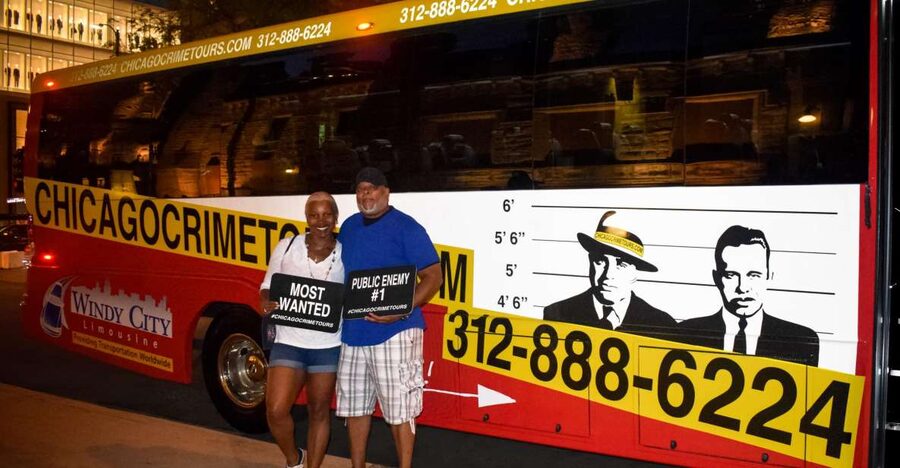
From there, you’re on a modern tour bus in a closed, temperature-controlled coach. That sounds small, but at night in Chicago it changes how the tour feels. You can focus on the commentary instead of bundling up every 10 minutes.
Magnificent Mile to the Loop Edge: City Views With a Case in Mind
Early on, you’ll pass key sights along the Magnificent Mile and around the Loop area, including the John Hancock Center. This is the part of the tour where the contrast starts to click: Chicago’s skyline and postcard views are happening at the same time criminals were making headlines and forcing Chicagoans to pay attention.
You’ll also get to see how architecture and street location shape the stories. Big buildings, major corridors, and busy intersections mattered for escape routes, visibility, and witnesses. Even if you’re not an architecture superfan, you’ll appreciate how the guide frames the city as a “character” in these crimes—not just a backdrop.
- Chicago Architecture River Cruise
★ 5.0 · 15,756 reviews - Chicago River 90-Minute Architecture Tour
★ 4.5 · 9,629 reviews - Chicago River: 1.5-Hour Guided Architecture Cruise
★ 4.8 · 8,046 reviews
Lincoln Park and Photo Stops: The Biograph Theatre Moment
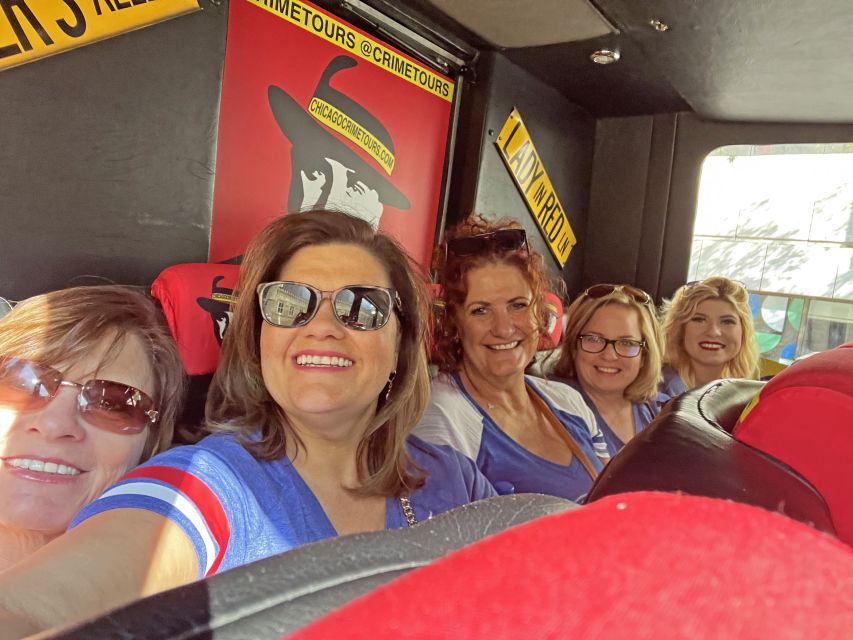
One stop you’ll specifically get for photos is the Biograph Theater. That’s a big deal for crime-history fans because it anchors the story in a place people can recognize and photograph.
You’ll also pass through the Lincoln Park area. The value here isn’t that the tour asks you to memorize neighborhood borders. It’s that you see how far-reaching Chicago’s crime lore is—how stories jump from entertainment zones to more residential-feeling areas as the night unfolds.
If you’re a first-time visitor, this portion helps you get your bearings fast: you’re not just driving in the dark. You’re learning where the action sits relative to the skyline.
Harry Caray’s Area and Holy Name Cathedral: Landmark Stops in Mob Territory
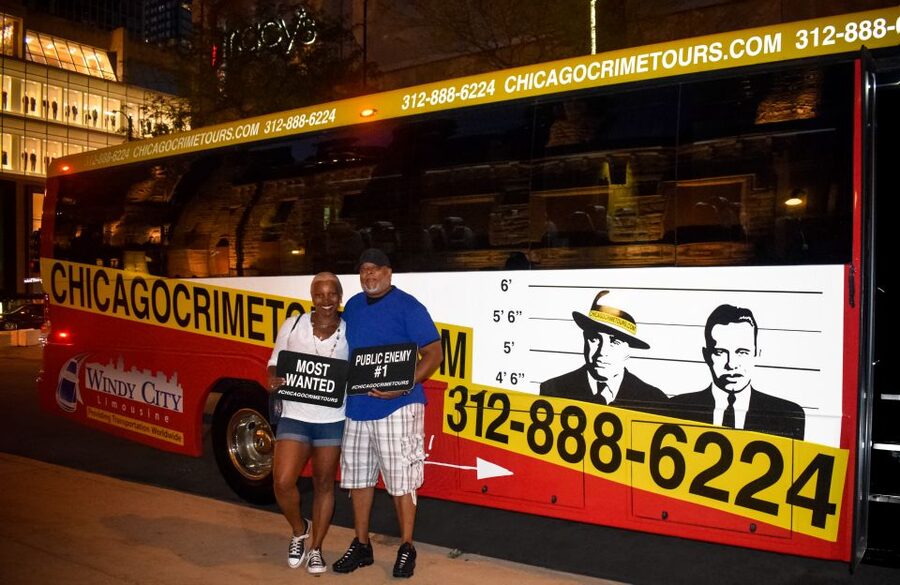
You’ll make another photo stop at Harry Caray’s Italian Steakhouse, then pass by Holy Name Cathedral. These choices are smart because they’re familiar anchors. When you later look at maps or plan your own Chicago walk, you’ll remember these spots as reference points.
This is also where the tour starts to feel like a guided “crime map” of downtown. You’re not only seeing famous names; you’re also being pointed toward the kind of places that appear in gangster narratives—restaurants, institutions, and high-traffic landmarks that were easy for criminals to reach and blend into.
The bus also gives you a steady rhythm: you get photo opportunities, then get back on board for more commentary and video footage.
Historic Criminal Courthouse: The Drive-By That Sets the Tone
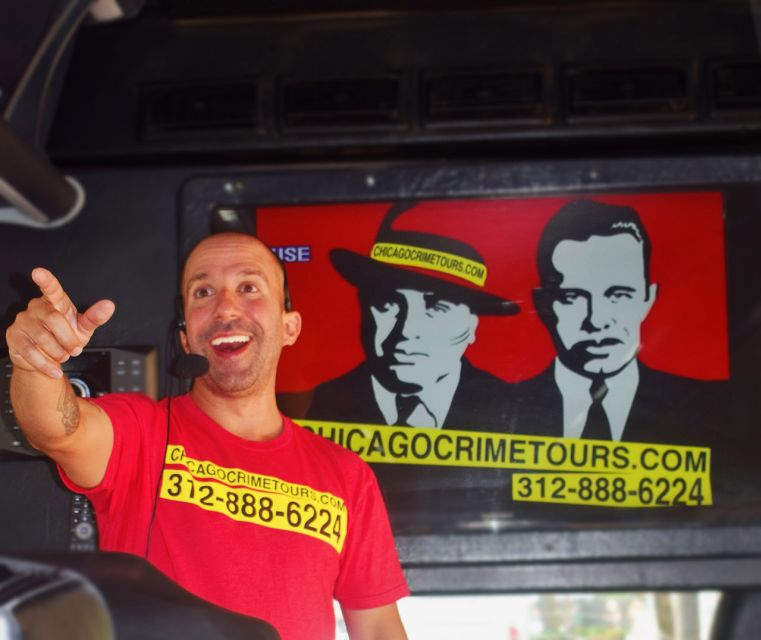
One of the tour’s camera-friendly moments is a drive-by at the historic criminal courthouse, described as a Chicago architectural landmark tied to notorious cases. Even from the street, a courthouse changes the mood. It signals that these weren’t just local crimes—they became public battles, tried in a place built for spectacle and record.
If you like your true crime with a court-and-system angle (not only street-level drama), this moment tends to land well. It also pairs nicely with what you’ll hear next: the guide connects the legal fallout to how Chicago’s reputation grew.
Staking Out the Classic Locations: Biograph Theatre, Carbide and Carbon, and More
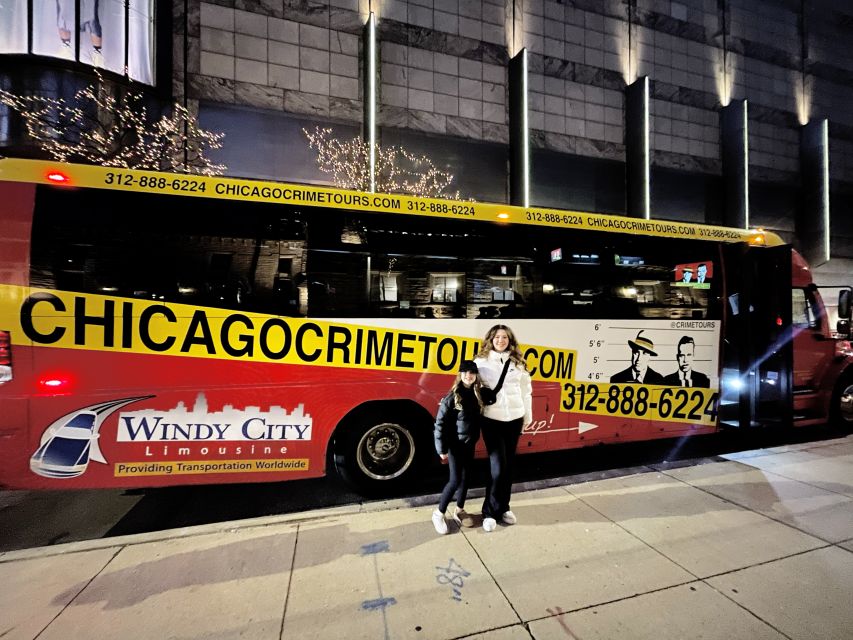
The tour doesn’t only revolve around a couple of headline sites. As you move through the downtown-to-neighborhood belt, you’ll “stake out” several specific places connected to Chicago’s criminal era. You may see key landmarks referenced like Carbide and Carbon, the Jeweler’s Building, and Holy Name Cathedral—plus other well-known stops along the route.
Why this matters: when you later talk about the St. Valentine’s Day Massacre, Dillinger, Al Capone, or other names, you’ll have location anchors in your head. That’s the difference between a tour that feels like trivia and one that actually helps you understand how the city shaped the crime story.
The St. Valentine’s Day Massacre Site: A World-Famous Stop
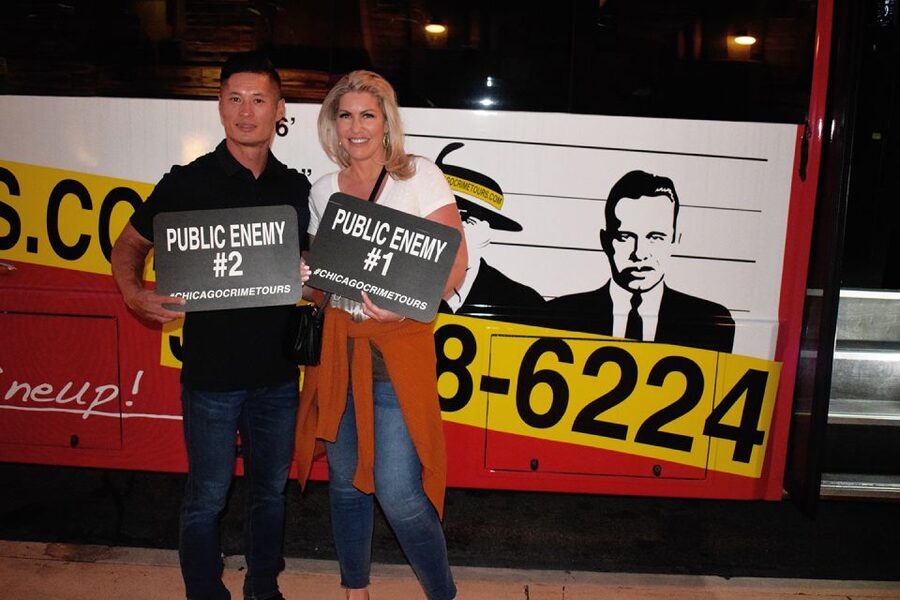
This is the headline moment for many people, and for good reason. The tour takes you to the site connected to the St. Valentine’s Day Massacre, one of Chicago’s most notorious crime scenes.
What I like about how tours handle this type of stop is not just the shock factor—it’s the way the guide frames the event in Chicago’s larger criminal timeline. You learn what it meant for the city and why the names involved became part of pop culture.
If you’re the kind of person who likes to read about cases afterward, you’ll appreciate having a real location attached to the story. It makes the history feel less like a book and more like a place you can still picture.
Dillinger’s Final Steps: Getting Off the Bus and Walking the Real Path
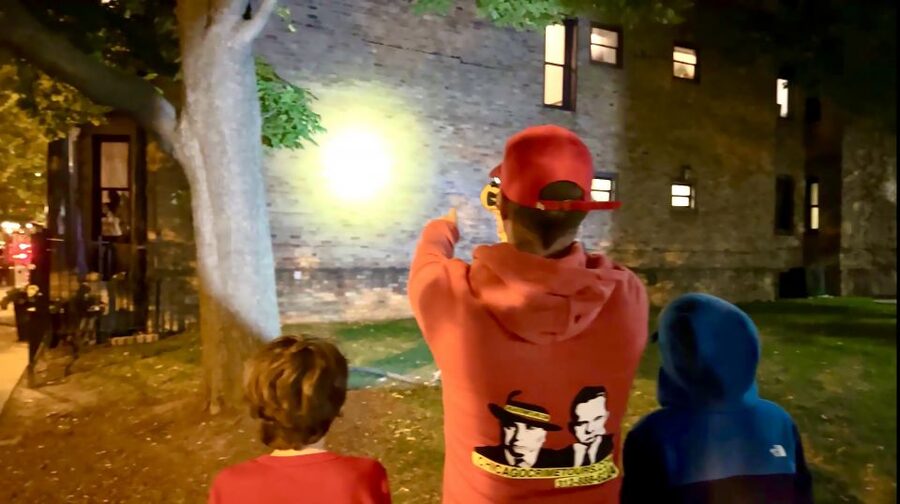
One of the most memorable parts is when you step off the bus and walk the path connected to John Dillinger and Hymie Weiss just before their deaths. This move—going from vehicle to sidewalk—turns the story from “what happened” into “how it unfolded.”
Even if you’ve read about Dillinger before, walking this segment helps you understand the pacing of events: movement, approach routes, visibility, and where people would have been looking. It also adds a rare physical element to a tour that’s otherwise mostly driving and photo stops.
Wear comfortable shoes. You’ll want your feet ready for that short walk part, because night tours are when small discomforts start to feel bigger.
Frank Nitti’s Safe and Address Book: The Mini Mob Museum Stop
This tour includes a mini mob museum built around gangster Frank Nitti’s safe and address book. That’s a wonderfully specific detail. Instead of only hearing about criminals as names, you’re seeing artifacts tied to how the mob operated.
It’s also where the “character” aspect of Chicago crime comes through. You get the sense that these were organized people with systems—paperwork, records, and practical tools—not just movie-gangsters with dramatic speeches.
If you’re traveling with a friend who isn’t a deep true-crime person, this stop often wins them over. Artifacts make the whole thing feel more real and less like a rumor.
Gangster-Era Tunnels and Prohibition-Era Personalities
You also get special access tied to secret Gangster Era tunnels. The value here is how it supports the guide’s bigger point: Chicago criminals weren’t only famous for what they did in public. They built ways to reduce risk, move quietly, and stay one step ahead.
Along with that, you’ll hear about Prohibition-era characters through a Prohibition Era personality profile style segment. This helps you place mob activity in a time when alcohol rules created money, chaos, and a business model that fed organized crime.
If you’re the type who likes context more than gore, these parts are your payoff. They explain how the economics and the era helped make the crimes possible.
The Crime Quiz Moment: Making It Stick
One of the included activities is an exclusive crime quiz, paired with historic video footage and an informative pamphlet with photos and special offers. The quiz isn’t just for fun; it gives your brain a reason to track details as the guide moves from one case to the next.
This kind of interaction is also a good weather plan. On a cold or rainy night, you don’t lose the tour. You’re still engaged, still learning, and still moving forward on schedule.
Guides Like John, Javier, and Leah: Live Energy Matters
The ratings point to guides who bring energy and storytelling style, including names like John, Javier, and Leah. That matters because crime-tour success depends on pacing. If a guide reads dates like a textbook, the tour drags. If they build scenes with momentum, you’ll stay hooked through the drive-by moments and the off-bus walking.
Also, since the tour is interactive, you get a clearer sense of who’s who and how the major stories connect—especially with recurring figures like Al Capone and other big-name criminals the guide covers.
Photo and Recording Rules: Plan Your Camera Time
You’ll have multiple photo opportunities, including at specific stops like the Biograph Theatre and Harry Caray’s Italian Steakhouse, plus a drive-by at the courthouse. This is a “get your shots when it’s time” tour, so keep your camera ready for stop moments.
A key rule: video recording is not permitted, and audio/video recording is restricted without express written consent. Still photography likely works fine, but keep an eye on staff guidance.
Also, no food or drinks in the vehicle, so plan dinner before or after.
Where This Tour Fits Best (and Who Should Skip)
This tour is a strong fit if you want:
- A night-friendly, 2-hour structured overview of Chicago crime history
- A bus tour that includes off-bus walking and multiple landmark photo stops
- A guide-led experience with interactive elements like a crime quiz
- True crime plus city architecture and neighborhood context
It’s less of a fit if you:
- Need translation, audio guides, or headphones (the tour is English-only)
- Have mobility limits tied to stairs, since the bus has five steps and some stops include stairs and aren’t described as lift-supported
If you’re a first-time Chicago visitor, it can also serve as a smart “map lesson” before you explore neighborhoods on your own.
Price, Value, and What You’re Really Paying For
At $55 per person, you’re not paying for a casual narration. You’re paying for:
- A luxury, enclosed, temperature-controlled coach bus
- Live interactive guiding in English
- Historic video footage and a photo-based pamphlet
- A mini mob museum stop featuring Frank Nitti’s safe and address book
- Walk time tied to John Dillinger and Hymie Weiss
- A crime quiz experience
- Photo stops and scenic passes through major Chicago areas
In plain terms: the money buys structure, access to specific experiences, and a guide who keeps you moving through the stories.
Should You Book the Chicago Crimes Night Tour?
I’d book it if you want a compact, guided, night-time Chicago experience that mixes landmark views with real case locations. The St. Valentine’s Day Massacre site, the Dillinger walk, and the Frank Nitti museum stop are strong reasons alone, and the crime quiz plus historic footage helps it feel more like a live show than a lecture.
Skip it if you need language support beyond English or if stairs are a dealbreaker for you. Otherwise, this is a fun, practical way to see Chicago while learning how the city’s underworld became internationally famous.
FAQ
How long is the Chicago Crimes Night Tour?
The tour lasts 2 hours.
Where is the meeting point?
Meet outside 163 E. Pearson Street at the southeast corner of Pearson and Michigan Ave.
Is the tour guided by a live person?
Yes. It has an interactive live tour guide in English.
Is there audio translation or headphones?
No. There are no translations, audio-guides, or headphones.
Can I record video during the tour?
Video recording is not permitted. Audio and video recording services are not allowed without express written consent from Chicago Crime Tours and Experiences.
Is food or drinks allowed on the bus?
No. Food and drinks are not allowed in the vehicle.
Is gratuity included in the price?
No. Gratuity is not included. A recommended $5 per person gratuity is suggested (cash or Venmo).
Is the bus wheelchair accessible?
The bus is not wheelchair accessible. It has five steps, some stops include stairs, and there is no electronic lift. Limited storage is available for a folding wheelchair or stroller.
What’s included with the tour?
Included are a luxury, enclosed, temperature-controlled coach bus; interactive English guide; historic video footage; a souvenir pamphlet with photos and special offers; stops on and off the bus; a mini mob museum; special access to Gangster Era tunnels; and an exclusive crime quiz.
The Wider Chicago Shortlist
- Chicago Architecture River Cruise★ 5.0 · 15,756 reviews
- Chicago River 90-Minute Architecture Tour★ 4.5 · 9,629 reviews
- Chicago River: 1.5-Hour Guided Architecture Cruise★ 4.8 · 8,046 reviews
- Chicago: Gangsters and Ghosts Walking Tour★ 5.0 · 7,155 reviews
- Chicago Architecture Center River Cruise aboard First Lady★ 5.0 · 5,536 reviews
The Outfit Files
- Chicago: Gangsters and Ghosts Walking Tour★ 5.0 · 7,155 reviews
- Chicago Crime and Mob Bus Tour★ 4.5 · 3,186 reviews
- Chicago: Gangsters and Ghosts Guided Walking Tour★ 4.7 · 1,697 reviews
- Chicago: Mob and Crime Bus Tour★ 4.4 · 859 reviews
- Chicago Murder Mystery Tour★ 5.0 · 724 reviews
The Ink Is Still Wet on These Chicago Reviews



Gangster & Mob Tours, compared.
 ★ 5.0Gangsters and Ghosts Walking TourFrom $527,155 reviews
 ★ 4.5Chicago Crime and Mob Bus TourFrom $493,186 reviews
 ★ 4.7Gangsters and Ghosts Guided Walking TourFrom $361,697 reviews
 ★ 4.4Mob and Crime Bus TourFrom $49859 reviews
 ★ 5.0Chicago Murder Mystery TourFrom $35724 reviews
 ★ 5.0Chicago Night Crimes Tour by BusFrom $55478 reviews
 ★ 5.0Chicago Gangster and Food Walking TourFrom $79471 reviews
 ★ 4.5Chicago Mobs and Haunts Walking TourFrom $34383 reviews
Browse the lists this tour appears in