
REVIEW · CHICAGO MUSEUMS & TICKETS
Chicago: American Writers Museum Flexible Date Entry Ticket
Words meet hands-on play. The American Writers Museum in Chicago turns reading history into an easy, interactive walk where you can watch writers across centuries and actually make words of your own. I love the hands-on typewriter time and the way the exhibits use an interactive timeline plus the Word Waterfall to make language feel physical, not like a dusty poster. The museum covers everything from poetry and lyrics to speeches, drama, fiction, nonfiction, and journalism, with familiar names like Dickinson, Dr. Seuss, Poe, and Prince.
You’ll also like that this is self-guided, with entry to the permanent galleries and special exhibits, so you can move at your pace. Your ticket lets you enter on your chosen day or any day up to 14 days after, which is perfect when Chicago weather or plans change. One thing to consider: the museum is compact, so you’ll likely finish in about an hour and a half if you move steadily, unless you slow down for the writing prompts and repeat the interactive stops.
Plan for the basic rules too: food and drinks aren’t allowed, and the museum runs 10:00 A.M. to 5:00 P.M. Thursday through Monday. Once you’re on the second floor (past security) and you’re in, it’s a smart use of time for a rainy day, a mid-trip reset, or a kid-friendly stop that still hits for adults.
In This Review
- Key things I’d put on your must-see list
- Arriving on the second floor and finding your first exhibit
- Nation of Writers Gallery: where writing turns into an interactive timeline
- Level Up and the Reading/Writing Rooms: where the museum gets playful
- Typewriter time: writing a story or poem the old-school way
- Mind of a Writer Gallery: habits, discipline, and why writing sounds right
- The Chicago Gallery: writers inspired by the Windy City
- Children’s Gallery: reading areas, interactive spots, and age-fit fun
- Special exhibits you may catch: Dark Testament and more
- Price and timing: $16 for two-week flexible entry that feels worth it
- How long to plan and the best way to pace it
- Should you book the American Writers Museum flexible ticket?
- FAQ
- What’s the entry price for the Chicago American Writers Museum flexible date ticket?
- How does the flexible date entry work?
- What’s included with this ticket?
- Do I need a guide for the exhibits?
- Where do I go inside the building?
- What are the museum hours?
- Is food and drink allowed inside?
- Is the museum wheelchair accessible?
- Do children need tickets?
- Can teachers or students book reduced entry?
Key things I’d put on your must-see list
- Nation of Writers Gallery with an interactive timeline that links writing to American culture
- Word Waterfall plus dioramas and videos that turn facts into something you can watch and touch
- Vintage typewriters where you can write a short story or poem, then leave messages for later visitors
- Mind of a Writer Gallery focused on habits and daily discipline, not just famous quotes
- Chicago Gallery honoring writers and journalists inspired by the Windy City
- Children’s Gallery with cozy reading areas and interactive reading spots
Arriving on the second floor and finding your first exhibit
This ticket is simple to use: enter the building, go past the security desk, then take the elevator or stairs up to the second floor. When you get to the American Writers Museum, show your ticket at the front desk and you’re set.
The “flexible date entry” part matters because it removes pressure. Instead of locking yourself into one museum time slot, you can pick the day that best fits your Chicago schedule, then still get in within the next 14 days. I like this approach because it makes room for Chicago reality: you might want this stop on a quieter weekday morning, or you might swap it in when the rest of your plan runs late.
Also, this museum is set up for self-guided exploring. That means you don’t need a meeting time, a group pacing, or any “wait until everyone’s here” stuff. If you’re the type who likes to linger with one interactive panel for 20 minutes, the format works well.
More museum hours for a windy day
Nation of Writers Gallery: where writing turns into an interactive timeline
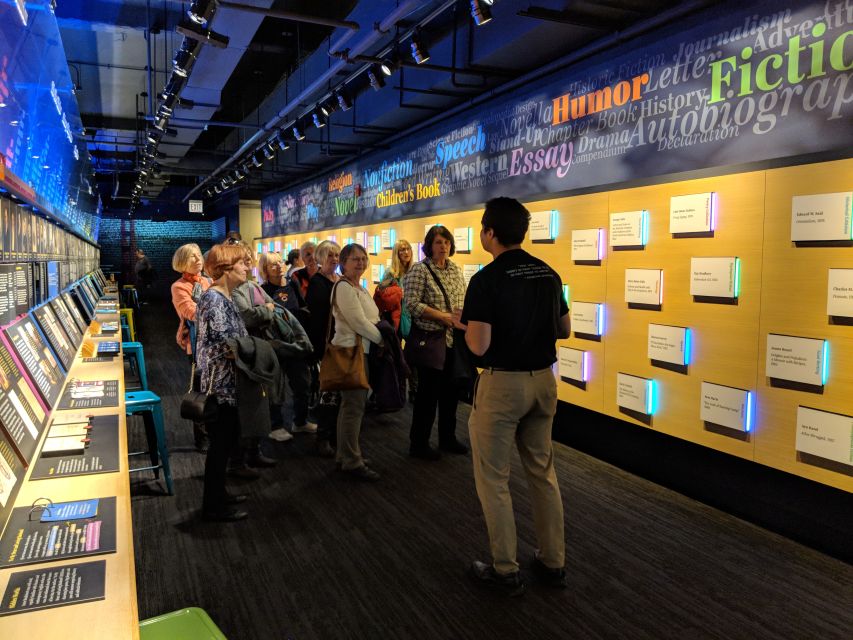
Your visit starts in the Nation of Writers Gallery, and that opening sets the tone: writing here isn’t only about famous authors. It’s about how American culture learned to speak through words, arguments, jokes, lyrics, and stories.
Expect a route that feels like a guided path without being a strict line. You’ll likely hit the interactive timeline early, then bounce through themed stops. A standout is the surprise bookshelf, which nudges you into a different reading mode. Instead of just absorbing information, you’re prompted to engage with language through the exhibit design.
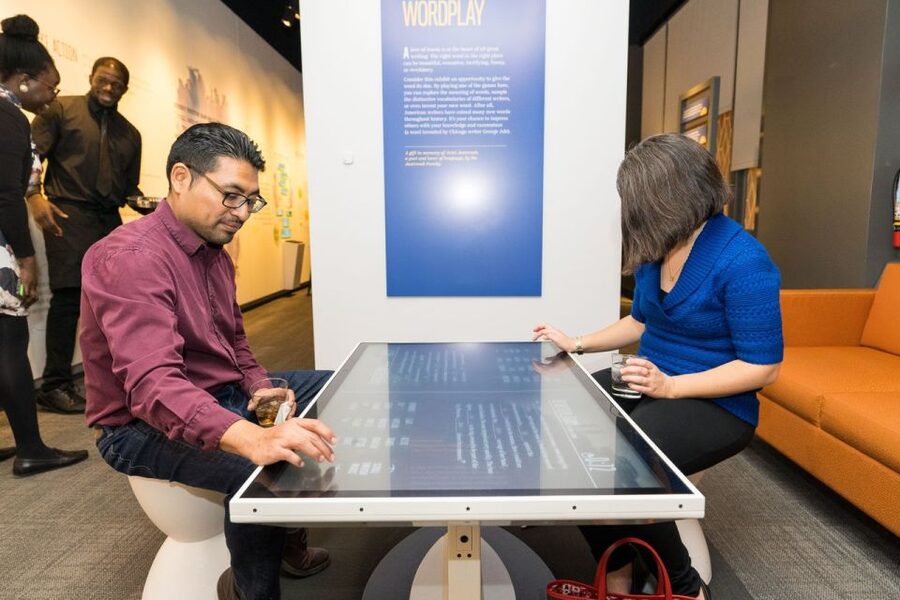
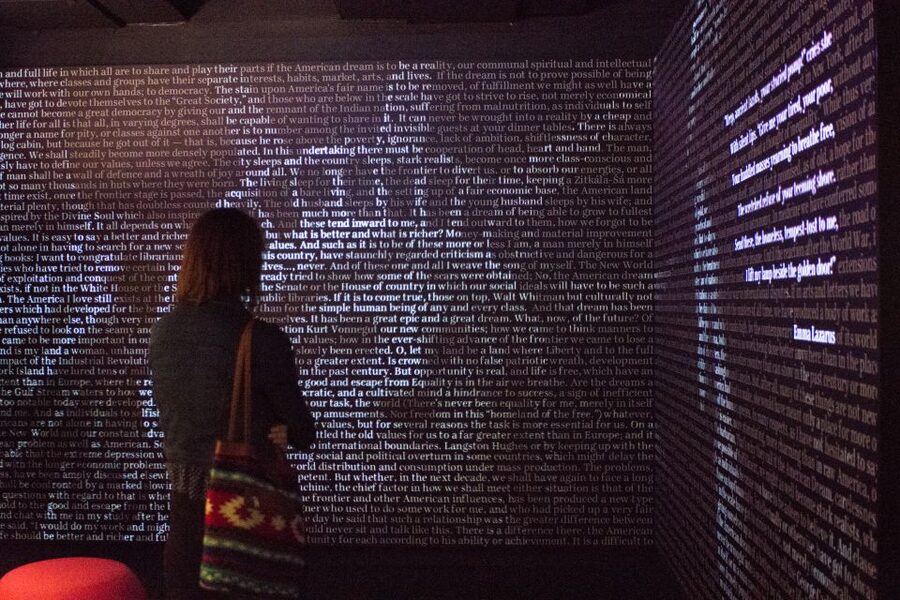
Then comes one of the most talked-about moments: the Word Waterfall. The idea is easy. Words are shown as something you can follow, repeat, and recognize, not just something you stare at. It’s built to keep attention moving, and it works for kids who might not want a long lecture. You’ll see videos and dioramas too, which add motion and context when you want a break from screens or text-heavy stations.
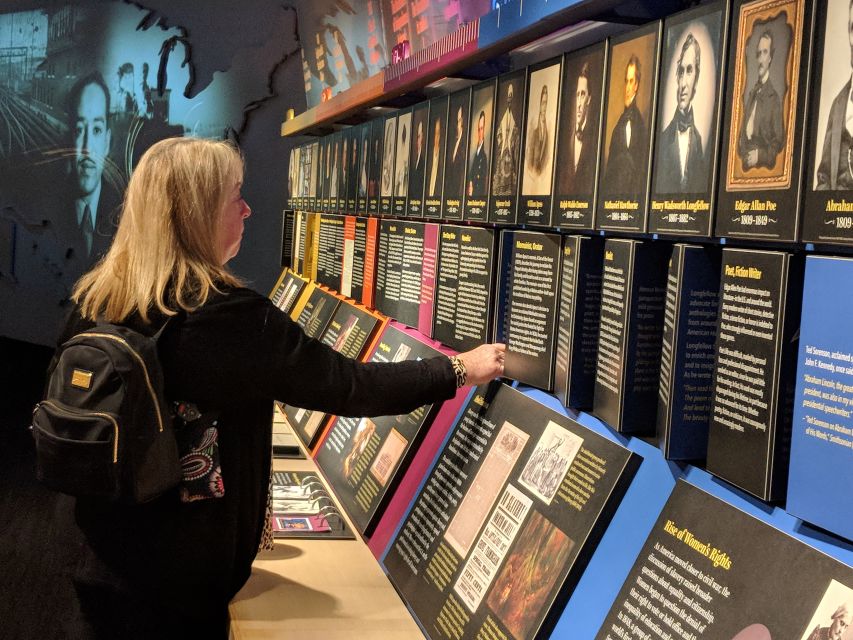
Another practical benefit of this gallery: it includes writers from different genres and eras. You can spot big names like Dickinson, Dr. Seuss, Poe, and Prince, and you’ll see how their work fits into a bigger story about American writing. The museum also explicitly spans many forms, including poetry, lyrics, speeches, drama, fiction, nonfiction, and journalism. That broad range is a real value, because you’re less likely to feel like the museum only serves one type of reader.
Level Up and the Reading/Writing Rooms: where the museum gets playful
The museum doesn’t keep you trapped in “museum mode.” It leans into playful learning, especially in spaces connected to narrative writing and reading practice.
One special exhibit you might encounter is Level Up, focused on narrative writing in games. If you like storytelling mechanics or you’ve ever wondered why some plots feel tighter than others, you’ll appreciate how it connects writing choices to character work. It includes fun facts, a timeline, and activity-style opportunities, including character creation and costuming. Even if you don’t play games, the writing logic still clicks.
Beyond that, the Reading and Writing Rooms are where the museum’s hands-on design really shows. You’ll find interactive digital activities and hands-on stations centered on the writing process. This part is especially good if you want your visit to feel like practice, not just information.
From a pacing standpoint, these rooms are great as your “middle of the visit” zone. When you start feeling like you’ve read too many words on too many panels, the hands-on stations reset your attention without turning the trip into a game show. It stays focused on writing and reading.
Keep these Chicago backups on the shortlist too:
- Chicago: Willis Tower Skydeck and The Ledge Ticket
★ 4.6 · 4,350 reviews - Chicago: Architecture River Cruise Skip-the-Ticket Line
★ 4.8 · 4,325 reviews - Chicago: 360 CHICAGO Observation Deck Ticket
★ 4.5 · 3,173 reviews
Typewriter time: writing a story or poem the old-school way
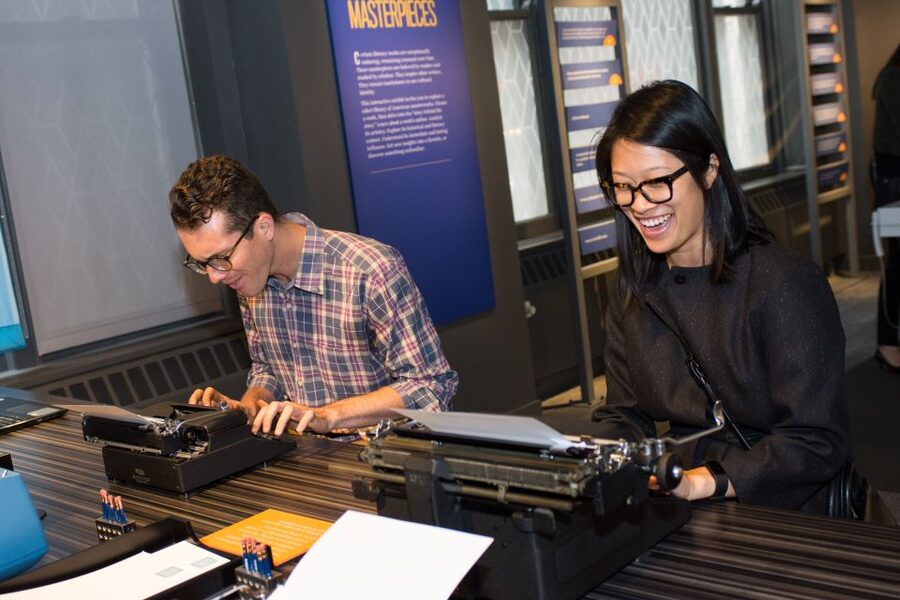
If you only remember one part, make it this: you can write a short story or a poem on a vintage typewriter. That simple action changes how you experience the museum.
Typewriters force you into a slower rhythm. No auto-correct. No backspace. You’re living inside the constraints of the tool, and that makes the museum’s “mind of a writer” message hit harder later. It’s also a good equalizer. A teen who isn’t into museum text might still enjoy typing something small. An adult who loves literature can treat it like a mini writing exercise.
Some of the interactive design goes beyond just writing. You can post prompts or messages for future visitors, which turns your visit into part of the museum’s living writing wall. It’s a nice detail because it keeps the museum from feeling like you consumed it and moved on.
Practical tip: go for the typewriter after you’ve seen the timeline and at least a few gallery stops. You’ll have more writing ideas in your head, and you’ll likely get more out of the prompts.
Mind of a Writer Gallery: habits, discipline, and why writing sounds right
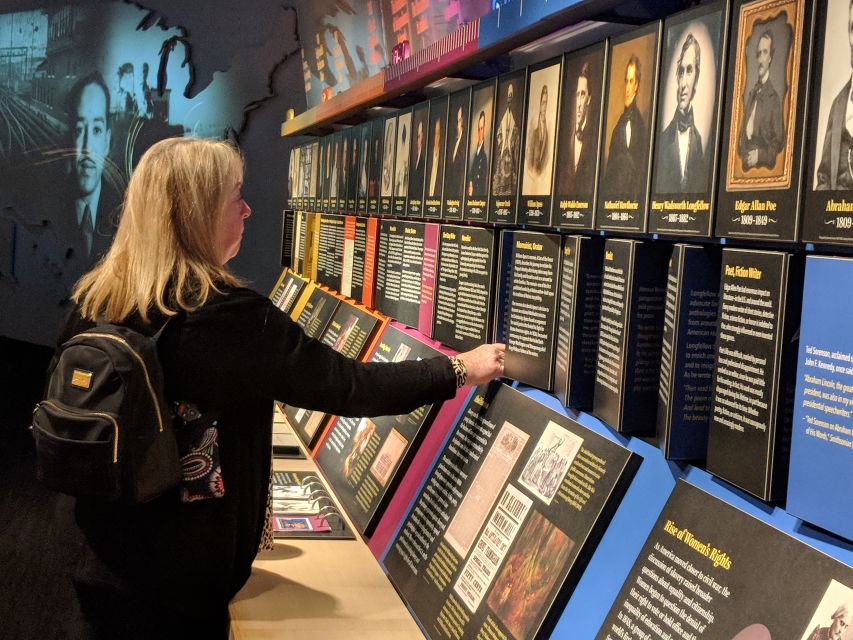
After the timeline and the hands-on play, the Mind of a Writer Gallery shifts the emphasis. It’s less about collecting names and more about how writing gets made.
You’ll learn about daily discipline and habits necessary to get the work done. That might sound like motivational poster material, but the museum frames it in a concrete way: writing isn’t only inspiration, it’s repetition, process, and deep attention to language. This is where you’ll likely start noticing how the exhibits explain craft, not just biography.
There’s also an emphasis on understanding language deeply enough to make writing sing. That’s a useful takeaway whether you write for a hobby, for school, or just for yourself. It also works well for kids, because the exhibits here can help them understand that writing has a “do the work” side and a “make choices” side.
If you’re visiting with school-age children, this gallery is often where you can connect the museum to homework without making it feel like homework. If your family is reading together, it also makes a strong “take-home conversation” stop.
The Chicago Gallery: writers inspired by the Windy City
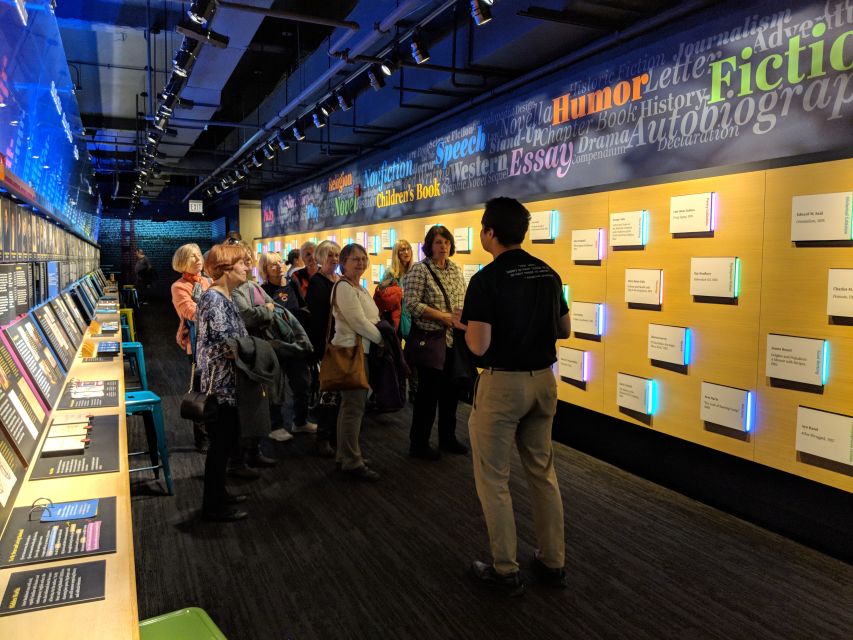
Next is the Chicago Gallery, focused on poets, novelists, journalists, and other writers who found inspiration locally. This is a smart way to make the museum feel less generic. You’re not only learning about American writing in general. You’re seeing how Chicago shaped people’s themes, voices, and stories.
The museum highlights writing that’s tied to place. That matters because writing is rarely created in a vacuum. Even when the words are universal, the starting point often comes from where a person lives, reads, works, argues, and dreams.
This gallery is a good place to slow down if you’re the type who likes to look up details later. You may leave with a list of authors or poems you didn’t plan to notice. And since Chicago is your base anyway, the added local layer makes the visit feel more anchored.
Children’s Gallery: reading areas, interactive spots, and age-fit fun
The children’s space is worth planning for, even if your kids only want to bounce between stations for a short time. The Children’s Gallery includes interactive reading areas and cozy reading spots that help kids settle without getting bored.
One practical detail: free entry is offered for children under 13, but you still need to reserve a free ticket for them. I suggest doing this early so it doesn’t become a last-minute puzzle.
This part of the museum is also a quiet win for parents. Instead of a kids’ area that feels like an afterthought, the design supports independent exploration with enough structure to keep kids moving. It’s also the best section for younger readers who might not be ready for long writing-history panels.
Special exhibits you may catch: Dark Testament and more
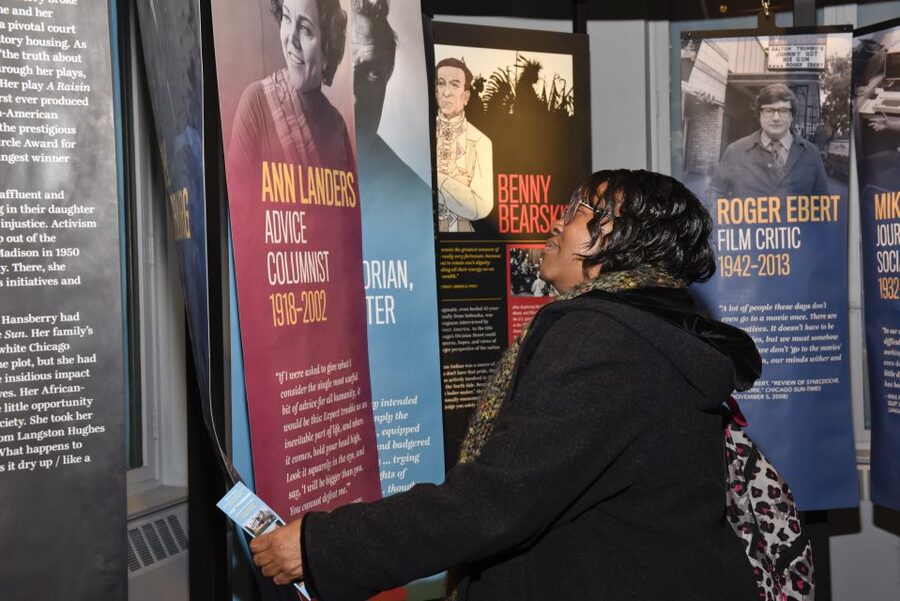
Because your ticket includes special exhibits, you might see rotating or extra content during your visit. One example mentioned is Dark Testament, focused on Black writers and their fight against racial injustice during the 1800s to 1900s. Another is a Writing Queer tour led by staff, which you might be able to join depending on the day and schedule.
This is important for your expectations. The permanent galleries give you the core story and writing practice, but special exhibits can shift the themes you notice. If you love deeper context or want a stronger social history angle, special programming can make your visit feel more personal.
If you’re short on time, don’t try to do everything. Hit the permanent route first, then decide if special exhibits are worth the extra minutes for your group.
Price and timing: $16 for two-week flexible entry that feels worth it
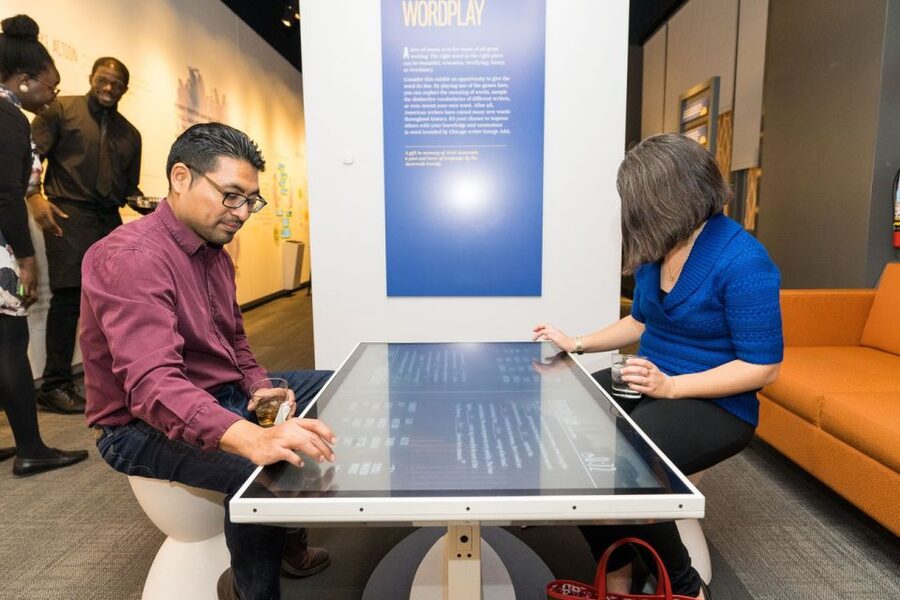
At $16 per person, the American Writers Museum is priced in the sweet spot for a modern city museum stop. You’re paying for a guided-feeling visit without paying for a guided tour.
The value comes from two things. First, you’re not buying a single static attraction. You’re getting entry to permanent exhibits and special exhibits plus a self-guided route. Second, the flexible date entry makes your purchase more useful than a strict time-slot ticket. You can pick the day you’ll enjoy most.
Timing matters too. The museum is open 10:00 A.M. to 5:00 P.M. Thursday through Monday. If you’re planning a weekend, arriving earlier is usually the safer move for keeping energy up at the interactive stations.
Also remember: no food or drinks are allowed. That’s not a dealbreaker, but it does mean you should plan to eat before or after. If you’re touring with kids, a snack plan outside the museum helps keep the visit smooth.
How long to plan and the best way to pace it
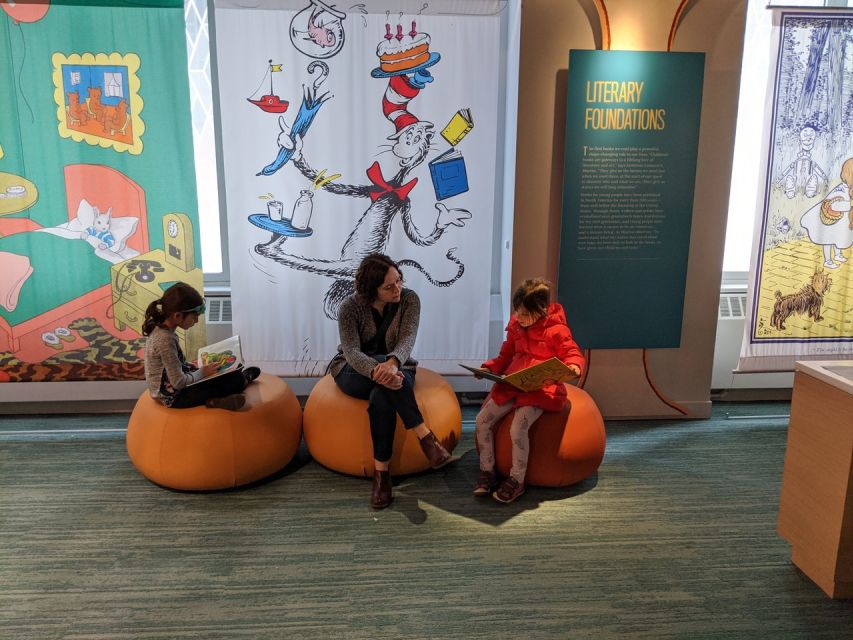
Because the museum is compact and interactive, you can get a good visit in a short window. A realistic plan is around 90 minutes if you keep moving and hit the headline activities like the timeline and typewriters. If you slow down for reading prompts and want to repeat interactive sections, it can stretch longer.
Here’s a pacing strategy that works well:
- Start with the timeline and Word Waterfall, so you set your brain’s context early.
- Then do the writing-related rooms and typewriters, so you convert ideas into action.
- Finish with the Mind of a Writer Gallery and the Chicago Gallery, so you leave with craft and place-based takeaways.
- Add the Children’s Gallery whenever it fits your group’s energy level.
This order matters. If you do the typewriter too early, you might miss the context that makes your prompt ideas feel sharper. If you do it too late, your group might be tired and less patient.
Should you book the American Writers Museum flexible ticket?
Book it if you want a Chicago stop that mixes history with participation. This ticket is ideal when you like reading, writing, or storytelling in any form—books, poems, lyrics, speeches, or even game narratives. It also works well with families because kids can enjoy the hands-on exhibits without needing to sit through long explanations.
Skip or rethink it if you’re looking for a big, sprawling museum day. This is a focused, one-building visit with a compact footprint. You’ll probably be happiest if you treat it as a strong half-day or rainy-day anchor, not the whole day.
If you’re deciding, I’d say this: at $16 with flexible entry and real interactive stations—especially the vintage typewriters—this is one of the more cost-effective ways to turn Chicago sightseeing into a writing-and-reading experience you’ll remember.
FAQ
What’s the entry price for the Chicago American Writers Museum flexible date ticket?
The price is $16 per person.
How does the flexible date entry work?
You can enter on your chosen date or any day up to 14 days after your chosen ticket date.
What’s included with this ticket?
Entry includes all permanent exhibits and special exhibits, and the tour is self-guided.
Do I need a guide for the exhibits?
No. A guide is not included.
Where do I go inside the building?
Enter the building, go past the security desk, and take the elevator or staircase to the second floor to reach the museum. Present your ticket at the front desk.
What are the museum hours?
The museum is open 10:00 A.M. to 5:00 P.M. from Thursday to Monday.
Is food and drink allowed inside?
No, food and drinks are not allowed.
Is the museum wheelchair accessible?
Yes, the museum is wheelchair accessible.
Do children need tickets?
Children 12 and under enter free, but you must reserve a free ticket for them.
Can teachers or students book reduced entry?
Yes. Active teachers and students with a valid academic ID can book the reduced date, but they must present the ID upon arrival.
Ticket Stubs for Chicago
- Chicago: Willis Tower Skydeck and The Ledge Ticket★ 4.6 · 4,350 reviews
- Chicago: Architecture River Cruise Skip-the-Ticket Line★ 4.8 · 4,325 reviews
- Chicago: 360 CHICAGO Observation Deck Ticket★ 4.5 · 3,173 reviews
- Medieval Torture Museum Ticket with Audio Guide and Ghost Hunting★ 5.0 · 962 reviews
- Chicago: Field Museum of Natural History Ticket or VIP Tour★ 4.7 · 717 reviews
The Wider Chicago Shortlist
- Chicago Architecture River Cruise★ 5.0 · 15,756 reviews
- Chicago River 90-Minute Architecture Tour★ 4.5 · 9,629 reviews
- Chicago River: 1.5-Hour Guided Architecture Cruise★ 4.8 · 8,046 reviews
- Chicago: Gangsters and Ghosts Walking Tour★ 5.0 · 7,155 reviews
- Chicago Architecture Center River Cruise aboard First Lady★ 5.0 · 5,536 reviews
Museum Campus and Beyond
- Medieval Torture Museum Ticket with Audio Guide and Ghost Hunting★ 5.0 · 962 reviews
- Chicago: Field Museum of Natural History Ticket or VIP Tour★ 4.7 · 717 reviews
- Field Museum of Natural History Admission Tickets★ 4.5 · 489 reviews
- Skip-the-line: Art Institute of Chicago Guided Tour★ 5.0 · 417 reviews
- Museum of Ice Cream Chicago Admission Ticket★ 3.5 · 396 reviews
The Ink Is Still Wet on These Chicago Reviews




Chicago Museums & Tickets, compared.
 ★ 5.0Medieval Torture Museum Ticket with Audio Guide and Ghost HuntingFrom $35962 reviews
 ★ 4.7Field Museum of Natural History Ticket or VIP TourFrom $29717 reviews
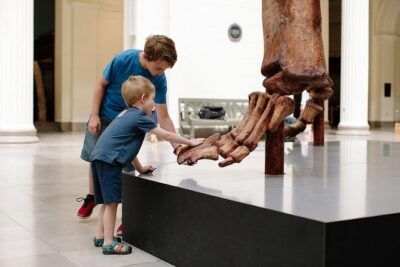 ★ 4.5Field Museum of Natural History Admission TicketsFrom $29489 reviews
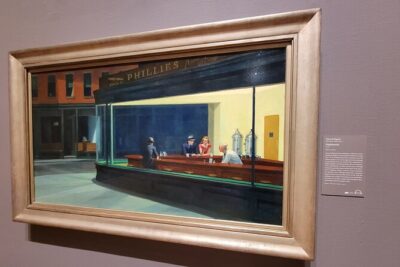 ★ 5.0Skip-the-line: Art Institute of Chicago Guided TourFrom $71417 reviews
 ★ 3.5Museum of Ice Cream Chicago Admission TicketFrom $43396 reviews
 ★ 4.41-5 Day Attraction Pass with Shedd AquariumFrom $139372 reviews
 ★ 4.8Flyover in Chicago: An Immersive Flying Theatre ExperienceFrom $38362 reviews
 ★ 5.02-Hour Chicago Lakefront & Museum Campus Segway TourFrom $64345 reviews
Browse the lists this tour appears in