
REVIEW · CHICAGO MUSEUMS & TICKETS
Art Institute of Chicago Private Expert Guided Tour
Lines vanish when a pro gets you in. This private Art Institute of Chicago tour runs about two hours, with skip-the-line entry and a route that you can steer toward the works you care about. I love that it’s customizable, so you are not stuck with a fixed checklist. One watch-out: at $215 per person, it’s best for couples, families, or small groups who will actually use an expert’s time.
The payoff is in the pacing and the questions. You get help spotting context around major works, then you can slow down where you want and speed up where you don’t, including ask questions freely. If you book a morning early entry time slot, you’ll start strong before the galleries fill up.
In This Review
- Key reasons this tour is worth it
- Skip-the-line entry: what it really changes at the Art Institute
- A private tour means your pace, not a herd
- Your 2-hour route: a smart sampler across iconic Chicago must-sees
- Stop-by-stop: the Art Institute highlights your guide targets
- Tiffany Studios: the Hartwell Memorial Window
- Caillebotte: Paris Street; Rainy Day
- Seurat: Sunday on La Grande Jatte
- Van Gogh: The Bedroom
- Georgia O’Keeffe: Sky Above Clouds
- Hopper: Nighthawks
- Albright: A Picture of Dorian Gray
- Grant Wood: American Gothic
- Marc Chagall: America Windows
- Picasso: The Old Guitarist
- Warhol: Four Mona Lisas
- Jackson Pollock: Greyd Rainbow
- How the guides change the experience (Joel, Joe, Colleen, Marlin, Heath, Mark & Michelle, Brian Gallagher)
- Customization: how to get what you actually want in 2 hours
- After the tour: using your admission ticket for lunch-to-later returns
- Price and value: is $215 per person fair for what you get?
- Who should book this tour, and who might prefer DIY
- Getting ready: small moves that make your tour smoother
- Should you book this Art Institute private expert tour?
- FAQ
- How long is the Art Institute of Chicago private expert guided tour?
- What is the price per person?
- Is this a private tour?
- Does the tour include museum entry?
- Is there skip-the-line entry?
- What languages are offered?
- What is the meeting point?
- Is the tour wheelchair friendly?
- Are service animals allowed?
- Can I cancel and get a refund?
Key reasons this tour is worth it
- Skip-the-line admission so you spend more of your trip looking at art
- A private, tailored route that can flex to your tastes and favorites
- Major works across eras from Seurat and Van Gogh to Hopper and Warhol
- Backstory coaching so you understand what you are seeing, not just where it is
- All-day admission included (you can step out for lunch and return)
Skip-the-line entry: what it really changes at the Art Institute
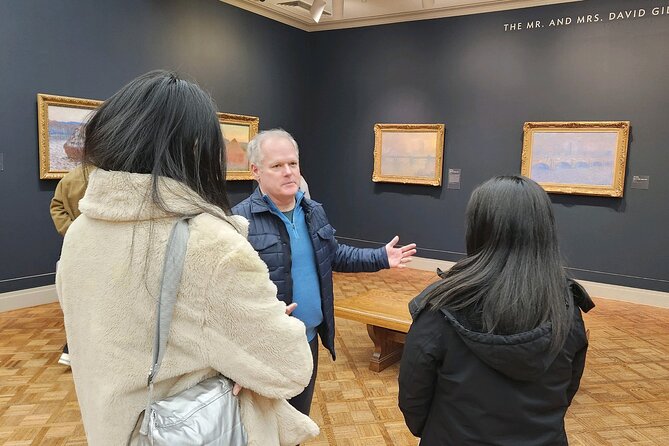
The Art Institute of Chicago is a dream museum… and a test of stamina. With a tour like this, you trade the usual waiting and wandering for time in front of the art. That matters because the museum is huge, and most people lose their best energy early, right when they should be connecting with the paintings.
Skip-the-line access also gives you a steadier experience. Instead of spending your first hour trying to find your way, you can start with a clear plan and the confidence of an expert pointing out what to prioritize. For many visitors, that alone turns a stressful museum day into a calmer one.
One more practical point: your ticket is included, so you are not doing mental math on top of the museum logistics. If you plan to return later in the day, that built-in flexibility helps you stretch the value of the experience.
More museum hours for a windy day
A private tour means your pace, not a herd
This is a private setup. Only your group participates, so the guide is not juggling multiple families with different energy levels. That sounds like a small difference, but it changes everything about how the time feels.
In my view, the best part of a private tour is not just “less crowd.” It’s the ability to adjust on the fly. You can linger on one painting technique, move past a style that isn’t your thing, or ask extra questions without feeling rushed.
The reviews also underline how different guides manage this dynamic. People talk about guides like Joel and Joe creating space for deeper context, while others (like Colleen) are praised for walking at a slower rhythm that lets you absorb a gallery on the way to the next stop. For a museum as large as this one, that kind of flexibility is the difference between skimming and actually seeing.
Your 2-hour route: a smart sampler across iconic Chicago must-sees
The tour is designed to hit major highlights in roughly two hours, with enough structure to keep momentum and enough openness to match your interests. That’s a key detail: you still get to explore at your own pace, but you start with a guide who helps you get oriented fast.
Think of this as a curated “greatest hits” tour with steering control. The guide brings you to anchor works and then explains what to notice. If you have a list in your head, you can typically point to what you want more of. If you don’t, you’ll still get a clear path through big movements and artists that most first-time museum visits want.
- Chicago Architecture River Cruise
★ 5.0 · 15,756 reviews - Chicago River 90-Minute Architecture Tour
★ 4.5 · 9,629 reviews - Chicago River: 1.5-Hour Guided Architecture Cruise
★ 4.8 · 8,046 reviews
Stop-by-stop: the Art Institute highlights your guide targets
Here’s the kind of lineup the tour commonly includes. Availability can change if something is on loan or under restoration, but this gives you a very good sense of the experience.
Tiffany Studios: the Hartwell Memorial Window
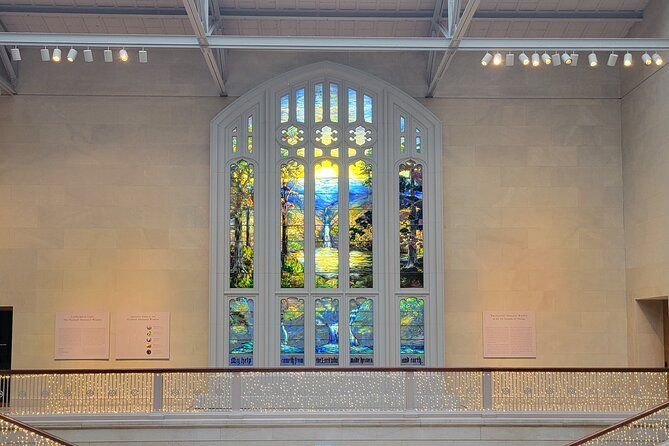
You start with a stained-glass showpiece area that’s not just decorative. The guide’s job here is to help you look past the sparkle and into what the work is doing composition-wise and historically. It’s an early win for many people because it gives you a visual “hook” before you move into painting and print-based storytelling.
Caillebotte: Paris Street; Rainy Day
This is the kind of work that rewards a second look. With a guide, you can talk about how the scene is framed and why the mood works. Even if you usually skip Impressionism, this painting is often easier to connect with once you know what to focus on.
Seurat: Sunday on La Grande Jatte
Seurat’s pointillism is famous, but it can feel like a blur at first. A good guide helps you slow down and understand how the dots build form and color. It’s also a great “turn your brain on” moment in the tour because you start seeing technique as meaning, not just style.
Van Gogh: The Bedroom
Vincent van Gogh can hit hard quickly, and that’s where context matters. You’ll get help connecting what you’re seeing to how the painting communicates emotion and atmosphere. Many people find that when a guide explains the choices, the painting stops being just iconic and starts being personal.
Georgia O’Keeffe: Sky Above Clouds
O’Keeffe often feels modern and immediate, but her work is also about control and clarity. A guide’s comments can help you understand how scale and viewpoint are doing the heavy lifting. This stop tends to work well for visitors who want something that feels both artistic and visually clean.
Hopper: Nighthawks
Hopper is a must for a reason, and the guide’s focus here is usually the mood. You’ll likely talk about the quiet tension of the scene and how Hopper uses light to make the street feel both ordinary and strange. It’s a great pairing with the American realism flavor of the rest of the route.
Albright: A Picture of Dorian Gray
This is a fun shift because it connects literature, morality, and visual exaggeration. Having an expert nearby helps you see how the image builds drama instead of just “showing a character.” If you like art that has a narrative edge, this one is a strong bet.
Grant Wood: American Gothic
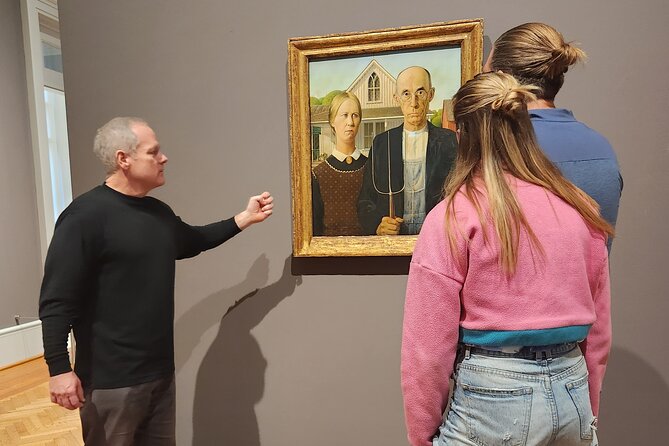
You cannot miss this painting once you’ve seen it, but seeing it well is another story. A guide helps you interpret what the faces and setting are doing. This is one of those works where people think they already know it, then they learn a new way to look.
Marc Chagall: America Windows
This one brings a different emotional tone. With a guide, you can understand how symbolism and montage-like feeling can create a sense of place without acting like a literal map. It’s a nice break from the straight-on portrait and landscape modes earlier.
Picasso: The Old Guitarist
Picasso’s approach can feel challenging until someone helps you “read” the shapes. A guide can point out how form and structure create character. If you thought Cubism would be all math, this stop often changes that.
Warhol: Four Mona Lisas
Warhol can feel like a simple remix until context clicks. A guide can help you connect the repetition, the pop-art attitude, and what the work suggests about icons and mass culture. This stop works especially well if you like art that has a wink.
Jackson Pollock: Greyd Rainbow
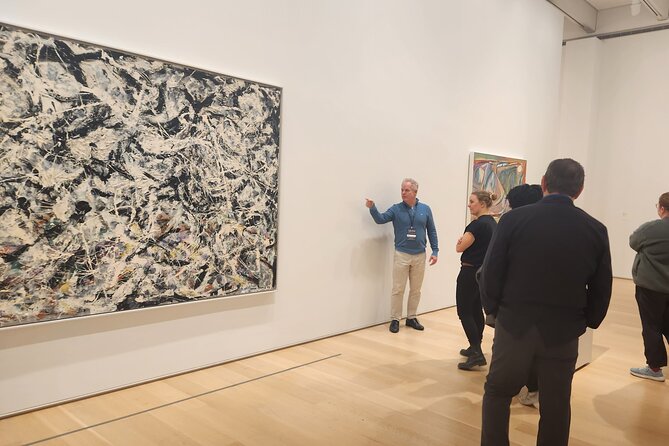
Pollock rewards close looking, and the guide helps you slow down enough to see how the layers build. It’s not just a picture of paint; it’s a record of movement and decision-making. If you want a modern “how is this even made” moment, this is one of the tour’s best.
How the guides change the experience (Joel, Joe, Colleen, Marlin, Heath, Mark & Michelle, Brian Gallagher)
The tour’s quality depends heavily on the guide, and the reviews you provided are clear about what works. Names come up again and again, and they map to specific strengths.
- Joel / Joe are praised for depth and passion, especially when they add behind-the-scenes stories like how a piece was acquired. That kind of info changes your relationship with the painting, because you start seeing it as part of a living collection, not a static display.
- Colleen is noted for pacing. She walks slowly, gives time to notice other details en route, and fully answers questions. If you’re the type who likes to understand the scene rather than rush to the next gallery, that slower rhythm is a big deal.
- Marlin is described as flexible and fun, while still keeping the tour grounded in authentic highlights and context. That balance is ideal for families and groups with mixed art interest.
- Heath gets mentioned for a perspective shaped by real-world art dealing. That matters because it can turn technical discussion into practical insight about how the art world thinks.
- Mark & Michelle are singled out for being both personable and strong on art and history connections.
- Brian Gallagher stands out for linking how works connected to Chicago and for managing the flow when people wanted more detail or wanted to move on.
Bottom line: if you care about storytelling, not just facts, this is where a private guide makes the difference.
Customization: how to get what you actually want in 2 hours
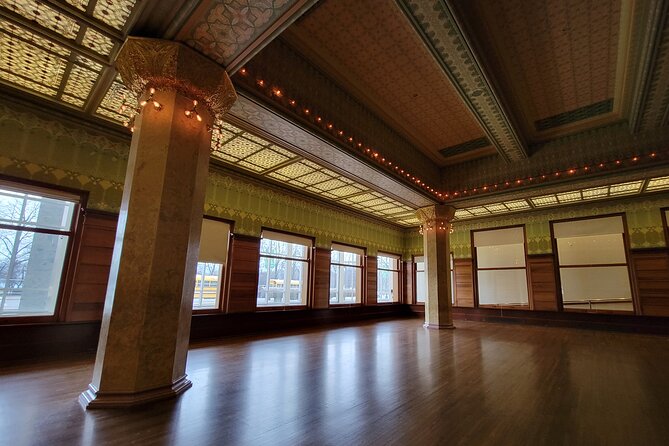
The tour is built to be adjustable. That means you can show up with a short list and use your time efficiently.
Here’s how I’d use that flexibility:
- Tell the guide your must-sees up front (for many people, Hopper and American Gothic are the anchors).
- Name one art style you enjoy and one you do not. It helps the guide decide what to emphasize.
- Ask for one “how to look” question. Examples: what to notice first, what technique matters, or what emotional tone the artist is building.
The value of customization is not that it makes the tour feel special. It’s that it prevents the biggest common museum mistake: spending 30 minutes on something you don’t care about.
After the tour: using your admission ticket for lunch-to-later returns
One of the easiest ways to stretch this experience is to treat it as a launchpad. After the tour ends, you keep access to the museum on your included admission ticket, so you can leave for lunch and return later to keep exploring.
That beats the all-or-nothing approach. Instead of trying to see everything in one go, you can let the guided portion “teach your eyes” and then wander with better instincts. You’ll also know where to go next because the guide has already helped you get your bearings and understand the major landmarks.
Practical tip: if you plan to do a full day, pick one additional wing you want to hit after lunch, and set a realistic time target. The Art Institute is too big to tackle with wishful thinking.
Price and value: is $215 per person fair for what you get?
At $215 per person, this is not a cheap add-on. The value comes from three places working together:
- Skip-the-line entry saves time and protects your energy.
- A private expert guide for about two hours gives you focused attention on major works.
- All entrance fees are included, so the price covers more than just guiding.
Whether it feels worth it depends on your group.
- If you’re a couple or family that wants a guided path to reduce stress, it often makes sense.
- If you’re traveling solo and you already love studying museums independently, you might decide to DIY and spend less.
- If you can benefit from group discounts, that can improve the math, especially for small groups.
My advice is simple: if you plan to get serious about art (or you want your first Art Institute visit to land), the cost is more defensible. If you just want casual wandering, you may not use enough of the guide’s time.
Who should book this tour, and who might prefer DIY
This private tour is a strong match if:
- You want major works across multiple styles without spending your whole day figuring out where to start.
- Your group includes different art interests, and you want the guide to keep everyone engaged.
- You prefer asking questions and getting answers in real time, not reading labels at random.
- You like structure but still want to adjust the pace.
It may be less ideal if:
- You want a fully self-directed museum day and you’re comfortable making your own plan.
- You are okay spending time looking up what to see and how to interpret it.
- Your time window is so flexible that you don’t need the skip-the-line advantage.
Also, note the timing pattern: it’s commonly booked about 17 days in advance on average. If you’re traveling in peak season, I’d treat that as a sign to plan ahead rather than hoping for last-minute availability.
Getting ready: small moves that make your tour smoother
You don’t need special prep, but a few small steps help you get more out of the two hours:
- Decide on your top 3 priorities. Even a rough list helps.
- If anyone in your group has mobility needs, you’ll be glad to know the experience is wheelchair friendly.
- Wear shoes you can stand in for a couple of hours. This is a walking museum day.
- Bring questions about technique, symbolism, or why a work looks the way it does. The guide can steer your attention.
Meeting point is at 111 Michigan Ave, Chicago, IL 60603, and the tour ends back there, so you keep logistics simple.
Should you book this Art Institute private expert tour?
If your goal is to get to the art quickly, understand what you’re seeing, and enjoy a focused two-hour route through the museum’s biggest highlights, I think this is a smart booking. The strongest reason to choose it is the combination of skip-the-line access and a guide who can slow the visit down where it counts.
I’d only skip it if you’re the type who loves museum wandering with no structure, or if $215 per person feels too steep for the role you expect a guide to play in your day. If you’re on the fence, think like this: will you spend time paying attention, or will you spend time searching and second-guessing? This tour is built for the first option.
One extra reassurance: the experience includes admission and entrance fees, and you get the flexibility of returning later with your ticket. That turns your purchase into more than a single guided hour.
FAQ
How long is the Art Institute of Chicago private expert guided tour?
The tour is about 2 hours.
What is the price per person?
The price is $215.00 per person.
Is this a private tour?
Yes. Only your group participates.
Does the tour include museum entry?
Yes. Admission ticket and all entrance fees are included.
Is there skip-the-line entry?
Yes. The experience includes skip-the-line tickets.
What languages are offered?
The tour is offered in English.
What is the meeting point?
The tour starts at 111 Michigan Ave, Chicago, IL 60603, USA and ends back at the meeting point.
Is the tour wheelchair friendly?
Yes. The experience is wheelchair friendly.
Are service animals allowed?
Yes. Service animals are allowed.
Can I cancel and get a refund?
Yes. There is free cancellation. You can cancel up to 24 hours in advance for a full refund. If you cancel less than 24 hours before the start time, the amount paid will not be refunded.
The Wider Chicago Shortlist
- Chicago Architecture River Cruise★ 5.0 · 15,756 reviews
- Chicago River 90-Minute Architecture Tour★ 4.5 · 9,629 reviews
- Chicago River: 1.5-Hour Guided Architecture Cruise★ 4.8 · 8,046 reviews
- Chicago: Gangsters and Ghosts Walking Tour★ 5.0 · 7,155 reviews
- Chicago Architecture Center River Cruise aboard First Lady★ 5.0 · 5,536 reviews
Museum Campus and Beyond
- Medieval Torture Museum Ticket with Audio Guide and Ghost Hunting★ 5.0 · 962 reviews
- Chicago: Field Museum of Natural History Ticket or VIP Tour★ 4.7 · 717 reviews
- Field Museum of Natural History Admission Tickets★ 4.5 · 489 reviews
- Skip-the-line: Art Institute of Chicago Guided Tour★ 5.0 · 417 reviews
- Museum of Ice Cream Chicago Admission Ticket★ 3.5 · 396 reviews
The Ink Is Still Wet on These Chicago Reviews




Chicago Museums & Tickets, compared.
 ★ 5.0Medieval Torture Museum Ticket with Audio Guide and Ghost HuntingFrom $35962 reviews
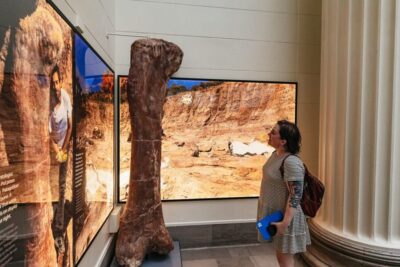 ★ 4.7Field Museum of Natural History Ticket or VIP TourFrom $29717 reviews
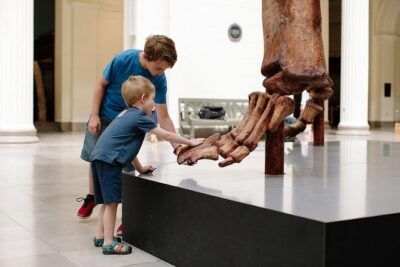 ★ 4.5Field Museum of Natural History Admission TicketsFrom $29489 reviews
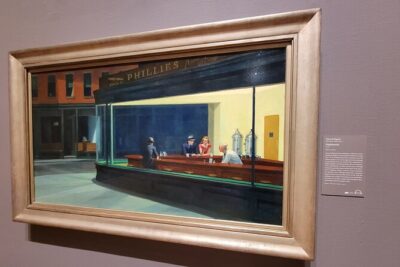 ★ 5.0Skip-the-line: Art Institute of Chicago Guided TourFrom $71417 reviews
 ★ 3.5Museum of Ice Cream Chicago Admission TicketFrom $43396 reviews
 ★ 4.41-5 Day Attraction Pass with Shedd AquariumFrom $139372 reviews
 ★ 4.8Flyover in Chicago: An Immersive Flying Theatre ExperienceFrom $38362 reviews
 ★ 5.02-Hour Chicago Lakefront & Museum Campus Segway TourFrom $64345 reviews
Browse the lists this tour appears in