
REVIEW · CHICAGO MUSEUMS & TICKETS
American Writers Museum Admission Ticket
Writing gets hands-on at Chicago’s American Writers Museum. I love the interactive exhibits that turn reading into doing, and I love how it traces an American Voice across time, genres, and even sportswriting. One thing to watch: it’s a compact museum, so if you try to read every word at full speed, you can feel overloaded.
What makes the visit feel easy is the built-in rhythm. The 3pm guided tour is complimentary when the museum is open, and the mobile ticket keeps check-in simple. You’ll also find the museum thoughtfully set up for a range of needs, including elevator access to the second floor and button-activated doors at the entrance.
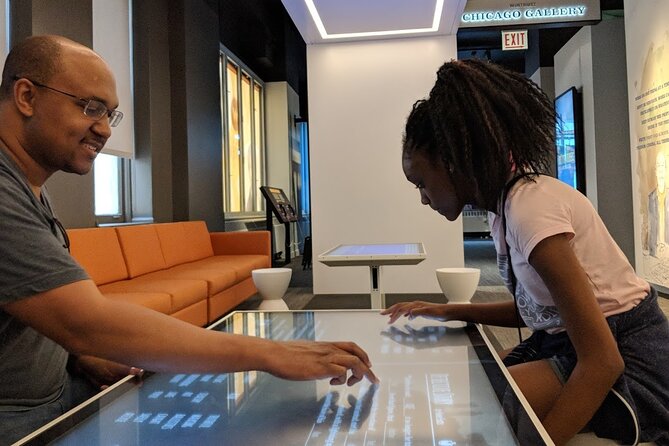
You can choose your pace, too. Pick an entry time and plan for about 1 to 5 hours, then move through galleries like The Mind of a Writer, the Wintrust Chicago Gallery, the temporary Meijer exhibit, and the Roberta Rubin Writer’s Room.
In This Review
- Key things to know before you go
- American Writers Museum: what you’re really buying
- Writers Hall and the hometown idea that clicks
- The Mind of a Writer: learning how writers think
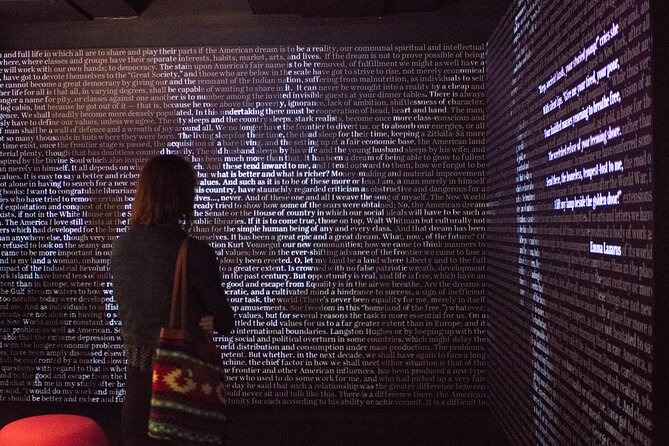
- A Nation of Writers: sweeping themes without feeling lost
- Wintrust Chicago Gallery: where the city shows up on the page
- My America in the Meijer Gallery: immigrant and refugee voices now
- Roberta Rubin Writer’s Room: tools of the trade, plus hands-on fun
- The 3pm complimentary guided tour: how to use it well
- Price and value: why $16 can feel like a bargain
- Getting there and settling in: comfort, access, and pacing
- Who should book this ticket?
- Should you book the American Writers Museum Admission Ticket?
- FAQ
- How much is the American Writers Museum admission ticket?
- How long does the visit take?
- Is the ticket mobile?
- Is a guided tour included, and when is it?
- Is parking included?
- Are students eligible for a reduced rate?
- Can I cancel and get a full refund?
Key things to know before you go
- The writing-storytelling path is built in: Writers Hall, The Mind of a Writer, and the Chicago-focused gallery give you a clear route.
- Hands-on tools for writers: The Roberta Rubin Writer’s Room includes writing tools used by famous authors, and you can even use vintage typewriters.
- Chicago has its own spotlight: The Wintrust Chicago Gallery connects authors to the city’s literary tradition.
- A timely temporary exhibit: My America focuses on immigrant and refugee writers today.
- Small-group feel: Tours run with a maximum of 50 travelers, so it doesn’t feel like a cattle line.
- Included extras help you slow down: You get a free bookmark gift and a guided tour at 3pm.
American Writers Museum: what you’re really buying
For $16 per person, you’re not just paying to look at cases and glass plaques. You’re paying to spend time inside a museum that treats writing like a craft you can touch—structure, tools, and inspiration—rather than a far-off talent only geniuses have.
The museum leans into a big idea: an American Voice isn’t one style. It’s many voices—poets, essayists, playwright-adjacent thinkers, sportswriters, and more. If you’ve ever wondered how people actually shape ideas into pages, this place helps you see the steps.
More museum hours for a windy day
Writers Hall and the hometown idea that clicks
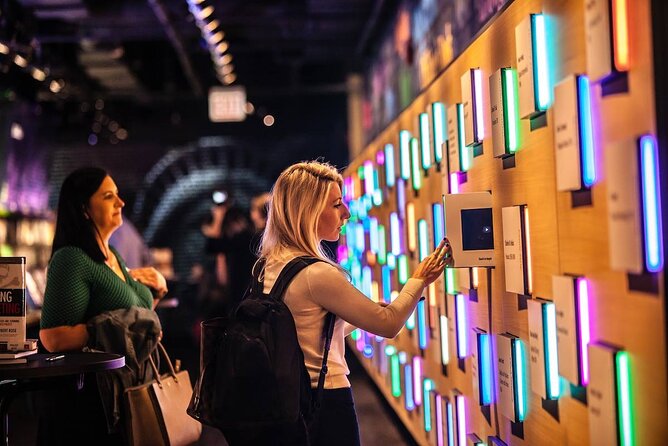
Your visit starts in Writers Hall, where the museum builds a connection between writers and place. You’ll explore great writers’ hometowns and learn about the American Writers Museum Affiliate homes—real addresses and real neighborhoods that help make authors feel less abstract.
This is a smart move for readers and non-readers alike. A lot of literary exhibits get stuck in names and dates. Here, the “where” matters. It gives you something concrete to hold on to as you move into bigger themes.
One practical tip: give yourself a little time here. If you skim, you miss what the museum is trying to do—make the writing feel rooted, not floating.
The Mind of a Writer: learning how writers think
From Writers Hall, you move into The Mind of a Writer, where the museum focuses on methods and mindset. It’s built to help you understand how writers approach their work, not just what they wrote.
What I like about this part is how it uses games and other interactive pieces to bring your brain into the process. You aren’t only reading about famous work—you’re invited to try similar thinking in your own way. It’s the closest thing in the building to a “practice writing” vibe without turning it into a classroom.
If you’re the type who loves structure, you’ll probably enjoy this section a lot. If you’re more casual, you can still enjoy it—just don’t feel you have to master everything. Use it like a menu: pick what grabs you.
Keep these Chicago backups on the shortlist too:
- Chicago: Willis Tower Skydeck and The Ledge Ticket
★ 4.6 · 4,350 reviews - Chicago: Architecture River Cruise Skip-the-Ticket Line
★ 4.8 · 4,325 reviews - Chicago: 360 CHICAGO Observation Deck Ticket
★ 4.5 · 3,173 reviews
A Nation of Writers: sweeping themes without feeling lost
In A Nation of Writers, the museum celebrates authors who reflect a unique American voice across history and mediums. You’ll see how different genres and formats can still share underlying patterns—how writers shape language, identity, and perspective.
This section can be emotionally satisfying in a straightforward way. You get the sense that writing is a living tool, not a museum artifact. Even better, the museum doesn’t pretend every voice belongs to the same story. It recognizes different paths into authorship.
If you tend to get overwhelmed in museums, use this strategy: spend enough time to notice themes, then move on. You can’t absorb everything on one visit, and the museum is designed so you still get value even if you don’t read every panel.
Wintrust Chicago Gallery: where the city shows up on the page
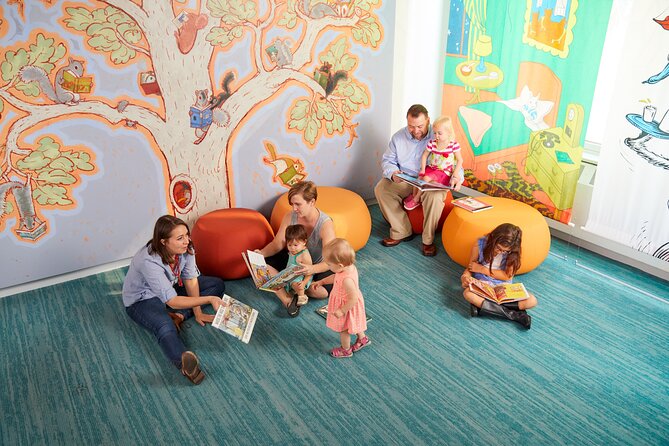
The Wintrust Chicago Gallery is one of the best reasons to pick this museum as a Chicago stop. It focuses on the city’s literary tradition and shows how writers, influencers, groups, and characters shaped Chicago’s unique writing culture.
This gallery matters because it connects two worlds: literature and everyday geography. When you’re standing there, you can feel that Chicago isn’t just scenery for stories—it’s part of the story engine.
If you’re visiting Chicago for the first time, this is a good anchor. It helps you see the city through a different lens, one that’s more personal than the usual skyline checklist.
My America in the Meijer Gallery: immigrant and refugee voices now
At the time window covered by your ticket, you may also have access to the temporary exhibit My America: Immigrant and Refugee Writers Today in the Meijer Gallery. This exhibit spotlights contemporary writing by immigrants through different themes.
This is where the museum feels timely. Instead of keeping literary discussion safely in the past, it points you toward current voices and current questions—how people bring language with them, and how writing can carry identity across distance.
If you want your trip to feel relevant to today’s world, budget extra time for this stop. It’s not the kind of exhibit you’ll appreciate if you race through it.
Roberta Rubin Writer’s Room: tools of the trade, plus hands-on fun
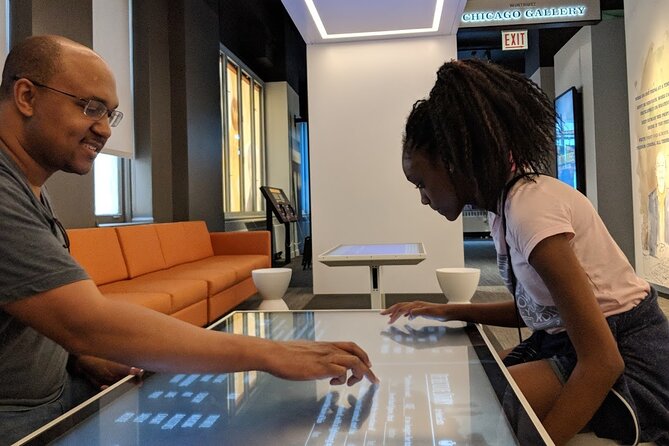
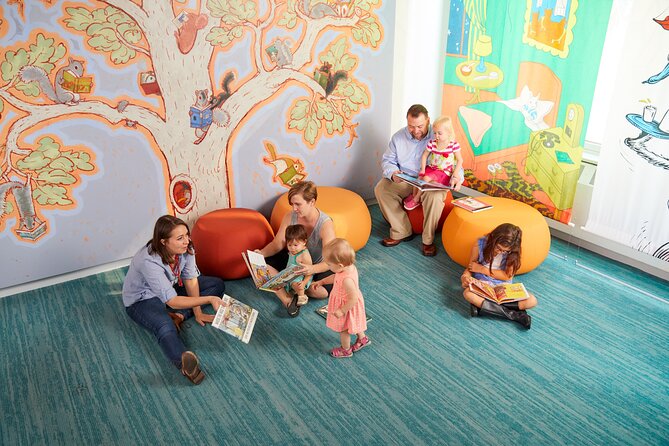
One of the most practical parts of the museum is the Tools of the Trade exhibit in the Roberta Rubin Writer’s Room. It focuses on the tools famous American writers have used across history, connecting craft to physical objects.
The names highlighted here include Frederick Douglass, Helen Keller, and Maya Angelou—big figures, presented through the lens of working methods and writing tools. That approach is what makes the exhibit click: it turns “great author” into “working process.”
And yes, you might get the bonus that makes this section feel playful. Vintage typewriters are available for public use, and that small moment can change how you understand the entire museum. Seeing the tools makes the abstract ideas feel real.
You might also want to pick up a repurposed journal from the museum shop and actually use it right away. It’s a simple souvenir, but the point is you can leave with a writing prompt in your hands, not just a paper bag.
The 3pm complimentary guided tour: how to use it well
The ticket includes a complimentary guided tour at 3pm daily when the museum is open. This is a nice advantage because it gives you a story-driven path through a museum with multiple galleries.
The group size is capped at 50 travelers, which helps keep the tone human. You’re less likely to feel lost in a crowded shuffle, and you can usually settle into the exhibits without constantly waiting your turn.
Timing-wise, you’ll do best if you treat the tour as your backbone. Come a bit early, take a quick look to orient yourself, then let the guide help you connect the dots. If you’re the self-directed type, you can also skip the tour and explore freely—but the tour is included for a reason.
Price and value: why $16 can feel like a bargain
Let’s be real: $16 is not a lot of money in a city where museums can cost way more. Here, the value comes from variety and interaction. You get multiple themed galleries, plus hands-on writing-tool elements, plus the included 3pm guided tour and the free bookmark gift.
You also get flexibility. The visit duration is approximate (about 1 to 5 hours), so you can right-size your experience. If you only have an hour, you can still hit key sections. If you like to linger, you can stretch it out and do more of the interactive parts.
One small caution: this is not a mega-museum. If you’re expecting to spend an entire day, plan a little extra time elsewhere. But if you want a focused, thoughtful stop with actual participation, the price-to-time ratio feels fair.
Parking isn’t included, so if you’re driving, build that cost into your plan. (If you can, arriving by public transportation keeps things easier.)
Getting there and settling in: comfort, access, and pacing
The museum is near public transportation, which is a strong practical point in Chicago. If you’re coordinating with other stops, this location makes it easier to fit in.
Access features are clearly built for real-world visits. Button activated doors operate at the building entrance, there’s elevator access to the second floor, and there’s a large gender-neutral family restroom with wide stalls and grab bars. Service animals are allowed as well.
Two extra notes that matter for planning: tickets are good for a year from the original date, and confirmation is received at booking. That means you’re not gambling on a single day only.
Who should book this ticket?
I’d strongly consider the American Writers Museum if you want a literary experience that feels tactile and human. It’s a great match for book lovers, teachers, students, families, and anyone who likes creativity tied to real process.
If you enjoy museums where you can actually do something—type on a vintage machine, try interactive prompts, and connect themes across galleries—you’ll probably leave happy.
If you dislike reading-heavy spaces or you need everything to be fast and simple, you can still go, but plan a lighter pace. Pick your must-sees, then enjoy the rest without trying to master it all.
Should you book the American Writers Museum Admission Ticket?
If you’re looking for a focused Chicago museum stop that blends hands-on writing tools with story-based galleries, this ticket is a solid choice. The included 3pm guided tour is a helpful shortcut, and the museum’s themes—from neighborhood roots to contemporary immigrant voices—give you more than one way to connect.
One smart move: book ahead when you can. The experience is typically booked about 17 days in advance on average, which tells you it’s popular enough to plan, not rush.
Also consider the setting: it’s compact, so check your expectations. If you want “short, worthwhile, interactive,” you’ll likely feel it was worth the $16.
FAQ
How much is the American Writers Museum admission ticket?
The ticket is $16.00 per person.
How long does the visit take?
The experience duration is approximately 1 to 5 hours.
Is the ticket mobile?
Yes, the ticket is a mobile ticket.
Is a guided tour included, and when is it?
Complimentary guided tours are included at 3pm daily when the museum is open.
Is parking included?
No, parking is not included.
Are students eligible for a reduced rate?
Students qualify for the senior rate, but they must present a valid student ID upon arrival.
Can I cancel and get a full refund?
Yes. You can cancel up to 24 hours in advance for a full refund. If you cancel less than 24 hours before the experience start time, the amount paid will not be refunded.
If you’d like, tell me the day of the week you’re visiting and how many hours you want to spend, and I’ll suggest a simple order to see the key galleries without rushing.
Ticket Stubs for Chicago
- Chicago: Willis Tower Skydeck and The Ledge Ticket★ 4.6 · 4,350 reviews
- Chicago: Architecture River Cruise Skip-the-Ticket Line★ 4.8 · 4,325 reviews
- Chicago: 360 CHICAGO Observation Deck Ticket★ 4.5 · 3,173 reviews
- Medieval Torture Museum Ticket with Audio Guide and Ghost Hunting★ 5.0 · 962 reviews
- Chicago: Field Museum of Natural History Ticket or VIP Tour★ 4.7 · 717 reviews
The Wider Chicago Shortlist
- Chicago Architecture River Cruise★ 5.0 · 15,756 reviews
- Chicago River 90-Minute Architecture Tour★ 4.5 · 9,629 reviews
- Chicago River: 1.5-Hour Guided Architecture Cruise★ 4.8 · 8,046 reviews
- Chicago: Gangsters and Ghosts Walking Tour★ 5.0 · 7,155 reviews
- Chicago Architecture Center River Cruise aboard First Lady★ 5.0 · 5,536 reviews
Museum Campus and Beyond
- Medieval Torture Museum Ticket with Audio Guide and Ghost Hunting★ 5.0 · 962 reviews
- Chicago: Field Museum of Natural History Ticket or VIP Tour★ 4.7 · 717 reviews
- Field Museum of Natural History Admission Tickets★ 4.5 · 489 reviews
- Skip-the-line: Art Institute of Chicago Guided Tour★ 5.0 · 417 reviews
- Museum of Ice Cream Chicago Admission Ticket★ 3.5 · 396 reviews
The Ink Is Still Wet on These Chicago Reviews




Chicago Museums & Tickets, compared.
 ★ 5.0Medieval Torture Museum Ticket with Audio Guide and Ghost HuntingFrom $35962 reviews
 ★ 4.7Field Museum of Natural History Ticket or VIP TourFrom $29717 reviews
 ★ 4.5Field Museum of Natural History Admission TicketsFrom $29489 reviews
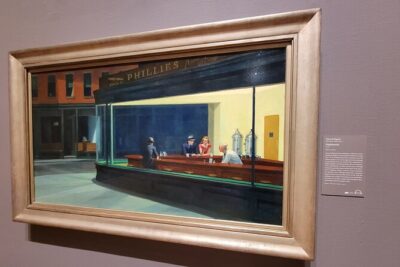 ★ 5.0Skip-the-line: Art Institute of Chicago Guided TourFrom $71417 reviews
 ★ 3.5Museum of Ice Cream Chicago Admission TicketFrom $43396 reviews
 ★ 4.41-5 Day Attraction Pass with Shedd AquariumFrom $139372 reviews
 ★ 4.8Flyover in Chicago: An Immersive Flying Theatre ExperienceFrom $38362 reviews
 ★ 5.02-Hour Chicago Lakefront & Museum Campus Segway TourFrom $64345 reviews
Browse the lists this tour appears in